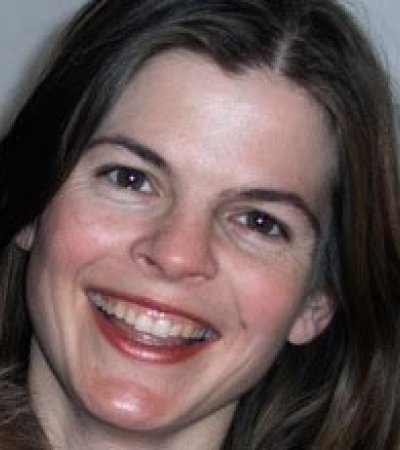
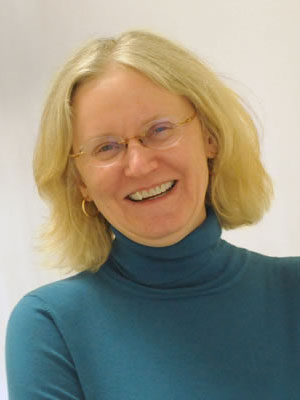
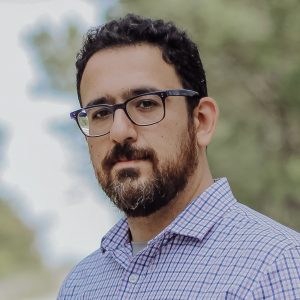
Mark Liberman is a Trustee Professor at the University of Pennsylvania , holding appointments in the Department of Linguistics and Department of Computer and Information Science . He serves as Director of the Linguistic Data Consortium and Faculty Director of Ware College House . His career spans linguistics, speech technology, and computational methods. Education: Harvard University (1965-1969), MIT (M.S. 1972, Ph.D. 1975) Professional Experience: AT&T Bell Laboratories (1975-1990), University of Pennsylvania (1990-present) His research interests include: Corpus-based Phonetics : Analyzing speech patterns via large-scale datasets. Clinical Applications : Developing speech biomarkers for neurodegenerative diseases. Tonal Phonology : Studying lexical tone and intonation in languages like Yoruba and Mandarin. Formal Annotation Models : Creating frameworks for linguistic data standardization. Recent publications highlight automated speech analysis, cross-linguistic prosody, and digital biomarkers for conditions like ALS-FTD and Alzheimer’s. His collaborations span computational linguistics , neurology , and cognitive science . Scientific awards include the IEEE James L. Flanagan Award (2017), Antonio Zampolli Prize (2010), and fellowships from the AAAS and Linguistic Society of America . He advises PhD students May Chan and Jonathan Him Nok Lee and contributes to editorial boards for journals like Cognition and Annual Review of Linguistics . His work bridges speech science , language technology , and neurocognitive research .
Professor Michael Ben-Gad is a Professor of Economics at City, University of London, where he has served since 2009. He previously held roles as Head of the Department of Economics (2010–2013) and Deputy Head (2008–2010). His research focuses on dynamic macroeconomics, taxation, public debt, immigration economics, and national security, with notable contributions to endogenous growth models and compositional data econometrics. He holds a PhD from the University of Chicago (1996) and has taught at institutions including the University of Houston and University of Haifa. Ben-Gad served on the U.S. National Academy of Sciences panel on immigration's economic and fiscal impacts (2014–2016) and received a 2017 Fellowship from the Royal Society of Arts (FRSA). His work spans academic journals (Economic Modelling, Journal of Economic Dynamics and Control) and media outlets (BBC, CNBC, Al Jazeera), addressing topics like Brexit economics, fiscal policy, and geopolitical challenges. He co-convenes the City Branch of Academics for Academic Freedom and is a founding member of London Universities' Council for Academic Freedom. His research grants include funding from HM Treasury/ESRC on fiscal policy and immigration (2011), the Israel Science Foundation (2007–2008), and the Samuel Ne'eman Foundation (2004). Professional roles include editorial board membership for Economic Affairs and membership of the ESRC Grant Assessment Panel (2021). He is proficient in Hebrew and contributes to policy debates on taxation, macroprudential frameworks, and defense economics.
Rhenish Friedrich Wilhelm University of BonnGermany
Gül Şen is a Senior Lecturer and Privatdozentin at the Institute of Oriental and Asian Studies, University of Bonn, and also serves as a Lecturer at the University of Heidelberg. Her academic work focuses on premodern Ottoman history, historiography, and the dynamics of dependency, particularly in maritime contexts such as galley slavery and war captivity. She is actively involved in major research programs including the DFG-Priority Program 'Transottomanica' and the Bonn Center for Dependency and Slavery Studies. Her research areas include: Premodern Ottoman historiography and narrative strategies Legitimacy of rule and political transitions Maritime unfree labor and galley slavery War captivity and captivity narratives in the 18th century Dependency and asymmetrical power relations in the early modern Mediterranean Her recent publications reveal a strong thematic trend centered on the interplay between narrative construction and social power, particularly in contexts of slavery and captivity. She investigates how historical actors used storytelling to assert legitimacy, cope with crises, and negotiate identity. Her work bridges literary analysis with social history, offering nuanced understandings of agency within systems of dependency. She frequently collaborates with leading scholars like Stephan Conermann and contributes to major edited volumes and series in Ottoman studies. Her scientific awards include: DAAD Award for outstanding academic achievements (2012) Postdoctoral Scholarship from the Fritz Thyssen Foundation (2012–2013) Postdoctoral Fellowships at the Annemarie Schimmel Kolleg (2015–2016, 2018–2019) Postdoctoral Scholarship from the University of Bonn (2019–2020) She has supervised numerous B.A. and M.A. theses at the University of Bonn and Heidelberg and has secured third-party funding, including a DFG project (€192,000) from 2016–2018 and Fritz Thyssen Foundation grants. She is co-editor of the 'Ottoman Studies' and 'Otto Spies Memorial Series' book series, and holds leadership roles in the Society for Turkic, Ottoman and Turkish Studies (GTOT) and the International Association for Ottoman Social and Economic History (IAOSEH). Her academic activities are deeply embedded in collaborative and interdisciplinary research environments. She is affiliated with the Bonn Center for Dependency and Slavery Studies and contributes to the DFG-Priority Program 'Transottomanica,' where she examines mobility dynamics and captivity narratives. Her work is supported by a strong network of international collaborations and editorial engagements.
Dr. Camila Aquino serves as Assistant Professor in both the Department of Clinical Neurosciences and Department of Community Health Sciences at the University of Calgary's Cumming School of Medicine, and is a Full Member of the Hotchkiss Brain Institute. As Medical Director of the Deep Brain Stimulation Program, she specializes in Parkinson's disease, essential tremor, dystonia, and chorea management, including EMG-guided botulinum toxin injections. Her educational background includes: M.D. in Medicine from Escola Superior de Ciencias da Santa Casa (2005) M.S. in Neurosciences from Federal University of Sao Paulo (2012) Ph.D. in Neurosciences from Federal University of Sao Paulo (2019) M.S. in Health Research Methods, Clinical Epidemiology from McMaster University (2020) Dr. Aquino's research addresses unmet needs in movement disorders through innovative clinical trial designs for Parkinson's disease, focusing on precision-medicine approaches, early intervention, and outcome optimization. She actively evaluates neuromodulation therapies including Deep Brain Stimulation, Spinal Cord Stimulation, and MRgFUS, with emphasis on expanding indications and improving patient outcomes. As an International Parkinson and Movement Disorder Society member, she chairs the web-based learning committee and serves on evidence-based medicine and outcome measure committees. Analysis of her 15 most recent publications (2021-2025) reveals a cohesive research trajectory centered on Parkinson's disease management, with dominant themes in motor fluctuation treatments, deep brain stimulation methodology, and clinical trial innovation. Her work bridges fundamental clinical practice guidelines with advanced neuromodulation technologies, demonstrating consistent commitment to evidence-based solutions for movement disorders. Her scientific recognition includes: Parkinson Canada research grant Mohammed Al Zaibak Foundation scholarship CAPES scholarship from Brazilian Ministry of Education Dr. Aquino has secured significant research funding supporting clinical trials in Parkinson's disease neuroprotection and neuromodulation therapies. While specific student advisees aren't listed, her leadership of the DBS Program and active clinical trial portfolio indicate substantial mentorship responsibilities. Her grant portfolio emphasizes translational research with direct clinical impact. She directs the University of Calgary's Deep Brain Stimulation Program and contributes to the MRI-guided focused ultrasound initiative. Through her International Parkinson and Movement Disorder Society committee roles, she shapes global educational standards and evidence-based practices in movement disorders.
Dr. Keith Alexander Sharkey is a Professor in the Department of Physiology and Pharmacology at the Cumming School of Medicine, University of Calgary. He is also a Full Member of both the Hotchkiss Brain Institute and The Calvin, Phoebe and Joan Snyder Institute for Chronic Diseases. Dr. Sharkey has been at the University of Calgary since his appointment as Assistant Professor in 1990, dedicating his career to understanding the neural control of the gastrointestinal tract. From 2005-2021, he held the Crohn's and Colitis Canada Chair in Inflammatory Bowel Disease Research, demonstrating his longstanding commitment to advancing knowledge in gastrointestinal sciences. Dr. Sharkey's educational journey began with a BSc (Hons) in Nutrition from the University of London in 1981, followed by a PhD in Physiology from the University of Liverpool in 1985. After completing postdoctoral training in Hungary, the UK, and Canada, he joined the University of Calgary faculty in 1990, where he has remained throughout his distinguished academic career. Dr. Sharkey's research program centers on understanding the physiology and pathophysiology of the neural control of the gastrointestinal tract and brain-gut interactions in health and disease. His laboratory investigates two main areas: the role of the endocannabinoid system in regulating GI motility and intestinal barrier function, and the physiology of the enteric nervous system in controlling motility and barrier function. His work employs state-of-the-art approaches including live cell imaging and molecular genetics. Recent publications show his expanding interest in connections between gut function and neurodegenerative conditions like ALS, with multiple 2024-2025 papers examining sexual dimorphism in disease processes and gut-brain axis mechanisms. Fellow, Royal Society of Canada (2024) Cumming School of Medicine's van de Sande Distinguished Achievement Award for Mentorship (2021) Distinguished Research Award, American Physiological Society (2021) Finkelstein Award for Excellence, Crohn's and Colitis Canada (2016) Fellow, Canadian Academy of Health Sciences (2015) Fellow, Canadian Association of Gastroenterology (2015) Killam Annual Professor Award, University of Calgary (2013) Dr. Sharkey has mentored numerous students throughout his career, as evidenced by his 2021 Mentorship Award. His research is supported by significant funding, including a CIHR Foundation grant exploring how enteric nerves and glia maintain intestinal homeostasis. He has also participated in university strategic initiatives focused on Brain and Mental Health (2015-2021) and Infections, Inflammations and Chronic Diseases (2015-2021), demonstrating his interdisciplinary approach. The Sharkey Lab provides a safe, inclusive, and diverse research environment that encourages open scientific exchange from diverse viewpoints. His laboratory is actively engaged in multiple collaborative projects, including investigations with UBC Okanagan on diet and probiotics targeting the gut-brain metabolic interactome, and with University of Calgary colleagues studying gut microbiota's role in ALS. Dr. Sharkey continues to advance our understanding of neural mechanisms controlling gastrointestinal function with upcoming courses scheduled for Fall 2024 and Winter 2025.
Mulki Al-Sharmani is a Professor at the University of Helsinki, affiliated with the Faculty of Arts and the Department of Cultures (specializing in Middle Eastern Studies). Her research focuses on Islamic feminism, Muslim family law, gender studies, and transnational migrant communities. She examines how religious texts and practices intersect with legal frameworks and social dynamics in contexts like Egypt, Finland, and the Somali diaspora. Her work includes analyzing Islamic legal reform, gender equality in marriage, and the lived experiences of Muslim women. Key publications explore Qur'anic hermeneutics, the role of feminist activism in legal change, and the wellbeing of transnational families. She has contributed to projects like 'Reclaiming Adl and Ihsan in Muslim Marriage' and co-edited volumes on Islamic ethics and family law reform. Research interests: Islamic feminist theory, Middle Eastern legal traditions, transnational family dynamics, and religious praxis. Recent articles highlight themes like Qur'anic ethics of marriage, legal pluralism in Finland, and the political dimensions of Egyptian family law reform. Active in international conferences, including presentations at SOAS University of London, American University in Cairo, and panels on Islamic law and gender at venues like MESA and EASR. Involved in interdisciplinary initiatives such as the Africa Research Forum and Musawah's global network for equality in Muslim family laws.
Daniel Finley is a Professor of Cell Biology at Harvard Medical School (HMS), leading the Finley Lab focused on the ubiquitin-proteasome pathway and related regulatory mechanisms. He holds academic appointments within the Department of Cell Biology and sits on the Scientific Advisory Boards of Proteostasis and X-Chem Pharmaceuticals. His research investigates proteasome function, ubiquitin-like proteins, and proteostasis roles in diseases like Alzheimer’s and ALS. Dr. Finley earned his undergraduate degree in biochemistry from Harvard University and a Ph.D. in molecular biology from MIT. After postdoctoral training at MIT, he joined HMS in 1988. His lab explores topics including erythroid proteome remodeling, mitochondrial dysfunction, and neurodegenerative disease mechanisms. Key research areas include: (1) Ubiquitin-proteasome pathway regulation, (2) Proteasome structure/function, (3) Nonproteolytic roles of ubiquitination, and (4) Pathophysiological roles of proteostasis defects in diseases. His work bridges basic cell biology with translational medicine, particularly in neurodegeneration and anemia. Finley has secured NIH funding for projects like 'Regulation of Proteasome Activity' (R35GM145246) and 'Erythrocyte maturation through global proteome remodeling' (R01HL153970). Collaborations with industry and academic partners extend his impact in drug discovery and proteasome-targeted therapies. His lab’s contributions include defining ubiquitin chain editing mechanisms, identifying USP14’s role in mitophagy, and elucidating proteostasis defects in Alzheimer's models. Research tools developed include advanced cryo-EM analyses of proteasomal structures and functional assays for ubiquitin system enzymes.
Massachusetts Institute of TechnologyUnited States
Dean Eckles is an Associate Professor of Marketing at MIT Sloan School of Management and serves as an Associate Director of the MIT Institute for Data, Systems, and Society (IDSS). He is also affiliated with the MIT Schwarzman College of Computing through the Institute for Data, Systems & Society and its Statistics and Data Science Center. Additionally, he leads the analytics research area at the Initiative on the Digital Economy and organizes the annual Conference on Digital Experimentation (CODE@MIT). His educational background includes a BA in philosophy, BS and MS in cognitive science, MS in statistics, and PhD in communication, all from Stanford University. Prior to joining MIT, Eckles worked as a scientist at Facebook, where he contributed to areas including News Feed, messaging, advertising, tools for randomized experiments, and survey methods. He previously held research positions at Nokia and Yahoo. Eckles's research primarily focuses on social influence mediated by interactive technologies, examining how communication technologies mediate, amplify, and direct social influence. His work spans multiple specific areas including social interactions, contagion, and interventions in networks; experimental design and inference in networks; and methods for causal inference. His research often combines social science with advanced statistical methods. His notable publications include research on long ties in social networks and their relationship to economic prosperity, how network structure affects social contagions, and algorithmic transparency in social media platforms. His work has appeared in prestigious journals including PNAS and Nature Human Behaviour, and he has provided expert testimony before the US Senate on algorithmic ranking. Long ties, disruptive life events and economic prosperity (PNAS) Long ties accelerate noisy threshold-based contagions (Nature Human Behaviour) Algorithmic transparency and assessing effects of algorithmic ranking (Senate testimony) Eckles actively shares his research through social media platforms including Bluesky, Twitter, and Mastodon, as well as through his blog and contributions to the Gelman et al. blog. His work bridges academic research with practical applications in technology and policy.
Mohsen Goudarzi is an Associate Professor of Islamic Studies at Harvard Divinity School (HDS), part of Harvard University. He joined the faculty in 2021 after teaching at the University of Minnesota. His academic background includes a PhD from Harvard University and an MA from Stanford University. His research focuses on the Qur’an and early Islamic history, employing literary, linguistic, comparative, and historical approaches. Key interests include the Qur’an’s role in Late Antique religious developments, Islamic exegetical traditions (tafsīr), and theological frameworks (kalām). His current projects explore the Qur’anic worldview’s interpretation and the significance of Meccan cultic rituals to early Islamic identity. He has received teaching excellence awards, including a certificate from the University of Minnesota’s Center for Educational Innovation and three teaching distinctions from Harvard’s Office of Undergraduate Education. Research outputs include groundbreaking articles on Qur’anic exegesis, cultic practices, and interreligious dynamics. Notable works analyze the Qur’an’s engagement with Abrahamic traditions, ritual practices in Mecca, and the textual history of early Islamic manuscripts. His collaborative work on the Ṣan‘ā’1 codex redefined understandings of early Qur’anic canonization. Teaching spans HDS and Harvard’s Faculty of Arts and Sciences (FAS), covering Islamic studies, Qur’anic studies, and religious history. He advises students in HDS programs and contributes to interdisciplinary initiatives at the intersection of theology, history, and textual criticism.
Matt King is an Associate Professor and Graduate Director in the Department of History at the University of South Florida (USF), within the College of Arts and Sciences. He specializes in medieval Mediterranean history, digital humanities, and the Crusades era, particularly focusing on Norman-Sicily and Zirid-Ifriqiya relations. King holds a Ph.D. from the University of Minnesota (2018) and teaches courses on medieval history, digital methods, and historical pedagogy. His research explores the interconnectedness of medieval Mediterranean polities, leveraging Arabic and Latin sources alongside digital tools like the Old World Drought Atlas. His first book, Dynasties Intertwined (2022), examines Zirid-Norman relations. He has co-authored translations of al-Idrisi’s geography and is currently researching the historical perception of goblins. Education: Ph.D., University of Minnesota (2018); M.A. (2014), B.A. (2012) in History and Latin. King’s teaching emphasizes active learning and digital humanities, including workshops for K-12 educators. He has received grants totaling over $40,000 for research and community projects. Awards include the Outstanding Graduate Instructor Award (UMN, 2018) and the Subvention Award (USF, 2022). His publications span peer-reviewed journals (e.g., Journal of North African Studies , The History Teacher ) and edited volumes, with a focus on medieval Mediterranean dynamics, digital pedagogy, and environmental history. King advises graduate students in medieval Mediterranean history, emphasizing research in Arabic, Latin, or Greek. He is involved in digital initiatives, including departmental websites and archaeological 3D modeling projects.
Professor Mette Eilstrup-Sangiovanni serves as Senior Lecturer in International Studies within the Department of Politics and International Studies (POLIS) at the University of Cambridge and holds a Fellowship in International Relations at Sidney Sussex College. Her teaching portfolio encompasses International Organization, International Relations Theory, International Security, History and Theory of European Integration, and Research Design and Methodology, reflecting her dual institutional commitments. Her research program centers on International Security, International Organizations, and European Integration with specialized expertise in Global Governance and Transnational Networks. She investigates how formal and informal institutions shape security governance frameworks, weapons proliferation regimes, and European defense architectures through rigorous application of network theory. This analytical lens reveals critical insights into cooperation dynamics and institutional evolution within international security contexts. Publication analysis shows consistent thematic development from foundational work on balance-of-power theory (2008-2009) toward contemporary examinations of multipolarity's institutional impacts (2013-2014). Her scholarship demonstrates methodological continuity in applying network analysis to diverse security challenges, from terrorist organizations to EU defense policy, while maintaining focus on institutional interplay in global governance structures.
Gail E. Kaiser is a Professor of Computer Science and the Director of the Programming Systems Laboratory (PSL) in the Computer Science Department at Columbia University. She has been with Columbia University since 1985, becoming a full Professor in 1998. Prof. Kaiser's research spans software engineering, program analysis, software testing, and software security, with recent focus on addressing challenges in AI/ML systems testing and security. Prof. Kaiser received her PhD in Computer Science from Carnegie Mellon University in 1985 and her ScB in Computer Science and Engineering from MIT in 1979. Her dissertation at CMU was titled "Semantics for Structure Editing Environments" under advisor Nico Habermann, and at MIT she completed "Automatic Extension of an Augmented Transition Network Grammar for Morse Code Conversations" under advisor Al Vezza. Prof. Kaiser's research interests primarily focus on software engineering following a systems building approach, with recent emphasis on static and dynamic program analysis techniques to improve software reliability and security. Since 2005, she has investigated testing "non-testable" programs, particularly in machine learning, data mining, and scientific computing applications where traditional testing oracles are insufficient. She has developed novel techniques and tools for detecting bugs and verifying repairs in complex systems. Concurrently, she has worked on collaboration environments for computational scientists, creating knowledge sharing and domain-aware environments to support scientific workflows. Prof. Kaiser's recent publications demonstrate a strong focus on the intersection of software engineering and artificial intelligence. Her work addresses critical challenges in testing AI systems, code understanding through deep learning, vulnerability detection, and educational tools for computational thinking. There's a clear evolution from traditional software engineering topics toward AI/ML applications, with particular emphasis on metamorphic testing for non-testable systems, code similarity analysis, and educational applications. Prof. Kaiser has received numerous prestigious awards throughout her career: Distinguished Journal Award (10 Years) from 18th IEEE International Conference on Software Testing, Verification and Validation (ICST), April 2025 Best Research Paper Award at 24th IEEE International Conference on Source Code Analysis & Manipulation (SCAM), October 2024 Distinguished Reviewer Awards for ASE 2024 and FSE 2024 ACM SIGSOFT Distinguished Paper Award for "CONCORD: Clone-aware Contrastive Learning for Source Code", July 2023 Best Student Paper Award at ICCE 2021 Multiple ACM SIGSOFT Distinguished Paper Awards dating back to 2014 Presidential Young Investigator in Software Engineering and Software Systems from NSF (1988-1993) Prof. Kaiser has chaired Columbia's doctoral program since 1997 and served on editorial boards including IEEE Internet Computing and as a founding associate editor of ACM Transactions on Software Engineering and Methodology. Her lab has been continuously funded by major agencies including NSF, NIH, DARPA, ONR, NASA, and numerous companies. Current grants include significant NSF funding for secure containers architecture, learning semantics of code for software assurance, and finding semantic security bugs. As Director of the Programming Systems Laboratory (PSL), Prof. Kaiser leads research in software systems, program analysis, and software testing. The lab has developed numerous tools and techniques for software reliability and security, with recent focus on challenges in AI/ML systems. Her work bridges theoretical foundations with practical applications, often resulting in deployable tools that address real-world software engineering challenges.
Ali Karjoo-Ravary is the Richard W. Bulliet Assistant Professor of Islamic History at Columbia University, specializing in the intellectual, social, and visual histories of premodern Islam through Arabic, Persian, and Turkic sources. His research intersects historical writing, cosmology, Sufism, and multilingual poetry in the Islamic East (Mashriq). Education: Ph.D., University of Pennsylvania (2018) M.A., University of Pennsylvania (2016) B.A., SUNY Stony Brook (2011) His current book project, Muhammad’s Song: Politics, Performance, and Cosmology in the Fourteenth Century , examines post-Mongol Islamic monarchy through Kadi Burhaneddin's life and rule. He also explores Sufi visual iconography, science fiction's relationship to religion, and architecture's role in evolving Islamic discourses. Scientific Awards and Fellowships: Bard Graduate Center Visiting Fellow (Fall 2020) Wolf Humanities Center Graduate Research Fellow (2016-2017)
Dr. Jung-Fu Lin is a Professor of Earth and Planetary Sciences at the Jackson School of Geosciences, University of Texas at Austin, holding the Dave P. Carlton Centennial Professorship. His research focuses on understanding planetary interiors through high-pressure experiments, particularly using diamond anvil cells and synchrotron facilities. Key areas include mineral physics, Earth's core dynamics, and the role of water in mantle processes. Expertise: High-pressure mineral physics, X-ray spectroscopy, and planetary materials science. Current projects: Investigating iron alloys in Earth's core, thermal conductivity of mantle minerals, and carbon storage mechanisms. Research highlights include discoveries on iron spin transitions, elasticity of bridgmanite, and Martian core dynamics. Awards include the NSF CAREER Award and Fulbright Scholarship. Lin supervises graduate students in experimental petrology and mentors postdocs globally. Teaches courses on Earth materials and mineral physics. Active in international collaborations, including with Okayama University (Japan) and Adam Mickiewicz University (Poland). His lab develops advanced laser heating systems and Raman spectroscopy tools for high-pressure studies.
Shaker A. Zahra is a Professor of Strategy and Entrepreneurship at the Carlson School of Management, University of Minnesota , where he holds the Robert E. Buuck Chair of Entrepreneurship. He has served as Department Chair, Director of the Holmes Center for Entrepreneurship, and Academic Co-Director of Carlson Ventures Enterprises, and was Founding Co-Director of the Center for Integrative Leadership. Previously, he held the Paul T. Babson Distinguished Professorship at Babson College and faculty roles at Georgia State University and the University of Twente (Netherlands). Education : PhD in Business Administration (University of Mississippi), MBA (National University), B. Commerce (Al-Azhar University) His research focuses on corporate and international entrepreneurship , dynamic capabilities , and social entrepreneurship , particularly in technology-based industries. He explores industry emergence, strategic novelty, and firm heterogeneity, applying theories across global markets. His recent articles emphasize corporate entrepreneurship, international new ventures, and the role of dynamic capabilities in innovation. His work spans industries like robotics, software, pharmaceuticals, and nanotechnology, with studies in China, Brazil, India, and Europe. Scientific Awards : 2014 Global Award for Entrepreneurship Research, 5 Honorary PhDs, Fellowships from AOM, IFERA, and others, and over 20 Best Paper Awards. He has advised 75+ PhD students, taught across undergraduate to executive programs, and consulted for global technology firms. His leadership includes roles on 25+ journal editorial boards, organizing conferences, and delivering 40+ keynote speeches worldwide.