معرفی
Gerry Brien is a Chancellor's Fellow and Group Leader at the University of Edinburgh's Institute of Genetics and Cancer within the College of Medicine and Veterinary Medicine. His research focuses on understanding how chromatin and transcriptional regulation are altered in childhood cancers to develop more effective treatments. He maintains an active research laboratory studying the fundamental biochemical mechanisms involved in epigenetic regulation of chromatin structure in cancer cells.
- PhD in Chromatin Biochemistry, Trinity College Dublin (2009-2013)
- BSc in Genetics and Cell Biology, Dublin City University (2004-2008)
Dr. Brien's research centers on chromatin biochemistry and epigenetics in cancer biology, particularly childhood cancers where altered epigenetic regulation appears to be the primary cause of disease. His work investigates how pathways controlling transcriptional and chromatin biology are altered in cancer cells, with focus on sarcomas, leukemias, and brain tumors. Approximately 30% of cancer-causing mutations affect genes encoding epigenetic and chromatin regulators, making this a critical area of study.
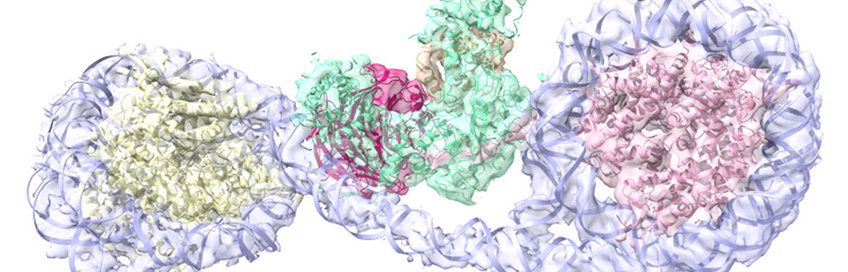
His recent publications reveal a strong focus on Polycomb Repressive Complexes (PRC1 and PRC2), histone mutations in pediatric brain tumors, and the development of chromatin-targeted therapeutics. The research shows a progression from fundamental mechanistic studies of epigenetic dysregulation toward translational applications, with increasing emphasis on identifying therapeutic vulnerabilities in childhood cancers through CRISPR screening and chemical biology approaches.
As Principal Investigator, Dr. Brien leads the research project 'Understanding oncogenic transcriptional processes in synovial sarcoma' funded by Worldwide Cancer Research (June 2024-May 2025). He actively mentors PhD students in his laboratory and collaborates extensively with Professor Steven Pollard at the University of Edinburgh and Professor Adrian Bracken at Trinity College Dublin.
Dr. Brien leads the Chromatin Biochemistry and Epigenetics Laboratory, which utilizes epigenomic, genomic, and biochemical approaches to characterize cancer-causing mutations. The lab employs advanced techniques including Chromatin Biochemistry, Gene Expression and Chromatin Mapping, Protein-Protein Interactions analysis, Proteomics, CRISPR Screening, and Genome Editing to investigate oncogenic gene expression processes in childhood cancers.