معرفی
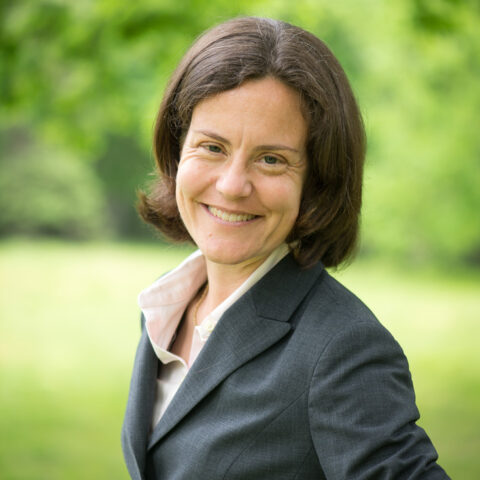
Esra Akcan is the Michael A. McCarthy Professor of Architectural Theory in Cornell University's College of Architecture, Art, and Planning (AAP), where she serves as Director of Graduate Studies and board member of the Institute for Comparative Modernities. Her scholarship pioneers geopolitically conscious global histories of urbanism and architecture, centering Europe, West Asia, and Northeast Africa to redefine architecture's role in social and environmental justice.
Her educational foundation includes an architecture degree from Turkey's Middle East Technical University and doctoral/postdoctoral training at Columbia University. Key appointments span UI-Chicago, Humboldt University Berlin, Columbia, and Pratt Institute, reflecting her transnational academic trajectory.
Akcan's research revolutionizes architectural discourse throughintertwined histories that expose global power imbalances. Core frameworks include:
- Architectural translation theory extending beyond language to visual/spatial fields
- Open architecture as an ethic of welcoming for immigrant communities
- Abolitionist praxis against racist immigration policies
- Right-to-heal paradigms linking transitional justice with energy transition
Her publications chart an evolution from cross-cultural housing studies (Architecture in Translation, 2012) to urgent contemporary interventions like Abolish Human Bans (2022) and the forthcoming Right-to-Heal (2025), consistently framing architecture as a tool for multispecies cohabitation and reparative justice.
Honors include the Radcliffe Institute Fellowship (2019-20), Berlin Prize (2016-17), and multiple Graham Foundation awards, recognizing both scholarly impact and activist engagement.
Akcan has mentored nearly 40 doctoral students while leading institutional initiatives including Cornell's Institute for European Studies. Current projects like the Cornell Migration Grant-funded Right to Heal: Housing and Parks of Multispecies Migration (2022-24) demonstrate her commitment to translating theory into spatial justice. She also directs the Einaudi Center's Intertwined Histories Lab, creating collaborative frameworks for decolonial scholarship.
Her practice extends beyond academia through exhibitions like Open Architecture at the 2023 Venice Biennale and community-focused projects such as Building Exhibitions in the Age of Reparations, positioning architectural history as a catalyst for public discourse on migration and belonging.