معرفی
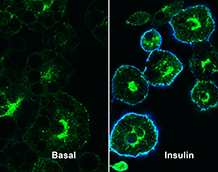
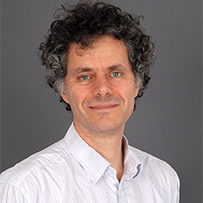
Professor Daniel Ungar is a faculty member in the Department of Biology at the University of York, where he leads the Ungar Lab. His research focuses on the molecular organization of the Golgi apparatus, particularly how vesicle tethering complexes like COG govern glycosylation enzyme localization and glycan biosynthesis. He investigates the mechanistic links between protein trafficking, glycan processing, and physiological outcomes in cellular differentiation and disease.
Ungar's research spans three interconnected domains: molecular mechanisms of Golgi vesicle sorting (especially COG complex interactions with Rabs/golgins/SNAREs), computational modeling of glycan biosynthesis using stochastic simulations and Bayesian fitting, and physiological roles of glycans in processes like mesenchymal stem cell differentiation. His lab developed the filter-aided N-glycan separation (FANGS) method and integrates wet-lab experiments with computational approaches to study how Golgi organization changes alter glycan profiles.
His publication trends reveal strong industrial collaboration in glyco-engineering for biologics production and human milk oligosaccharide synthesis. Recent articles emphasize computational modeling (40% of recent work), industrial applications (30%), and physiological glycan functions (30%), with keywords clustering around Golgi organization, glycan biosynthesis, and systems biology. The work bridges fundamental cell biology with biopharmaceutical applications.
Ungar actively supervises final-year undergraduate projects and integrates students into his research group, providing both computational and experimental training. His teaching philosophy emphasizes adapting to individual learning styles through small-group tutorials focused on organelle biology and glycobiology. The Ungar Lab maintains strong industry partnerships with biologics manufacturers to develop novel glyco-engineering strategies, particularly for therapeutic protein optimization.