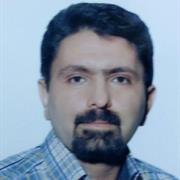
معرفی
Daniel Prajogo is a Professor in the Department of Management at Monash University, Faculty of Business and Economics. His research and teaching focus on quality, operations, supply chain, and innovation management. He has published extensively in top-tier journals and has led numerous funded research projects with industry and international partners.
Education:
- Bachelor of Electrical Engineering, Sepuluh Nopember Institute of Technology, Indonesia
- Master of Quality Management, RMIT University, Australia (Best Graduate Award)
- PhD in Business Management, Monash University, Australia (2003)
His research interests span quality management, operations and supply chain management, innovation, and strategic management, with recent work extending into healthcare systems, sustainability, and biotechnology applications. He has made significant contributions to understanding supply chain resilience, lean implementation, and ethical business practices.
His recent publications reflect a strong trend in interdisciplinary research, bridging operations with healthcare, sustainability, and international development. Themes include crisis response (e.g., pandemic disruptions), innovation in emerging industries (e.g., seaweed biotechnology), and ethical supply chain dynamics. His work often integrates theoretical frameworks with practical industry applications.
Scientific Awards and Recognition:
- Best Graduate Award, RMIT University
- Listed among the top 25 Supply Chain Management scholars in Asia (IJPE, 2018)
Daniel Prajogo has secured multiple research grants from the Australian Research Council and industry bodies such as JAS-ANZ and ISCRR. He actively supervises research students and collaborates internationally, particularly with Indonesian institutions. His current projects focus on strengthening health resilience, sustainable marine biodiversity, and Australia-Indonesia industrial partnerships.
He leads research initiatives that often function as virtual labs or collaborative networks, particularly in the areas of supply chain innovation, healthcare operations, and sustainable development. These involve cross-institutional and cross-border teams, emphasizing real-world impact and policy relevance.