معرفی
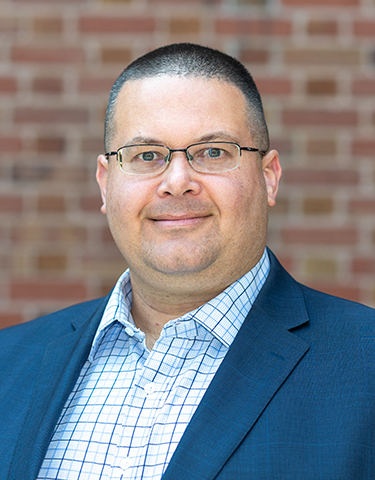
Brandt Klawitter serves as Associate Professor of Church History within the School of Theology, Religion and Philosophy at NLA University College, Bergen. His academic focus centers on Reformation-era ecclesiastical developments, particularly Luther and Melanchthon studies, Lutheran Confessions, and Biblical interpretation frameworks.
His educational trajectory includes a PhD from MF Norwegian School of Theology (2019), Master of Sacred Theology and Master of Divinity from Concordia Seminary (St. Louis), and undergraduate studies at Concordia University (Nebraska). International research experiences feature fellowships at Herzog August Bibliothek (2017), Leibniz Institute of European History (2018-2019), and the International Academy of Apologetics (2018).
Research examines critical intersections of theology, law, and societal structures across medieval and Reformation periods. Primary investigations address Eucharistic practices in early Lutheran communities, gender jurisprudence in canon law, and Genesis 1:28's exegetical evolution. Methodologically grounded in textual analysis of primary sources, his work bridges historical theology and contemporary religious discourse.
Recent publications demonstrate chronological progression from medieval gender studies (2021) to Reformation-era sacramental theology (2022), with foundational work on Genesis interpretation (2019) establishing his scholarly trajectory. These contributions collectively advance understanding of how theological concepts materialized in ecclesiastical governance and social practice.
Award recognitions include:
- Fellow of the International Academy of Apologetics, Evangelism & Human Rights (2018)
- Fellow at Leibniz-Institut für Europäische Geschichte (2018-2019)
- Fellow at Herzog August Bibliothek (2017)
Teaching responsibilities encompass Church History (TEOL303) and Church, State and Society (TEOL203) courses. While current documentation indicates no graduate student supervision, his research fellowships reflect competitive recognition of scholarly potential. Absent information regarding laboratory facilities or large-scale research teams, his academic profile emphasizes individual scholarship within historical theology disciplines.