معرفی
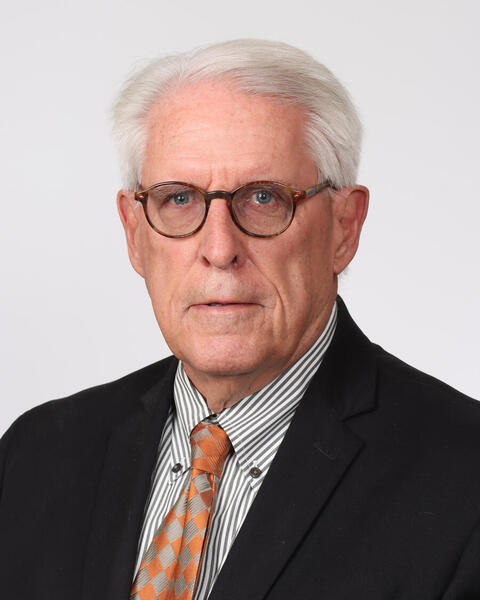
Dr. Andrew Mead is a Faculty Scientist in the Department of Molecular Physiology and Biophysics at the Robert Larner, M.D. College of Medicine, University of Vermont. He joined the faculty in 2020 after serving as a Postdoctoral Fellow and then a Research Associate in the Department of Biology at the University of Vermont from 2012-2020.
Dr. Mead received his B.A. in Liberal Arts from St. John's College, Santa Fe in 2004 and his Ph.D. in Biology from the University of Pennsylvania, Philadelphia in 2012.
Dr. Mead's research focuses on muscle physiology and biophysics, particularly studying how sarcomeres produce force and motion in vertebrate muscles. He uses zebrafish larvae as a model system to investigate muscle mechanics, with emphasis on how mechanical characteristics can be 'tuned.' His current work centers on Myosin Binding Protein C (MyBP-C), an important regulator of cardiac and skeletal muscle function. By expressing various isoforms of MyBP-C in zebrafish, he observes how molecular mechanisms affect intact, living muscle function.
His research spans multiple areas including muscle mechanics, sarcomere function, zebrafish models, swimming muscle physiology, force generation, and motion tuning. Dr. Mead has published research on ultrafast zebrafish larval swimming muscles, muscular dystrophy treatments, synchronous muscle constraints, diaphragm remodeling, and superfast muscles in echolocating bats.
Dr. Mead's laboratory is located in HSRF 115A, where he conducts research on muscle physiology and biophysics using zebrafish models and various muscle mechanics techniques.