معرفی
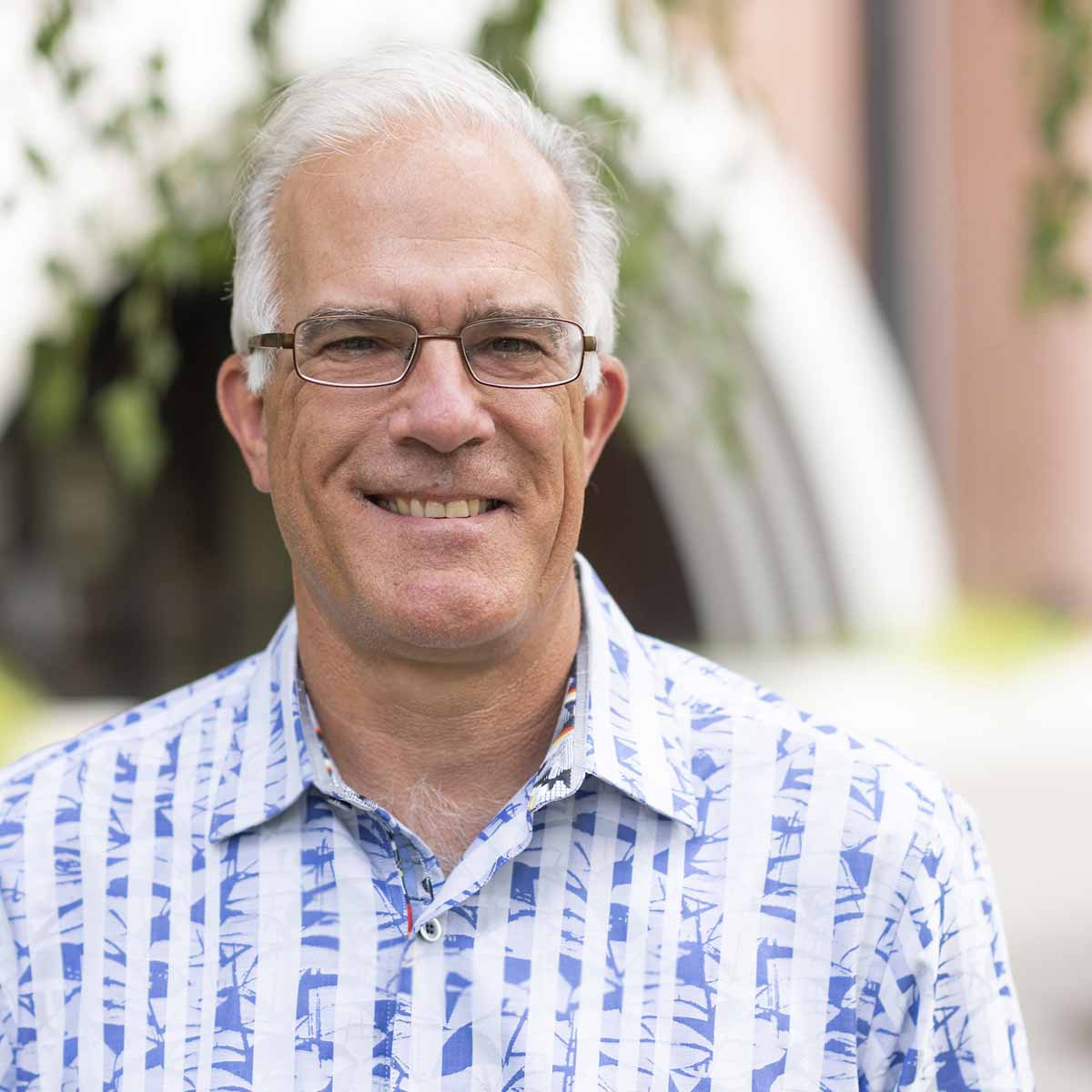
Dr. Mike Previs is an Associate Professor in the Department of Molecular Physiology & Biophysics at the Robert Larner, M.D. College of Medicine, University of Vermont. He received his Ph.D. from the Cell and Molecular Biology Program at the University of Vermont in 2010 and completed his postdoctoral training in the same department before being promoted to Assistant Professor in 2014 and subsequently to Associate Professor.
Dr. Previs's research program focuses on understanding the molecular mechanisms of cardiac muscle function, particularly how myosin binding protein C regulates heart contraction. His laboratory employs advanced techniques including mass spectrometry-based proteomics and single molecule imaging to characterize protein complexes in both healthy and diseased cardiac tissue. His work has demonstrated that myosin binding protein C exerts its functional effects through direct interactions between both the actin- and myosin-based filamentous systems within the sarcomere.
His recent publications reveal an evolving research trajectory from fundamental molecular mechanics to clinical implications for cardiac disease. Analysis of his 15 most recent articles shows a consistent focus on hypertrophic cardiomyopathy mechanisms, with increasing emphasis on proteomic and metabolomic approaches to understand disease pathogenesis. His work bridges basic science with translational applications, particularly in understanding how MYBPC3 gene mutations lead to cardiac dysfunction.
- Research Focus: Cardiac physiology, muscle protein complexes, hypertrophic cardiomyopathy, myosin binding protein C, mass spectrometry proteomics, single molecule imaging
- Current Projects: Examining binding partners involved in regulatory interactions of myosin binding protein C, building complex in vitro models to understand protein function, investigating the molecular basis of heart disease
Dr. Previs maintains an active research program with numerous publications in high-impact journals including Circulation, Proceedings of the National Academy of Sciences, and Journal of General Physiology. His laboratory team includes researchers such as Colleen Kelly and M Zimmermann, working collaboratively to advance knowledge in cardiac molecular physiology.