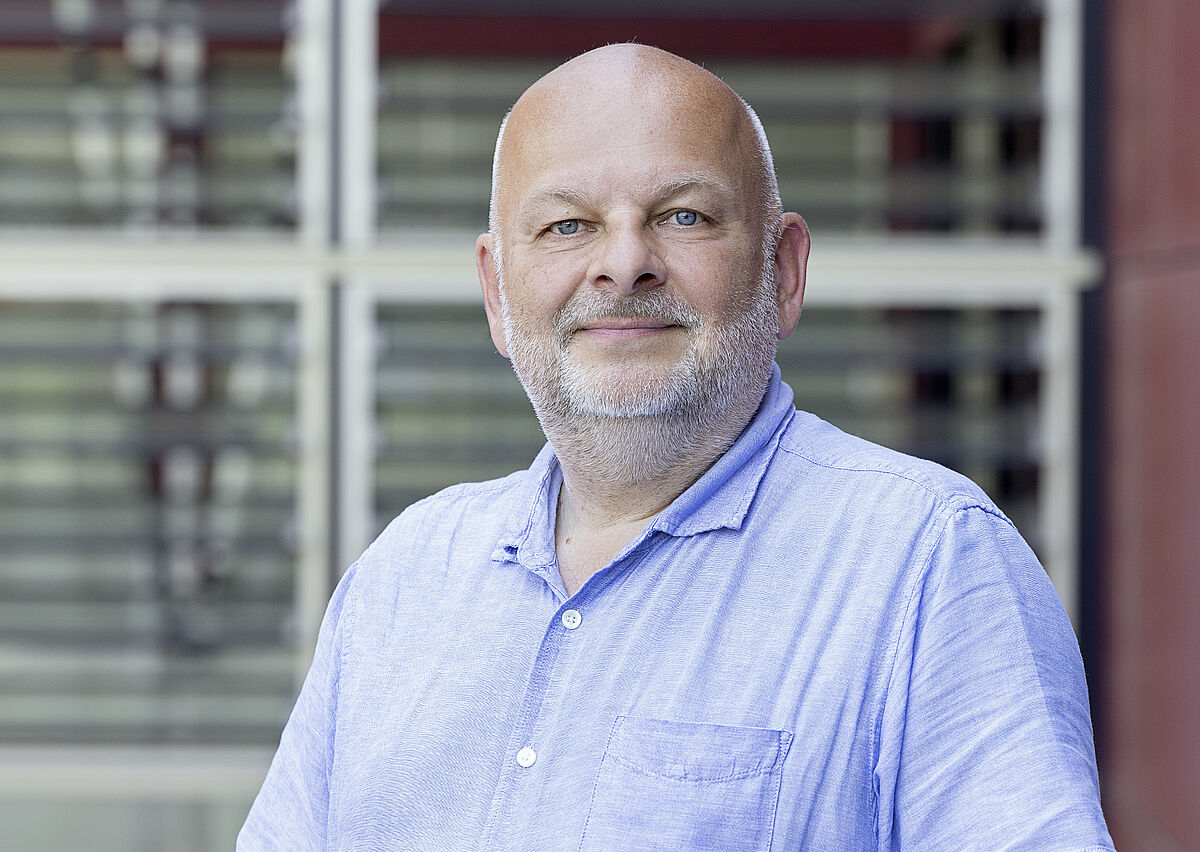
Lutz Hellmigمشاهده پروفایل
پژوهشگر
Lutz Hellmig serves as a researcher at the University of Rostock's Institute of Computer Science within the Faculty of Computer Science and Electrical Engineering. His office is located in Konrad-Zuse-Haus Room 252 at Albert-Einstein-Straße 22, 18059 Rostock. He maintains active roles across multiple university governance bodies including as Senate member of the University of Rostock, Deputy Chair of the Senate Commission for Studies and Teachers, and membership in the Study Commission of both the Faculty of Computer Science and Electrical Engineering and the Institute of Computer Science. Dr. Hellmig's research interests focus on computer science education methodology, particularly the development of structured learning frameworks like his "Using-Analysing-Creating-Embedding" approach. His work significantly contributes to educational standards for computer science in German schools, with active participation in the GI Working Group for Educational Standards in Computer Science for Secondary Schools. He specializes in teacher training programs, blended learning methodologies, and the implementation of computer science curriculum in school systems. Analysis of his publication trends (2006-2021) reveals a consistent focus on practical applications of computer science education, with increasing emphasis on national curriculum development and educational standards. His work bridges theoretical pedagogy with practical classroom implementation, particularly evident in his contributions to establishing computer science as a compulsory subject in German schools. The publications demonstrate methodological innovation in structured learning sequences and teacher professional development. Dr. Hellmig holds significant leadership positions in educational reform initiatives, including membership in the speaker teams for both the Specialist group "Information Technology Education in Mecklenburg-Western Pomerania" and the GI expert committee "Information Technology Education in Schools." His committee work extends to the Center for Teacher Education and Educational Research and the Central Examination Board for Teacher Training. His professional journey began as a graduate teacher of computer science, mathematics, and physics in school service from 1989 to 2008. He transitioned to university-level work in 2006, formally joining the Institute of Computer Science in 2008, and completed his doctorate (Dr. rer. nat.) in 2012 with research focused on mathematics teacher training. His expertise spans both school-level computer science education and higher education teacher development programs.