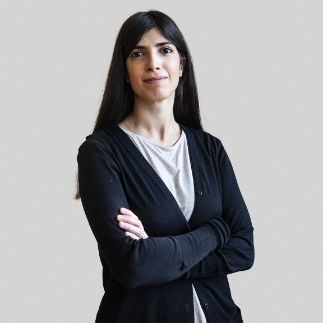
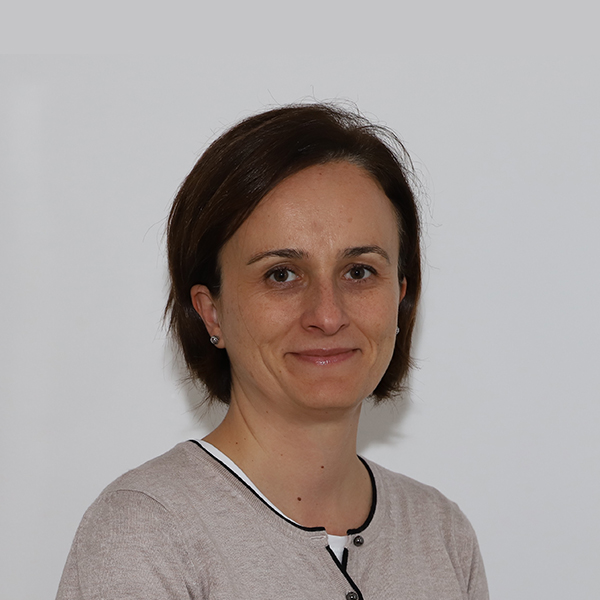
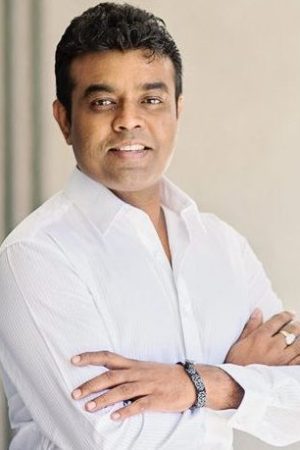
Dr. Elena Criscuolo is a Fixed-term Researcher (RTDa) at the Vita-Salute San Raffaele University in the College of Medicine and Surgery . With a PhD in Molecular Medicine (2016), she specializes in Virology , Immunology , and Antiviral Research , focusing on Herpes Simplex Virus (HSV) antibody responses SARS-CoV-2 entry mechanisms and antiviral drugs Pseudouridylation in host-virus RNA interactions Mucosal immunity evasion HSV/SARS-CoV-2 vaccine development Scientific Awards: La Torretta Award (BCC Milan, 2019) Cecilia Cioffrese Award (Carlo Erba Foundation, 2018) Editorial Roles: Associate Editor, Frontiers in Virology (2024) Associate Editor, Frontiers in Cellular and Infection Microbiology (2023) Editorial Board Member, Microorganisms (2020)
Ehsan Pashay Ahi is a Postdoctoral Researcher at the University of Helsinki within the Faculty of Biological and Environmental Sciences and Organismal and Evolutionary Biology Research Programme . Holding a PhD in Biology from the University of Iceland, his research bridges Genetics, Developmental Biology, Physiology, Ecology, and Evolutionary Biology . PhD, Biology, University of Iceland, Reykjavik His work focuses on: Evolutionary developmental biology (Evo-Devo) Epigenetic regulation (m6A RNA modification) Gene co-expression networks in fish Hippo signaling pathway evolution Environmental adaptation mechanisms Phenotypic diversity in cichlids Recent publications (2023-2025) examine: Sex-specific maturation timing in Atlantic salmon Carotenoid-based color evolution Environmental RNA research beyond mRNA Leptin signaling in zebrafish reproduction Scientific contributions include: European Research Council (ERC) funded project (2023-2027) on life-history genes in fishes Collaborative studies with teams across Finland, Austria, and Iceland Research trends highlight cross-disciplinary integration of: Transcriptomics Epigenetics Gene regulatory networks Comparative physiology Ecological adaptation Developmental pathway evolution
Jordan L. Meier is a Senior Investigator at the National Cancer Institute (NCI), leading the Epigenetics and Metabolism Section in the Chemical Biology Laboratory. His research bridges chemical biology, epigenetics, and cancer metabolism, focusing on how metabolic states influence epigenetic signaling and developing chemical tools for cancer therapy and diagnostics. Education: B.S. in Chemistry from Creighton University (2004); Ph.D. in Chemistry from University of California-San Diego (2009); Postdoctoral work at California Institute of Technology under Peter B. Dervan. Dr. Meier’s work highlights three key areas: (1) Metabolic regulation of epigenetic signaling , exploring how metabolites like Acyl-CoA cofactors modulate chromatin-modifying enzymes; (2) Non-enzymatic acylation mechanisms , such as using thioester reactivity to map lysine acetylation in cancer; and (3) Oncometabolite detection , including the development of fluorescent probes for fumarate and a public chemoproteomic database. His publications span chemoproteomics , RNA modifications , and metabolic-epigenetic interactions , with applications in diagnostics and therapeutic development. Awards include an American Cancer Society Postdoctoral Fellowship. Students/Trainees: Xuemin Chen, Thu Chu, Shereen Howpay Manage, Richard Mitchell, Minervo Perez, Supuni Thalalla Gamage, Ying Xiong, McKenna Crawford, Jared A. Grooms, Manini Penikalapati, Joycelyn Williams. Alumni: David Montgomery, Rhushi Kulkarni, Jonathan Shrimp, Thomas Zengeya, Wilson Sinclair, Julie Garlick, Abbey Thorpe, Sarah Bergholtz, Chloe Briney, Jeff Lopez, Justin Thomas. Email: jordan.meier@nih.gov .
Anna Sherwood is an Assistant Professor in the Department of Biology at the University of Copenhagen, specializing in Computational and RNA Biology. She holds a PhD in Molecular, Cellular and Developmental Biology from Ohio State University (awarded 2015), where her thesis focused on T-box riboswitch gene regulation in Actinobacteria. Her research bridges RNA biology , virology , and plant genetics , with emphasis on RNA modifications (e.g., m6A), viral RNA mechanisms (HCV), spliceosome dynamics, and riboswitch-mediated gene regulation. She employs cutting-edge methods like nanopore direct RNA sequencing and computational genomics. Publications (2016–2023) reveal consistent themes: RNA epitranscriptomics in plants/viruses, spliceosomal regulation, and evolutionary genetics of crops. Noteworthy articles include a 2023 Nature study on HCV RNA capping and a 2022 Nature Communications paper on yam chromosome evolution. No awards, students, or grants are detailed in available sources.
Cheng-Ming Chiang is a Professor in the Department of Biochemistry at UT Southwestern Medical Center. He earned his B.S. from National Taiwan University and his Ph.D. from the University of Rochester, followed by postdoctoral training at Rockefeller University. His research focuses on transcription, chromatin regulation, and molecular virology, particularly studying HPV-induced cancers and therapeutic compound development. He has held faculty positions at the University of Illinois and Case Western Reserve University before joining UT Southwestern in 2007. Education: B.S., Agricultural Chemistry, National Taiwan University (1984); Ph.D., Biochemistry, University of Rochester (1991). Postdoctoral work with Robert Roeder at Rockefeller University. Research Interests: Transcriptional mechanisms, chromatin dynamics, post-translational modifications (e.g., SUMOylation), HPV biology, and cancer therapeutics. His lab investigates BRD4's role in cancer progression, viral lifecycle, and epigenetic regulation. Publications: Over 40 articles, including studies on BRD4 isoforms in tumor metastasis, HPV circular RNA's oncogenic role, and BET inhibitor efficacy in breast cancer. His work bridges basic science and translational medicine. Awards: 1996 Pew Scholar in the Biomedical Sciences. Grants: NIH grants (e.g., R01 CA059655, P30 CA142543) and support from Burroughs Wellcome Fund. Labs/Teams: Chiang Lab at UT Southwestern, focusing on transcription and HPV biology. His research has significant implications for understanding cancer mechanisms and developing targeted therapies through epigenetic modulation and viral lifecycle inhibition.
Alessandro Quattrone is a Full Professor at the Department of Cellular, Computational and Integrative Biology (CIBIO), University of Trento. His research focuses on translational control mechanisms in diseases such as cancer and neurodegenerative disorders, leveraging expertise in RNA biology, tumor genetics, and neurobiology. He leads courses on molecular disease mechanisms and translational control, emphasizing genomic contributions to complex disorders and therapeutic strategies. Research interests include mRNA translation regulation, RNA-protein interactions, and the application of cutting-edge technologies like ribosome profiling and extracellular vesicle analysis. His work spans from basic molecular mechanisms to translational applications, including drug development targeting epitranscriptomic machinery and personalized medicine approaches for neuroblastoma. Recent articles highlight advancements in understanding m6A-driven tumor progression, therapeutic modulation of RNA-binding proteins, and diagnostic tools for RNA detection. His studies often intersect cancer biology, neurobiology, and systems biology, with implications for novel therapies and biomarker discovery. No scientific awards or grants are explicitly mentioned in the provided data. Teaching responsibilities include collaborative roles in interdisciplinary courses integrating molecular biology, immunology, and computational methods.
Alessandro Provenzani is a Full Professor at the Department of Cellular, Computational, and Integrative Biology (CIBIO) at the University of Trento. His research focuses on molecular mechanisms underlying cancer biology, neurodegenerative diseases, and translational control of gene expression. He is particularly interested in RNA-binding proteins such as HuR and their roles in cancer metabolism, drug resistance, and stem cell biology. Provenzani teaches courses including Biology applied to Biotechnology , Cell biology , and Translational Control in Disease , emphasizing stem cell biology, cellular differentiation, and experimental methodologies. His work integrates molecular biology, pharmacology, and systems biology approaches to address translational challenges in cancer and neurodegenerative disorders. Key research themes include: RNA-binding proteins in cancer progression and therapy resistance Metabolic reprogramming in tumors (e.g., NAMPT enzyme roles) Design of small molecules targeting protein-RNA interactions Role of non-canonical translation initiation in disease Recent studies highlight development of HuR inhibitors, modulation of autophagy pathways, and analysis of C9orf72 repeat expansions in ALS/FTD. His lab utilizes advanced techniques like high-throughput screening, CRISPR-based assays, and metabolic profiling.
Zhi Wei is a Distinguished Professor of Computer Science at the New Jersey Institute of Technology (NJIT). His research integrates computational methods with biological data to address challenges in cancer genomics, immune system modeling, and drug interaction prediction. He holds a Ph.D. in Bioinformatics from the University of Pennsylvania (2008), M.S. in Computer Science from Rutgers University (2004), and B.S. in Computer Science from Wuhan University (2000). Key research interests include single-cell analysis, multi-omic data integration, machine learning applications in genomics, and viral oncogenesis mechanisms. His work has led to tools like GigaAssay for high-throughput mutagenesis assays and MONTAGE for detecting mosaic copy number variations. Current projects focus on tumor heterogeneity, immune checkpoint blockade therapies, and AI-driven game strategy optimization. Publications emphasize computational methodologies (e.g., scDILT framework for single-cell data integration) and translational research in cancer immunotherapy response prediction. He has advised numerous interdisciplinary studies but no specific student names listed. Funding and grants focus on NIH-supported projects in genomic medicine and bioinformatics. Laboratory work involves collaborations with medical institutions to translate computational findings into clinical applications, particularly in melanoma and glioma therapies. His lab develops open-source tools for processing spatial transcriptomics and virome analysis in oncology.
Ayşe Elif Erson Bensan is a Professor at the Department of Biological Sciences, Middle East Technical University (METU), Ankara, Turkey. Her academic journey includes a B.Sc. from METU's Biological Sciences Department (1993-1997), followed by M.Sc. (1998-2001) and Ph.D. (2001-2004) degrees in Human Genetics from the University of Michigan, Ann Arbor, USA. Her research focuses on breast cancer mechanisms, particularly investigating mRNA 3' untranslated regions (3'UTRs) and their roles in cancer progression. Key areas include alternative polyadenylation, microRNA interactions, non-coding RNA functions, and RNA editing events in cancer contexts. Her laboratory's work aims to uncover novel cancer genes and therapeutic targets through transcriptomic analysis. Selected recent publications highlight advancements in understanding RNA biology's role in cancer, including studies on PD-L1 isoforms in immunotherapy, differential 3'UTR expression in gynecological cancers, and ADAR1-driven RNA editing effects. Her research bridges fundamental biology with clinical applications in cancer diagnostics and treatment strategies. Contact: erson@metu.edu.tr | Office: 141 | Lab Website: bclab-bio.metu.edu.tr
Dr. Kausik Chakrabarti is an Associate Professor in the Department of Biological Sciences at the University of North Carolina at Charlotte (UNC Charlotte), part of the College of Liberal Arts & Sciences. His research focuses on RNA biology, particularly the role of RNA in genome regulation, with emphasis on parasitic pathogens like Plasmodium falciparum (malaria) and Trypanosoma brucei (sleeping sickness), as well as human cancers. His lab investigates RNA-protein interactions, telomerase dynamics, and post-transcriptional gene regulation. Dr. Chakrabarti’s lab is actively recruiting students for Master’s and Ph.D. programs in Biological Sciences, as well as undergraduate honors thesis candidates through the University Honors Program. Requirements include a strong academic record and coursework in biological sciences. His lab emphasizes hands-on research training and has recently seen student achievements, including awards at the RRM 2024 conference and the Biomedical Research Symposium. His work spans molecular mechanisms of RNA modifications, mRNA processing, and the structural biology of telomerase. Collaborative projects include studying telomerase regulation in deep-branching eukaryotes and developing RNA-SHAPE analysis tools. Dr. Chakrabarti’s research bridges fundamental biology with translational applications in infectious diseases and cancer.
Wendy V. Gilbert, PhD, is the Maxine F. Singer '57 Professor of Molecular Biophysics and Biochemistry at Yale School of Medicine. Her research focuses on RNA regulatory elements controlling mRNA biogenesis, translation, and decay, with recent emphasis on RNA base modifications. She leads the Gilbert Lab, which has made landmark contributions including identifying mRNA modification defects' effects on ribosome function, discovering RACK1's role in mRNA translation efficiency, and pioneering methods to study RNA modifications. Education: AB in Molecular Biology, Princeton University PhD in Biochemistry, University of California, San Francisco (UCSF) Postdoc at UC Berkeley under Jennifer Doudna Research Interests: Her work spans RNA structure-function relationships, translational control mechanisms, and the role of RNA modifications like pseudouridylation in health and disease. The lab employs advanced sequencing techniques and bioinformatics to map modifications and study their biological impacts. Publications: Over 20 peer-reviewed articles since 2001, including high-impact studies in Nature , Science , and Molecular Cell . Recent work emphasizes translational regulation, mRNA modification detection challenges, and therapeutic applications of modified mRNAs. Awards: RNA Society Early Career Award (2017) RNA Society Inclusive Leadership Award (2023) Yale Poorvu Prize for Academic Innovation (2020) Lab & Collaborations: Affiliated with Yale Cancer Center, Genomics/Epigenetics programs, and the Center for RNA Science and Medicine. Collaborates widely, including with Carson Thoreen (Yale) and international teams in RNA research.
Niko Popitsch is a researcher at the Max Perutz Labs, affiliated with the Department of Biochemistry and Cell Biology at the University of Vienna and Medical University of Vienna. He holds academic credentials including Dipl.-Ing. (Diplom-Ingenieur), Mag. (Magister), and Dr.techn. (Doctor of Technical Sciences). His research focuses on RNA biology, transcriptomics, and computational genomics, with a particular emphasis on RNA processing mechanisms, genome sequencing applications, and bioinformatics tool development. Key contributions include the Rnalib Python library for transcriptomics analysis and studies on RNA exosome function and immune signaling pathways. Popitsch's work spans diverse areas such as structural genomics, non-coding variants in rare diseases, and epigenetic regulation in neurons. He collaborates internationally on projects involving whole-genome sequencing diagnostics and the development of computational tools for genomic data analysis. Over 55 publications since 2008 highlight his prolific output in molecular biology, bioinformatics, and medical genetics. Awards and grants are not explicitly listed in the provided materials. His research contributes to UN Sustainable Development Goals related to health and innovation, particularly through advancements in genomic diagnostics and understanding genetic disorders. Advising activities and lab leadership are inferred from his role in collaborative research projects but specific student names or lab details remain unspecified.
Stefan Ameres is a full Professor at the Max Perutz Labs, affiliated with the Department of Biochemistry and Cell Biology. His research focuses on RNA biology, particularly microRNA biogenesis, RNA silencing mechanisms, and transcriptome dynamics. He holds significant roles including Vice Dean at Max Perutz Labs since 2024. Key research interests include RNA processing pathways, epitranscriptomics, and the role of non-coding RNAs in cellular regulation. He has pioneered methods like SLAMseq and Rnalib for transcriptomics analysis, and contributed to understanding RNA exosome function and post-transcriptional regulation. Awards: DOC Award of the City of Vienna (2008) Elected Member of the Austrian Academy of Sciences (Young Academy) (2015) Diploma Award for academic excellence (2003) Recent work highlights include studies on ERH-mediated interferon signaling, RNA exosome assembly, and development of open-source diagnostic assays. His lab actively collaborates on projects like RiboTrace (RNA silencing dynamics) and RNAdeco (RNA decoration technologies). Activities include organizing Microsymposium on RNA Biology and serving in academic leadership roles.
Xinshu Grace Xiao is a Professor in the Department of Integrative Biology and Physiology at the University of California, Los Angeles (UCLA), part of the College of Letters and Science. Her research focuses on RNA editing, alternative splicing, and genetic variants in post-transcriptional regulation, with applications to neurological disorders like Alzheimer's Disease and schizophrenia, as well as cancer biology. Education: She earned a PhD in Health Sciences and Technology from the Massachusetts Institute of Technology (MIT) in 2004. Research Overview Xiao's work combines computational and experimental approaches to study RNA processing mechanisms. Key areas include: - RNA editing dysregulation in schizophrenia and its mitochondrial consequences. - Genetic variants in 3' UTR regions impacting cancer driver gene expression. - Regulation of dsRNA derived from retrotransposable elements in Alzheimer's Disease. - Development of tools like L-GIREMI and dsRID for RNA analysis. Grants & Funding As Principal Investigator, she leads NIH-funded projects including: - Regulation and function of dsRNAs in AD (R01AG078950). - Cancer-RNA editing relationships (R01CA262686). - Alzheimer's-related 3' UTR variants (R01AG075206). Labs & Teams Her Xiao Lab at UCLA develops computational tools and conducts experimental studies on RNA processing in health and disease. Collaborations include work with the Geschwind Lab and others in neurogenetics and cancer biology.
Knut Tomas Dalen is a Professor at the Department of Nutrition, Faculty of Medicine, University of Oslo . He leads the Norwegian Transgenic Center (NTS) since 2013, focusing on genetically modified animal models for metabolic disease research. Education : PhD in Molecular Nutrition (2005, UiO); Biochemistry Candidatus Scientiarum (1999, UiO); Chemical Engineering (1995, Østfold University College) His research bridges molecular nutrition and lipid droplet biology , with key interests in transcriptional regulation via nuclear receptors, genetic engineering of animal models, and lifestyle diseases such as type 2 diabetes and cardiovascular disorders. Recent work explores lipid droplet dynamics in diabetes, obesity, and cancer. Scientific output spans 15+ peer-reviewed articles annually, covering topics like PLIN protein function , RNA modifications in development, and environmental risk assessments for transgenic salmon. Collaborations include institutions in Norway, Sweden, and the US NIH. Key Awards : Throne Holst Foundation Manuscript Awards (2014, 2018); NIH Research Fellowships (2005) He contributes to educational programs (ERN1010, ERN3200) and regulatory frameworks for genome-edited organisms. Current projects include Dietary prevention of cholesterol-induced trained immunity and NutriFrail , linking nutrition to chronic disease mechanisms.