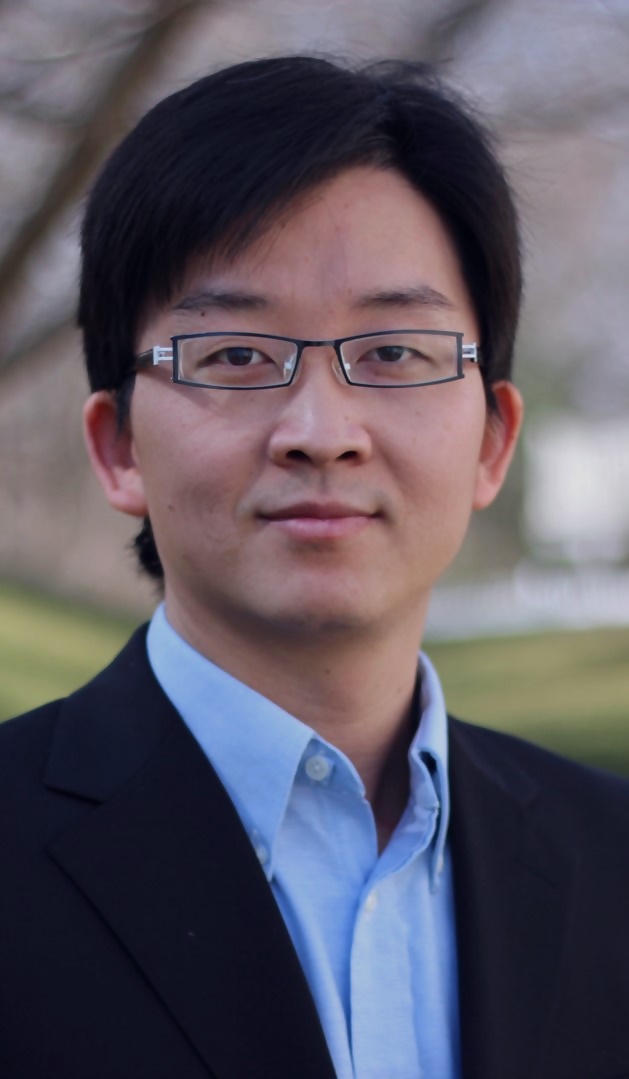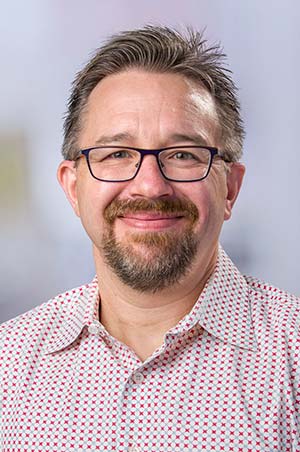
Patrick Paddison is a Professor in the Human Biology Division at Fred Hutchinson Cancer Center, where he leads the Paddison Lab. His research employs cutting-edge genetic techniques, including CRISPR-Cas9 and RNAi, to investigate stem cell biology and cancer, with a particular focus on cancer stem cells in glioblastoma and the role of epigenetics and epitranscriptomics in development and disease. His educational background includes a PhD in Biological Sciences from Cold Spring Harbor Laboratory (2004) and dual bachelor's degrees in Psychology and Molecular Biology and Genetics from The Evergreen State College (1996). Dr. Paddison's research centers on functional genomics to dissect gene networks in stem and progenitor cells. His lab uses genome-wide screening to identify genes critical for stem cell self-renewal, differentiation, and survival, with applications in cancer therapy. Key areas include: Cancer stem cell biology, particularly quiescent states in glioblastoma Epigenetic and epitranscriptomic regulation (e.g., N6-adenosine methylation in erythropoiesis) Protein domain annotation via CRISPR tiling mutagenesis Developmental transitions in embryonic and somatic stem cells Analysis of his recent publications reveals a shift from RNAi-based methods to CRISPR-Cas9, with a sustained focus on cancer stem cells and the molecular mechanisms underlying developmental processes. His work increasingly integrates single-cell technologies and patient-derived models to address therapeutic resistance. Dr. Paddison mentors graduate students and postdoctoral fellows in his lab, fostering expertise in functional genomics and genome editing. While specific grant details are not provided, his extensive publication record indicates sustained funding for innovative research in cancer biology and stem cell science. The Paddison Lab is a dynamic research environment that combines high-throughput screening, molecular biology, and computational analysis to uncover fundamental biological mechanisms with translational potential in oncology.