- Molecular Virology
- RNA Biology
- Epitranscriptomics
- +۱۰ مورد دیگر
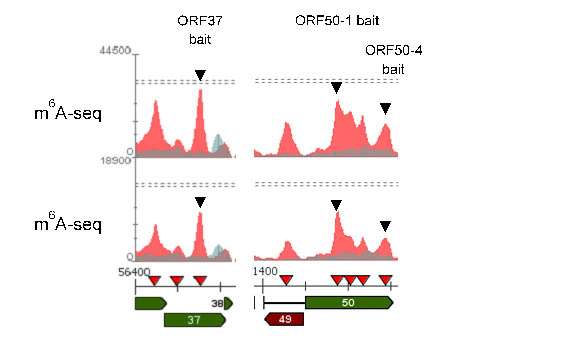
Professor Ade Whitehouse is a leading researcher in molecular virology at the University of Leeds, Faculty of Biological Sciences, within the School of Molecular and Cellular Biology. His research focuses on understanding how oncogenic viruses such as Kaposi's sarcoma-associated herpesvirus (KSHV) and Merkel cell polyomavirus (MCPyV) hijack host cell machinery to replicate and drive carcinogenesis. His research interests include: Role of RNA modifications (especially m6A methylation) in viral infection Virus-induced specialized ribosomes and translational control Manipulation of non-coding RNA (ncRNA) regulatory networks by viruses Development of novel antiviral strategies through structural-based rational drug design His lab employs cutting-edge transcriptomic and quantitative proteomic approaches to identify critical virus-host interactions as targets for therapeutic intervention. Although vaccines for some oncogenic viruses exist, none are available for KSHV and MCPyV, making his work on novel antiviral compounds particularly significant. The trends in his research—spanning RNA biology, epitranscriptomics, and translational regulation—reflect a strong interdisciplinary focus on molecular mechanisms of viral pathogenesis and innovative therapeutic development. He has not listed any scientific awards in the provided text. Professor Whitehouse advises research students and leads a dynamic research group, though specific names of students are not mentioned. His team utilizes virtual high-throughput screening and molecular modeling to design small-molecule inhibitors targeting essential virus-host interactions. Grants or funding sources are not specified, but the scope of his research implies substantial external support. The Whitehouse laboratory is actively involved in elucidating complex regulatory networks involving RNA modifications and ribosome specialization during viral infection, positioning it at the forefront of molecular virology and RNA-based disease mechanisms.