Tommy Voمشاهده پروفایل
استادیار
- Epigenetics
- Molecular Biology
- Genetics
- +۳ مورد دیگر
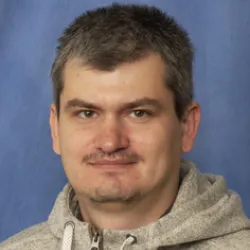
Dr. Tommy Vo serves as Assistant Professor in the Department of Biochemistry & Molecular Biology at Michigan State University, with faculty appointments in the Genetics & Genome Sciences Program, BioMolecular Science Gateway, and Cell & Molecular Biology Program. His research investigates epigenetic mechanisms in Schizosaccharomyces pombe to uncover conserved regulatory principles applicable to higher organisms. His educational background includes a Ph.D. from Cornell University (2016) and B.S. from State University of New York at Binghamton (2010), followed by postdoctoral training at the National Cancer Institute (2016-2021). Research focuses on epigenetic adaptation through heterochromatin dynamics and RNAi pathways, employing genetic, biochemical, and bioinformatic approaches. The lab pioneers humanized yeast models to study human gene functions in tractable systems, bridging fundamental mechanisms with disease relevance. Current projects explore conserved epigenetic factors and their roles in cellular adaptation under stress. Publication trends reveal deep specialization in yeast epigenetics (75% of recent work), with emerging interdisciplinary collaborations in cancer biology and large-scale epidemiology (e.g., Global Vaccine Data Network studies). Core themes emphasize RNA-mediated chromatin regulation and evolutionarily conserved silencing mechanisms. Scientific recognition includes: NIGMS Postdoctoral Research Associate Training (PRAT) Fellowship (2017-2020) Dr. Vo recruits Ph.D. students exclusively through MSU's BioMolecular Sciences umbrella program, with non-degree trainees joining via the Biochemistry Research Trainee Program (domestic) or Visiting Scholars Program (international). Summer research opportunities are available for high school and undergraduate students through direct application by March/April. The lab emphasizes structured mentorship and community engagement in scientific training. The Vo Lab operates from Room 410B (603 Wilson Rd, East Lansing) with active collaborations across MSU's graduate programs, including Reproductive and Developmental Sciences. Current efforts focus on translating yeast epigenetic discoveries to human disease contexts through engineered model systems.