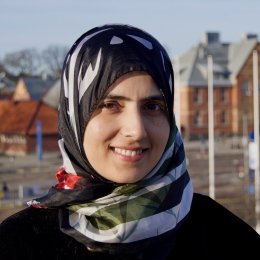
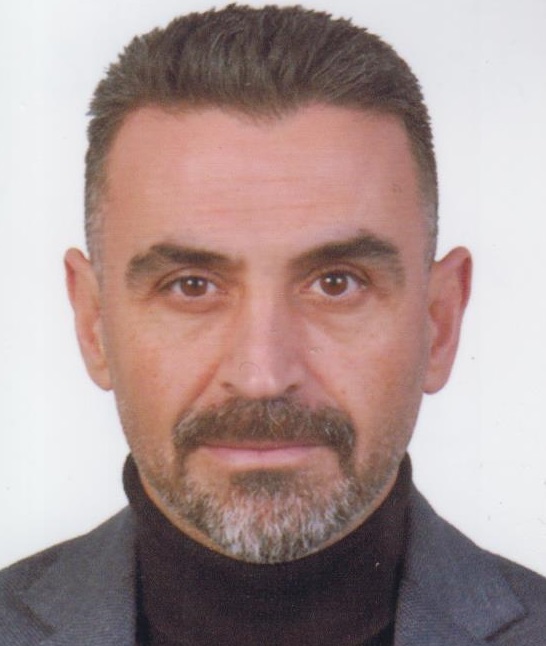
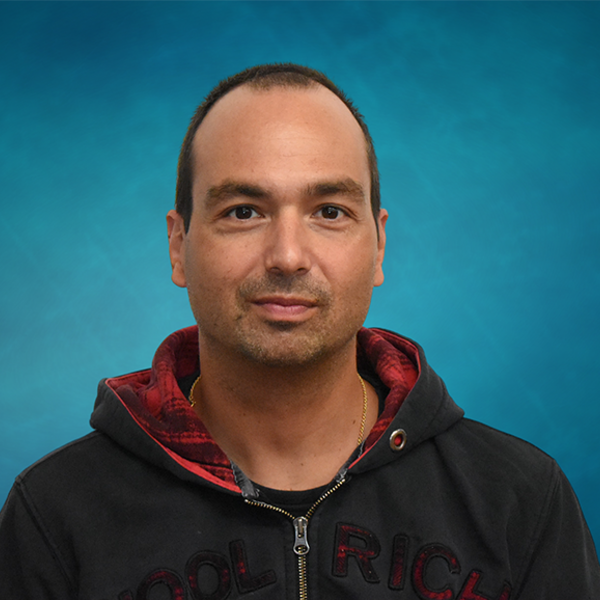
Auriba Raza is a researcher at the Department of Psychology , Stockholm University , working within the Division for Epidemiology at the Stress Research Institute . She holds a PhD in Environmental Epidemiology from Karolinska Institutet and completed postdoctoral training at both Stockholm University and Karolinska Institutet . Her research focuses on the impact of environmental factors on mental health and health behaviors, particularly examining how climate change , daylight exposure , and workplace/home environments affect the Swedish and Finnish working populations. She specializes in register-based data analysis and longitudinal survey research . Current project: Climate change effects on mental health in Scandinavia (funded by FORMAS ). Prior project: Environmental characteristics of home/workplace locations and their health behavior associations (funded by FORTE ). Her work involves collaborations with Finnish Institute for Health and Welfare , Swedish Meteorological and Hydrological Institute , and Finnish Meteorological Institute . She has published extensively on topics including climate change and mental health , workplace environment impact on health behaviors , and environmental determinants of physical activity .
Stefan C. Wolter serves as Titular Professor for Economics of Education at the University of Bern's Economics Department and has been Director of the Swiss Coordination Centre for Research in Education (SKBF|CSRE) in Aarau since 1999. He also holds positions as Co-Director of the Leading House on Economics of Education, Firm Behaviour and Training Policies (with Prof. U. Backes-Gellner, University of Zurich) since 2005, Research Fellow of IZA Bonn since 2000, and Research Fellow of CESifo in Munich since 2003. His academic journey includes guest professorships at the University of Basel (since 2015), University of Fribourg (2011), and University of Trier (2003), along with visiting researcher positions at Harvard Graduate School of Education (2012) and CESifo Munich (2008). Wolter's research interests center on the economics of education, with particular focus on vocational education and training systems, labor market policy, apprenticeship training, and educational economics. His work examines how educational systems interact with labor markets, the economic returns to different forms of education, and policy implications for educational systems. He has conducted extensive comparative research on vocational training systems across countries, with special attention to the Swiss dual education system. His publication record shows a clear evolution from foundational work on labor economics and education financing toward contemporary issues including AI's impact on occupational choices, gender disparities in career paths, and the effects of digital transformation on education systems. Recent publications increasingly address how technological change, demographic shifts, and social norms influence educational and career trajectories. Co-Director, Leading House on Economics of Education (2005-present) Research Fellow, IZA Bonn (2000-present) Research Fellow, CESifo Munich (2003-present) Editor-in-Chief, Empirical Research in Vocational Education and Training (2009-present) Wolter has secured significant research funding through his leadership roles in major research initiatives and has advised numerous governmental bodies including the OECD, where he served on the Governing Board of the Centre for Educational Research and Innovation (CERI) since 1999. His work bridges academic research and policy implementation, particularly in vocational education reform. He leads the Centre for Research in Economics of Education at the University of Bern, which conducts interdisciplinary research on education systems, labor market outcomes, and policy evaluation. The center collaborates with international research institutions and regularly contributes to policy discussions at national and international levels.
Claudio Sassanelli is Assistant Professor of Industrial Mechanical Plants (ING-IND/17) at the Polytechnic University of Bari, Italy, within the Department of Mechanics, Mathematics & Management. His recent scholarly output focuses on the intersection of circular economy, digital transformation and sustainable manufacturing. Research interests revolve around: Circular Economy performance measurement and rebound-effect mitigation Industry 4.0/5.0 technologies (digital twins, IoT, CPS) for servitized manufacturing Green finance instruments supporting eco-innovation in SMEs Technology-enhanced educational frameworks for sustainability upskilling Across 2023-2025 his publications exhibit a clear trend: systematic literature reviews are used to identify gaps, followed by the proposal of maturity models, readiness frameworks and competency maps that guide companies and policy makers toward data-driven, human-centric and environmentally sound industrial systems. Scientific awards & recognitions: none mentioned in the supplied material. Advising & Grants: no supervised students or funded projects are listed in the source. Labs & Teams: no dedicated laboratory or research group description is provided.
Aaron Schat serves as Associate Professor and Associate Dean of Undergraduate Studies at McMaster University's DeGroote School of Business within the Department of Human Resources and Management. His academic career centers on promoting workplace dignity through rigorous research and education in organizational behavior. Schat's research program investigates workplace aggression, work-related stress, and employee well-being with particular focus on customer service contexts. He examines how incivility affects workers' psychological health, explores covert revenge behaviors against abusive customers, and analyzes blameworthiness attribution in service interactions. His work bridges industrial-organizational psychology with practical business applications, emphasizing that "employees deserve to be treated with civility and dignity" regardless of customer demands. Analysis of his publication trends reveals consistent focus on aggression typology and its organizational consequences. Recent work employs person-oriented approaches to understand individual differences in aggression exposure, while earlier research established foundational knowledge about workplace aggression prevalence and intervention strategies. His scholarship consistently connects micro-level interactions to macro-level organizational health outcomes. As an educator, Schat trains future business leaders in human resources management, with students frequently reporting years later how his teachings helped navigate workplace conflicts. He currently collaborates with PhD candidates on peer support mechanisms for service workers handling difficult customer interactions, demonstrating his commitment to translating research into practical organizational solutions.
Mehmet Bardakçı is a Professor in the Department of Foreign Languages Education at Gaziantep University's Education Faculty. With a PhD in English Education (2010) and MA in English Teaching (2005) from Turkish universities, he specializes in English Language Teaching (ELT), vocabulary acquisition, and digital pedagogy. His research examines teacher professional development, assessment literacy, and intercultural sensitivity in language learning. Education: PhD (2010), MA (2005), BA (2000) in English Education Leadership: Former Dean Assistant (2018-2020), Department Head (2012-2013), Institute Deputy Director (2015-2018) Research Trends include e-learning models like e-FLIP (2021-2023) and digital education tools. His 21 peer-reviewed articles and 14 book chapters focus on vocabulary depth/breadth, grammar instruction, and teacher-student dynamics. Supervision spans 19 graduate theses on topics ranging from flipped classroom effectiveness to assessment literacy. He collaborates internationally through projects like e-FLIP and ExBEdu , both EU-funded initiatives completed between 2021-2023.
Prof. Dr. Andrea C. Schmid ist Inhaberin des Lehrstuhls für Inklusive Unterrichtsforschung mit Schwerpunkt Lernen an der Faculty of Education der Universität Erfurt. Sie ist Mitglied des Universitätsrats, Forschungsfellow am Max-Weber-Kolleg für interdisziplinäre Grundlagenforschung, sowie Leiterin des Fröbel-Forschungszentrums. Ihre akademischen Tätigkeiten umfassen die Leitung des Masterstudiengangs Fö (Gesundheitsmanagement in der Sonderpädagogik) und die Mitwirkung in diversen Forschungsgruppen, Ausschüssen und als Gutachterin. Vorsitzende des Internationalen Fröbel-Gesellschaft (IFS-D) Vizepräsidentin der Internationalen Fröbel-Gesellschaft (IFS) Mitglied der Deutschen Gesellschaft für Erziehungswissenschaft (DGfE) Ihre Forschungsschwerpunkte liegen in der inklusive Schulentwicklung , Fröbelpädagogik in inklusiven Kontexten , Gesundheitsforschung in der Sonderpädagogik , individuelle Lernförderung sowie beratende Pädagogik . Die Publikationen der letzten Jahre spiegeln diese Interessen wider, mit Fokus auf Fröbel's Erbe, Resonanzpädagogik, Gesundheitsdidaktik und Peer-Beratung in der Sonderpädagogik. Ihre aktuellen Projekte umfassen die Entwicklung von Konzepten zur gesundheitsfördernden Inklusion , die Erforschung ästhetischer und rationaler Aspekte in der Sonderpädagogik, sowie die empirische Analyse von Behinderungskonzepten in der Lehrerbildung. Prof. Schmid engagiert sich auch in der internationalen Diskussion zu Sonderpädagogik-Standards im Rahmen der UN-Behindertenrechtskonvention.
Keffrelyn D. Brown is a Professor of Curriculum & Instruction at the University of Texas at Austin's College of Liberal Arts. She holds affiliate appointments with the Center for African and African American Studies, the Center for Women's and Gender Studies, and the John L. Warfield Center for African and African American Studies. Her research examines how educators engage with sociocultural knowledge to address systemic inequities, particularly for Black students. Her work appears in Educational Researcher , Teachers College Record , and multiple education handbooks. She co-founded the Center for Innovation in Race, Teaching, and Curriculum with Anthony Brown and serves on editorial boards for journals like Urban Education and Teaching and Teacher Education . Brown's scholarship interrogates antiblackness in education, curriculum design, and the emotional dimensions of teaching. Recent publications focus on: Racial justice frameworks in teacher education Antiracist curriculum development Historical discourse on race Black intellectual traditions Equity-centered leadership models Scientific recognition includes: AERA Division K Mid-career Award (2017) Regent’s Outstanding Teaching Award (2012) Provost's Teaching Fellows (2017) Academy of Distinguished Teaching (2019) Multiple foundation fellowships Dr. Brown teaches courses like Sociocultural Influences on Learning and Teachers in Popular Culture , working to transform educational practices through critical race analysis and culturally responsive pedagogy.
Stephanie Kelly is an Assistant Clinical Professor at the University of Arizona, affiliated with the Nursing & Health Education Division and the BSN-IH Program. Her research focuses on mental health, health behaviors, and mHealth interventions for nursing students and adolescents. Academic Rank: Assistant Clinical Professor University: University of Arizona Department: Nursing & Health Education Division, BSN-IH Program Her work emphasizes cognitive-behavioral therapy, self-care practices, and the development of healthy lifestyle interventions for adolescents and healthcare professionals. She has contributed to systematic reviews on mHealth apps, cyberbullying, and obesity prevention. Recent publications highlight trends in digital health tools for nurse well-being, behavioral skills training, and intergenerational health promotion through the COPE program. Articles span from 2025 to 2014, covering topics such as mental health, adolescent lifestyle behaviors, and workplace wellness. Contact: stephaniekelly@arizona.edu
Julie Larochelle-Audet is an Associate Professor in the Department of Educational Administration and Foundations at the Faculty of Education, Université de Montréal. Her academic journey began with a Political Science undergraduate degree focusing on immigration and interethnic relations, followed by advanced studies in Educational Sciences. She earned her M.A. in Education in 2014 and completed her Ph.D. in Educational Sciences, specializing in Comparative Education and Foundations of Education, in 2019 at Université de Montréal. Her educational background includes: Ph.D. in Educational Sciences, Comparative Education and Foundations of Education (2019, Université de Montréal) M.A. in Education (2014) Larochelle-Audet's research centers on educational administration, school leadership, and social justice, with particular focus on equity, systemic racism, and teacher workforce organization. She employs critical research methodologies, including institutional ethnography and feminist frameworks, to examine how social relations shape educational institutions. Her work investigates hierarchical structures in teaching work, particularly how racial dynamics intersect with gender in creating inequitable employment conditions. She is committed to transformative research that challenges oppressive systems and promotes social justice within educational settings. Her scholarly output reveals consistent engagement with equity issues across educational contexts. The 15 most recent publications demonstrate a trajectory from theoretical frameworks on equity competencies toward increasingly applied research addressing systemic barriers faced by racialized educators. Her work spans institutional analysis of teacher employment practices, development of equity-focused leadership tools, and critical examination of systemic racism within school systems. A notable trend is the growing emphasis on collaborative research-action projects that directly engage school administrators in developing practical solutions for employment equity. Her significant contributions to the field have been recognized through multiple prestigious awards: Prix Jeanne-Grégoire for best doctoral thesis (2019-2020) Chancellor's Honor List, Université de Montréal (2019-2020) Multiple competitive fellowships including CRSH Doctoral Fellowship ($105,000, 2015-2018) FRQSC Postdoctoral Fellowship ($100,000, 2019-2020, declined due to faculty appointment) Larochelle-Audet actively supervises graduate students and leads multiple research projects funded by major Canadian research councils. Her current work includes collaborative projects on recognizing the educational role of school support staff, action research on school engagement in disadvantaged multicultural settings, and initiatives to promote equity in teacher selection and retention processes. She serves as principal investigator on several FRQSC and CRSH-funded projects addressing educational equity, systemic racism, and inclusive leadership development. Her research is organized through key institutional affiliations including the CRE (Chaire en relations ethniques) at Université de Montréal. She collaborates extensively with school boards in Montreal's metropolitan region, particularly focusing on Francophone school boards where racialized teacher underrepresentation is most pronounced. Her work bridges academic research with practical applications through tools like the 'Diriger et agir pour l'équité' toolkit for school administrators and the 'En route vers l'équité' web documentary on inclusive school leadership.
Aslaug Kristiansen is a professor of education at the University of Agder (UiA), with a doctorate from the University of Oslo (2003). She has been employed at UiA since 1989, after her first temporary position at what was then Kristiansand Teacher Training College. Her academic background includes a Cand. Paed. degree and research assistant work at the Norwegian Teachers' Academy in Bergen. She has studied Martin Buber's philosophy at The Hebrew University in Jerusalem and the Pädagogisches Institut der Universität Freiburg with Professor Maurice Friedman. University of Oslo - Cand. Paed. and Ph.D. Norwegian Teachers' Academy in Bergen - Research Assistant Research Council of Norway - Recipient of recruitment grant Research Interests: Aslaug Kristiansen specializes in values and ethics in educational work, professional theory, democracy, dialogue, and peace pedagogy. Her research explores the role of teachers, trust, ethics and values, silence and dialogue in professional collaborative relationships. She has coordinated the "Democratic Mobilization" initiative at UiA since 2015, which has led to various collaborative projects, including with the ARKIVET Peace and Human Rights Centre in Kristiansand. Publication Trends: Her recent publications focus on democratic education, hate speech among students, and teacher motivation. She has published extensively on Martin Buber's philosophy and its application to modern pedagogical practice, emphasizing interpersonal relationships, dialogue, and ethical considerations in teaching. Her work also addresses post-war educational approaches and the prevention of extremism through educational initiatives. Scientific Contributions: Aslaug Kristiansen has made significant contributions to educational philosophy and practice, particularly in the areas of teacher-student relationships and ethical dimensions in education. She has coordinated major academic initiatives and has been instrumental in advancing dialogical approaches to education. Her publications appear in prominent educational journals and edited volumes, reflecting her influence in the field. Advising and Grants: She has coordinated the "Democratic Mobilization" initiative at the Department of Education since 2015 and has received a recruitment grant from the Research Council of Norway. Her work has led to numerous collaborative projects and has influenced educational practices in Norway and internationally through comparative studies. Research Groups: Aslaug is active in the research group "Professions and professionals in cooperation" and the Democratic Mobilization initiative at UiA. She collaborates with ARKIVET Peace and Human Rights Centre and participates in international research projects including the VALIDE international project on value-based democracy education.
Antonio Aloisi is a Professor of Labor Law at IE University in Madrid, where he teaches European and Comparative Labour Law and guides students in digital regulation. He co-leads the Jean Monnet Center 'Lawtomation' and is affiliated with the 'LawAhead' Center on the Legal Profession, while also serving as a fellow at the UNESCO Chair in Ethics and Governance of Artificial Intelligence. His research focuses on the impact of digital transformation on labor markets, particularly in the gig economy and algorithmic decision-making, blending insights from labor law, data protection, and EU policy. Antonio’s work examines the dual transition of green and digital economies, advocating for governance frameworks that balance innovation with labor rights. His scholarship frequently appears in high-impact journals and is cited in policy documents, court rulings, and media, reflecting his influence on debates about platform work and AI surveillance. He has held visiting roles at institutions like NYU School of Law, Fundação Getulio Vargas, and European University Institute, and his collaborations with international bodies such as the European Parliament, ILO, and OECD underscore his global engagement. Articles by Aloisi highlight trends in algorithmic management, EU Platform Work Directive, and the socio-legal implications of AI. His work critiques the 'robocalypse' narrative, emphasizing that automation often intensifies organizational processes rather than displacing workers, while advocating for collective action and regulatory innovation. Scientific awards include the Marie Skłodowska-Curie Fellowship for the 'Boss Ex Machina' project and a research grant by the European Commission. Scientific Awards: Marie Skłodowska-Curie Fellowship (2020-2022) European Commission Research Grant
Keith L. Duffy, MD is an Associate Professor (Clinical) in the Department of Dermatology at the University of Utah, where he specializes in Mohs micrographic surgery, melanoma and cutaneous oncology, and dermatopathology. He practices clinically at the Huntsman Cancer Institute, Midvalley Health Center, University of Utah Hospital, and the Salt Lake City Veterans Administration Medical Center. Education & Training: MD – SUNY Upstate Medical University Internship – Internal Medicine, Tufts University School of Medicine / St. Elizabeth’s Medical Center Residency & Chief Residency – Dermatology, University of Utah Fellowship – Dermatopathology, University of Chicago Fellowship – Mohs Micrographic Surgery & Cutaneous Oncology, University of British Columbia Fellowship – Pathology, SUNY Upstate Medical University BS – Biology, Boston College Research Interests: Dr. Duffy’s scholarly work centers on the histopathology and surgical management of melanoma and non-melanoma skin cancers, with particular attention to Mohs surgery outcomes, opioid prescribing practices, and rare cutaneous neoplasms. His investigations span molecular drivers of melanoma metastasis, recurrence patterns in special-site nevi, and clinicopathologic correlations in challenging dermatologic entities. Publication Trends: Across more than 40 peer-reviewed contributions, Dr. Duffy has concentrated on three dominant themes: (1) optimizing surgical margins and post-operative care in Mohs and melanoma surgery; (2) delineating histopathologic features that predict biologic behavior in melanocytic and fibrohistiocytic lesions; and (3) describing novel or rare cutaneous presentations—from carcinosarcoma to drug-induced eruptions—to expand diagnostic acumen. Scientific Awards & Recognition: Board Certified – American Board of Dermatology (Dermatology & Dermatopathology) Consistently high patient-experience ratings (4.9/5 average over 474 reviews) Grants & Advising: While specific grant numbers are not detailed, Dr. Duffy’s extensive publication record and editorial roles imply ongoing extramural or intramural funding. No formal roster of graduate students was provided; he trains residents and fellows in Mohs surgery and dermatopathology. Laboratory & Clinical Teams: Dr. Duffy works within the multidisciplinary cutaneous oncology teams at the Huntsman Cancer Institute and University of Utah Department of Dermatology, collaborating with dermatopathologists, medical oncologists, and reconstructive surgeons to deliver comprehensive care for high-risk skin cancer patients.
Dr. Wael E.A. Saad is a distinguished Professor of Clinical Radiology & Imaging Sciences at the University of Utah, where he serves as Director of Interventional Radiology and Vice Chair of Image Guided Procedures. Previously, he held the position of Operations Head of Vascular & Interventional Radiology at the National Institute of Health (NIH) for four years. His academic journey includes faculty positions at University of Michigan (where he served as VIR Director and Medical Director of non-cardiac hybrid-labs), University of Virginia (where he was promoted from Associate to Full Professor and served as VIR Fellowship Program Director), and University of Rochester (where he was promoted from Assistant to Associate Professor). Dr. Saad's educational background includes: MBBCh from Ain Shams University Faculty of Medicine, Cairo, Egypt Surgery Internship at Ain Shams University Hospitals Vascular Surgery training at MedStar Franklin Square Medical Center Internship at Johns Hopkins University School of Medicine Residency in Diagnostic Radiology at University of Rochester Medical Center Fellowship in Vascular & Interventional Radiology at Mallinckrodt Institute of Radiology, Washington University School of Medicine Dr. Saad is internationally recognized for his expertise in Interventional Radiology, with special focus on Portal Hypertension, Liver Transplantation, and Hepato-Biliary Diseases. He is nationally renowned for management of vascular diseases affecting both arterial and venous systems. His research spans a wide range of interventional procedures including transjugular intrahepatic portosystemic shunt (TIPS) creation, balloon-occluded retrograde transvenous obliteration (BRTO) for gastric varices, and management of vascular complications in transplant recipients. He has made significant contributions to the understanding and treatment of portal hypertension and its complications, with numerous publications exploring innovative approaches to managing gastric varices and portal hypertension-related conditions. Dr. Saad has received recognition as a Fellow of the Society of Interventional Radiology (FSIR) and has held leadership positions including former Chair of the Standards of Practice Committee of the Society of Interventional Radiology. His scholarly work includes numerous quality improvement guidelines for interventional radiology procedures. His commitment to advancing the field extends globally through his cofounding of the Middle East Endovascular Therapy (MEET) Symposium and the Society of African Interventional Radiology and Endovascular-therapy (SAFIRE). Throughout his career, Dr. Saad has been dedicated to medical education and training, having served as Fellowship Program Director and mentoring numerous trainees. His global outreach efforts over the past two decades have focused on the Middle East, North Africa, and Sub-Saharan Africa, significantly contributing to the development of interventional radiology services in these regions. His work has particularly emphasized capacity building and education in underserved areas, helping to establish training programs and clinical services across multiple continents.
Donna J. Biederman is a Clinical Professor in the School of Nursing at Duke University, with a joint appointment as Professor in Family Medicine and Community Health since 2024. Her career bridges clinical practice, education, and research in public health nursing. Education: DrPH (2012) from University of North Carolina Greensboro, MN and BSN from University of Washington Tacoma Credentials: RN license (#216747) in North Carolina since 2007 Research focuses on social determinants of health , health disparities , and housing policy , particularly for marginalized populations like people experiencing homelessness. Her work explores: Transitional care models for homeless individuals Tenancy support services funded through Medicaid Stigma reduction in healthcare settings Medical respite programs Substance use treatment integration Health outcomes post-eviction Recent publications (2024-2025) highlight her leadership in: Smoke-free addiction treatment protocols Student-run housing initiatives like WellNest Policy analysis of Medicaid-funded housing support Qualitative studies on effective tenancy practices Major grants include: Nurse LEADS (2024-2029) - National Institute of Nursing Research NEPQR-MHTP (2022-2026) - Health Resources and Services Administration Back@Home Evaluation (2021-2023) - North Carolina Department of Health and Human Services Awards & Recognition: Multiple Outstanding Clinical Instructor Awards (Duke School of Nursing: 2013, 2014) "Extraordinary Nurse" nominee (NC Nurses Association, 2016) Nursing Distinguished Alumni Award (University of Washington Tacoma, 2015) She teaches courses addressing social drivers of health in rural and underserved communities (NURSING 540-543B) and oversees DNP projects since 2022.
Giorgio Scorzelli is a researcher at the University of Utah, serving as Director of Software Development for the Center for Extreme Data Management, Analysis, and Visualization (CEDMAV) and the National Science Data Fabric (NSDF) . He specializes in extreme data management, scientific visualization, and computational topology, with a focus on scalable solutions for climate science, materials science, and neuroscience datasets. His work emphasizes democratizing data access through platforms like OpenVisus , enabling efficient analysis of petascale and exascale data. Key contributions include orchestrating cyberinfrastructure, optimizing parallel I/O, and developing real-time visualization systems for heterogeneous resources. Notable scientific contributions include the NSF Grant #2127548 for NSDF development . His projects integrate cloud computing, geo-distributed storage, and FAIR digital objects to lower barriers to data democratization. Giorgio's research spans multi-resolution algorithms , computational topology , and 3D geometric modeling , with applications in infrastructure security, archaeological reconstruction, and biomedical imaging. His work bridges abstract mathematical frameworks (e.g., Boolean algebras, chain complexes) with practical software solutions.