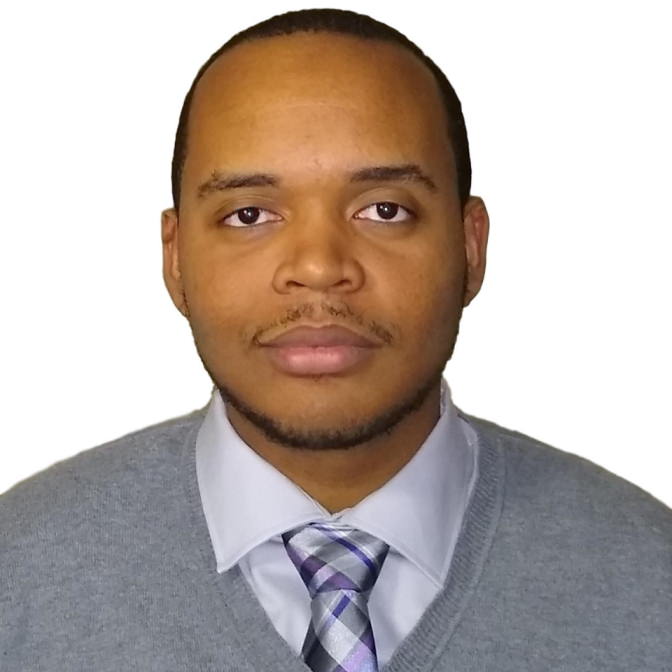
Louis-Edouard Lafontant is a Lecturer at the Department of Computer Science and Operations Research (DIRO) at the University of Montreal. His research focuses on model-driven engineering, projectional editing, and software accessibility through tools like Gentleman. He is currently pursuing a Doctorate in Computer Science at UdeM under Prof. Eugène Syriani, where his work explores dynamic environments and interface design. Education: Doctoral candidate in Computer Science (UdeM). Previously involved in teaching roles for courses including IFT1015 (Programming I), IFT2255 (Software Engineering), and IFT3911 (Software Analysis & Design). Offers tutoring services through DIRO's tutoring program and personal consultations. Research Interests: Projectional editing systems, domain-specific languages (DSLs), model-driven engineering (MDE), and software accessibility. His project Gentleman aims to democratize software modeling through a lightweight web-based editor supporting multiple notations and user-specific interfaces. Publications & Projects: Published work includes studies on Gentleman's usability, integration into web applications, and DSL creation. Open-source contributions include the Gentleman editor, Zenkai JavaScript library for DOM manipulation, and educational web resources. Active in labs such as GEODES, focusing on software engineering research.
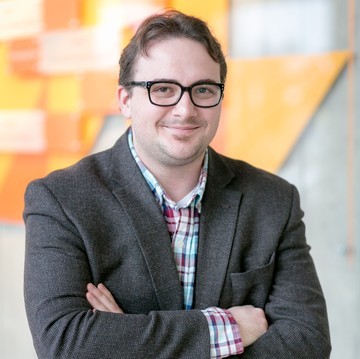
Alexandra Minuk is a Researcher in the Faculty of Education at Queen's University. She holds a Master of Education (2021) and Bachelor of Education (2017) in Special Education and a Bachelor of Arts in Psychology (2016), all from Queen's University. Her research focuses on special education, teacher professional development, literacy curriculum, and cross-cultural educational practices. Current teaching roles include serving as Faculty Liaison for PROF/PRAC411: Theory and Professional Practice, and Graduate Teaching Fellow for PROF417 and PME894. Her work emphasizes inclusive education policies, teacher training methodologies, and digital learning environments. Research collaborations span topics like autism spectrum disorder placement trends, parental perspectives on inclusion, and online professional development efficacy. Publications highlight themes such as special education eligibility in Ontario, teacher engagement with IEPs, and evaluating online platforms for literacy-oriented learning. Her contributions include book chapters on Canadian inclusion efforts and global perspectives in special education. Awards section: No scientific awards explicitly mentioned. Advising and grants: While no student advisement list is provided, her roles in educational policy research and teacher training imply significant contributions to educational practice and reform. Collaborative projects with peers like Jordan Shurr and Pamela Beach underscore interdisciplinary approaches to educational challenges. Labs/teams: Active participation in research networks exploring inclusive education, special needs pedagogy, and teacher professional development through Queen's University's Faculty of Education initiatives.
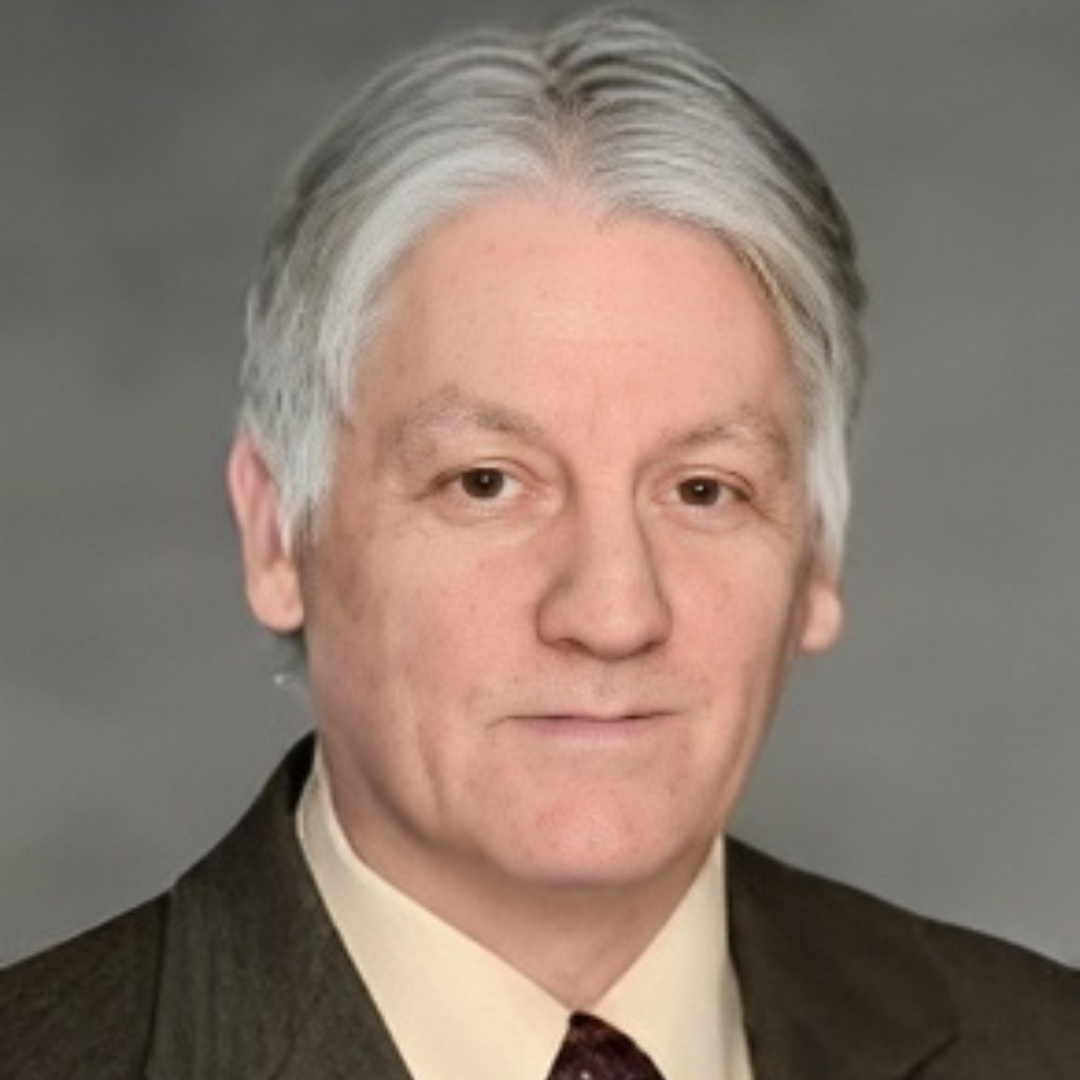
Dr. Ramiro Liscano is a Professor in the Department of Electrical, Computer and Software Engineering at Ontario Tech University's Faculty of Engineering and Applied Science. He holds a PhD in Systems Design Engineering from the University of Waterloo (1998), an MScEng in Mechanical Engineering from the University of Rhode Island (1984), and a BScEng in Mechanical Engineering from the University of New Brunswick (1982). His research focuses on Pervasive and Mobile Computing (including service discovery and security), Distributed Computing (peer-to-peer, web services, grid services), and Sensor Networks (wireless/Internet interoperability). He teaches courses such as Network Design, Pervasive and Mobile Computing, and Software Design Fundamentals. His work includes significant contributions to patent-pending innovations in presence-aware telephony systems, context-aware call handling, and service discovery protocols. Dr. Liscano is a Professional Engineer (PEng) and a Senior Member of IEEE (SMIEEE). Education: PhD (Systems Design Engineering), University of Waterloo, 1998 MScEng (Mechanical Engineering), University of Rhode Island, 1984 BScEng (Mechanical Engineering), University of New Brunswick, 1982 Research Themes: His work bridges theoretical and applied aspects of distributed systems, emphasizing practical implementations in mobile computing environments. Recent efforts include developing interoperable sensor networks and secure service discovery mechanisms. Patents: Over 10 patent filings in areas such as context-aware telephony systems, presence services, and distributed application messaging. Notable filings include interactive conflict resolution for personalized services and availability predictors using call processing data.
Georgios Balomenos is an Adjunct Assistant Professor in Civil Engineering at McMaster University. His academic work focuses on structural reliability, infrastructure resilience, and probabilistic modeling of structural systems under extreme loads. With over 50 publications in the last decade, he maintains an active research profile in civil engineering mechanics. Dr. Balomenos's research interests span several key areas of structural engineering: Earthquake engineering and seismic vulnerability assessment Bridge safety and infrastructure durability modeling Probabilistic analysis of structural systems Multi-hazard impact assessment Structural component behavior under extreme loads Infrastructure management using advanced computational methods His work consistently addresses complex challenges in structural reliability through innovative analytical frameworks. Analysis of Dr. Balomenos's recent publications reveals a strong focus on developing computational frameworks for infrastructure vulnerability assessment. His work frequently employs probabilistic methods, finite element analysis, and machine learning techniques to model structural behavior under diverse hazard scenarios including earthquakes, blasts, fires, and coastal hazards. The publications demonstrate consistent application of fragility modeling across different infrastructure systems. In teaching, Dr. Balomenos has instructed several core civil engineering courses including: Engineering Risk and Reliability (CIVENG 707, 2020-2022) Engineering Mechanics: Dynamics (CIVENG 2Q03, 2020-2022) Structural Dynamics and Seismic Design (CIVENG 4DD4, 2021-2022) Specialized Studies in Civil Engineering (CIVENG 704, 2020) Seismic Design of Structures (CIVENG 4ED4, 2019) This demonstrates substantial involvement in both fundamental mechanics and specialized structural engineering instruction.
Michael Wilson serves as an Associate Professor in the Department of Health Research Methods, Evidence, and Impact within McMaster University's Faculty of Health Sciences. His academic work focuses on bridging evidence and policy through implementation science and health systems research. Institutional Affiliation: McMaster University, Faculty of Health Sciences Departmental Role: Health Research Methods, Evidence, and Impact Teaching: Courses including Health Systems and Health Policy (HTHSCI 3GG3) and Doctoral Seminars in Health Policy Wilson's research spans health policy decision-making, evidence implementation, and equitable access to healthcare services. Key interests include citizen engagement in policy development, assistive technology access, HIV/AIDS care systems, and physical literacy frameworks for aging populations and those with chronic conditions. His methodological expertise encompasses critical interpretive synthesis, scoping reviews, and rapid evidence synthesis approaches. Analysis of his recent publications reveals strong emphasis on policy implementation challenges across diverse contexts (Canada, Latin America, Eastern Europe), with growing focus on citizen engagement methodologies and equitable access frameworks. His work consistently applies implementation science principles to real-world health system challenges. Wilson actively contributes to teaching through undergraduate and graduate courses in health systems and policy, demonstrating commitment to training next-generation health services researchers. His scholarly impact is evidenced by extensive publication record spanning implementation science, health policy analysis, and systematic review methodology, with significant contributions to PRISMA guidelines development and evidence-informed decision-making frameworks.
Abdul-Fatawu Abdulai is an Assistant Professor at the School of Nursing, University of British Columbia (UBC), specializing in digital health innovations for sexual and reproductive healthcare. His work focuses on reducing stigma and advancing health equity through technology-driven solutions. His educational qualifications include: PhD MSc BSN Dr. Abdulai's research centers on digital health interventions for abortion access, endometriosis management, and sexual health stigma reduction. He pioneers trauma-informed and patient-centered design frameworks for digital platforms, with strong emphasis on equity for vulnerable populations including youth in Sub-Saharan Africa and immigrant communities. His work bridges clinical nursing practice with cutting-edge technology ethics. Analysis of his 2023-2025 publications reveals dominant themes in abortion service expansion, AI ethics in nursing, and destigmatizing design for sexual pain conditions. Over 70% of his recent work integrates EDII (Equity, Diversity, Inclusion, Indigeneity) principles into digital health tools, with significant focus on Sub-Saharan Africa and Canadian immigrant populations. While specific grant details aren't publicly listed, his active research portfolio indicates ongoing projects in digital abortion access platforms and AI ethics frameworks. His mentorship likely extends to graduate students working at the intersection of nursing informatics and reproductive justice.
Dr. Andrew Tappenden serves as Dean of Natural Science and Associate Professor of Computing Science at The King's University. He holds a PhD and B.Sc. from the University of Alberta. His research focuses on improving software quality through areas such as software verification, web application testing, security testing, and agile development. His work is supported by grants from NSERC and SSHRC. He has published extensively in journals and conferences, with notable contributions to cookie management systems, web service testing frameworks, and evolutionary testing strategies. He actively participates in academic conferences and mentorship of undergraduate researchers. His interdisciplinary approach bridges computing science with fields like geography and information systems. Education: PhD in Computing Science, University of Alberta (2010) B.Sc. in Computing Science, University of Alberta (Year unspecified) Research Interests: Dr. Tappenden’s research emphasizes practical solutions to software quality challenges. His work spans: Software verification techniques for complex systems Automated testing methodologies for web applications and services Security testing frameworks for modern platforms Agile development practices in interdisciplinary contexts Grants and Support: NSERC Discovery Grant (active) SSHRC Insight Development Grant (active) Lab/Team: Leads the Computing Science research group at King’s, focusing on applied software engineering and interdisciplinary computing projects.
Dr. Dan Centea is a Professor at the W Booth School of Engineering Practice and Technology, McMaster University. He holds an associate membership in Mechanical Engineering. His expertise lies in automotive and vehicle engineering technology, with a focus on electric/hybrid vehicles, Industry 4.0 integration, and experiential learning frameworks. He teaches courses such as AUTOTECH 4AE3 (Internal Combustion Engines), AUTOTECH 4AT3 (Electric/Hybrid Vehicle Design), and MECH ENG 760 (Electric Drive Vehicles). Dr. Centea leads initiatives in the SEPT Learning Factory, integrating IoT, IIoT, and cyber-physical systems for Industry 4.0 education. His research emphasizes tracking/traceability technologies, automated indoor gardens, and autonomous vehicle education frameworks. He has developed innovative teaching strategies including problem-based learning (PBL) for finite element analysis and collaborative industry projects. His work spans over 25 years, with notable contributions to curriculum design for Industry 4.0 and smart systems. He actively collaborates with SMEs to implement Industry 4.0 technologies in manufacturing environments. His educational innovations include blended learning approaches and distance lab infrastructure using IoT boards.
Dr. Amy Latimer-Cheung is a Professor and Tier II Canada Research Chair in Physical Activity Promotion and Disability at Queen's University's School of Kinesiology and Health Studies, Faculty of Arts and Science. Her work focuses on enhancing physical activity among adults with mobility impairments to improve quality of life and reduce disability. She holds a PhD in Human Biodynamics from McMaster University and has held academic positions since 2012. Her research spans developing physical activity guidelines, testing interventions, and addressing societal stereotypes. Education: PhD in Human Biodynamics (2004), McMaster University MSc in Human Biodynamics (2001), McMaster University BSc in Human Kinetics (2000), University of Ottawa Research Interests: Health promotion, disability studies, rehabilitation medicine, and knowledge translation. She leads projects like the Canadian Physical Activity Guidelines for individuals with mobility impairments and evaluates community-based exercise programs. Awards: Tier II Canada Research Chair (2019–present) SSHRC Postdoctoral Fellowship (2006) Advising/Grants: Her work involves collaborations with organizations like the International Centre for the Advancement of Community-Based Rehabilitation. She leads randomized controlled trials (e.g., PAT-MS study) and qualitative evaluations of program implementation. Labs/Teams: Affiliated with Queen’s School of Kinesiology and Health Studies, contributing to interdisciplinary initiatives in disability-inclusive physical activity research.
Neil F. Randall is an Associate Professor in the Department of English at the University of Waterloo, Canada, and Executive Director of the Games Institute (GI). He chairs the Council for Responsible Innovation and Technology (CRIT), focusing on ethics in emerging technologies. His academic career spans over three decades, with roles including Director of the Centre for Professional Writing and leadership in interdisciplinary research initiatives like the SSHRC-funded IMMERSe network. His research bridges game studies, rhetoric, and digital media, emphasizing virtual worlds, interactive storytelling, and Tolkien's influence. He has authored technical books and over 500 articles for publications like PC Magazine . Awards include the SSHRC Doctoral Fellowship and A.M. Ross Prize. His teaching spans undergraduate and graduate courses in rhetoric, professional writing, and digital media. Supervised students include Isabel Pedersen and others in game studies and semiotics. Education: PhD, York University (1985), Canadian Literature MA, University of Waterloo (1981), English BA, University of Guelph (1979), English Research & Grants: Led the IMMERSe SSHRC Partnership Grant ($5.8M), collaborations with Scotiabank and Correctional Service Canada. Published on game-driven digital experiences and ethical technology. Authored books on HTML, the Internet, and game design. Awards: SSHRC Doctoral Fellowship (1983–1985), A.M. Ross Prize (1978), Alma Mater Scholarship (1978). Labs/Teams: Co-founded the Games Institute and contributed to interdisciplinary research at the GI and CRIT, fostering equity, diversity, and inclusivity in tech.
Simon Décary is an Assistant Professor at the University of Sherbrooke with concurrent lecturer appointments at both the University of Sherbrooke and Université de Montréal. His academic career spans rehabilitation sciences, musculoskeletal health, and primary care innovation, with active roles in knowledge translation and shared decision-making research. His educational background includes a PhD in Rehabilitation Sciences (2018) and multiple graduate degrees in Physiotherapy and Kinesiology from Université de Montréal, plus a Postdoctoral Fellowship from Université Laval (2021). The degrees are: Postdoctoral Fellowship (2021), Université Laval PhD, Rehabilitation Sciences (2018), Université de Montréal Master's, Physiotherapy (2013), Université de Montréal Master's, Kinesiology (2009), Université de Montréal Bachelor's, Physiotherapy (2012), Université de Montréal Bachelor's, Kinesiology (2007), Université de Montréal Décary's research focuses on person-centered rehabilitation, musculoskeletal health systems, and primary care service organization. He pioneers shared decision-making frameworks for chronic pain management and investigates virtual rehabilitation models for post-pandemic care. His work bridges clinical practice with health services research to reduce overuse in musculoskeletal care while optimizing patient outcomes through evidence-based protocols and interprofessional collaboration. His publication portfolio reveals strong thematic concentration in rehabilitation innovation, with recent emphasis on Long COVID virtual clinics, overuse prevention in musculoskeletal healthcare, and decision-support tools for rheumatic conditions. The work consistently addresses implementation challenges in primary care settings while advancing patient-centered methodologies across chronic disease management. Scientific recognition includes: Banting Postdoctoral Fellowship (2021) FRQS Postdoctoral Fellowship (2020) Multiple CIHR awards and research excellence honors Best presentation awards at international conferences Dean's List recognition for doctoral thesis As principal investigator on $350,000+ in research grants, Décary leads projects on patient-oriented primary care for musculoskeletal disorders and virtual rehabilitation implementation. His collaborative work extends to provincial networks including REPAR and SPOR, with co-investigator roles in opioid use prevention and post-COVID rehabilitation initiatives. Current projects focus on shared decision-making systems and personalized rehabilitation pathways within Quebec's healthcare infrastructure. He contributes to the Centre de recherche du CHUS (CHUS Research Center) and participates in interdisciplinary teams addressing musculoskeletal care optimization, virtual service delivery, and knowledge translation in rehabilitation practice. His work integrates clinical expertise with health services research to transform primary care rehabilitation models across Canadian healthcare systems.
Anne Brault-Labbé is a Full Professor in the Department of Psychology at Université du Québec à Trois-Rivières (UQTR), specializing in humanistic clinical psychology with expertise in adult psychotherapy, giftedness (douance), and the therapeutic applications of arts for well-being. She serves as the coordinator of the Adult Clinical Psychology doctoral program and leads three major research axes focused on arts for well-being, giftedness complexities, and the Multimodal Psychological Engagement Model. Her research interests center on existential adversity adaptation, including grief, illness, and life transitions, with particular attention to intersubjectivity, self-regulation, and creative psychotherapeutic approaches. She investigates how engagement with arts fosters individual and collective well-being, examining psychological mechanisms behind artistic engagement's benefits. Her work on giftedness explores identity vulnerabilities, parental challenges, and professional training needs, while her Multimodal Engagement Model analyzes commitment across relational, professional, and artistic contexts. Recent publications demonstrate strong thematic consistency across giftedness research, arts-based interventions, and psychological engagement frameworks, with increasing methodological sophistication in qualitative approaches. Her work shows growing international recognition through collaborations with researchers across multiple countries and presentations at major international conferences. Prix de la Société canadienne de psychologie (2013) Multiple best poster awards (2018, 2019) Prix Publication – Grand public de l’Ordre des psychoéducateurs et psychoéducatrices du Québec Affiche lauréate du prix Coup de cœur (2013) Brault-Labbé has supervised over 25 doctoral students whose research aligns with her three main axes, particularly focusing on giftedness, arts for well-being, and psychological engagement. She leads the CAP-douance (Professional Learning Community on Giftedness) and collaborates extensively with LaRIDAPE research center, developing practical resources for educators and parents through the "Les élèves doublement exceptionnels" web platform. Her current research includes CRSH-funded projects on giftedness intervention tools and service development for twice-exceptional students.
Dr. Sukhwant Sagar serves as a Sessional Assistant Professor in the Teaching Stream within the Department of Electrical Engineering and Computer Science at York University. With over 22 years of teaching experience in Computer Science and Software Engineering, she brings extensive expertise to her academic role. Her educational background includes a PhD in Information Technology from the University of Salford (UK), MSc in Software Systems from BITS Pilani (India), and a B.Tech in Computer Science & Engineering from Punjab Technical University (India). Prior to her current position, she served as Program Coordinator for the Cybersecurity Graduate Certificate program at Durham College and taught at Ontario Tech University. Dr. Sagar's research spans multiple critical areas in computing including Software Engineering, Cybersecurity and Privacy, Artificial Intelligence, and Computer Science Education. Her work particularly focuses on virtual team dynamics, trust factors in construction projects, and practical security implementations. She has developed expertise in network monitoring, penetration testing, ethical hacking, and computer forensics, reflecting her commitment to both theoretical knowledge and practical application in security domains. Her publication record shows a clear evolution from early work in mobile applications and web technologies toward more recent research on virtual team dynamics and trust factors in construction projects. This progression demonstrates her ability to adapt research interests to emerging technological challenges while maintaining focus on practical applications in engineering contexts. AWS Certified Cloud Developer Associate Certified Ethical Hacker (CEH) Microsoft Azure Cloud Practitioner AWS Cloud Practitioner Accredited Educator Dr. Sagar actively contributes to academic and industry initiatives, serving as a reviewer for Mitacs Accelerate research proposals, participating in the Waterloo Security Dialogue roundtable discussion addressing Canada's cybersecurity talent shortage, and acting as a third-party assessor for the Ministry of Colleges and Universities. She serves on advisory boards for conferences like ICRTAIDS-2024 and has spoken at numerous prestigious events including Canadian Women in Cybersecurity and the CISO Forum. Her professional engagement extends to memberships in ACM, IEEE, ISTE, and CSI, reflecting her commitment to staying current with technological advancements and contributing to the broader academic community.
Dr. Gary Stern is an Associate Professor at the University of Manitoba's Clayton H. Riddell Faculty of Environment, Earth, and Resources, affiliated with the Centre for Earth Observation Science (CEOS). He holds a PhD in Analytical Chemistry (Mass Spectrometry) from the University of Manitoba (1992) and teaches courses in analytical mass spectrometry. Academic Background: PhD, University of Manitoba (1992) His research focuses on environmental contaminants in Arctic ecosystems, oil spill impacts, and remediation technologies. He co-leads Genome Canada’s GENICE projects on Arctic oil spill preparedness and directs the PETRL (Petroleum Environmental Research Laboratory). He chairs the Churchill Marine Observatory Board of Directors and was awarded the Governor General’s Polar Medal (2016) for Arctic service. Recent publications emphasize hydrocarbon analysis in marine sediments, oil behavior in sea ice, and microplastic contamination in Arctic environments. His work bridges analytical chemistry with ecological and engineering solutions for Arctic environmental challenges. Scientific Awards: Governor General of Canada’s Polar Medal (2016) Advising: Current student Agoston Fischer (MSc). Research leadership includes multi-million-dollar projects and cutting-edge laboratory infrastructure.
JianLi Wang is a Professor and CIHR Canada Research Chair (Tier I) on Health Data Science and Innovation at Dalhousie University's Faculty of Medicine. He holds joint appointments in the Departments of Community Health & Epidemiology and Psychiatry, and is an Affiliated Scientist at the Nova Scotia Health Authority. Dr. Wang's research bridges psychiatric epidemiology, risk prediction analytics, and mental health services research. Education : PhD (University of Calgary), MSc/BSc (Harbin Medical University, China) Dr. Wang focuses on two primary areas: Psychiatric Epidemiology : Investigating determinants of mental health problems (depression, anxiety) and suicide behaviors, with a focus on workplace mental health and health service utilization. Risk Predictive Analytics : Developing sex-specific depression risk prediction models using statistical and machine learning techniques for population health planning and early intervention. His recent work includes collaborations with the Movember Foundation to mitigate workplace stress in men and provincial/federal decision-makers to create suicide risk predictive tools. The articles span topics like personalized risk communication, web-based mental health programs, workplace intervention strategies, and depression prediction algorithms, reflecting his commitment to integrating epidemiological insights with data science for public health impact. Scientific Awards & Honours Alex Leighton CPA-CAPE Award in Psychiatric Epidemiology (2018) Pfizer-HBI Depression Research Award (2016) CIHR New Investigator Award (2005-2010) Labs & Teams : Dr. Wang's Health Data Science and Innovation Lab collaborates with employers, HR personnel, and international experts to develop and test mental health interventions. The lab's recent BroMatters Project (with Movember Foundation) identified stress mitigation strategies for men in workplace and everyday life contexts.