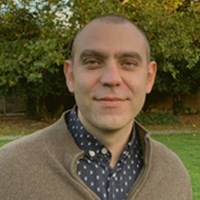
Dr. David Souto is a Lecturer in Vision Science and the Research Group Lead of the Vision Sciences Research Group at the University of Leicester's School of Psychology and Vision Sciences. He holds a PhD from the University of Geneva (2009) and has conducted postdoctoral research at University College London (UCL). His work focuses on dynamic vision mechanisms, using psychophysical methods and eye-tracking to investigate how humans perceive motion and select task-relevant visual information during eye movements. Applied research includes assistive communication technology (collaborating with Barnsley Hospital and Dundee University) and pedestrian road-crossing perception. Education PhD in Vision Science, University of Geneva, 2009 Postdoctoral Research at UCL, followed by a lectureship at the University of Leicester since 2013 Research Interests Eye movement control and visuo-motor learning Perception of motion during smooth pursuit Applications in human-computer interaction and road safety Open Science advocacy and methodology Awards & Grants Alexander von Humboldt-Stiftung Fellowship British Academy and Swiss National Science Foundation grants ESRC (IAA) funding for gaze-typing research Advising & Labs Supervises PhD students in vision science and assistive technology Directs the VisuoMotor Lab, exploring visuo-motor interactions in naturalistic and VR environments
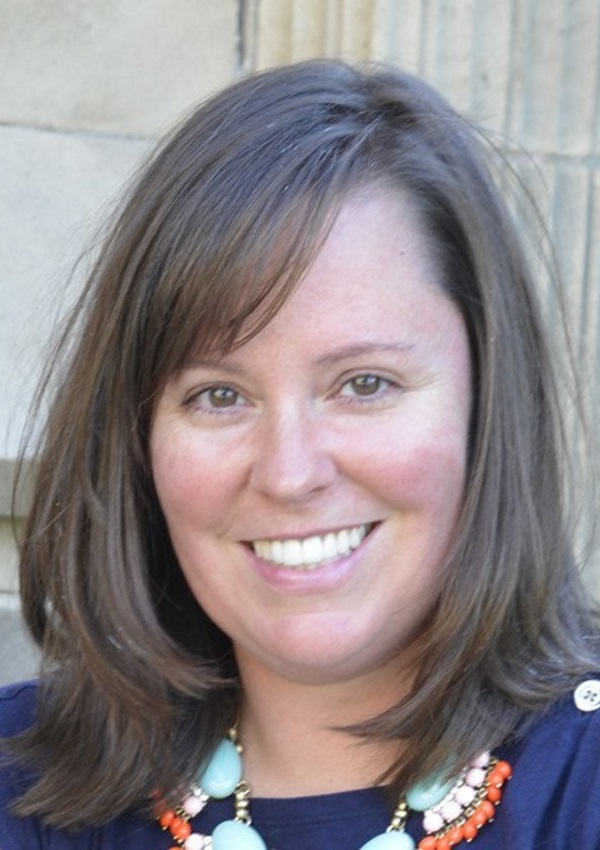
Deborah Hannula is an Associate Professor in the Department of Psychology at the University of Wisconsin–Milwaukee (UWM), where she also serves as Director of Undergraduate Studies and Associate Chair. She is affiliated with the Neuroscience Faculty and actively recruits graduate students for the Neuroscience PhD program. Her research is centered on the cognitive and neural mechanisms of human memory, particularly focusing on the hippocampus and medial temporal lobe structures. Her research interests include: Relational and episodic memory Conscious and unconscious memory expression Eye-tracking as a tool for memory assessment fMRI and behavioral studies in healthy and clinical populations Memory impairments in conditions like autism, schizophrenia, and Alzheimer’s disease The trends in her recent publications show a strong focus on the role of the hippocampus in implicit and unconscious memory, using eye-tracking and neuroimaging to probe memory processes that occur without awareness. Her work bridges cognitive theory, neuroscience, and clinical applications, often challenging traditional views that limit hippocampal involvement to conscious memory. Scientific awards and recognitions include: Teaching Fellow, UWM Center for Student Experience and Talent She mentors several graduate and undergraduate students, including Dana Slabbekoorn, Greta Minor, and Mrinmayi Kulkarni. Her lab has received recognition for student research presentations at national conferences. She is developing a careers-focused course for psychology majors and has contributed chapters to major reference works such as the Encyclopedia of the Human Brain . She also co-chaired a symposium titled 'From Magic to Memory: Eye Movements, Cognition, and the Brain' and regularly presents at academic conferences. Her lab, the Hannula Lab, conducts interdisciplinary research combining cognitive psychology, neuroscience, and clinical applications, with a strong emphasis on methodological rigor and theoretical innovation.
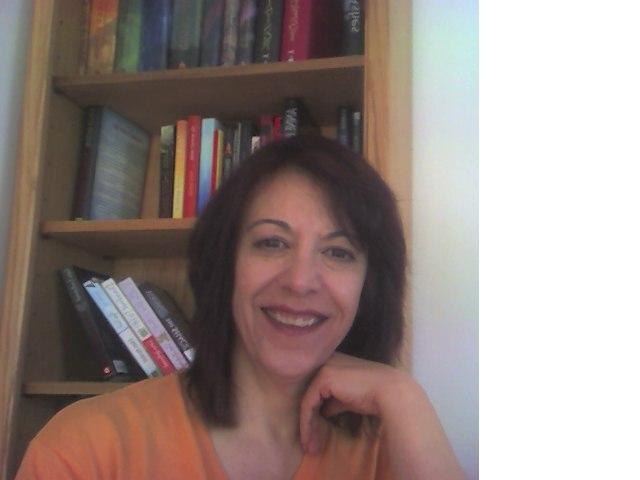
Ralph Hale serves as Associate Professor of Psychological Science at the University of North Georgia, where he has been a faculty member since 2018. He directs the Hale Vision Lab and teaches a range of courses including Cognitive Psychology, Sensation & Perception, and Research Methods. Dr. Hale is deeply committed to undergraduate education and research mentorship, with numerous teaching awards recognizing his excellence in the classroom. Education Background: Ph.D. in Psychology, University of Georgia (2018) M.S. in Psychology, University of Georgia (2015) B.S. in Psychology, University of Georgia (2011) A.A. in Psychology, Gainesville State College (2009) Interdisciplinary Certificate in University Teaching, University of Georgia Teaching Academy (2018) Dr. Hale's research centers on visual perception, memory, and empirical aesthetics, with particular focus on how global context and ecological validity affect visual phenomena. His work investigates visual illusions (especially the watercolor illusion), boundary extension, and other visual memory errors to understand everyday visual perception. He has published extensively on color vision, figure-ground organization, object recognition, visual search, and attention mechanisms, often employing eye-tracking and virtual reality methodologies to explore these phenomena in more ecologically valid contexts. Analysis of Dr. Hale's recent publications reveals a strong continuity in visual perception research with increasing methodological sophistication. His work has evolved from basic investigations of visual illusions to more complex explorations using virtual reality and eye-tracking technologies. Recent publications show growing interest in AI-generated content, mental imagery variability, and applications to clinical rehabilitation, while maintaining core focus on visual perception mechanisms. The research demonstrates consistent interest in ecological validity and real-world applications of visual perception principles. Scientific Recognition: Charles L. Darby Award for outstanding graduate teaching (2018) Richard L. Marsh Award for research mentoring (2018) Teaching Excellence Award for Tenure-Track Faculty (2020) Ann Matthews Purdy Outstanding Teaching Award (2023) Excellence in Undergraduate Research Award (2023) Dr. Hale is deeply committed to undergraduate research mentorship, with his students regularly presenting at national conferences and publishing in research journals. He has secured multiple competitive grants including Leap-into-Action grants from AAC&U for interdisciplinary research and Faculty Undergraduate Summer Engagement (FUSE) grants. As faculty advisor for Psi Chi and the Psychology Club, he actively supports student professional development through research opportunities and conference participation. Dr. Hale leads the Hale Vision Lab at UNG, where he and his undergraduate research team investigate visual perception phenomena using cutting-edge methodologies. The lab focuses on how contextual factors influence visual processing, with recent work incorporating virtual reality environments to enhance ecological validity. Through consistent funding and student involvement, the lab has established itself as a productive center for undergraduate research in visual cognition within the university system.
Professor Gita Alaghband is Chair and PhD Director at the Department of Computer Science and Engineering, University of Colorado Denver. Her work bridges high-performance computing with AI applications in computer vision, facial recognition, and deep learning optimization. Current research focuses on real-time multi-human tracking for autonomous systems Develops explainable AI solutions for medical and financial domains Leads the Parallel Distributed Systems (PDS) Lab Key publication trends include: 2025: Medical imaging AI for pediatric trauma analysis 2024: Financial forecasting with causal econometrics and adversarial defense systems 2023: Trajectory prediction models and HEVC compression frameworks Scientific recognition: IRC Best Paper Award (2020) for facial recognition research Students advised include industry leaders at Google, VMWare, and Nissan, with research spanning parallel computing, medical imaging AI, and autonomous systems.
Jeffrey S. Katz is a Professor in the Department of Psychological Sciences at Auburn University's College of Liberal Arts, with a joint appointment in Electrical and Computer Engineering. He holds the Mike and Leann Rowe Endowed Professorship and serves as Director of the Cognitive and Behavioral Sciences (CaBS) Program. His research focuses on comparative cognition, integrating behavioral and neuroimaging methods to study learning, memory, and cognition across species, particularly humans and working dogs. Ph.D. in Experimental Psychology, Tufts University B.A. in Psychology, Ithaca College Dr. Katz's research interests include comparative cognition , concept learning , change detection , and canine cognition , with a strong emphasis on using fMRI and operant methods. His lab explores the neural and behavioral bases of cognition in both humans and animals, particularly in the context of working dogs and detection tasks. His recent publications reveal a strong trend toward canine neuroimaging , cross-species concept learning , and sensory memory , particularly gustation. The research bridges psychology, neuroscience, and engineering, often involving interdisciplinary collaborations and student involvement. Scientific awards and honors include: APA Fellow (Divisions 3 and 6) Gerald and Emily Leischuck Endowed Presidential Award for Excellence in Teaching (2015) Honors College Professor of the Year (2016) Comparative Cognition Society Recognition of Service Award (2014) Psi Chi Excellence in Teaching Awards Auburn University Alumni Professorship Dr. Katz has secured research grants from the NSF and NIMH, advising numerous graduate and undergraduate students in the Comparative Cognition Lab. He is deeply involved in teaching, offering courses such as Cognitive Neuroscience, Animal Cognition, and Advanced Experimental Psychology. His lab collaborates with Auburn’s Canine Performance Sciences and the MRI Research Center, providing rich training opportunities for students. The Comparative Cognition Lab conducts research at the Biological Research Facility, the MRI Research Center, and through field studies with working dogs. The lab fosters a collaborative environment focused on understanding the mechanisms of learning and memory across species.
Dr. Jennifer Lehmann serves as an Academic Councillor (equivalent to Assistant Professor) at the Institute of Sports Science within the Faculty of Humanities at the University of Regensburg, Germany. She has held this position since April 2015, following her role as Research Associate at the same institution from 2009-2015. Her academic career bridges sports science, cognitive psychology, and educational practice, with a distinctive focus on the interplay between motor skills and cognitive functions. Education: 2009-2013: Doctorate (Dr. phil.) in Sports Science from University of Regensburg 2002-2007: Diploma in Sports Science from German Sport University Cologne Dr. Lehmann's research program centers on the relationship between motor skills and cognition, with particular emphasis on spatial abilities (especially mental rotation) and executive functions within sports contexts. Her work spans developmental trajectories from early childhood through adulthood, examining how physical activity influences cognitive development and how cognitive abilities impact sports performance. She has conducted significant research on executive functions in football, exploring connections between cognitive resilience and athletic performance in youth elite players, as well as investigating mental rotation abilities across different age groups and populations. Her publication record demonstrates a consistent focus on embodied cognition, showing how physical movement and sports participation shape cognitive processes. Recent work has increasingly examined applied aspects of these relationships in sports injury prevention, rehabilitation, and performance enhancement. Her research often employs experimental methodologies to investigate how specific motor skills correlate with cognitive abilities like working memory, attention, and spatial reasoning. Dr. Lehmann serves in several university governance roles, including membership in the Senate, University Council, and Faculty Council since 2017, and as deputy speaker of the council of scientific and artistic staff. She teaches across multiple academic programs including Bachelor's, Master's, and teacher education courses, covering diverse topics from motor learning fundamentals to specialized exercise therapy applications for neurological, orthopedic, and psychological conditions across the lifespan.
Vanessa Frei is a Postdoctoral Researcher at the Department of Computational Linguistics at the University of Zurich. She works within the Computational Neuroscience of Speech & Hearing group, focusing on auditory perception, cognitive capacity in older adults with hearing loss, and immersive training via virtual reality (VR) and electroencephalography (EEG). Education: Bachelor's and Master's in Psychology with a focus on Cognitive Neuroscience from the University of Zurich Research Interests: Her work explores how immersive auditory-cognitive training modifies the relationship between auditory perception and cognitive capacity in aging populations. She investigates neural speech processing using VR and EEG, aiming to enhance speech-in-noise comprehension through multisensory integration and motivational factors. Publication Trends: Her research spans neuroscience, cognitive science, and speech processing, emphasizing VR-based training, neural speech tracking, and aging. Key subfields include sensory-cognitive interactions, EEG analysis, and the role of working memory in auditory perception among hearing-impaired older adults. Labs & Teams: Vanessa Frei is affiliated with the Computational Neuroscience of Speech & Hearing group at the Phonetics and Speech Sciences unit, Department of Computational Linguistics, University of Zurich.
Robert A. Jacobs is a Professor at the University of Rochester, holding joint appointments in the Department of Brain & Cognitive Sciences, the Department of Computer Science, and the Center for Visual Science. He is also affiliated with the Center for Computation and the Brain. His primary research focuses on computational models of human learning, memory, and decision-making in perceptual and cognitive domains, particularly through the Computational Cognition and Perception Lab. Education: Jacobs earned a B.A. in Psychology from the University of Pennsylvania (1982), followed by an M.S. (1987) and Ph.D. in Computer and Information Science from the University of Massachusetts Amherst (1990). He completed postdoctoral training at MIT (1990-1991) with Michael Jordan and at Harvard University (1991-1992) under Stephen Kosslyn. Research Interests: Jacobs' work spans cognitive and perceptual learning, neural computation, multisensory perception, visual short-term memory, and computational models like Bayesian ideal observers and actors. He explores how humans learn to integrate sensory cues optimally and how low-level perceptual data form high-level conceptual knowledge. Recent studies emphasize perceptual training methods, capacity limitations in memory, and the parallels between human cognition and machine learning algorithms. Scientific Awards: Jacobs has been honored with the Best Paper Award at the 2006 Cognitive Science Society Conference for his work on motor synergies and two McDonnell-Pew Postdoctoral Fellowships (1990–1992). His research consistently addresses optimal behavior through computational models, bridging neuroscience and machine learning. Advising & Grants: Jacobs has advised postdoctoral fellows and graduate students, including Ruoyang Hu and current collaborators such as C.R. Sims and J.S. German. His grants include NSF funding for perceptual learning and multisensory representations, as well as collaborative projects with geologists like J.A. Tarduno to study visual training in natural environments. He is a past editor of journals like Cognitive Science and Topics in Cognitive Science . Labs & Collaborations: The Computational Cognition and Perception Lab employs experimental and computational methods to study learning and memory. Notably, the lab is no longer accepting new trainees but continues research on Bayesian models of perception and neural representations. Jacobs collaborates with interdisciplinary teams across neuroimaging, geology, and machine learning.
Professor Christopher Ring is a faculty member in the School of Sport, Exercise and Rehabilitation Sciences at the University of Birmingham, where he has been working since 1995. He holds the academic rank of Professor in Psychology and contributes significantly to research and teaching in psychophysiology and sport psychology. BSc in Psychology, University of Hull, UK MSc and PhD in Psychology, State University of New York at Stony Brook, USA His research interests are broad and interdisciplinary, focusing on skill acquisition , performance under pressure (including 'choking' in sport), cheating in sport , interoception , and the social neuroscience of morality in sport . He also investigates how exercise and mental stress affect immune responses to vaccination, sensorimotor function, and cardiovascular reactivity. His recent publications reflect a strong trend in psychophysiological mechanisms underlying sport performance, moral behavior in athletes , and inflammation-immune-cognitive interactions . His work often integrates physiological measures (e.g., EEG, heart rate, blood pressure) with behavioral and psychological assessments. He has received grants from research councils, charities, and industry, and has collaborated with international experts. He teaches a popular third-year module on the psychophysiology of sport and has supervised over 30 doctoral students who now work at universities worldwide. His research lab focuses on experimental psychophysiology, with studies involving stress testing, vaccination trials, motor performance tasks, and moral decision-making paradigms. He continues to lead innovative research on behavioral adjuvants to vaccination and the neural basis of expert performance.
Dr. Iris M. Wiegand serves as Assistant Professor in Neuropsychology and Rehabilitation Psychology at Radboud University and holds dual Associate Principal Investigator roles at the Donders Centre for Cognition and Donders Institute for Brain, Cognition and Behaviour. Her research examines cognitive aging through the lens of visual attention and memory systems, utilizing advanced neuroimaging techniques to investigate lifelong cognitive plasticity. Her work centers on how visual short- and long-term memory processes evolve across the lifespan, with particular focus on preserved cognitive functions in older adults. Key investigations include hybrid visual-memory search resilience, electrophysiological correlates of memory systems, and neural network plasticity in aging populations. This research bridges fundamental cognitive neuroscience with clinical rehabilitation applications. Publication trends (2017-2025) reveal consistent methodological rigor using EEG and neuroimaging to dissect visual memory mechanisms in aging. Recent work demonstrates remarkable preservation of hybrid search capabilities in older adults while identifying nuanced neural correlates that vary with cognitive development history, challenging simplistic decline models of aging cognition. Major recognitions include: Open Competition XS Grant, NWO (2023 & 2025) Startersbeurs (NWO Starting Grant for Assistant Professors) (2023) EU Horizon 2020 Marie Skłodowska-Curie Individual Global Fellowship (2017) MOBILEX Mobility Postdoc Grant (Danish Research Council/FP7 EU) (2014) Her grant portfolio demonstrates exceptional success in securing competitive funding from Dutch and European sources, enabling sophisticated investigations into cognitive aging mechanisms. While specific advisees aren't listed, her teaching responsibilities for Brain & Cognition courses indicate active graduate student supervision within clinical neuropsychology programs. Dr. Wiegand operates within the Cognitive Aging research group at the Donders Centre for Cognition, collaborating across disciplines to advance understanding of brain-behavior relationships throughout the human lifespan through integrated experimental and clinical approaches.
Professor David Pearson is a cognitive psychologist at Anglia Ruskin University's School of Psychology, Sport and Sensory Science , where he holds a professorship in Cognition and Cognitive Neuroscience. He leads research within the ARU Centre for Mind and Behaviour and maintains visiting researcher positions at Trieste University (Italy) and University of Bergen (Norway). Education: PhD in Psychology, University of Aberdeen (1997) MA (Hons) in Psychology (1st), University of Edinburgh (1992) Research Focus: Pearson's work centers on three interconnected domains: (1) Mental imagery mechanisms in clinical disorders (particularly trauma-related intrusive memories), (2) Cognitive benefits of natural environments through Attention Restoration Theory, and (3) Visuo-spatial working memory processes including oculomotor control. His research bridges experimental psychology with clinical applications, examining how contextual representations modulate trauma intrusions and how natural scenes reduce cognitive load compared to urban environments. Recent work explores visual creativity, sequence-space synaesthesia, and perceptual specificity in long-term imagery. Publication Trends: His 15 most recent articles reveal increasing interdisciplinary integration between cognitive neuroscience and clinical applications. A clear trajectory emerges from basic visuo-spatial working memory mechanisms toward trauma-focused clinical interventions, with growing emphasis on environmental psychology applications. Key methodological threads include eye-tracking paradigms, analogue trauma models, and ecological validity in experimental design. Professional Recognition: Chartered Psychologist Associate Fellow of the British Psychological Society Member of the Experimental Psychology Society Associate Editor for Frontiers in Psychiatry (Mental Imagery in Clinical Disorders) Research Leadership: Pearson actively supervises PhD candidates in mental imagery, environmental psychology, and visuo-spatial cognition. He has secured over £300,000 in research funding from major bodies including ESRC, Wellcome Trust, and Nuffield Foundation. His current projects examine scene saliency in cognitive restoration and contextual modulation of trauma intrusions, while maintaining long-term collaborations with Oxford, Durham, and Scandinavian institutions. He contributes to professional governance through the BPS Research Board and Membership Standards Board.
Dr. Brooklyn Corbett is a Researcher & Project Manager at the School of Psychology , The University of Queensland. Her work bridges cognitive psychology, expertise development, and educational frameworks, with a focus on fingerprint analysis, teacher well-being, and workplace learning in industries like mining. Education: PhD in Psychology (2024), The University of Queensland Her research explores: Cognitive Mechanisms: Visual short-term memory in fingerprint experts and protocol analysis for expertise capture Workplace Learning: Collaborative frameworks in mining industry training and quality assessment Educational Development: School-community partnerships for improved attendance and problem-based learning Recent publications highlight trends in: Forensic Science: Cognitive modeling of fingerprint identification Applied Psychology: Expertise development and memory research Educational Frameworks: Quality training standards and attendance interventions
Dr. Mario Parra Rodriguez is a Lecturer in Psychology at the University of Strathclyde, leading the School of Psychological Sciences & Health. With a career spanning clinical practice and academia, he holds a Medical Doctorate (1993) and specialization in Clinical Neurophysiology (1997) from Cuba, followed by a PhD in Cognitive Neuroscience from the University of Edinburgh (2009). His research focuses on mechanisms of cognitive aging and dementia, particularly Alzheimer’s disease, utilizing neuroimaging (fMRI/EEG) and developing early detection tools. He has pioneered technology-based interventions for cognitive decline and investigates biopsychosocial factors in abnormal behaviors. Key awards include an Honorary Fellowship from Edinburgh University (2020) and leadership roles in the Scottish Dementia Research Consortium. He has secured grants like the ViewMind Project (2024-2025) and collaborates internationally on neuroimaging and AI applications. Active in knowledge exchange, he organizes conferences like the Virtual Reality in Dementia Symposium (2022) and contributes to public health initiatives through the Mental Health Futures Collaborative. His recent work emphasizes diversity-sensitive brain biomarkers and electrophysiological signatures of memory deficits, with 2025 publications addressing Alzheimer’s diagnosis and functional connectivity frameworks. Research integrates clinical, technological, and social dimensions to address aging-related challenges comprehensively.
Dr. Joby John is an Associate Professor at Chapman University, affiliated with the Schmid College of Science and Technology (Mathematics) and the Fowler School of Engineering (Electrical Engineering and Computer Science). He holds a Ph.D. in Mathematics from The Pennsylvania State University. Education: Bachelor of Science, University of Kerala Master of Science, The Pennsylvania State University Ph.D., The Pennsylvania State University Research Interests: Dr. John specializes in applying wearable sensor technologies and machine learning algorithms to analyze activities of daily living (ADL) in stroke survivors. His work focuses on visualization-driven time-series extraction, movement asymmetry quantification, and remote monitoring of rehabilitation progress. Scientific Contributions: His recent publication in Sensors (2022) demonstrates the use of unit acceleration sphere (UAS) projections and LSTM networks to classify stroke-related movement patterns with 97.3% accuracy. This method enables objective assessment of ADL characteristics in naturalistic environments. Labs & Collaborations: Dr. John conducts research at Chapman University's Keck Center for Science and Engineering, collaborating with Rahul Soangra on wearable sensor data analysis and stroke rehabilitation technologies.
Claudia Poch Pérez Botija is a researcher affiliated with the School of Language and Education at Universidad Nebrija. Her work focuses on Psychobiology , particularly in cognitive neuroscience and neurophysiological mechanisms of memory and attention. Doctorate: Universidad Autónoma de Madrid (2015) Thesis: Neural oscillatory activity associated with attention orientation in working memory Supervisors: Dr. Pablo Campo Martínez-Lage, Dr. Luis Carretié Arangüena Key research areas include working memory dynamics , emotional processing , neural oscillations (alpha/gamma), and language cognition . Her studies often employ EEG/ERP techniques to explore memory-perception interactions and bilingual cognitive control. Recent publications reveal trends in: Pattern separation mechanisms during memory encoding Cross-modal integration in illusory perception Emotional primacy effects in memory recognition Lesion studies of temporopolar regions in epilepsy patients Neurogenetic influences on fear conditioning (D2 receptor variants) Alpha/gamma oscillation modulation in attentional processes She contributes to understanding mnemonic discrimination , semantic memory impairment in neurological conditions, and neural correlates of bilingualism . Her work bridges basic cognitive mechanisms with clinical applications in temporal lobe epilepsy. Active in the CINC Nebrija Research Center on Cognition and CEDI Research Group , she investigates interrelations between cognition, education, and individual differences.