معرفی
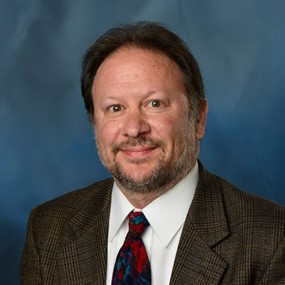
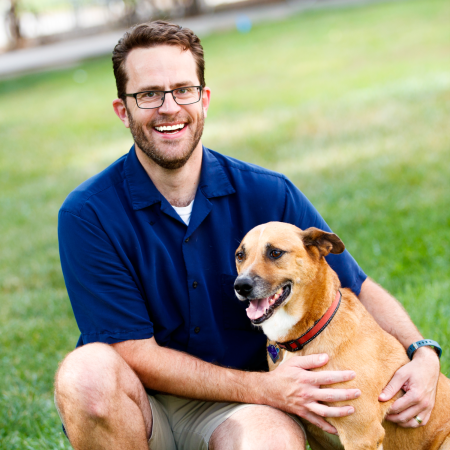
Jeffrey S. Katz is a Professor in the Department of Psychological Sciences at Auburn University's College of Liberal Arts, with a joint appointment in Electrical and Computer Engineering. He holds the Mike and Leann Rowe Endowed Professorship and serves as Director of the Cognitive and Behavioral Sciences (CaBS) Program. His research focuses on comparative cognition, integrating behavioral and neuroimaging methods to study learning, memory, and cognition across species, particularly humans and working dogs.
- Ph.D. in Experimental Psychology, Tufts University
- B.A. in Psychology, Ithaca College
Dr. Katz's research interests include comparative cognition, concept learning, change detection, and canine cognition, with a strong emphasis on using fMRI and operant methods. His lab explores the neural and behavioral bases of cognition in both humans and animals, particularly in the context of working dogs and detection tasks.
His recent publications reveal a strong trend toward canine neuroimaging, cross-species concept learning, and sensory memory, particularly gustation. The research bridges psychology, neuroscience, and engineering, often involving interdisciplinary collaborations and student involvement.
Scientific awards and honors include:
- APA Fellow (Divisions 3 and 6)
- Gerald and Emily Leischuck Endowed Presidential Award for Excellence in Teaching (2015)
- Honors College Professor of the Year (2016)
- Comparative Cognition Society Recognition of Service Award (2014)
- Psi Chi Excellence in Teaching Awards
- Auburn University Alumni Professorship
Dr. Katz has secured research grants from the NSF and NIMH, advising numerous graduate and undergraduate students in the Comparative Cognition Lab. He is deeply involved in teaching, offering courses such as Cognitive Neuroscience, Animal Cognition, and Advanced Experimental Psychology. His lab collaborates with Auburn’s Canine Performance Sciences and the MRI Research Center, providing rich training opportunities for students.
The Comparative Cognition Lab conducts research at the Biological Research Facility, the MRI Research Center, and through field studies with working dogs. The lab fosters a collaborative environment focused on understanding the mechanisms of learning and memory across species.