
معرفی
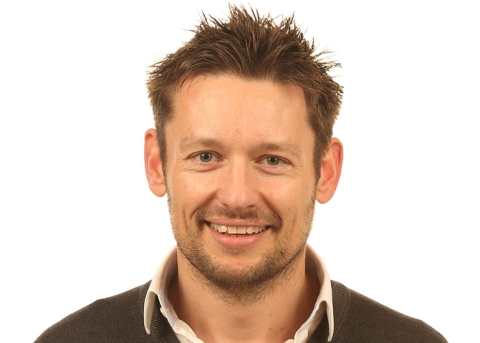
Professor David Pearson is a cognitive psychologist at Anglia Ruskin University's School of Psychology, Sport and Sensory Science, where he holds a professorship in Cognition and Cognitive Neuroscience. He leads research within the ARU Centre for Mind and Behaviour and maintains visiting researcher positions at Trieste University (Italy) and University of Bergen (Norway).
Education:
- PhD in Psychology, University of Aberdeen (1997)
- MA (Hons) in Psychology (1st), University of Edinburgh (1992)
Research Focus: Pearson's work centers on three interconnected domains: (1) Mental imagery mechanisms in clinical disorders (particularly trauma-related intrusive memories), (2) Cognitive benefits of natural environments through Attention Restoration Theory, and (3) Visuo-spatial working memory processes including oculomotor control. His research bridges experimental psychology with clinical applications, examining how contextual representations modulate trauma intrusions and how natural scenes reduce cognitive load compared to urban environments. Recent work explores visual creativity, sequence-space synaesthesia, and perceptual specificity in long-term imagery.
Publication Trends: His 15 most recent articles reveal increasing interdisciplinary integration between cognitive neuroscience and clinical applications. A clear trajectory emerges from basic visuo-spatial working memory mechanisms toward trauma-focused clinical interventions, with growing emphasis on environmental psychology applications. Key methodological threads include eye-tracking paradigms, analogue trauma models, and ecological validity in experimental design.
Professional Recognition:
- Chartered Psychologist
- Associate Fellow of the British Psychological Society
- Member of the Experimental Psychology Society
- Associate Editor for Frontiers in Psychiatry (Mental Imagery in Clinical Disorders)
Research Leadership: Pearson actively supervises PhD candidates in mental imagery, environmental psychology, and visuo-spatial cognition. He has secured over £300,000 in research funding from major bodies including ESRC, Wellcome Trust, and Nuffield Foundation. His current projects examine scene saliency in cognitive restoration and contextual modulation of trauma intrusions, while maintaining long-term collaborations with Oxford, Durham, and Scandinavian institutions. He contributes to professional governance through the BPS Research Board and Membership Standards Board.


/prod01/yorksjacuk/media/content-assets/staff-profile-images/scott_cole-3.jpg)