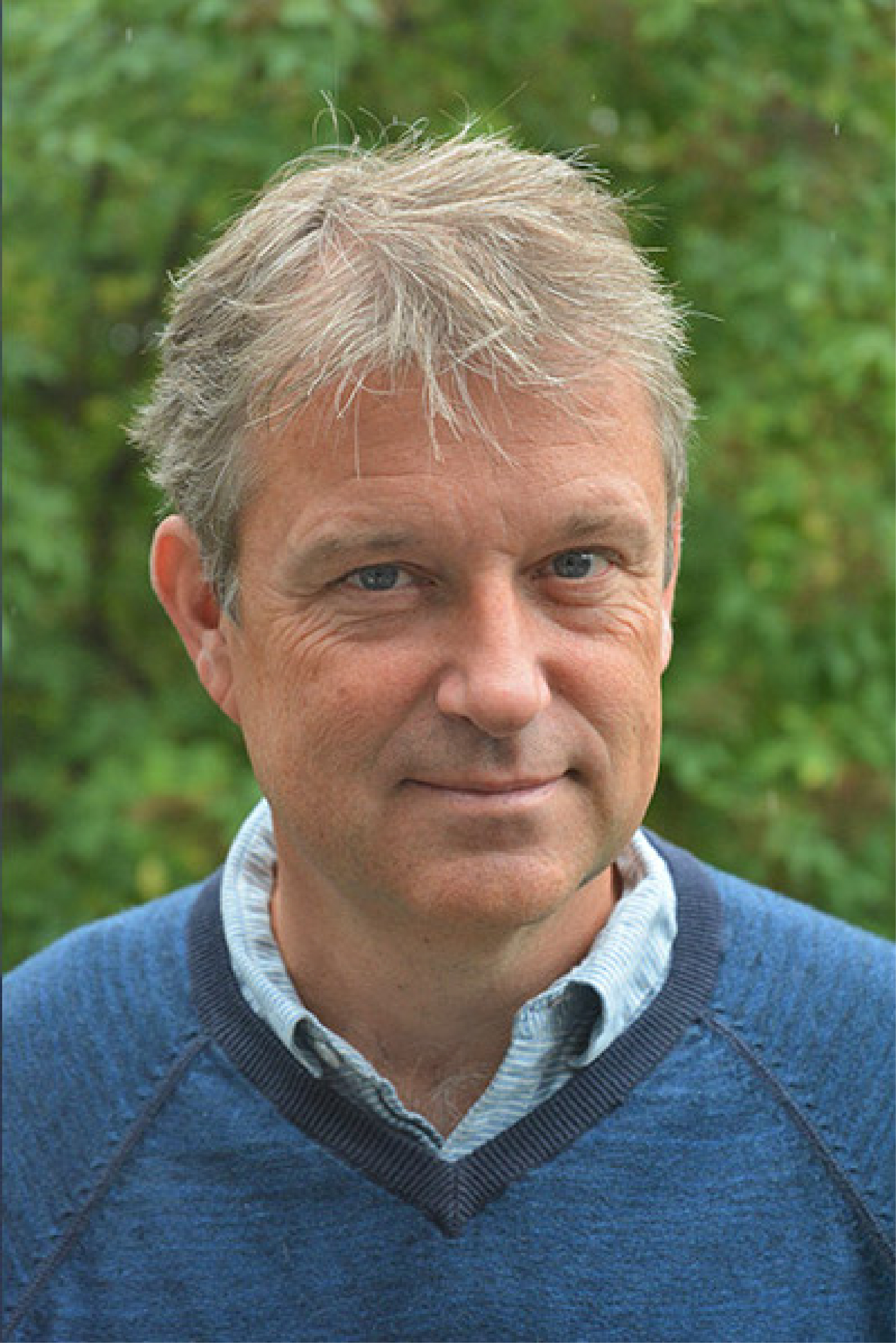
Per-Erik Forssén is a Senior Associate Professor in the Department of Electrical Engineering at Linköping University, where he conducts research at the Computer Vision Laboratory (CVL). His academic journey includes a PhD (2004) and Docent degree (2009) from Linköping University, with a postdoctoral fellowship at the University of British Columbia's Laboratory for Computational Intelligence (2006-2007). His research focuses on visual perception and perceptual learning for robots , with specific expertise in uncertainty representation , vision for action systems , and continuous-time 3D motion modeling . He leads two major projects: Situation Aware Perception for Safe Autonomous Robotic Systems (ELLIIT-funded) and Dorsal Stream Robot Vision (Swedish Research Council-funded). His publications demonstrate strong focus on robotic vision systems and uncertainty quantification , with recent work exploring deep learning applications for autonomous driving, 3D registration, and human pose estimation. Earlier contributions include foundational work on rolling shutter compensation and video stabilization techniques.
Joakim Lundeberg is a Professor at KTH Royal Institute of Technology, leading a research group within the Department of Gene Technology at the School of Chemistry, Biotechnology and Health. He is also the departing director of the National Genomics Infrastructure at SciLifeLab, a leading European sequencing center. His research focuses on developing cutting-edge technologies for nucleic acid analysis, spatial genomics, and molecular biotechnology, with applications in health and disease studies. Lundeberg's group pioneered methods in spatial transcriptomics and has contributed significantly to understanding gene expression in tissues. Education: PhD in Biotechnology from KTH (1993), followed by postdoctoral research at Radiumhospital in Oslo. He returned to KTH in 2000 as a Professor. Research interests include method development for DNA/RNA analysis, spatially resolved omics, and interdisciplinary applications in molecular atlasing of tissues. His work bridges technology innovation and translational research, addressing challenges in genomics and biomedical studies. Publications span spatial transcriptomics, single-cell analysis, and genomic infrastructure. Notable contributions include the development of spatial transcriptomics techniques and tools like Semla for data analysis. Lundeberg teaches advanced seminars in spatial genomics (courses FCB3091–FCB3094) and collaborates on initiatives like the Human Lung Cell Atlas. His lab is based at SciLifeLab in Stockholm.
Johanna Björklund is an Associate Professor at the Department of Computing Science , Umeå University, specializing in Formal Language Theory , Machine Learning , and Semantic Parsing of Multimodal Data . Her research focuses on translating complex media (e.g., videos with audio/subtitles) into graph-based semantic representations for algorithmic processing. Current projects include WARA Media & Language (2024–2026) and AI-Driven Contextual Communication (2021–2023). Key research areas: tree automata , graph transduction , contextual advertising , and computational linguistics . Her recent publications highlight advances in tree-to-graph transduction , multimodal semantic analysis , and privacy-preserving advertising . She has secured significant grants, including SEK 12 million (2021) and 4 million SEK (2020), for AI and deep learning initiatives. Grants: SEK 12 million (2021) for AI projects. 4 million SEK (2020) for Deep Learning methods. Scientific Awards: Lead researcher in multiple EU-funded projects. Recognized for contributions to formal languages and machine learning . She collaborates with teams in semantic analysis , tree automata , and multimodal AI , emphasizing practical applications like visual analytics and advertising systems .
Petter Ericson is a Researcher at the Department of Computer Science , Umeå University , specializing in Responsible AI . His work bridges graph theory , formal grammars , and ethics , with interdisciplinary interests in music and sociotechnical systems . Affiliated with the Responsible AI Research Group , he explores the alignment of AI with human values. Ericson’s research spans formal computational models , including hyperedge replacement grammars and order-preserving DAGs , alongside AI ethics and fairness frameworks . His publications address sociotechnical limits in AI safety, artistic shifts through AI, and graph language learnability. He has contributed to interdisciplinary projects like Concordia , a musical XR instrument for planetary data sonification, and Musereduce , a hierarchical music analysis framework. Ericson applies computational methods to Bayesian music theory and jazz harmony datasets.
Yizhou Hu is a Principal Researcher at the Department of Laboratory Medicine, Karolinska Institutet, Sweden, and holds a concurrent position as University Researcher at the Faculty of Medicine, University of Helsinki & Wihuri Institute, Finland. With extensive expertise in single-cell analysis and computational biology, Hu leads cutting-edge research at the intersection of cancer biology, neuroscience, and dermatology. Dr. Hu's educational background includes a Ph.D. in Pathology (Oncology and Molecular Cell Biology) from the University of Helsinki (2017) and an M.Sc. in Genetics from the same institution (2011). Additional training includes postdoctoral research at Karolinska Institutet's Division of Molecular Neurobiology (2017-2022) supported by an SSMF fellowship. Research interests center on two major themes: Developmental Plasticity in Nervous System Cancers focusing on glioblastoma and neuroblastoma mechanisms, and Immune Priming of Non-Immune Cells in Psoriatic Skin . Hu employs advanced methodologies including single-cell MultiOmics, spatial transcriptomics, deep-learning analytics (scCAMEL), human organoids, and genetically modified animal models to investigate cellular heterogeneity and disease mechanisms. The publication record demonstrates consistent high-impact contributions across cancer biology, neuroscience, and dermatology. Recent work (2023-2025) shows increasing integration of machine learning with multi-omics approaches, particularly in neuroblastoma developmental plasticity, pain pathway characterization, and psoriasis inflammation mechanisms. The research spans basic science to translational applications with strong emphasis on cellular heterogeneity. Scientific recognition includes: SSMF fellowship (2020-2022) Dr. Hu has developed innovative computational tools including the scCAMEL suite (scCAMEL-SWAPLINE, scCAMEL-VICUNA, scCAMEL-EVO) for single-cell analysis, with publicly available datasets and visualization platforms for psoriasis research. Current work focuses on identifying cellular and molecular mechanisms driving high-risk neuroblastoma and glioblastoma, with emphasis on developmental trajectories that could inform targeted therapeutic approaches. The research program maintains strong collaborative networks across Karolinska Institutet, University of Helsinki, and international institutions, with particular emphasis on neural crest-derived cancer lineages and skin immunology mechanisms.
Camilo Rodriguez Ronderos is an Assistant Professor at the Language and Literature Center of Lund University , specializing in General Linguistics . His research combines eye-tracking methodology with cognitive science to explore sentence processing, semantic reference, and pragmatic inference. Current projects include studies on temporal deixis, irony comprehension, and morphosyntactic congruence in multilingual contexts. Research Interests Psycholinguistics Computational Linguistics Temporal Reasoning in Language Figurative Language Processing Cognitive Load in Multilingualism Semantic Ambiguity Resolution Key Collaborations Prof. Noveck (Cognitive Science) Dr. Pescuma (Language Processing) Prof. Knoeferle (Multimodal Linguistics) Dr. Lossius Falkum (Semantics) Infrastructure Active member of the Humanities Lab at Lund University, utilizing advanced eye-tracking and ERP facilities for real-time language studies.
Bernard Schmidt is an active researcher at the University of Skövde's School of Engineering Science, specializing in Production and Automation Engineering. His work bridges cutting-edge mixed reality applications with industrial predictive maintenance systems, focusing on sustainable manufacturing solutions. Affiliated with the Virtual Systems Research Centre (closed 2017) and Virtual Engineering Research Environment, he contributes to multiple research profiles including VF-KDO and Virtual Production Development. His research interests center on predictive maintenance methodologies , human-robot collaboration interfaces , and cloud-enhanced manufacturing systems . Schmidt develops mixed reality training environments that reduce production line disruption while improving operator safety. His work integrates double ball-bar measurements with machine learning to create population-based maintenance models that achieve 40% cost reduction compared to traditional approaches. Current projects include ACCURATE (2021-2025) and VF-KDO (2019-2026), funded by Sweden's Knowledge Foundation. Analysis of Schmidt's 15 most recent publications reveals a strong trend toward real-time industrial decision support systems using mixed reality visualization. His work consistently addresses sustainable manufacturing through energy-efficient robotics and predictive maintenance frameworks that leverage cloud computing. Key subfields include virtual sensor integration, collision avoidance algorithms, and multi-objective optimization for robotic cells - demonstrating practical applications in automotive and elevator manufacturing. Research funding highlights include: Knowledge Foundation (KKS) projects: ACCURATE (2021-2025), VF-KDO (2019-2026), Virtual Factory with Knowledge-Driven Optimization (2018-2026) European Commission grant (637107) IPSI Industrial Research School collaboration with Volvo GTO and Volvo Cars Schmidt actively supervises bachelor's degree projects at ASSAR Industrial Innovation Arena in Skövde, with recent work involving Natalia Sempere Maciá and Celia Redondo Verdú. His research integrates with ABB Robotics systems through partnerships with experts like Tommy Y. Svensson. Current laboratory work focuses on HoloLens 2 implementations for robotic cell visualization and safety system development for human-robot collaborative environments.
Bandaru Sunith is an Associate Professor at the University of Skövde's School of Engineering Science, with previous affiliation to The Virtual Systems Research Centre (closed May 2017). His research spans multi-objective optimization, digital twins, and knowledge-driven decision support systems for manufacturing applications. He actively leads the Virtual Factories with Knowledge-Driven Optimization (VF-KDO) research profile and contributes to the ADOPTIVE project focused on vehicle ergonomics optimization. Dr. Sunith's research interests include: Multi-objective optimization and evolutionary algorithms Digital twin frameworks for manufacturing systems Knowledge discovery and visualization for decision support Anomaly detection in industrial processes Factory layout optimization integrating human well-being metrics His recent publications (2023-2025) demonstrate a clear trend toward integrating advanced AI techniques with traditional optimization methods. The research increasingly focuses on practical industrial applications, particularly in automotive manufacturing, with strong emphasis on translating theoretical advances into usable tools. His work bridges the gap between computational optimization and real-world manufacturing challenges, often incorporating human factors considerations. Dr. Sunith has secured significant research funding from Swedish innovation agencies: Virtual Factories with Knowledge-Driven Optimization (VF-KDO) funded by Knowledge Foundation (Grant 2018-0011) Integrated Manufacturing Analytics Platform for Predictive Maintenance (IMAP) funded by Vinnova (Grant 2021-02537) LITMUS project on human-centric sustainable production funded by Knowledge Foundation He has supervised multiple researchers including Henrik Smedberg and Mahesh Kumbhar, resulting in collaborative publications and the development of practical tools like Mimer - a web-based platform for knowledge discovery in multi-criteria decision support. His research group maintains strong industry connections, particularly with automotive manufacturers in Sweden.
Felix Dobslaw is a Senior Lecturer and Associate Professor at Mid Sweden University , affiliated with the Department of Communication, Quality Technology and Information Systems (KKI). He leads the cross-disciplinary Software Engineering and Education (SEE) research group, focusing on the intersection of technology and human use in software development, with a particular emphasis on Generative AI applications.
Zoltan Szabo is an Adjunct Assistant Professor at Linköping University's Faculty of Medicine, affiliated with the Department of Health, Medicine and Care (HMV) and the Department of Diagnostics and Specialist Medicine (DISP). His research spans myocardial metabolism, augmented reality applications in cardiac surgery, and biomarker studies. His primary research interests include: Myocardial metabolism and protection during cardiac surgery Augmented Reality for visualizing heart surface temperature during surgery Ischemia-reperfusion injury and preconditioning Development of artificial heart pumps with pulsatile flow Biomarker dynamics in cardiac surgery Acute kidney injury following cardiac procedures Dr. Szabo pioneered the first global description of diabetic heart metabolism during coronary artery surgery and the application of high-dose glucose-insulin-potassium for myocardial protection. His augmented reality work represents a groundbreaking surgical application of this technology. His recent publications focus on biomarker dynamics, coronary revascularization outcomes in kidney disease patients, and artificial heart technology, demonstrating his interdisciplinary approach bridging clinical practice, engineering, and basic science. He collaborates extensively with researchers from Linköping University's Pharmacology Department, Thoracic Surgery, CMIV, and international partners in Szeged (Hungary) and Memphis (USA). Dr. Szabo is involved in key research projects: Development of artificial heart pumps with pulsatile flow Augmented Reality for real-time heart surface temperature visualization Ischemic preconditioning studies Kidney oxygenation research during heart-lung machine operation Levosimendan's protective effects on the heart
Peter Lundberg is an Adjunct Professor at Linköping University, affiliated with the Department of Health, Medicine and Care (HMV) and Department of Diagnostics and Specialist Medicine (DISP) . His research focuses on quantitative magnetic resonance imaging (MRI/MRS/NMR) for organ function analysis, particularly in liver disease (MASLD, HCC), neurological disorders (pediatric brain tumors, MS), and metabolic syndrome . He also works on text-based AI and federated learning applications in medical imaging. Developed non-invasive liver diagnostics replacing biopsies Co-founder of physiologically-based digital twin models for alcohol metabolism Active in MR safety standardization through ESMRMB Research Trends in recent articles include: Multi-organ interactions (liver-heart axis) Deep learning for brain tumor classification Population-level MASLD prevalence studies Advancements in MR spectroscopy for neurochemical analysis Collaborations with international societies like ISMRM and ESMRMB , and research centers including the Center for Medical Imaging and Visualization (CMIV) and Wallenberg Center for Molecular Medicine .
Tina Sundelin is an Associate Professor and Director of Studies at the Department of Psychology, Stockholm University. She is affiliated with the Center for Cultural Evolution and the Sleep and Wakefulness Research Unit, where she conducts interdisciplinary research on sleep, social interactions, and well-being. Her research focuses on the social effects of sleep deprivation and how they relate to motivation, attention, and cognitive ability. She also investigates how sleep affects daily interactions and well-being in contexts such as families and workplaces. Another significant research interest is social perception of illness - specifically how people perceive someone who is sick and what cues allow others to determine whether a person is sick or healthy. Tina's publication record demonstrates expertise in examining how sleep, social interactions, and well-being interrelate. Her research spans multiple methodologies, integrating laboratory-based experimental studies with field studies. Her work has explored topics including parental sleep patterns, social perception of illness across cultures, cognitive effects of sleep deprivation, and the relationship between sleepiness and social activity. Her publications frequently appear in high-impact journals across sleep science, psychology, and neuroscience. Her research projects include ongoing studies on sleep inequality among parents with young children, the relationship between sleep and social cohesion, and whether people are aware of their cognitive impairments when sleep-deprived. She also has completed research on social interactions during sleep deprivation. Tina earned her PhD at Stockholm University in 2015, focusing on social perception of sleep loss (dissertation: 'The Face of Sleep Loss'). After this, she began a postdoc at Karolinska Institutet to study social interactions during sleep deprivation. She was awarded the Swedish Research Council's International Postdoctoral Grant in 2016 to continue her research with Dr. Tessa West at New York University. During this period, she focused on physiological aspects such as HRV and activity in the sympathetic nervous system, in addition to behavioral measures and dyadic tasks after sleep deprivation. Since 2019, she has been employed as a University Lecturer at Stockholm University. Her ongoing research integrates laboratory-based experimental studies with field studies to investigate how sleep, social interactions, and well-being relate to each other.
Hercules Dalianis is a Professor at the Department of Computer and Systems Sciences, Stockholm University. His research focuses on Natural Language Processing, particularly in clinical text mining for Swedish language data. He leads the Natural Language Processing Research Group and serves as director of the Health Bank - Swedish Health Record Research Bank infrastructure. MSc in Electrical Engineering (1984), KTH PhD in Technology (1996), KTH Professor of Computer and Systems Science (2011), Stockholm University His research addresses privacy-preserving NLP for clinical text analysis, including automated de-identification , domain adaptation of BERT models , and clinical entity recognition . Current projects like DataLEASH and Privacy-Preserving Techniques explore machine learning solutions that balance data utility with patient confidentiality. Key publication trends show emphasis on Swedish clinical text processing , ICD-10 coding automation , and privacy-aware language modeling . Collaborations span Karolinska University Hospital, Nordic healthcare institutions, and international AI research communities. He teaches courses in Internet Search Techniques and Business Intelligence (ISBI) , Natural Language Processing (NLP) , and Principles and Foundations of Artificial Intelligence (PFAI) . His work has produced the open-access textbook Clinical Text Mining: Secondary Use of Electronic Patient Records , establishing foundational frameworks for clinical NLP in low-resource languages.
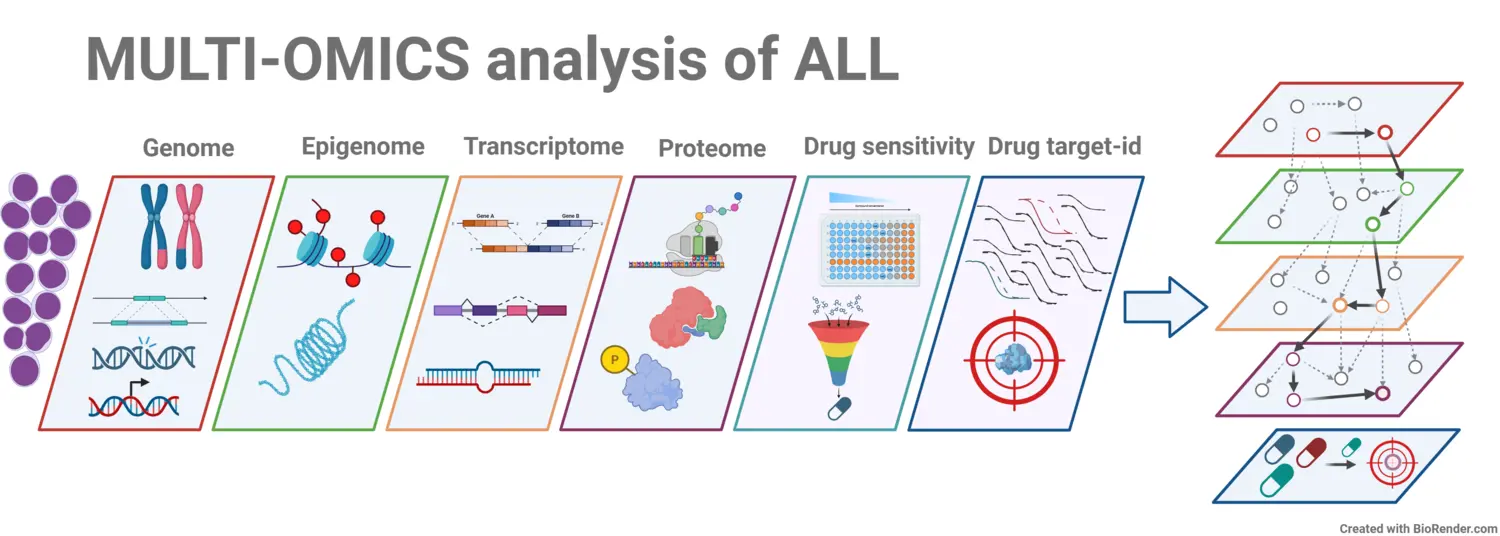
Rozbeh Jafari is an Associate Professor (Docent) in the Department of Oncology-Pathology at Karolinska Institutet , Sweden, and a Principal Researcher at SciLifeLab . Since 2024, he leads the Cancer Proteogenomics and Precision Medicine in Acute Lymphoblastic Leukemia (ALL) team, focusing on translating multi-omics insights into precision therapies for leukemia. Education & Training: PhD in Biomedical Sciences, Department of Chemistry and Biomedical Sciences, Karlstad University (2010) Postdoctoral training, Department of Biochemistry and Biophysics, Karolinska Institutet Docent (Associate Professor), Department of Oncology-Pathology, Karolinska Institutet (2024) Research Focus: Dr. Jafari’s work integrates proteogenomics and thermal proteome profiling (TPP) to decode how genomic aberrations reshape the functional proteome in leukemia. His team interrogates drug-target interactions, maps therapeutic vulnerabilities, and develops predictive models for precision therapy in both pediatric and adult ALL and AML. Key methodological pillars include quantitative proteomics, chemical proteomics, and multi-omics data integration. Scientific Recognition: Assistant Professor Award, Swedish Childhood Cancer Fund (2016) Starting Grant, Swedish Research Council (2017) Senior Investigator Award, Swedish Cancer Society (2024) Research Environment: He leads an independent team within the larger Cancer Proteogenomics – from Methods to Clinical Applications consortium headed by Professor Janne Lehtiö at SciLifeLab/Karolinska Institutet. The team actively collaborates with clinical centers to accelerate translation of proteogenomic findings into improved patient outcomes.
Ingela Nyström is a Professor in Visualization at Uppsala University's Department of Information Technology. She serves as the node coordinator for InfraVis and as Director of Postgraduate Studies at the Department of Information Technology. Her interdisciplinary work bridges Uppsala University's three academic domains through collaborations with the Centre for Image Analysis (CBA), Centre for Women's Mental Health (WOMHER), Uppsala Centre for Digital Humanities (CDHU), and Medtech Science & Innovation (MTSI). Medical image analysis 3D visualization Haptics in surgery planning Interactive segmentation Digital geometry Biomedical engineering Her recent research focuses on rotation-equivariant neural networks for biomedical image classification, interactive segmentation tools for cranio-maxillofacial surgery planning, and precision evaluation of intraoral scanning technologies. Publications since 2023 demonstrate continued work on 3D imaging protocols for implant dentistry and surgical applications. 2024: Equivariant CNNs for rotation-invariant biomedical imaging 2023: In vivo precision studies of full-arch implant scans 2021: Virtual surgical planning with haptic assistance 2016-2017: Multimodal robotics perception and 3D segmentation tools 2014: Orbital morphology analysis in craniosynostoses 2005-2011: Foundational work in 3D skeletons and fuzzy object measurements