James Prittsمشاهده پروفایل
استادیار
- Computer Vision
- Underwater Robotics
- 3D Geometry
- +۵ مورد دیگر
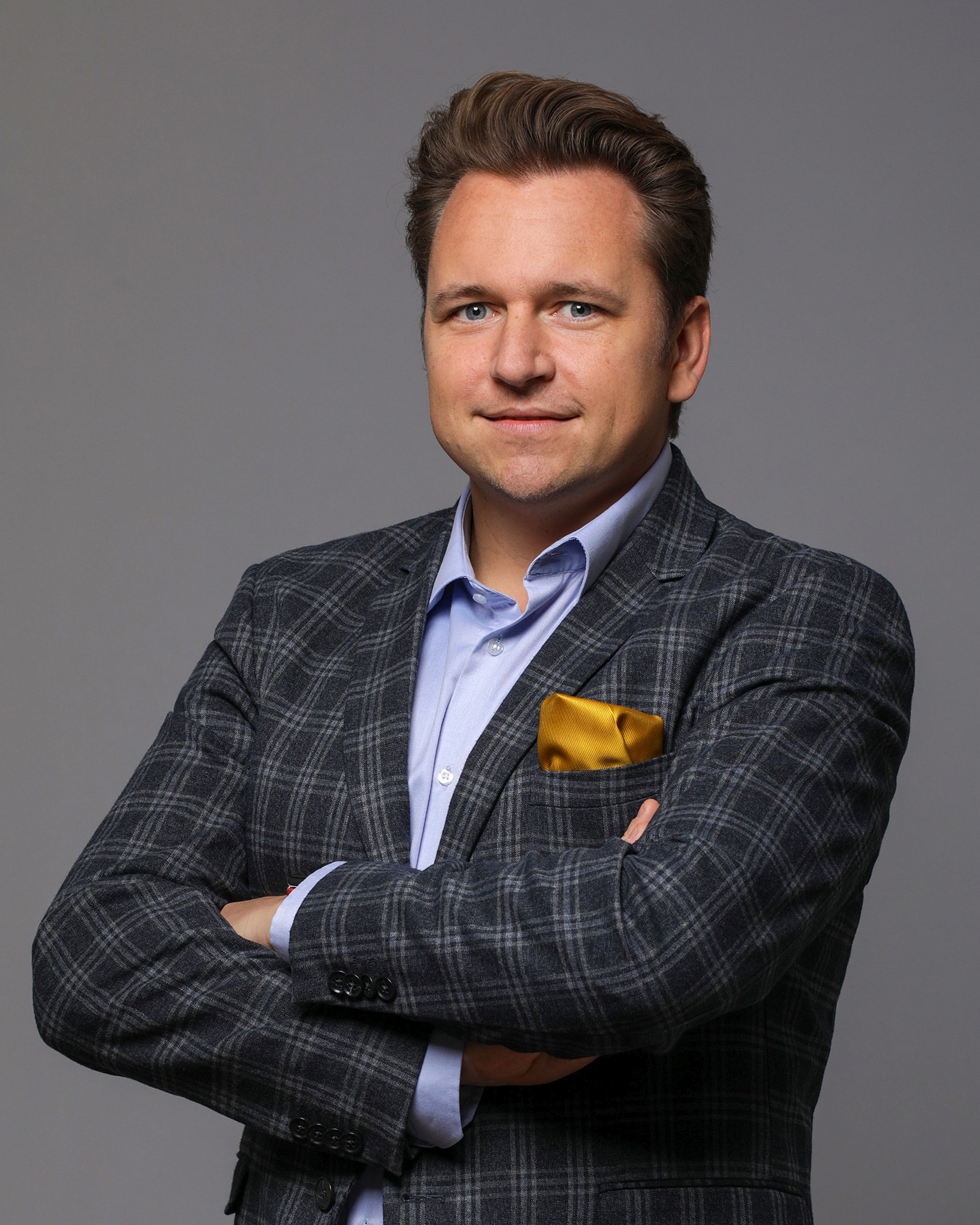
Dr. James Pritts is a computer vision researcher currently working at the Institute of Computer Science, Kiel University, within the Marine Data Science group. He is affiliated with the Faculty of Engineering and contributes to interdisciplinary marine research through the KiTE early-career fellowship program. His work bridges robotics, computer vision, and ocean science, focusing on enabling autonomous underwater vehicles (ROVs) to operate effectively in challenging, low-visibility environments. His research interests include: Underwater visual localization and mapping Robust 3D reconstruction in turbid waters Geometric calibration of camera systems Sensor fusion (camera, IMU, DVL) Non-rigid reconstruction (e.g., jellyfish) Autonomous monitoring of marine ecosystems Dr. Pritts' work supports applications in marine biology, underwater archaeology, and infrastructure inspection. He develops algorithms that allow robots to assess their own perception accuracy, enabling reliable long-term monitoring of seagrass beds and fragile marine species. His research is deeply collaborative, involving partnerships with GEOMAR and MBARI, and aligns with Kiel University’s priority research areas such as Kiel Marine Science and Ocean Health. He has previously held research roles at NASA, DARPA, and Facebook Reality Labs, and was an Assistant Professor at the Ukrainian Catholic University. His academic journey reflects a strong focus on geometric computer vision and real-world deployment of complex systems. Notable scientific contributions include advancing calibration techniques for underwater optics and developing robust localization methods under refractive distortions. His work often requires solving multiple vision challenges simultaneously, such as refraction, non-rigid deformation, and sparse features. Dr. Pritts is actively involved in hands-on robotics, working closely with hardware engineers to deploy ROVs in coastal waters near Kiel. He emphasizes practical utility in research and is driven by the principle of being useful. He holds a PhD from the Czech Technical University in Prague (2020) and has conducted postdoctoral research at Chalmers University and the Czech Institute of Informatics, Robotics & Cybernetics.