Jaime Hannansمشاهده پروفایل
دانشیار
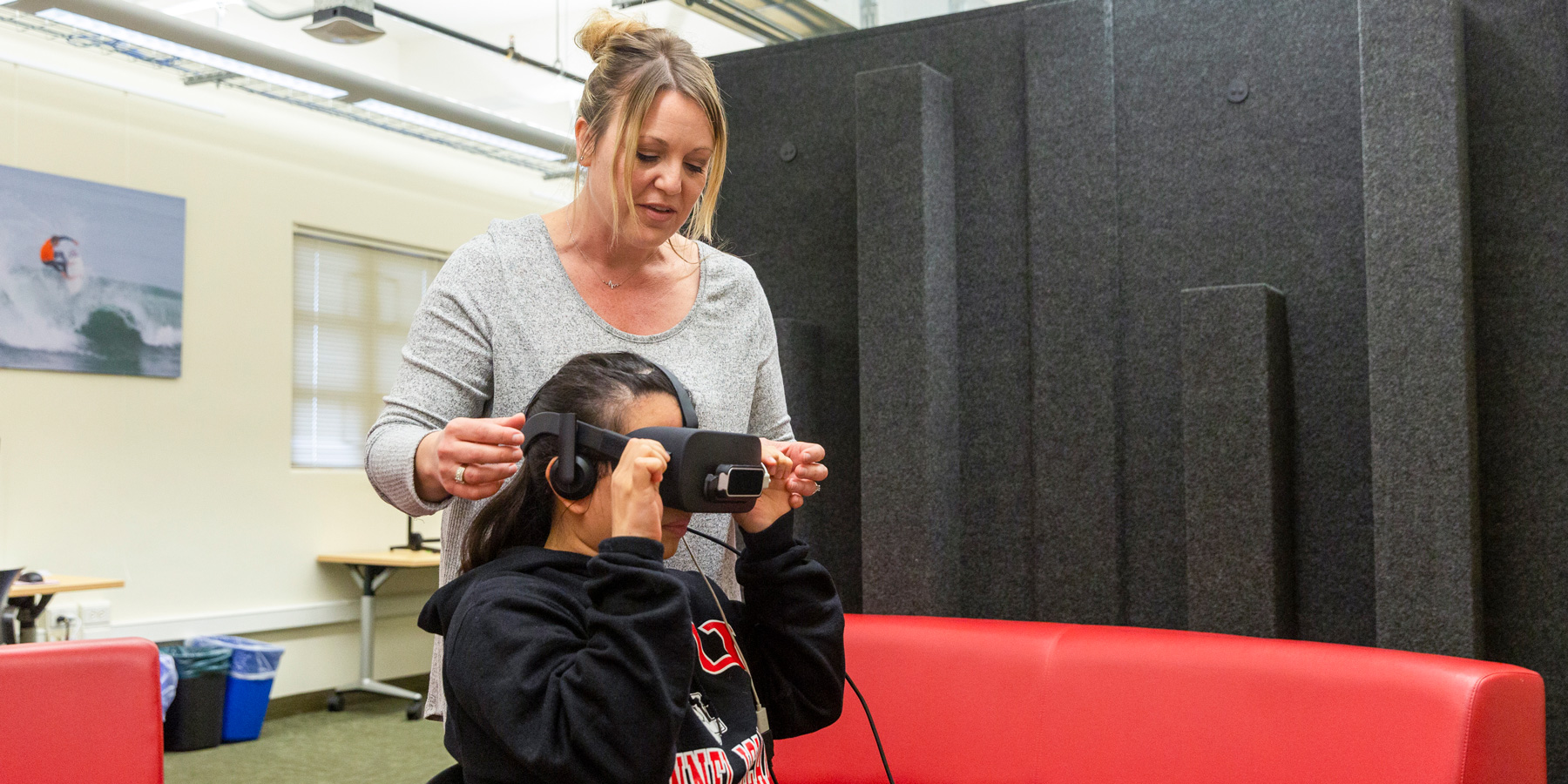
Dr. Jaime Hannans is an Associate Professor of Nursing at California State University Channel Islands (CSUCI), where she has been a faculty member since 2009. She is widely recognized for her innovative integration of virtual reality (VR) and mixed-reality technologies into nursing education to enhance student empathy and clinical preparedness. Her work has been acknowledged with the Faculty Innovation and Leadership Award from the CSU Office of the Chancellor. She collaborates with Embodied Labs and CSU Northridge’s SimPact program to create immersive simulations that allow nursing students to experience patient perspectives, particularly those of aging adults with sensory impairments or facing end-of-life decisions. University: California State University Channel Islands School: College of Arts and Sciences Department: Department of Nursing Academic Rank: Associate Professor Dr. Hannans' research interests center on nursing education, patient empathy, clinical simulation, and the use of immersive technologies such as VR to train healthcare professionals. Her educational philosophy emphasizes experiential learning and emotional engagement, aiming to cultivate compassionate, patient-centered nurses. She was inspired by personal experiences with family members' healthcare and her aunt’s legacy in nursing at Humboldt State University. The articles attributed to her reflect a consistent focus on innovative teaching methodologies, particularly the use of virtual and mixed reality to simulate patient conditions such as macular degeneration, hearing loss, and end-of-life scenarios. These works highlight trends in technology-enhanced pedagogy, empathy development, and the transformation of nursing curricula through digital innovation. Scientific Awards: Faculty Innovation and Leadership Award from the CSU Office of the Chancellor Dr. Hannans has not only advanced her own teaching but has contributed to broader educational reform by partnering with other CSU campuses and external organizations. She has been instrumental in securing programmatic support for simulation-based learning and advocating for the expansion of immersive technologies in healthcare education. While no direct mention of grants is made, her collaborative projects suggest active engagement in funded educational initiatives. She leads the VR lab in the nursing program at CSUCI, launched in 2018, and works with interdisciplinary teams including special education faculty and actors who provide real-time responses in mixed-reality simulations. Her lab serves as a model for how technology can humanize medical training and prepare nurses for emotionally complex clinical environments.