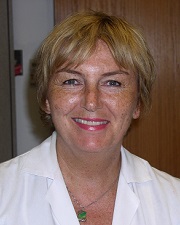
Marianne Verhaar is a Full Professor at Utrecht University Medical Center (UMC Utrecht), leading the Department of Nephrology and Hypertension since 2014. A medical doctor and internist-nephrologist, she integrates clinical practice with regenerative nephrology and vascular biology research, holding a Cum Laude PhD in the latter field. Education: MD (Medical Doctor) PhD Cum Laude in Vascular Biology Dr. Verhaar’s research focuses on circulatory health , regenerative medicine , and vascular biology , particularly kidney-cardiovascular interactions. Her recent publications highlight trends in cardiorenal research, proteomics in heart failure, and challenges in clinical trials for kidney and cardiovascular diseases. Scientific Awards & Honors: Dirkzwager-Assink Award NWO Vidi & ASPASIA grant (2008) NWO Veni grant (2002) Jaarprijs Vasculaire Biologie, Nederlandse Vereniging voor Cardiologie (1998) She co-founded UMC Utrecht’s Regenerative Medicine & Stem Cells strategic program and serves on advisory boards for regenerative medicine initiatives, including the Strategic Alliance between UMC Utrecht, Eindhoven University of Technology, and Utrecht University.
Dr. Sanjay Patel is a Clinical Professor at the Sydney Medical School and a Senior Lecturer in the Medicine faculty. He serves as a Staff Interventional Cardiologist and Director of the Cardiac Catheterisation Laboratory at Royal Prince Alfred Hospital, while also leading the Coronary Diseases Group at the Heart Research Institute. His work bridges clinical cardiology with translational research focused on inflammatory mechanisms in cardiovascular disease. Education: MBBS (Hons 1) from University of Sydney (2000) Doctoral Studies: PhD with NHF scholarship (2009) Postdoctoral Training: Stanford University (2009-2010) under NHMRC CJ Martin Fellowship Dr. Patel's research focuses on colchicine therapy for acute coronary syndrome, TRAIL signaling in vascular disease, β3 adrenergic agonists for peripheral artery disease, and nanomedicine applications in atherosclerosis. His work combines clinical trials with molecular investigations into neutrophil function , vascular smooth muscle plasticity , and endothelial dysfunction . Recent publications highlight trends in anti-inflammatory therapies for cardiovascular disease, with 15/28 articles since 2021 involving colchicine mechanisms. His team explores novel pathways like CX3CL1-Fc and microRNA modulation in atherosclerosis. Scientific Awards NHF Postgraduate Scholarship (2006-2009) NHMRC CJ Martin Overseas Fellowship (2009-2010) National Heart Foundation Vanguard Grants (2018, 2020, 2022) NHMRC Early Career Fellowship (2010) NSW Health Early Mid-Career Grant (2017, 2020) Dr. Patel collaborates with multidisciplinary teams including interventional cardiologists, vascular biologists, and nanomedicine experts. Current projects investigate colchicine's effects on miRNA levels , neutrophil extracellular traps , and metabolomic profiles in coronary patients.
Professor Philip Barter is affiliated with the Central Clinical School at the University of Sydney , focusing on cardiovascular diseases , lipid metabolism , and metabolic syndrome . His research examines the role of high-density lipoproteins (HDL) in reducing inflammation, improving endothelial function, and mitigating diabetes-related complications. Key themes: Obesity, Diabetes, Cardiovascular Disease Email: philip.barter@sydney.edu.au Phone: +61 2 9550 3560 Research Interests include HDL biology, cholesteryl ester transfer protein (CETP) inhibition, and the interplay between lipid metabolism and inflammatory pathways. His work spans clinical trials , animal models , and metabolic biomarker analysis . Publication Trends highlight HDL's therapeutic potential in diabetes, atherosclerosis, and vascular inflammation. Articles often analyze pharmacological agents like statins and CETP inhibitors, alongside epidemiological studies in diverse populations. Collaborations involve institutions such as the Heart Research Institute and multi-center trials like the Mercy Study and FIELD trials. His work frequently addresses cardiovascular risk prediction and lipid-lowering therapies .
Conny Neelen is a researcher in the Department of Immunology at Erasmus University Rotterdam's Erasmus MC, University Medical Center Rotterdam. Her work bridges ophthalmology and immunology with a focus on retinal pathologies and vascular mechanisms. Her research spans Ophthalmology , Immunology , and Vascular Biology , investigating molecular pathways in diabetic retinopathy, uveitis, and retinal vasculitis. Key interests include pericyte function, lipoprotein metabolism, and inflammatory mediators like TNFα and interferons in ocular diseases. She examines cellular mechanisms involving endothelial cells, fibroblasts, and immune responses in conditions ranging from sarcoidosis to cancer-related vascular leakage. Recent publications (2019-2025) reveal a consistent focus on translational ophthalmic research. Her work connects immune dysregulation with vascular complications in diabetic retinopathy, explores antigenic targets in autoimmune uveitis, and investigates tumor microenvironment interactions for drug delivery optimization. The research demonstrates interdisciplinary integration of immunology, vascular biology, and nanomedicine with direct clinical implications for eye disease treatment.
Edward Moreira Bahnson is an Assistant Professor in the Department of Cell Biology & Physiology at the University of North Carolina School of Medicine. He leads the Bahnson Research Group within the Center for Nanotechnology in Drug Delivery and McAllister Heart Institute, focusing on diabetic vasculopathies and redox-based nanotherapies for cardiovascular disease. His research program centers on understanding redox dysfunction in diabetic vasculature and developing targeted nanotherapies. Key research themes include: Manipulating vascular redox environment to treat arterial disease Investigating air pollution effects on vascular surgery outcomes Developing nanocarriers for localized delivery of redox therapeutics Preventing restenosis through Nrf2 pathway activation Analysis of recent publications reveals strong focus on Antioxidant Response Activating nanoParticles (ARAPas), computational vascular modeling, and uremic vascular complications. His work bridges chemistry, biology, and translational medicine with emphasis on diabetic vascular complications. Bahnson actively mentors graduate students and postdocs through UNC's Biological and Biomedical Sciences Program, Pharmacology, and Toxicology curricula. His lab participates in the Integrative Vascular Biology Training Program and maintains collaborations across vascular surgery and nanotechnology disciplines. The lab operates within UNC's Center for Nanotechnology in Drug Delivery, leveraging interdisciplinary resources for nanotherapeutic development. Recent activities include vascular biology symposium participation, escape room team-building, and summer research celebrations with undergraduate programs like UNC SOLAR.
Prithu Sundd, PhD is a Senior Investigator at Versiti Blood Research Institute and holds dual professorships at Medical College of Wisconsin as Professor of Biomedical Engineering and Professor of Medicine in the Division of Hematology and Oncology. Education: Doctor of Philosophy from Ohio University Postdoctoral Fellow at La Jolla Institute of Immunology Dr. Sundd's research focuses on understanding innate immune pathways in neutrophils and platelets, and extracellular vesicle-dependent intercellular communication that promote pulmonary thrombo-inflammation in Sickle Cell Disease, joint damage in Hemophilia, and cigarette smoke-induced flu severity. His lab utilizes advanced techniques including Multi-Photon-Excitation fluorescence intravital microscopy, ex vivo microfluidic studies with patient blood, and characterization of extracellular vesicles. Analysis of Dr. Sundd's recent publications reveals a consistent focus on thrombo-inflammatory mechanisms across multiple disease contexts, particularly in sickle cell disease. His work spans fundamental biomechanics of cell interactions to translational studies exploring therapeutic interventions. A significant portion of his research examines the liver-lung axis in sickle cell complications, the role of extracellular vesicles in disease pathogenesis, and the impact of environmental factors like cigarette smoke on disease severity. Dr. Sundd currently serves as Contact PI on multiple major grants including NHLBI R01 HL128297 (2015-2025), NHLBI R01 HL166345 (2023-2027), American Heart Association 23TPA1074022 (2023-2026), and CSL Behring Inc Research Acceleration Initiative (2021-2026). His mentorship has produced several successful independent investigators including Dr. Margaret Bennewitz (Assistant Professor of Biomedical Engineering, West Virginia University) and Dr. Tomasz Brzoska (Assistant Professor of Medicine at University of Pittsburgh). The Sundd Lab maintains an active research program with current members including Research Scientist II Tomasz Kaminski, Postdoctoral Fellows Manikanta and Ayyanar Sivanantham, Senior Tech Nicholas Swendrowski, and Research Scientist I Marta Wolosowicz. The lab's sophisticated imaging and microfluidic capabilities enable groundbreaking research on blood cell interactions in living organisms.
Ayten Üstündağ is an Associate Professor at Trakya University Faculty of Medicine, Department of Geriatrics, specializing in geriatric syndromes, nephrology, and diabetes complications. Her research bridges aging physiology, sleep disorders, and metabolic health in elderly populations. Education: Bachelor's Degree (2000) Master's Degree (2007) Doctoral Degree (2014) Her primary research focuses on geriatric syndromes , particularly the interplay between sarcopenia , sleep architecture , and cognitive decline in aging. Recent work examines how vascular remodeling, nutritional status, and circadian rhythms modulate frailty progression. She employs advanced methodologies including Mendelian randomization and community-based cohort studies across Turkey and international collaborations. Analysis of her 15 most recent publications (2020-2025) reveals a dominant trend in sleep-aging interactions , with 60% of articles investigating sleep disorders' role in sarcopenia, cognitive impairment, and metabolic dysfunction. Subfields consistently include vascular aging, gut microbiome interactions, and geriatric assessment tools, reflecting her systems-based approach to elderly health. Scientific Recognition: Anadolu Böbrek Vakfı Best Poster Award (2010) for hypertension and atherosclerosis research She has led three major research projects (2013-2024) on hypertension mechanisms, vitamin D polymorphisms in diabetes, and TIMP-1 genetics in liver cirrhosis. As a referee for journals including Turkish Journal of Nephrology and Balkan Medical Journal , she contributes to scholarly quality control in nephrology and hepatology. Her editorial work includes a 2020 chapter on nutritional assessment in primary care.
Henning Morris Bay Nielsen serves as a Clinical Professor in the Department of Clinical Medicine and holds an Affiliate Professor position in the Department of Nutrition, Exercise and Sports at the University of Copenhagen's Faculty of Health and Medical Sciences. His work is specifically associated with The August Krogh Section for Molecular Physiology. Based at two Copenhagen addresses (Blegdamsvej 3 and Nørre Allé 51), he maintains active clinical and research roles with recent publications extending into 2025. Dr. Nielsen's research spans multiple clinical domains with particular emphasis on respiratory physiology, vascular surgery complications, and exercise physiology. His work demonstrates a strong clinical focus with numerous studies on abdominal aortic aneurysm surgery, respiratory failure, pulmonary fibrosis following infections, and the physiological effects of different exercise modalities. His publications reveal consistent collaboration with multidisciplinary research teams across medical specialties. Analysis of his recent publications (2025-2016) shows a clear trajectory focusing on biomarkers for clinical assessment, particularly in respiratory conditions and post-surgical outcomes. His research combines laboratory analysis with clinical observations, often in the context of vascular procedures and critical care medicine. The work frequently addresses practical clinical questions with immediate applicability to patient management. With 31 total research outputs including 29 journal articles, 1 editorial, and 1 review, his scholarly contributions have garnered attention across academic platforms with readership on Mendeley and mentions on social media. His work has been referenced in patents and featured on social media platforms, indicating practical applications of his research. Dr. Nielsen's laboratory and research team appear to focus on clinical physiology, particularly examining how various interventions affect physiological parameters in patients with vascular and respiratory conditions. His work often involves collaborations across departments and institutions, suggesting an integrated approach to clinical research that bridges basic science and patient care.
Maureen E. Basha serves as an Associate Professor of Research in the Department of Physiology at LSU Health New Orleans, focusing on urogenital smooth muscle physiology, genitourinary syndrome of menopause, vulvodynia, and team-based learning in medical education. She teaches Human Physiology for Dental and Nursing students while co-directing the Nursing Human Physiology Course since 2018. Her educational background includes: PhD in Animal Physiology from the University of Minnesota (2003) Post-Doctoral Fellowship at the University of Pennsylvania, Department of Surgery, Division of Urology (2004-2007) Dr. Basha's research centers on molecular and functional characteristics of urogenital tissues, particularly investigating estrogen effects, hormonal contraceptive impacts on female sexuality, and pain mechanisms in vulvodynia. Her work bridges basic physiology with clinical applications in women's health and innovative medical education methodologies. Publications from 2011-2016 reveal consistent focus on smooth muscle function across bladder and vaginal tissues, with emphasis on sex differences, hormonal regulation, and pathological conditions like pelvic organ prolapse. Recent work also addresses gender representation in medical education leadership. No scientific awards are documented in the current profile. Details regarding research grants, student mentorship, or collaborative teams are not specified in available materials.
Charlotte Esser serves as Research Professor and Working Group Leader at the Leibniz Institute for Environmental Medicine Research (IUF) in Düsseldorf, Germany, where she directs immunotoxicology research focusing on the aryl hydrocarbon receptor (AHR) in skin and intestinal immunity. Her group investigates how environmental pollutants, dietary compounds, and microbial metabolites influence AHR signaling pathways. Research interests center on AHR's dual roles in xenobiotic metabolism and immune regulation, with particular emphasis on skin barrier function, gut microbiome interactions, and sex-specific responses to toxins. Current projects examine dioxin effects on gut microbiota, the gut-skin axis in atopic dermatitis, and γδ T cell regulation in skin cancer defense. The group developed FlowSoFine™, a computational tool for microbiome analysis from flow cytometry data. Article trends reveal consistent focus on AHR's immunomodulatory functions across multiple systems, with increasing attention to sex differences in toxicology and translational applications. Recent work bridges environmental exposures with clinical outcomes in autoimmune disorders, metabolic disease, and skin cancer. Esser supervises the institute's central FACS and Cell Sorting Unit while mentoring postdocs Doreen Reichert and Nadine Pierchala, PhD candidates Hafssa Fraii, Alexander Meißner, and Simon Leander Sollberg, and master's student Ellen Franziska Rieger. Her projects receive funding from the Deutsche Forschungsgemeinschaft (DFG) and Wilhelm Sander Foundation. National collaborators include researchers from University of Bonn, University of Duisburg-Essen, and German Cancer Research Center, while international partnerships span South Korea, Poland, and Serbia. Current work integrates human skin models with immune cells to study non-melanoma skin cancer defense mechanisms.
Dr. Marie-Françoise J. Doursout is a Professor in the Department of Pharmacology at McGovern Medical School, The University of Texas Health Science Center at Houston. With over three decades of research experience since earning her PhD in Pharmacology with honors in 1986, she maintains an active research program focusing on neurodegenerative diseases, cardiovascular function, and immune modulation. Dr. Doursout received her Bachelor of Science in Biology from Ecole Superieure des Techniques de Biologie Appliquees in 1978 and completed her doctoral studies at Ecole Pratique des Hautes Etudes. Her research program demonstrates remarkable interdisciplinary integration across pharmacology, neuroscience, and immunology, with particular emphasis on developing interventions for neurodegenerative conditions and stress-related pathologies. Her research interests include neuroprotection mechanisms, dietary interventions for neurodegenerative diseases, cardiovascular pharmacology, immune response modulation, and stress physiology. Dr. Doursout has pioneered investigations into compounds like Enzyme-Treated Asparagus Extract (ETAS) and Active Hexose Correlated Compound (AHCC) for their therapeutic potential in neurological and inflammatory conditions. Analysis of her recent publications reveals a strong focus on neurodegeneration models, particularly Alzheimer's disease using APP-overexpressed mice, and the investigation of dietary compounds for neuroprotection. Her work bridges basic pharmacological mechanisms with translational applications, examining how natural compounds can modulate inflammatory pathways, enhance immune function, and protect against neurodegenerative processes. Dr. Doursout has successfully secured significant research funding as Principal Investigator for projects totaling over $186,000, including grants from Amino Up (Japan) and the Cardiovascular Research Alliance. She also serves as Co-Investigator on multiple NIH RO1 grants totaling millions of dollars, contributing her expertise to projects investigating neurodegenerative diseases, vascular dysfunction, and polymer effects on oxygen delivery. Her grant portfolio demonstrates her ability to secure both industry and federal funding across multiple research domains. Her laboratory work integrates advanced techniques including fluorescence deconvolution microscopy, thromboelastography, and animal models of disease to investigate the cellular and molecular mechanisms underlying neurodegenerative conditions and cardiovascular pathologies. Dr. Doursout's research team collaborates extensively across institutions, working with researchers from Rice University and international partners in Japan.
Victoria HJ Roberts is an Associate Professor in the Division of Developmental and Reproductive Sciences at the Oregon National Primate Research Center (ONPRC), part of Oregon Health & Science University (OHSU). Her research focuses on placental development and function using advanced imaging and experimental techniques to address pregnancy complications. Her academic background includes: B.S. from the University of Reading (1999) Ph.D. from the University of Manchester (2004) Postdoctoral Fellowship at the University of Cincinnati (2008) Dr. Roberts' work centers on placental physiology and developmental biology, employing in vivo imaging (ultrasound, MRI) to assess placental hemodynamics in nonhuman primate models and pregnant women. Her in vitro functional experiments on post-delivery placental tissue reveal regulatory mechanisms and developmental changes in adverse conditions, aiming to improve clinical management of at-risk pregnancies through better understanding of placental insufficiency. Her publication trends demonstrate consistent innovation in placental imaging techniques, with recent work emphasizing MRI and ultrasound applications for predicting adverse outcomes. The research bridges basic developmental biology and clinical obstetrics, utilizing nonhuman primate models as critical translational tools for human pregnancy complications. Dr. Roberts has received significant recognition: SMFM Research Excellence Award (2016, Atlanta) SMFM Research Excellence Award (2017, Las Vegas) AJOG Highly Cited Publication Award (2018) AJOG Highly Cited Publication Award (2019) No specific information about student advising or grant funding was provided in the source material. She leads placental imaging initiatives within the ONPRC's Division of Developmental and Reproductive Sciences and collaborates extensively through OHSU's Placenta Imaging Group and multi-institutional research consortia focused on pregnancy assessment and placental health.
Isabel Brosius is a researcher affiliated with the Institute of Tropical Medicine Antwerp (ITM) in Belgium. Her work focuses on tropical medicine, virology, and infectious disease epidemiology. She holds a Master’s degree and has contributed to high-impact studies on monkeypox (mpox), schistosomiasis, and SARS-CoV-2 immunology. Brosius leads the 'Scabies1' project (2023–2025), investigating rising scabies cases in Flanders. She has published extensively in journals like The Lancet and Nature Medicine, with recent work analyzing mpox outbreaks in the Democratic Republic of the Congo and evaluating antimalarial treatments for schistosomiasis in children. Her research spans viral epidemiology, drug efficacy trials, and public health interventions. Brosius collaborates with global institutions, addressing emerging pathogens and tropical diseases. Key contributions include insights into mpox transmission dynamics, cytokine profiles in viral infections, and long-term outcomes of infectious diseases. Funding includes grants from the Flemish Government’s Agency for Care & Health.
Dr. Dilys Freeman is an Honorary Senior Lecturer at the University of Glasgow's School of Cardiovascular & Metabolic Health. She joined the university in 1999 after previous academic appointments at the University of Durham and postdoctoral work at the University of Texas Southwestern Medical Center. Her educational background includes a PhD from Glaxo Group Research and a Biochemistry degree from the University of Edinburgh. Research Focus Dr. Freeman's research centers on metabolic dysregulation in pregnancy, including vascular complications like preeclampsia, gestational diabetes, and fetal growth restriction. She investigates lipid/carbohydrate metabolism, adipose tissue biology, placental regulation, and ethnic disparities in metabolic responses. Her work bridges clinical and molecular aspects of obesity, diabetes, and cardiovascular health during pregnancy. Publication Trends Her recent articles (2017–2025) emphasize HDL functionality, adipose tissue dynamics, lipidomic biomarkers, and metabolic adaptations in pregnancy. Collaborative studies explore ethnic variations in weight gain responses, extracellular vesicles in vascular protection, and micronutrient deficiencies in maternal health. Research consistently integrates molecular mechanisms with clinical outcomes. Awards & Advising No awards, students, or grants are detailed in the provided text. Dr. Freeman collaborates extensively with institutions like the University of Edinburgh and international teams, focusing on translational research in metabolic health.
Pei-Yu Chen is a Senior Research Scientist in the Department of Cardiovascular Medicine at Yale School of Medicine. She holds a PhD from the University of Maine (2009) and specializes in elucidating mechanisms underlying cardiovascular diseases, including atherosclerosis, aortic aneurysms, and vascular inflammation. Her work focuses on TGFβ signaling, endothelial-to-mesenchymal transition (EndMT), and the role of FGF and mTOR pathways in vascular pathologies. Recent efforts aim to develop safer drug delivery methods targeting these pathways. Research Interests: Chen's studies integrate molecular biology and translational approaches to understand how cellular signaling cascades drive vascular disease progression. Key areas include: TGFβ and FGF pathway cross-talk in endothelial dysfunction Mechanisms of smooth muscle cell phenotypic switching Role of mTOR in vascular inflammation and remodeling Preclinical models for atherosclerosis and aneurysm studies Publications Highlight: Her recent articles (2020-2023) emphasize TGFβ inhibition strategies, EndMT regulation, and mTOR pathway interventions. A 2023 study proposed novel therapeutic approaches targeting TGFβ signaling in cardiovascular diseases. Awards: No specific honors listed, though her research has been highlighted in Yale Medicine articles for innovative drug delivery concepts. Collaborations: Works closely with cardiovascular teams at Yale School of Medicine, focusing on preclinical drug development and vascular biology.