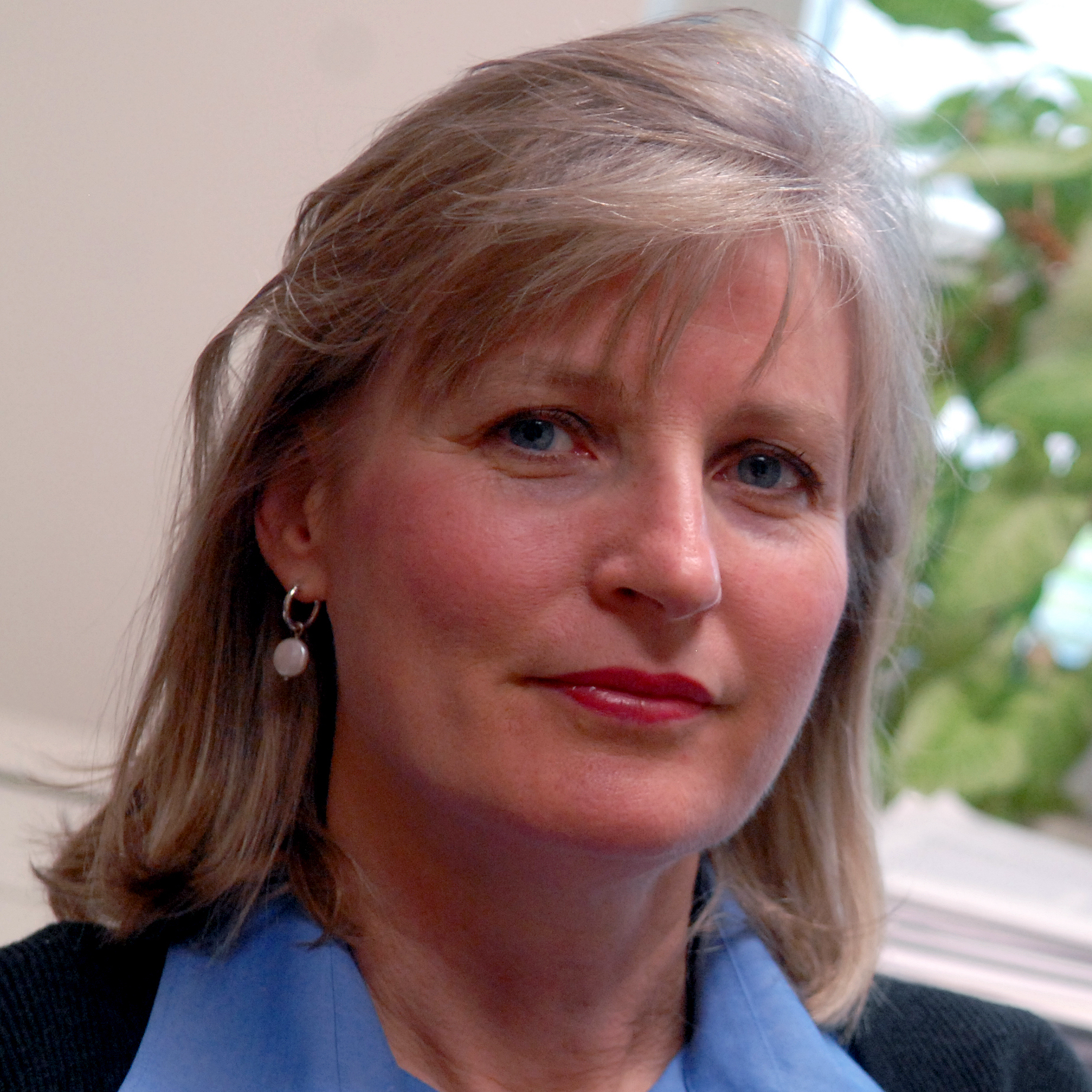
Jaquelin Dudley is Professor in Molecular Biosciences and Associate Director of the LaMontagne Center for Infectious Disease at UT Austin. Her lab studies mouse mammary tumor virus (MMTV) as a model for breast cancer and retroviral pathogenesis. Research Focus: MMTV-induced tumor mechanisms through insertional mutagenesis Viral Rem protein processing via ERAD pathways APOBEC-mediated antiviral innate immunity Publication analysis shows 45% focus on viral replication, 30% on cancer links, 15% on immunity, and 10% on gene therapy vectors. Recent studies examine VCP/p97-mediated viral protein trafficking. Honors & Education: American Academy of Microbiology Fellow (2009) PhD from Baylor College of Medicine Postdoctoral training with Harold Varmus (UCSF)
University of California, San FranciscoUnited States
Dr. Daniel Southworth is a Professor in the Department of Biochemistry and Biophysics at the University of California San Francisco (UCSF), affiliated with the Institute for Neurodegenerative Diseases (IND). He earned his BS from UC Santa Cruz and PhD from Johns Hopkins University, followed by postdoctoral training at UCSF. His research focuses on molecular chaperones and protein quality control mechanisms relevant to neurodegenerative diseases like Alzheimer’s and Parkinson’s. Using cryo-electron microscopy (cryo-EM), his lab investigates chaperone machinery structure-function relationships, amyloid aggregation pathways, and therapeutic strategies targeting molecular chaperones. Key research areas include: (1) Structural biology of chaperones like Hsp90, CHIP, and Hsp104; (2) Mechanisms of tau and α-synuclein aggregation; and (3) Development of cryo-EM techniques for studying protein complexes. Recent work has revealed novel filament structures in neurodegenerative diseases and identified polyphosphate’s role in amyloid formation. His lab pioneered studies on VCP/p97 AAA+ ATPases and their adaptors, elucidating their roles in protein quality control. Collaborations include CRISPR-based screening in iPSC-derived neurons and drug design targeting chaperone-driven proteostasis. Notable contributions include cryo-EM structural analysis of SARS-CoV-2 proteins and methodological advancements in cryo-EM imaging using K3 cameras. Current research emphasizes translating structural insights into therapeutic approaches for neurodegenerative disorders.
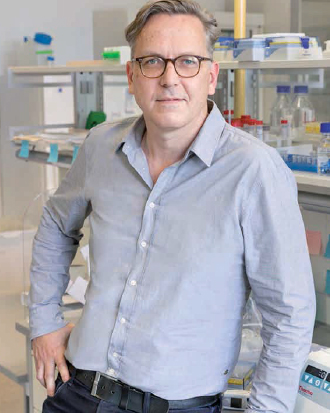
Prof. Hemmo Meyer is a Professor at the University of Duisburg-Essen, leading the Molecular Biology I group within the Center of Medical Biotechnology (ZMB) in the Faculty of Biology. His research focuses on cellular stress responses, proteostasis, and the roles of the ubiquitin-proteasome system (UPS) and autophagy in maintaining cellular homeostasis. He explores how the AAA+-type ATPase VCP/p97 governs processes like ER-associated degradation, DNA damage repair, and lysophagy, particularly in contexts of degenerative diseases and cancer therapy. He is also the speaker of the Collaborative Research Center (CRC) 1430 and contributes to EU and NRW funding programs. His lab distributes plasmids via Addgene.org. Research interests include deciphering molecular mechanisms of stress-induced cell death and aging-related degeneration. Key areas involve the UPS’s coordination with cell cycle pathways, lysosomal damage sensing, and the structural biology of VCP/p97 complexes. His work bridges basic science and translational research, targeting VCP/p97’s role in diseases like ALS and FTD. Recent studies highlight discoveries of signaling pathways involved in lysosomal repair and autophagy, such as SPG20-ITCH-mediated lysophagy and UBE2QL1’s coordination of cellular responses to endolysosomal damage. Prof. Meyer collaborates extensively, working with researchers on projects ranging from structural biology to drug development. His contributions include identifying VCP/p97’s role in nuclear assembly and spindle disassembly, as well as its interactions with kinases like Aurora B. His lab’s methods span biochemistry, cell biology, and nanotechnology, including the use of calcium phosphate nanoparticles and DNA origami systems for studying cellular processes.
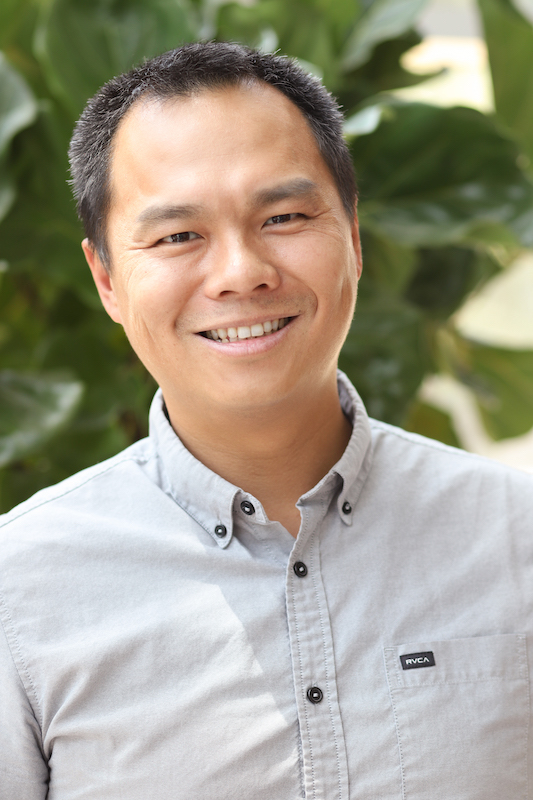
Peter Shen is an Associate Professor in the Department of Biochemistry at the University of Utah, specializing in protein homeostasis, structural biology, and cryo-electron microscopy. His research focuses on molecular mechanisms governing protein quality control, including synthesis, folding, and degradation pathways essential for cellular health. Key research areas include: Protein synthesis (ribosomes) Protein folding (chaperonins) Unfolding pathways (AAA+ ATPases) Disease mechanisms in cancer and neurodegeneration Shen's lab utilizes cryo-EM for high-resolution structural analysis of dynamic macromolecular complexes. Recent work highlights structural heterogeneity studies, therapeutic development targeting quality control failures, and viral protein interactions with host machinery. His publications emphasize cryo-EM methodologies, chaperonin functions, and structural insights into AAA+ ATPases. The lab actively explores viral adaptation mechanisms, transcriptional reprogramming in cancer, and evolutionary structural biology.
Prof. Dr. Hemmo Meyer is a Full Professor of Molecular Biology at the University of Duisburg-Essen, affiliated with the Centre for Medical Biotechnology (ZMB) and the Faculty of Biology. He serves as Principal Investigator in CRC 1093 and CRC 1430, and holds leadership roles such as speaker of CRC1430 and board member of ZMB. Education: Hemmo Meyer earned his PhD in Cell Biology from Philipps-University Marburg (Germany) in 1997, following a Diploma (MSc) in Human Biology from the same institution. His postdoctoral training included studies with Graham Warren at Yale Medical School (USA) and the Imperial Cancer Research Fund (UK). Research Interests: Meyer's work focuses on the AAA+ ATPase VCP/p97, exploring its roles in cellular stress responses, proteostasis, and disease mechanisms. His lab investigates how VCP/p97 coordinates ubiquitin-regulated processes like autophagy, lysophagy, and DNA damage repair, with implications for neurodegenerative disorders and cancer therapy. Key areas include lysosomal damage response (ELDR pathway), ubiquitin chain formation, and protein complex disassembly. Publications Trends: Recent work highlights breakthroughs in understanding VCP/p97's structural and functional roles, including molecular tweezers targeting its pore, light-activatable ubiquitin studies, and mechanisms linking VCP/p97 to hypoxic signaling and lysosome integrity. His research bridges basic science with translational applications, addressing both disease pathogenesis and therapeutic strategies. Grants & Advising: Leads funded projects from DFG consortia, EU programs (EFRE), and NRW initiatives. His lab collaborates with institutions like the International Max Planck Research School for Living Matter. No formal advisee/PhD student names are explicitly listed in the provided texts. Labs & Teams: Directs the Meyer Group at ZMB, comprising scientists such as Dr. Johannes van den Boom, Dr. Bojana Kravic, and Dr. Pinki Gahlot. The group uses proteomics, biochemical reconstitution, and cell biological techniques to study VCP/p97 systems.
Malavika Raman is an Associate Professor in the Department of Developmental, Molecular and Chemical Biology at Tufts University School of Medicine. Her research focuses on mechanisms maintaining cellular protein homeostasis, particularly the role of the VCP AAA-ATPase in ubiquitin-mediated substrate degradation. She investigates VCP's functions in ER-associated degradation, autophagy, DNA damage responses, and neurodegenerative disorders linked to VCP mutations. Her work bridges basic molecular mechanisms with clinical implications in cancer and neurodegeneration. Education: Ph.D., University of Texas Southwestern Medical Center (2006); M.Sc., Birla Institute of Technology and Science, India (2000) Research Interests: VCP-ubiquitin adaptor networks Proteostasis dysfunction in disease ER stress and UPR regulation Aggresome formation and protein aggregation Recent work highlights multi-adaptor recruitment of VCP to stress granules, peroxisome abundance regulation via UBXD8, and ALS-linked p97 mutations disrupting lysophagy. Her NIH-funded studies explore VCP's role in protein quality control across cellular compartments. Grants: Active funding includes NIH grants (2018-2023) and American Cancer Society awards targeting VCP's role in multiple myeloma. Teaching: Leads graduate courses in Cell Biology, Biochemistry, and Molecular Biology at Tufts SOM. Supervises laboratory rotations and seminar discussions. Professional Activities: Serves on committees for the American Society for Cell Biology, American Association for the Advancement of Science, and Tufts' Building Diversity in Biomedical Science initiative.
Evangelos Kiskinis, PhD, is an Associate Professor of Neurology and Neuroscience at Northwestern University Feinberg School of Medicine. His research focuses on leveraging induced pluripotent stem cells (iPSCs) to model ALS and pediatric epilepsy, with a strong emphasis on identifying convergent molecular pathways and developing targeted therapies. Education: PhD from Imperial College London (2008); Postdoctoral training at Harvard Stem Cell Institute (2014). His lab is pioneering the use of iPSCs and direct reprogramming to generate CNS neuronal subtypes (motor neurons, astrocytes, cortical neurons) and investigate disease mechanisms via genomic, biochemical, and electrophysiological assays. Recent work highlights dysregulation of microtubules, nuclear import, and RNA metabolism in ALS, with therapeutic strategies including RNA bait and anti-cancer drugs. His publications span high-impact journals like Science Advances , Neuron , and Cell Stem Cell , focusing on ALS/FTD, epilepsy, and stem cell technologies. Notable scientific awards include the NYSCF-Robertson Investigator Award, Falk Catalyst Award, and multiple NIH grants (R01, R21). He serves as Scientific Director of the Live Like Lou Foundation and on advisory boards for Axion Biosystems and Synapticure. His lab comprises 12 members, including postdocs, graduate students, and technicians.
Bente Benedict is an active Researcher at the University of Copenhagen, affiliated with both the Center for Protein Research (CPR) and the Biotech Research & Innovation Centre (BRIC). Her institutional address is Ole Maaløes Vej 5, 2200 København N, Denmark. She maintains dual email contacts through BRIC and CPR domains and is actively publishing in high-impact journals. Her research focuses on molecular mechanisms of DNA repair, particularly translesion DNA synthesis, DNA interstrand crosslink repair, and formaldehyde-induced DNA damage. Key areas include ubiquitin signaling pathways, p97/VCP cofactor functions, and Fanconi anemia pathway mechanisms. Recent work demonstrates expertise in protein-DNA interactions and enzymatic functions in genome maintenance. Analysis of her 2022-2024 publications reveals consistent contributions to understanding error-free DNA repair mechanisms, with emphasis on structural and functional characterization of repair proteins. Her work spans biochemical, cellular, and structural approaches to elucidate DNA damage response pathways. Benedict collaborates extensively with the Duxin Group and international researchers across molecular biology and genetics. Her publications in Nature Structural and Molecular Biology, Nature Communications, and DNA Repair indicate significant contributions to the field of genome stability research.
Melanie Weisser serves as a Visiting Professor at the Novo Nordisk Foundation Center for Protein Research, University of Copenhagen, actively contributing to the Montoya Group's research in molecular and cellular mechanisms. Her work bridges biochemistry, cell biology, and epigenetics with a focus on protein phosphatases and chromatin dynamics. Her research interests prominently feature Protein Phosphatases (particularly PP2A complexes), Chromatin and Epigenetics , and DNA Replication . She investigates structural recognition principles in enzyme-substrate interactions, histone recycling pathways for epigenetic memory, and viral manipulation of host cellular machinery, with implications for cancer biology and infectious disease. Analysis of her 2021-2024 publications reveals consistent emphasis on protein-protein interaction networks in genome stability, including PP2A-B55 substrate specificity, fork protection complex mechanisms, and SARS-CoV-2 NSP3 protein interactions. Her work demonstrates interdisciplinary integration of structural biology, biochemistry, and cell signaling approaches. Dr. Weisser operates within the Montoya Group at the Center for Protein Research, leveraging collaborative networks evident through extensive co-authorship patterns and significant scholarly engagement across platforms like Mendeley and news outlets.