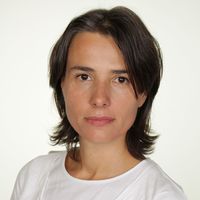
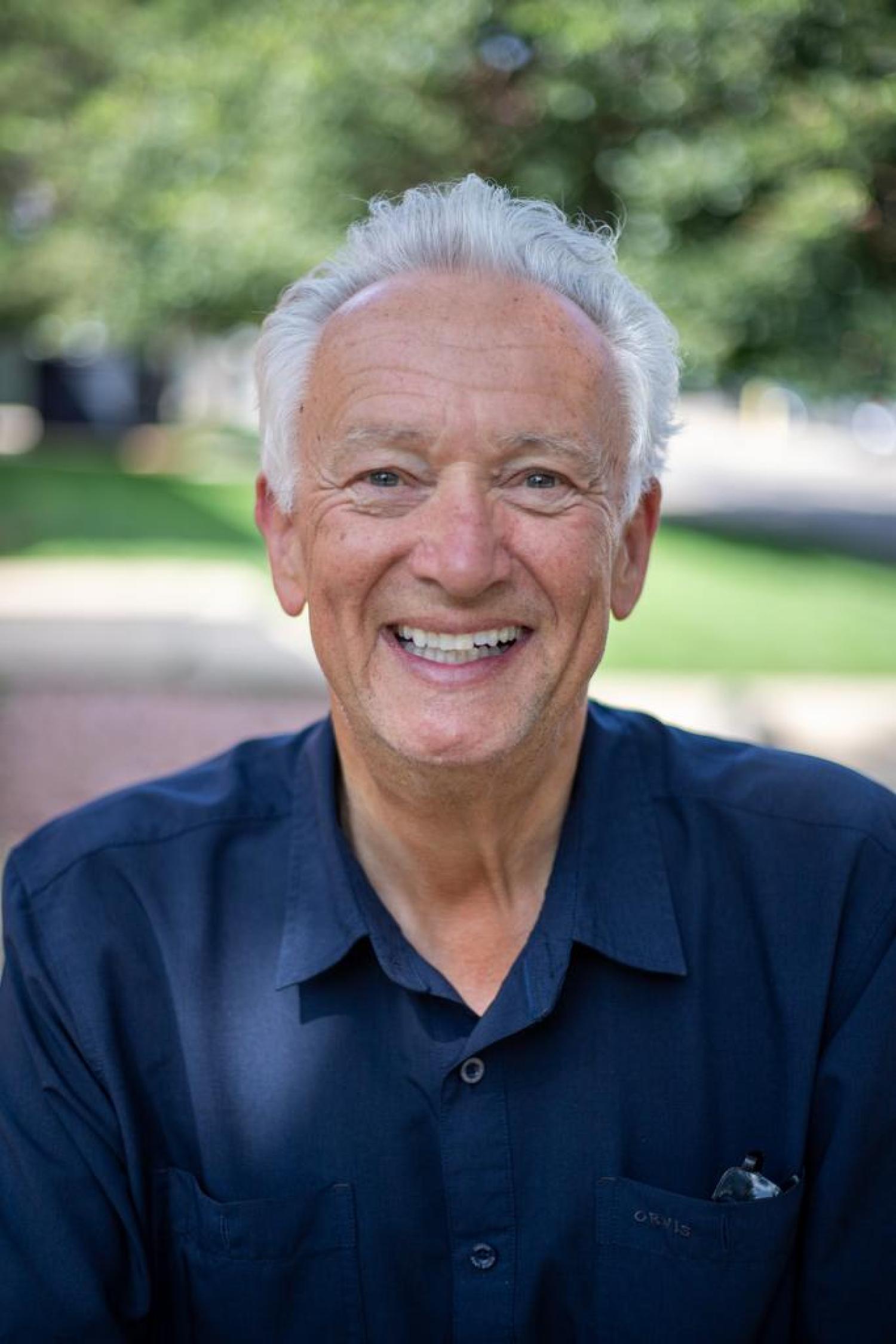
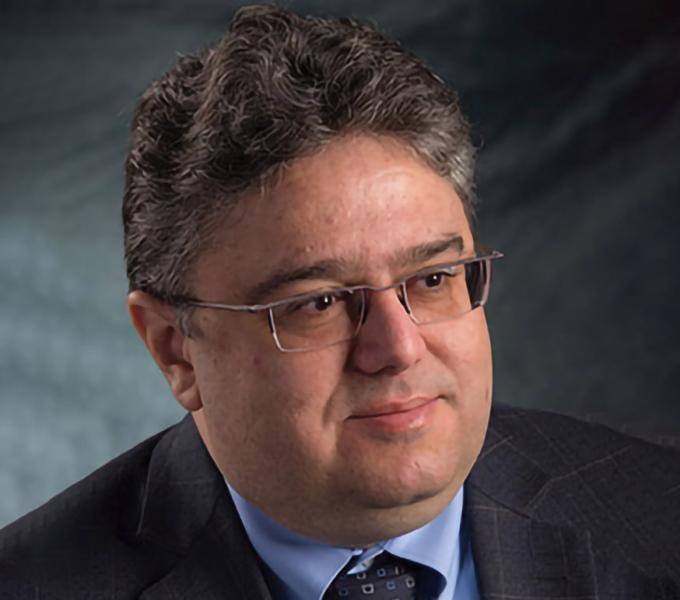
Melanie Hayes is a Conjoint Senior Lecturer at the University of Newcastle and a Senior Lecturer in Interdisciplinary Education at the University of Sydney. Her academic and professional roles focus on oral health , musculoskeletal disorders in dental hygiene , and career development in healthcare education.
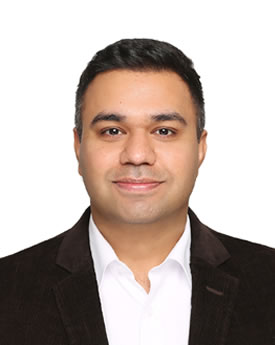
Dr. Sanda-Maria Avram is a faculty member at Babeș-Bolyai University in Cluj-Napoca, Romania, where she teaches in the Faculty of Mathematics and Computer Science. She currently instructs courses in Operating Systems for bachelor's students and oversees the elaboration of Bachelor Theses. Her teaching approach emphasizes practical application and student engagement in both undergraduate and master's programs, having recently completed the sixth iteration of her Adaptive Web Design course with 81 master's students across six sections. Dr. Avram's research spans multiple domains with a current focus on authorship attribution through artificial intelligence, natural language processing, and stylometry. Her work aims to achieve and surpass AI-based results through mathematical approaches. Previously, her research encompassed knowledge discovery, data visualization, web mining, e-learning systems, and networking. She has developed several educational platforms including SINE, PULSE, and PULSE Extended for student evaluation in laboratory settings, addressing the specific needs of Romanian universities where laboratory sessions are mandatory and guided by a single tutor. Her publication record reveals a strong trend toward applying computational methods to solve practical problems in education and networking. Recent work focuses on linguistic analysis and authorship attribution using advanced AI techniques, while earlier publications address educational analytics and network routing protocols. She has demonstrated that integrated analytics using authentication data provide more reliable insights for e-learning environments than standard tools like Google Analytics. Dr. Avram leads a student research group focused on mathematical approaches to authorship attribution, encouraging students with strong mathematical skills to collaborate. She actively maintains academic profiles on Google Scholar, ResearchGate, and Academia.edu (under the names SandaDragos and SandaMariaAvram), where she has established a network of academic collaborators and shares her research findings with the broader scholarly community.
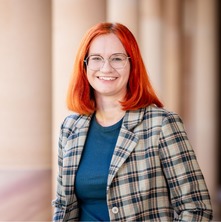
Visara Urovi is an Associate Professor at Maastricht University's Data Science Institute within the Faculty of Science and Engineering. Her research focuses on blockchain applications, AI-driven healthcare solutions, and privacy-preserving data sharing frameworks. Education: PhD in Computer Science Key research areas include: Blockchain technology for secure health data exchange AI models in respiratory disease monitoring Regulatory compliance for digital health systems Speech analytics as diagnostic tools Recent publications highlight trends in: Blockchain-based accountability mechanisms Speech recognition for COPD and asthma tracking Responsible data science frameworks Scientific awards include the Grant for the Web (2020). She has supervised PhD candidate Yan Y. (2025 thesis) and organized academic events like the Women in Data Science Maastricht Datathon (2022).
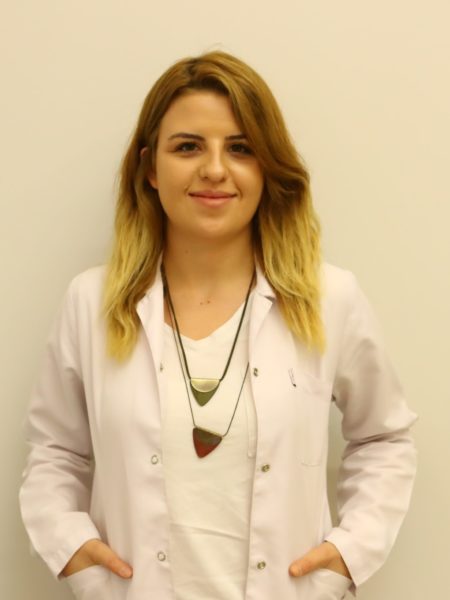
Faruk Obuća is a Research Fellow at the International University of Sarajevo, affiliated with the Faculty of Arts and Social Sciences in the Department of Psychology. His work focuses on virtual reality therapy, behavioral addictions, metacognitions, mindfulness, anxiety, and emotion recognition. Recent publications highlight his exploration of virtual reality therapy for sleep quality and anxiety reduction, the interdependence of metacognition and mindfulness in social anxiety, and the psychological impact of digitalization on Bosnian youth. He has investigated emotional and behavioral challenges in adolescents, the influence of bilingualism on cognition and emotion, and mechanisms driving problematic social networking site usage through empirical studies and path models.
Giuseppe Muratore is an Associate Professor of Food Science and Technology at the University of Catania , specifically in the Department of Agricultural Engineering (Di3A) - Section of Food Technologies . His career spans over three decades, with a focus on sustainable packaging solutions and food quality optimization. His research interests include: Food packaging systems for shelf life extension Interaction between food and packaging materials Minimal processing technologies Nutritional and physicochemical characterization Reduction of packaging material usage Aroma compound sorption mechanisms Scientific contributions include over 180 publications (Scopus H-index: 22), editorial work for MDPI Food , and 6 competitive research grants. Notable awards : GSICA Scientific Productivity Award (2005) National Scientific Qualification as Full Professor (2017) He supervises PhD and Master's students , coordinates international academic collaborations, and serves as scientific referee for agri-food companies. His teaching covers Food Packaging and Technology at both graduate and undergraduate levels.
Dr. Arpit Raswant is a Visiting Researcher at the Lancaster University Management School , affiliated with the Department of Entrepreneurship and Strategy . His work focuses on methodological rigor in international business contexts. International Business Research Methodology Strategic Management His 2018 publication in Journal of World Business highlights best practices for control variable usage in cross-cultural studies. This work has implications for improving empirical validity in global business research. Contact: a.raswant@lancaster.ac.uk
Dr. Danyelle Jayne Greene is a Postdoctoral Research Fellow at the School of Business, University of Queensland, specializing in pro-environmental behaviors, emotion regulation, and sustainable tourism. Her work bridges behavioral psychology with environmental sustainability. Pro-environmental Behaviours Emotion Regulation Alexithymia Non-suicidal Self-injury Eating Disorders Risky Drinking Greene's recent research focuses on behavioral interventions to reduce environmental impact in tourism and hospitality, such as towel reuse, minifridge necessity, and buffet food waste. She also investigates cognitive-emotional drivers of mental health issues. As an Associate Advisor, Greene supervises PhD projects on sustainability in hotels and gamification for tourist behavior, though she is currently not available for new supervision. Her funded projects include mechanisms of behavior change theory and smart electricity usage segmentation.
Dr. Hugo E.M. Vereecke is an Assistant Professor in Anesthesiology at the University of Groningen and an Anesthesiologist at the University Medical Center Groningen (UMCG) and AZ Sint-Jan, Brugge, Belgium . With a 20% contract at UMCG/RUG and 80% at AZ Sint-Jan since 2016, he specializes in anaesthetic pharmacology , neurophysiological monitoring during anaesthesia , and pharmacokinetic/pharmacodynamic (PKPD) modeling . Medical Doctor (Ghent University, 1997) PhD in Medical Sciences (Ghent University, 2007) Dr. Vereecke's research focuses on improving anesthetic drug administration through neurophysiological monitoring , EEG and AEP indices , and drug interaction models . He has developed evidence-based approaches for "just-enough-to-do-the-job" anesthesia to enhance clinical outcomes. His recent articles highlight trends in: Environmental impact of anesthetic agents (propofol, sevoflurane) Pharmacodynamic modeling of opioid and hypnotic interactions Optimization of target-controlled infusion (TCI) systems Neurophysiological mechanisms during anesthesia Advancements in nociception-antinociception monitoring Medical device integration for anesthetic control Scientific awards include: Best publication awards (2006, 2012) from the Society for Anesthesia and Resuscitation of Belgium Non-restrictive educational grants (NeuroWave Systems Inc., 2014; Medtronic, 2015) Second prize at Euroanesthesia 2013 for drug interaction research Dr. Vereecke has supervised numerous PhD and medical students , including Laura Hannivoort (PhD promotor) and Marco Saginovic (co-promotor). He chairs the de-centralized incident reporting commission at UMCG and serves on its Medical Ethical Commission , while also leading the Board of Directors of ISAP (2014-2022).
Prof. Ahmet Sermet Anagün serves as Professor and Head of the Department of Industrial Engineering at Izmir University of Economics, Faculty of Engineering since September 2017, with administrative leadership beginning in 2019. Previously, he held equivalent roles at Eskişehir Osmangazi University (2015-2017) following a 35-year academic progression from Research Assistant to full Professor. His educational credentials include: Ph.D. in Industrial Engineering, Cleveland State University (1993) M.S. in Industrial Engineering, Anadolu University (1985) B.S. in Industrial Engineering, Anadolu University (1982) Research focuses on Quality Control and Statistical Analysis, with significant contributions to fuzzy logic applications in control charts and neural networks for biosignal processing. His methodology integrates experimental design, Taguchi techniques, and machine learning for industrial optimization problems spanning manufacturing, environmental engineering, and educational technology. Analysis of his 14 most recent publications reveals dominant trends in fuzzy control systems (60% of works) applied to quality assurance, with emerging interdisciplinary research in biosurfactant production and educational technology analysis using CHAID methods. His approach consistently bridges statistical theory with practical engineering solutions. No scientific awards were documented in the provided materials. Prof. Anagün actively supervises Master's theses and senior capstone projects across engineering disciplines, teaching core courses in Statistical Quality Control, Engineering Statistics, and Human Factors Engineering. His administrative service includes University Erasmus Coordination and KOSGEB representation, though specific grant funding details remain unlisted.
Tuğba Gönen serves as a full-time Researcher in the Department of Physiotherapy and Rehabilitation at Hasan Kalyoncu University's Faculty of Health Sciences, where she has held a Research Assistant position since 2017 following her appointment after completing doctoral studies. Her academic credentials include: PhD in Physiotherapy and Rehabilitation from Hasan Kalyoncu University (2018) Master's Degree in Physiotherapy and Rehabilitation from Hasan Kalyoncu University (2015) Bachelor's Degree in Physiotherapy and Rehabilitation from Hasan Kalyoncu University Dr. Gönen's research spans interdisciplinary domains including Motor Learning mechanisms, Sleep Disorders epidemiology, Mental Health impacts of digital technology, Orthopedic screening protocols, and Digital Health interventions. Her work demonstrates particular focus on lifestyle factors affecting university populations, with significant contributions examining smartphone addiction's relationship to sleep quality and depression, alongside rehabilitation techniques for neuromuscular control and adolescent scoliosis screening. Analysis of her publication trajectory reveals evolving emphasis from foundational motor learning studies toward urgent public health intersections during the pandemic, with recent works integrating Digital Health metrics into traditional Physiotherapy frameworks. This progression highlights growing attention to technology-mediated health behaviors in contemporary rehabilitation science. Her scientific recognition includes: First Place Award for oral presentation on adolescent scoliosis screening in Gaziantep Third Place Award for clinical case report on Spinal Muscular Atrophy and Cystic Fibrosis No documented student advisement or grant funding details appear in available records. While affiliated with the Turkish Physiotherapists Association, specific laboratory facilities or research teams under her leadership remain unspecified in current documentation.
Professor John Hewitt of the Institute for Behavioral Genetics at the University of Colorado Boulder is a leading figure in behavioral genetics. He has served as Editor-in-Chief of Behavior Genetics for 23 years and directed the Institute from 2001-2022. Key research areas: behavioral genetics of substance use, developmental psychology, genetic epidemiology, and neurogenetics Active grants include NIDA R01 DA054087 and T32 MH016880 His work combines twin studies , longitudinal designs , and genomic methods to investigate genetic/environmental influences on behavior. Recent publications focus on cannabis legalization effects, brain development genetics, and behavioral risk factors. 15+ recent articles address cannabis use, mental health, cognitive traits, and policy impacts Methodologies: genome-wide association studies (GWAS), co-twin controls, and behavioral economic models He has mentored numerous researchers including Brett Haberstick , Chandra Reynolds , and Naomi Friedman , while collaborating on interdisciplinary projects across psychology, molecular biology, and statistical genetics.
Ernesto T Marques is an Associate Professor at the University of Pittsburgh School of Public Health, Department of Infectious Diseases and Microbiology. He is also a Tenured Senior Researcher (Pesquisador Titular) at Fundação Osvaldo Cruz. MD from Universidade Federal de Pernambuco (1993) PhD from The Johns Hopkins University School of Medicine (1999) Research Focus: Diagnostics for dengue and Zika infections, including the Dengvaxia vaccination test LAMP technology for vaccine adjuvants (applied to HIV, dengue, Ebola, cancer, allergies) Epitope-based vaccine design for dengue and Zika Congenital Zika Syndrome pathogenesis and risk factors Immunopathology of Zika infection during pregnancy Scientific Impact: Contributions to WHO vaccine usage recommendations $300M licensing deal for LAMP technology Leadership in hospital-based arboviral disease studies in Brazil
Jaime Sidani is an Associate Professor and Director of the Doctoral Program at the University of Pittsburgh Graduate School of Public Health , Department of Behavioral and Community Health Sciences . Her research explores the intersection of media and health, focusing on social media's impact on mental health, tobacco product normalization, and vaccine communication. Education: BA, Health & Society (2002) - University of Rochester MPH, Health Education & Promotion (2003) - University of Toledo PhD, Health Education (2009) - University of Toledo Certificate, Clinical Research Teaching (2019) - University of Pittsburgh Research Interests include: social media's role in health outcomes, tobacco product evolution, health behavior scales development, and community-based participatory research with adolescents. Her work combines qualitative and quantitative methods with social network analysis. Article Trends show a 2021 focus on e-cigarette regulation, Twitter-based vaccine campaigns, and youth opinion leader interventions. Earlier works examine hookah dependence scales, sleep disturbances linked to social media, and tobacco normalization across platforms. Mentorship emphasizes skill development for students through research projects like the JUUL Twitter analysis and Instagram #JUUL studies.
Prof. Dr. Artur Andrzejak is a full professor (W3) at Heidelberg University since 2010, serving as the Head of the research group Artificial Intelligence for Programming (AIP), and currently as Executive Director of the Institute of Computer Science. He has held significant academic roles including Deputy Dean of the Faculty of Mathematics and Computer Science (2019-2024), Dean of Studies for Computer Science (2015-2017), and Liaison Professor of the German National Academic Foundation (2014-2023). Habilitation in Computer Science (2009), Freie Universität Berlin Ph.D. in Computer Science (2000), ETH Zurich Diploma in Mathematics (1995), Freie Universität Berlin His research focuses on artificial intelligence applications in software engineering, particularly code generation and error correction techniques. He has also made significant contributions to software aging analysis, distributed systems, and cloud computing, with publications spanning federated learning, secure computation, and software rejuvenation. Recent publications demonstrate a strong focus on code generation and error correction methods using large language models, while earlier work includes foundational studies in distributed systems, grid computing, and software rejuvenation techniques. His research combines theoretical computer science with practical applications in enterprise software systems. As an academic leader, he has organized Dagstuhl Seminars on Parallel Data Analysis (2013) and Self-Healing Systems (2009), and served on editorial boards for the journals Parallel Processing Letters and Multiagent and Grid Systems. He has held various leadership roles in academic institutions and research networks.
Elaine Allensworth Lewis-Sebring is the Lewis-Sebring Executive Director of the UChicago Consortium and a Research Professor at the Crown Family School of Social Work, Policy, and Practice at the University of Chicago. With over 25 years of experience, she specializes in bridging educational policy and practice through research-practice partnerships, focusing on school improvement, leadership, and student achievement. Her groundbreaking Freshman OnTrack research has shifted national discourse toward school-controlled factors in dropout prevention. Education: PhD in Sociology, MSU; MA in Sociology and Urban Studies, MSU; BA in Spanish, Kent State University. Her research spans noncognitive factors in education, early warning indicators, and equity in school systems, often informed by longitudinal data analysis. Recent work examines pandemic-era education challenges, digital equity, and broadband access impacts on remote learning. Articles highlight her focus on grading practices, student engagement, and policy-driven reforms. Key Awards: Palmer O. Johnson Award (AERA) As principal investigator, she has secured major grants from the Institute of Education Sciences, National Science Foundation, and Bill & Melinda Gates Foundation. Her leadership extends to national policy commissions, where she advises on school improvement strategies and educational equity.