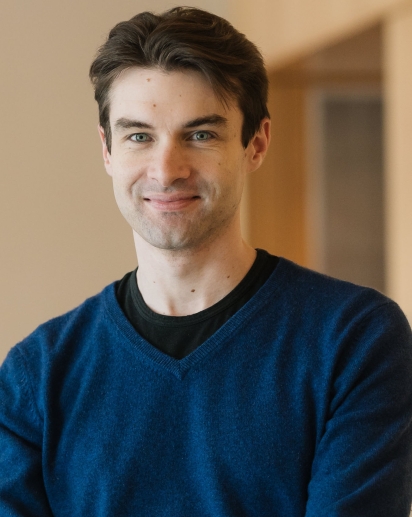
Mikael Thollesson is a Senior Lecturer at Uppsala University, affiliated with the Department of Organismal Biology; Systematic Biology and Klubban’s Biological Station. His research focuses on evolutionary biology, phylogenetics, taxonomy, and molecular biology, particularly in marine and freshwater sponges (Porifera), bacterial pathogens, and computational methods in evolutionary analysis. Evolutionary Biology Marine Biology Taxonomy His recent publications highlight trends in sponge biodiversity, phylogeography, bacterial horizontal gene transfer, and mitochondrial gene evolution. Key articles include studies on Swedish demosponge faunas, Silene sect. Arenosae systematics, and computational tools like SPRIT for detecting gene transfers. No explicit awards or grants are mentioned.
Eduardo Rocha is a Professor and Head of the Microbial Evolutionary Genomics laboratory at the Institut Pasteur, within the Department of Genomes and Genetics. His research integrates bioinformatics, molecular evolution, and genomics to understand bacterial genome organization and dynamics, particularly focusing on mobile genetic elements and their role in adaptation and antibiotic resistance. His research interests include microbial evolutionary genomics, genome organization, horizontal gene transfer, mobile genetic elements (plasmids, phages, integrons), bacterial pathogen evolution, and computational biology. His work lies at the intersection of molecular evolution, population genetics, and molecular epidemiology, with strong translational implications for understanding antimicrobial resistance and infectious disease emergence. The recent publications highlight a consistent focus on mobile genetic elements, genome plasticity, and bacterial adaptation. Key themes include the role of integrons and CRISPR-Cas systems in bacterial immunity, plasmid-mediated spread of antibiotic resistance, phage-plasmid interactions, and the development of bioinformatics tools for microbial genomics. These works frequently appear in high-impact journals such as Science , Nature Microbiology , and PLoS Biology , reflecting significant contributions to the field. Eduardo Rocha leads multiple funded research projects, including ERC-2011-StG EVOMOBILOME, ANR Magisbac, and ANR SHAPE. He has developed and maintains several widely used bioinformatics software tools: IntegronFinder, MacSyFinder, PanACoTA, SatelliteFinder, CapsuleFinder, TXSScan, and others. He mentors a large team of PhD students, postdoctoral researchers, and engineers, and has supervised numerous former students who now hold independent research positions worldwide. Eduardo Rocha has received research funding from major agencies including the European Research Council (ERC) and the French National Research Agency (ANR). His work is central to the LabEx IBEID and the INCEPTION convergence program, where he serves on the steering committee, promoting interdisciplinary research in infectious disease emergence. His laboratory, part of the Genomes and Genetics department, actively contributes to microbial evolutionary genomics through both methodological development and biological discovery. The team participates in networks such as Phages.fr, GDR BIM, and GDR AIEM, reinforcing its collaborative and integrative approach.
Dr. Holger Scheib is an Honorary Associate Professor in the School of the Environment at The University of Queensland. His research focuses on venom evolution, toxinology, and biomedical applications, particularly in reptiles, cnidarians, and other venomous organisms. He collaborates extensively with international researchers on projects involving venom structure-function relationships, evolutionary biology, and clinical implications of venom variation. Research interests span venom evolution, toxin structure and function, and their applications in biomedical contexts. He investigates venom diversity across species, including reptiles, sea anemones, and cnidarians, focusing on how these toxins interact with biological systems. His work also explores the intersection of venom components with allergens and their structural similarities, contributing to a deeper understanding of venom’s ecological and medical significance. His recent publications highlight advancements in understanding venom evolution, toxin structures, and clinical implications. Studies include comparisons of venom proteins with allergens, analyses of venom variation in rattlesnakes, and investigations into the molecular mechanisms of bacterial secretion systems. These works contribute to both basic biological research and potential applications in medicine and biodiscovery. No scientific awards or grants are explicitly mentioned in the provided text. Dr. Scheib’s research is primarily conducted through collaborations within the School of the Environment and international academic networks. No specific lab or team affiliations are detailed.
Monica Rolando is a researcher at the Institut Pasteur in Paris, France, specializing in the study of intracellular bacterial pathogens, particularly Legionella pneumophila , the causative agent of Legionnaires' disease. She is affiliated with the Biology of Intracellular Bacteria department and teaches in the Pasteur Microbiology Course, sharing her expertise in bacterial pathogenesis and host-pathogen interactions. Dr. Rolando obtained her PhD in Cellular and Molecular Biology from the University of Nice-Sophia Antipolis, where she studied bacterial toxins targeting the host endothelium. In 2009, she joined the laboratory of Carmen Buchrieser at the Institut Pasteur for postdoctoral training, shifting her focus to non-toxin-mediated aspects of host-pathogen interactions. Her research primarily focuses on how bacterial pathogens manipulate host cellular processes, with particular emphasis on epigenetic regulation. Dr. Rolando investigates how Legionella pneumophila employs bacterial effectors that target the host cell nucleus to modify epigenetic marks, thereby subverting host cell functions to facilitate bacterial replication. Her work explores the fascinating co-evolution between L. pneumophila and its eukaryotic hosts, which has led to the acquisition of proteins through horizontal gene transfer that allow the bacterium to mimic eukaryotic functions. Analysis of Dr. Rolando's recent publications reveals a strong focus on patho-epigenetics - the manipulation of host epigenetic machinery by bacterial pathogens. Her research spans molecular mechanisms of bacterial effectors, particularly histone-modifying enzymes like methyltransferases, and their role in subverting host defenses. A significant portion of her work examines how Legionella and related pathogens target chromatin structure and nuclear processes to promote intracellular survival and replication. Dr. Rolando has contributed to numerous collaborative research projects at the Institut Pasteur, working with various research teams investigating bacterial pathogenesis. Her work bridges molecular microbiology, cell biology, and epigenetics, providing novel insights into host-pathogen interactions at the molecular level. Her laboratory focuses on identifying and characterizing bacterial effectors that target host nuclear processes, with particular attention to how these effectors modify epigenetic marks to benefit bacterial replication. This research has important implications for understanding bacterial pathogenesis and potentially developing novel anti-infective strategies targeting pathogen epigenetic manipulation.
Carey D. Nadell is an Associate Professor at Dartmouth College, with additional appointments as Adjunct Associate Professor in Microbiology and Immunology and Orthopaedic Surgery. His research bridges ecology, evolution, and molecular biology to study bacterial social interactions in biofilms. University: Dartmouth College School: College of Arts and Sciences Department: Biological Sciences His work focuses on microbial ecology , social evolution , and biofilm dynamics , exploring how bacteria cooperate and compete in multispecies communities. Recent studies highlight phage interactions, horizontal gene transfer, and matrix regulation. Selected publications reveal expertise in Biofilms , Microbial Competition , RNA Regulation , Antimicrobial Resistance , and Phage-Bacterial Interactions . Articles span high-impact journals like Nature , PNAS , and eLife . Education : B.A. University of Oxford M.A. Princeton University Ph.D. Princeton University His laboratory investigates the ecological and evolutionary principles governing bacterial biofilms, with implications for human health and environmental microbiology.
Günther Muth is a Research Professor at the University of Tübingen, where he leads a research group within the Interfaculty Institute of Microbiology and Infection Medicine. He is part of the Department of Microbial Bioactive Compounds under Heike Brötz-Oesterhelt's research team, focusing on the biology of Streptomyces plasmids and conjugative DNA transfer mechanisms. Dr. Muth completed his biology diploma at Friedrich-Alexander University in Erlangen and earned his doctoral degree in genetics under Alf Pühler at the University of Bielefeld. His postdoctoral training included positions at the department of genetics in Bielefeld, Behringwerke in Marburg, and returned to Bielefeld genetics department before working as a group leader in Wolfgang Wohlleben's groups from 1994-2019. His research focuses on the unique conjugation mechanisms in Streptomyces, which differ significantly from the type IV secretion systems found in other bacteria. He investigates how plasmids transfer DNA between bacterial cells and spread throughout recipient mycelium, with particular emphasis on the TraB protein as a DNA translocase. His laboratory has developed important genetic tools including the pSG5-based thermosensitive vector family for actinomycetes research. Analysis of Dr. Muth's recent publications (2015-2022) reveals a sustained focus on Streptomyces conjugation mechanisms, with increasing use of advanced imaging techniques like fluorescence microscopy. His work has progressed from basic conjugation studies to understanding molecular details of the TraB translocase and developing genetic tools, while recently expanding into metagenomic approaches for identifying biosynthetic gene clusters and plant-microbe interactions. Within his department, Dr. Muth leads Team Muth and collaborates with other research groups including Team Brötz-Oesterhelt, Team Hughes, Team Oesterhelt, Team Sass, and Team Stegmann. His laboratory currently includes PhD student Paul, Linkon, and likely receives research funding for his work on bacterial conjugation and plasmid biology, though specific grant details are not provided in the available information.
Daniel J. Drucker is a University Professor of Medicine at the University of Toronto and Senior Investigator at the Lunenfeld-Tanenbaum Research Institute, Sinai Health. His groundbreaking research focuses on glucagon-like peptides (GLP-1 and GLP-2), revolutionizing treatments for diabetes, obesity, and intestinal failure. He discovered GLP-1's roles in insulin secretion, cardioprotection, and inflammation reduction, and GLP-2's application in short bowel syndrome therapy. Education : MD, University of Toronto (1980) Internship at Johns Hopkins Hospital Residencies in Internal Medicine and Endocrinology at University of Toronto Research Interests : Drucker's work spans incretin biology, gut hormone therapeutics, metabolic regulation, and inflammation control. His discoveries enabled GLP-1 receptor agonists (e.g., exenatide) and DPP-4 inhibitors for diabetes, along with teduglutide for intestinal failure. Recent studies explore GLP-1's anti-inflammatory actions and cardiometabolic protection. Awards and Honors : Wolf Prize in Medicine (2023) Breakthrough Prize in Life Sciences (2025) Canada Gairdner International Award (2021) Fellow of the Royal Society (2015) Princess of Asturias Award (2024) Time100 Most Influential People (2024) Leadership : Holds the Banting and Best Diabetes Centre-Novo Nordisk Chair in Incretin Biology. His lab at Lunenfeld-Tanenbaum Research Institute drives innovation in peptide therapeutics.
Nicholas Cianciotto is a Professor in the Department of Microbiology and Immunology at Northwestern University Feinberg School of Medicine. He received his PhD from the University of Washington in 1986 and completed postdoctoral training at the University of Michigan. His research focuses on the molecular pathogenesis of Legionella pneumophila and Stenotrophomonas maltophilia , emphasizing virulence factors, protein secretion systems, and iron acquisition mechanisms. His laboratory investigates how these pathogens interact with both amoebae and human cells, leveraging multi-omics approaches to uncover novel therapeutic targets. Current projects include structural analysis of secretion systems, characterization of rhizoferrin's role in biofilm formation, and CRISPR-Cas system evolution beyond phage immunity. Scientific Awards & Leadership: Faculty Service Award, Driskill Graduate Program (2020) Teaching Award, Department of Microbiology-Immunology (2018) Fellow of the American Academy for Microbiology (2008) Outstanding Teacher Award, Feinberg School (2008) Dr. Cianciotto has mentored over 60 researchers, including 20 PhD students, and directs an NIH-sponsored training grant in Immunology and Microbial Pathogenesis. His work has been published in top-tier journals like Nature Microbiology and PLoS Pathogens .
Dr. Zhao-Qing Luo is a Professor in the Department of Biological Sciences within the College of Science at Purdue University. His research focuses on molecular mechanisms of bacterial pathogenesis and host immune responses, using Legionella pneumophila as a model pathogen to investigate intracellular survival strategies and host defense systems. His educational background includes: Ph.D. from University of Illinois at Urbana-Champaign (2001) M.S. from Beijing Agricultural University (1994) B.S. from Beijing Agricultural University (1991) Dr. Luo's research centers on how bacterial pathogens manipulate host cells through virulence effectors, particularly examining the Dot/Icm type IV secretion system of Legionella pneumophila that injects 300+ effector proteins into host cells. His work reveals mechanisms of bacterial replication niche formation, host immune detection pathways (including RpsL-triggered lysosomal cell death), and the function of Fic proteins across bacterial species. This research provides fundamental insights into cell signaling with implications for infectious disease control and cellular biology. Analysis of his 12 most recent publications (2007-2024) shows consistent focus on ubiquitin-related modifications during infection, including novel E1/E2-independent ubiquitination, deubiquitination mechanisms, and phosphoribosyl ubiquitination. His work has fundamentally advanced understanding of how bacterial effectors target host GTPases (Rab1), manipulate ubiquitin homeostasis, and subvert immune signaling pathways. Scientific recognition includes: Biochemical Society Award for Significant Breakthrough or Achievement (2025) Herbert Newby McCoy Award for Outstanding Research (2022) Fellow of the American Academy of Microbiology (2019) Purdue University Faculty Scholar (2012-2016) Purdue College of Science Research Award (2015) NIH-NIAID Independent Scientist Award (2011-2015) As principal investigator of the Luo Lab, Dr. Luo has secured substantial research funding including NIH-NIAID support and Purdue Faculty Scholar resources. He actively mentors graduate students and postdoctoral researchers, with his laboratory serving as a hub for molecular microbiology research. His service as Associate Editor for PLoS Pathogens since 2013 demonstrates commitment to scholarly communication. The Luo Lab maintains active research programs investigating bacterial effector functions, host immune detection mechanisms, and Fic protein biology, with ongoing collaborations across microbiology and immunology disciplines to address fundamental questions in host-pathogen interactions.
Professor Lori Burrows is a distinguished microbiologist at McMaster University's Faculty of Health Sciences, Department of Biochemistry & Biomedical Sciences. She serves as the Associate Director (Partnerships and Outreach) of McMaster University's Michael G. DeGroote Institute for Infectious Diseases Research. As a Fellow of the American Academy of Microbiology, she is recognized as an international expert in bacterial pathogenesis, particularly in the study of type IV pili and their role in bacterial virulence. Dr. Burrows' primary research interests focus on the structure, function, and regulation of type IV pili (T4P), which are ubiquitous bacterial virulence factors used for adherence, DNA uptake, biofilm formation, and twitching motility. Her laboratory primarily uses the opportunistic pathogen Pseudomonas aeruginosa as a model system to investigate pilin repertoire (relevant to vaccine design), pilin glycosylation systems involved in bacteriophage defense, structure-function of the pilus assembly system, and the complex regulation underlying T4P function. Additionally, her group studies biofilm formation, particularly the stimulation of biofilm development by sub-inhibitory antibiotic concentrations and the exploitation of this stimulation phenotype to discover new antimicrobials for multidrug-resistant gram-negative bacteria. Dr. Burrows' research program is robustly funded by multiple prestigious sources including the Canadian Institutes of Health Research (CIHR), the Natural Sciences and Engineering Research Council of Canada, the Canadian Glycomics Network, the Ontario Research Fund, and industrial support. Her publication record is impressive, with over 120 peer-reviewed papers, reviews, and book chapters, and an h-index of 49. Her recent work demonstrates continued leadership in understanding bacterial pathogenesis mechanisms, antibiotic resistance, and novel approaches to antimicrobial development. Fellow of the American Academy of Microbiology Dr. Burrows serves on the Editorial Boards of the Journal of Bacteriology (ASM), the Journal of Biochemistry (ASBMB), and ACS Infectious Diseases, demonstrating her significant contributions to the scientific community. Her laboratory, the Burrows Lab, is affiliated with both the Michael G. DeGroote Institute for Infectious Disease Research and the David Braley Centre for Antibiotic Discovery at McMaster University, positioning her research at the forefront of infectious disease and antibiotic discovery.
Prof. Dr. Marc Erhardt is a Full Professor of Molecular Microbiology at Humboldt-Universität zu Berlin, Germany, and a Max Planck Fellow at the Max Planck Unit for the Science of Pathogens. His academic career includes prior roles as Associate Professor (W2) at Humboldt-Universität and a Principal Investigator at the Helmholtz Centre for Infection Research. He holds a PhD from the University of Konstanz (summa cum laude) and completed postdoctoral work at Université de Fribourg and the University of Heidelberg. His research focuses on bacterial physiology, flagellar biology, and type III secretion systems, with notable contributions to understanding flagellar assembly mechanisms and bacterial motility. Erhardt has received prestigious awards including the ERC Consolidator Grant (2019) and the VAAM Forschungspreis (2018). His work spans structural biology, pathogen-host interactions, and synthetic biology tools for microbial systems. Education: PhD in Molecular Microbiology (2011), University of Konstanz Diploma in Biology (2006), University of Ulm, Konstanz, and University of Utah Research interests include the molecular mechanisms of flagellar assembly, bacterial motility regulation, and the interplay between bacterial physiology and pathogenicity. Key achievements include discoveries on flagellin incorporation mechanisms, anti-phage defense systems, and CRISPRi-mediated bacterial regulation. Erhardt's lab (AG Bacterial Physiology) employs advanced microscopy, structural biology, and synthetic biology approaches to explore bacterial nanomachines and infection strategies. His research has led to over 60 publications in journals like Cell , Nature Communications , and PLOS Biology . Awards & Grants: ERC Consolidator Grant (2019) Helmholtz Young Investigator Grant (2013–2017) Marie Curie International Fellowship (2012–2013) His research group develops novel tools for studying bacterial systems, including fluorescent markers for Gram-negative bacteria and regulatory systems for synthetic biology. Current projects address flagellar dynamics, microbiota interactions, and the structural basis of bacterial pathogenesis.
Erin Green is an Assistant Professor in the Department of Microbiology at the University of Chicago. Her research focuses on understanding the mechanisms by which bacterial pathogens, particularly Acinetobacter baumannii , adapt to environmental stresses and transition between environmental reservoirs and mammalian hosts. Dr. Green's primary research interests include: Bacterial pathogenesis of nosocomial infections Mechanisms of bacterial desiccation tolerance Gene regulation in response to environmental stress Bacterial signal transduction pathways Proteostasis in bacterial pathogens Metal homeostasis in bacterial pathogens Her work has significant implications for understanding how multidrug-resistant pathogens like A. baumannii persist in hospital environments and cause infections. Through her research on bacterial hydrophilins and their role in desiccation tolerance, Dr. Green has contributed important insights into how pathogens survive on dry surfaces, which is a major factor in hospital-acquired infections. Dr. Green has published extensively on bacterial pathogenesis, with particular focus on A. baumannii and Staphylococcus aureus . Her recent publications (2023-2025) examine zinc homeostasis mechanisms in A. baumannii , arginine metabolism in antibiotic tolerance, and the molecular basis of desiccation tolerance in bacterial pathogens. Her laboratory, the Green Lab, is actively investigating the mechanisms driving transmission and virulence of nosocomial bacterial pathogens, with a particular emphasis on understanding how these pathogens sense and adapt to long-term desiccation stress.
Dr. Yong Cheng is an Assistant Professor in the Department of Biochemistry and Molecular Biology at Oklahoma State University (OSU). He holds a B.S. (2002) and Ph.D. (2007) in Microbiology from Huazhong Agricultural University, China. His postdoctoral training included work at the University of Basel (2007-2010) and the University of Notre Dame (2011-2019), where he studied host-pathogen interactions in mycobacterial infections. His current research focuses on understanding molecular mechanisms of Mycobacterium tuberculosis and non-tuberculous mycobacteria (NTM) pathogenesis, with an emphasis on host immune responses and drug discovery. Key research areas include the role of extracellular vesicles (exosomes/microvesicles) in modulating host immunity, iron metabolism in aging-related infections, and antimicrobial resistance mechanisms. He has received grants from the Oklahoma Center for Respiratory and Infectious Diseases and investigates novel therapies targeting mycobacterial infections. Dr. Cheng teaches courses on cancer immunology, biotechnology, and undergraduate research supervision. His work contributes to Sustainable Development Goal 3 (Good Health and Well-being), leveraging cutting-edge proteomics and spatial biology technologies.
Hayley Newton is a Professor in the Department of Microbiology and Biomedicine Discovery Institute at Monash University. Her research focuses on intracellular bacterial pathogens, particularly Coxiella burnetii, a zoonotic pathogen requiring a One Health approach for study. She completed her PhD on Legionella pneumophila pathogenesis at Monash University and held a NHMRC Training Fellowship for postdoctoral research at Yale University, where she pioneered genetic studies on Coxiella. In 2022, she returned to Monash as part of the Infection Program. Education: PhD in Microbiology (Monash University) NHMRC Training Fellowship (Yale University) Research Interests : Mechanisms of pathogen manipulation of host cells Coxiella burnetii virulence factors and lysosomal biology Host-pathogen interactions in intracellular bacteria Role of autophagy and mitochondrial dynamics in infection Projects : "Cell death at the host-pathogen interface" (2025-2030) "Coxiella pathogenesis and Effector-Effector Interplay" (2023-2024) Awards : NHMRC Training Fellowship Labs/Teams : Infection Program at Monash Biomedicine Discovery Institute
Cecilia Alsmark is a researcher affiliated with Newcastle University , focusing on genomics, parasitology, and horizontal gene transfer in microbial pathogens and eukaryotic parasites. Her work explores evolutionary mechanisms in organisms like Entamoeba histolytica , Trichomonas vaginalis , and trypanosomatids, with a particular interest in lateral gene transfers and their impact on eukaryotic proteomes. Research Interests: Comparative genomics of parasitic protozoa and microbial symbionts Evolutionary dynamics of horizontal gene transfer Genomic deterioration in intracellular pathogens Functional divergence of secretion systems in parasites Key Publications: Spanning 2002–2015, her research includes studies on Rickettsia elements, Bartonella evolution, and protozoan parasite genomes. These works highlight trends in gene acquisition, loss, and adaptation.