معرفی
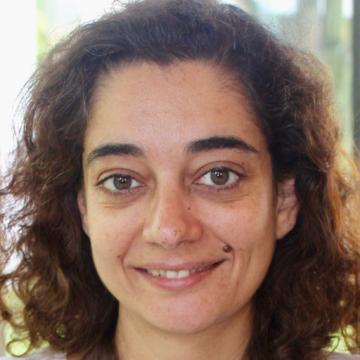
Monica Rolando is a researcher at the Institut Pasteur in Paris, France, specializing in the study of intracellular bacterial pathogens, particularly Legionella pneumophila, the causative agent of Legionnaires' disease. She is affiliated with the Biology of Intracellular Bacteria department and teaches in the Pasteur Microbiology Course, sharing her expertise in bacterial pathogenesis and host-pathogen interactions.
Dr. Rolando obtained her PhD in Cellular and Molecular Biology from the University of Nice-Sophia Antipolis, where she studied bacterial toxins targeting the host endothelium. In 2009, she joined the laboratory of Carmen Buchrieser at the Institut Pasteur for postdoctoral training, shifting her focus to non-toxin-mediated aspects of host-pathogen interactions.
Her research primarily focuses on how bacterial pathogens manipulate host cellular processes, with particular emphasis on epigenetic regulation. Dr. Rolando investigates how Legionella pneumophila employs bacterial effectors that target the host cell nucleus to modify epigenetic marks, thereby subverting host cell functions to facilitate bacterial replication. Her work explores the fascinating co-evolution between L. pneumophila and its eukaryotic hosts, which has led to the acquisition of proteins through horizontal gene transfer that allow the bacterium to mimic eukaryotic functions.
Analysis of Dr. Rolando's recent publications reveals a strong focus on patho-epigenetics - the manipulation of host epigenetic machinery by bacterial pathogens. Her research spans molecular mechanisms of bacterial effectors, particularly histone-modifying enzymes like methyltransferases, and their role in subverting host defenses. A significant portion of her work examines how Legionella and related pathogens target chromatin structure and nuclear processes to promote intracellular survival and replication.
Dr. Rolando has contributed to numerous collaborative research projects at the Institut Pasteur, working with various research teams investigating bacterial pathogenesis. Her work bridges molecular microbiology, cell biology, and epigenetics, providing novel insights into host-pathogen interactions at the molecular level.
Her laboratory focuses on identifying and characterizing bacterial effectors that target host nuclear processes, with particular attention to how these effectors modify epigenetic marks to benefit bacterial replication. This research has important implications for understanding bacterial pathogenesis and potentially developing novel anti-infective strategies targeting pathogen epigenetic manipulation.