معرفی
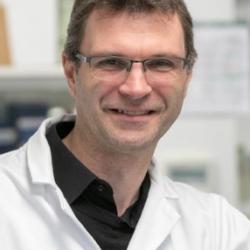
Jaime Mota is an Associate Professor at the Department of Life Sciences, NOVA School of Science and Technology (NOVA FCT), NOVA University Lisbon. His research focuses on understanding the molecular and cellular mechanisms by which bacterial pathogens modify the normal functioning of animal host cells, with the goal of developing specific strategies to combat infectious diseases.
Dr. Mota's research interests center on bacterial pathogenesis, particularly studying intracellular pathogens including Chlamydia trachomatis (which causes sexually transmitted diseases and ocular infections), Legionella pneumophila (causing Legionnaire's Disease), and Salmonella enterica (responsible for gastrointestinal and systemic diseases). His laboratory investigates how these bacteria inject effector proteins into host cells through specialized type III or type IV secretion systems, and how these molecular mechanisms contribute to bacterial intracellular growth and virulence. His work bridges microbiology, cellular biology, and infectious disease research, exploring how microbial pathogens manipulate host cell processes including cytokinesis, centrosome positioning, Golgi distribution, and lipid droplet dynamics.
Analysis of Dr. Mota's recent publications (2013-2024) reveals a consistent research trajectory focused on effector proteins of intracellular bacterial pathogens, particularly Chlamydia trachomatis. His work demonstrates expertise in identifying and characterizing bacterial effector proteins, understanding their molecular mechanisms, and determining how they manipulate host cell processes. The research spans multiple model systems including Chlamydia, Legionella, and Salmonella, with particular emphasis on type III secretion systems and the proteins they deliver into host cells.
Dr. Mota leads the Infection Biology laboratory, which is hosted at the Department of Life Sciences of FCT NOVA and is part of the Molecular Microbiology & Genomics Research Group of the R&D unit UCIBIO. His laboratory employs a range of cellular and molecular techniques to study host-pathogen interactions, with the ultimate goal of translating fundamental knowledge into strategies for combating infectious diseases.