معرفی
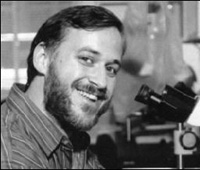
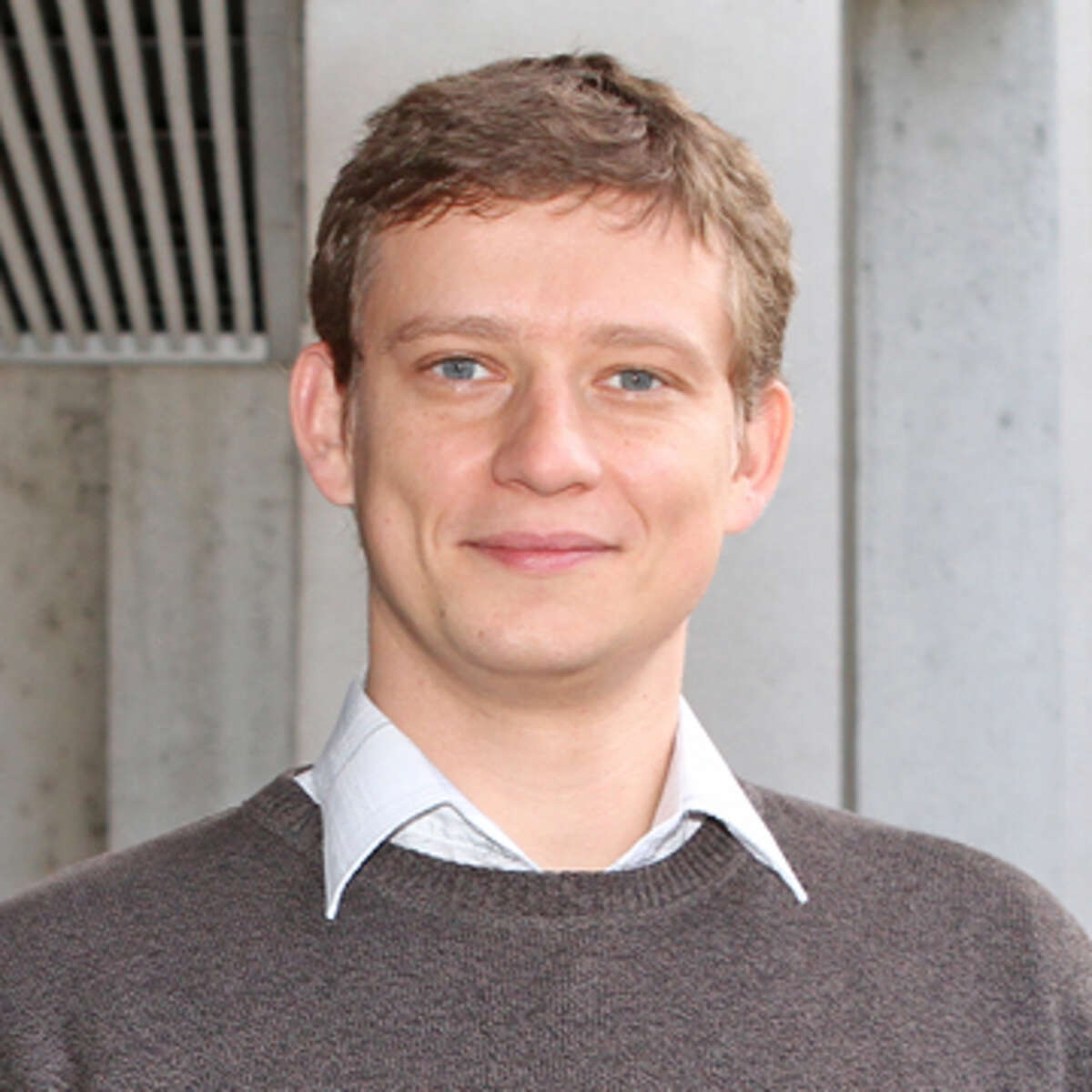
Prof. Dr. Marc Erhardt is a Full Professor of Molecular Microbiology at Humboldt-Universität zu Berlin, Germany, and a Max Planck Fellow at the Max Planck Unit for the Science of Pathogens. His academic career includes prior roles as Associate Professor (W2) at Humboldt-Universität and a Principal Investigator at the Helmholtz Centre for Infection Research. He holds a PhD from the University of Konstanz (summa cum laude) and completed postdoctoral work at Université de Fribourg and the University of Heidelberg. His research focuses on bacterial physiology, flagellar biology, and type III secretion systems, with notable contributions to understanding flagellar assembly mechanisms and bacterial motility. Erhardt has received prestigious awards including the ERC Consolidator Grant (2019) and the VAAM Forschungspreis (2018). His work spans structural biology, pathogen-host interactions, and synthetic biology tools for microbial systems.
- Education:
- PhD in Molecular Microbiology (2011), University of Konstanz
- Diploma in Biology (2006), University of Ulm, Konstanz, and University of Utah
Research interests include the molecular mechanisms of flagellar assembly, bacterial motility regulation, and the interplay between bacterial physiology and pathogenicity. Key achievements include discoveries on flagellin incorporation mechanisms, anti-phage defense systems, and CRISPRi-mediated bacterial regulation. Erhardt's lab (AG Bacterial Physiology) employs advanced microscopy, structural biology, and synthetic biology approaches to explore bacterial nanomachines and infection strategies. His research has led to over 60 publications in journals like Cell, Nature Communications, and PLOS Biology.
- Awards & Grants:
- ERC Consolidator Grant (2019)
- Helmholtz Young Investigator Grant (2013–2017)
- Marie Curie International Fellowship (2012–2013)
His research group develops novel tools for studying bacterial systems, including fluorescent markers for Gram-negative bacteria and regulatory systems for synthetic biology. Current projects address flagellar dynamics, microbiota interactions, and the structural basis of bacterial pathogenesis.