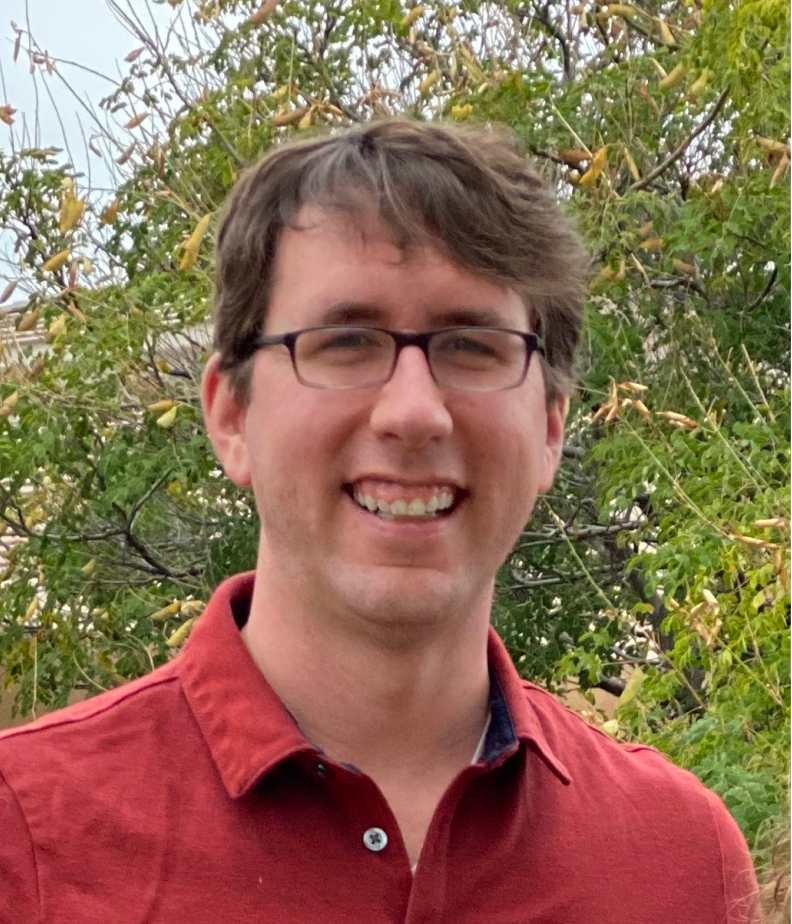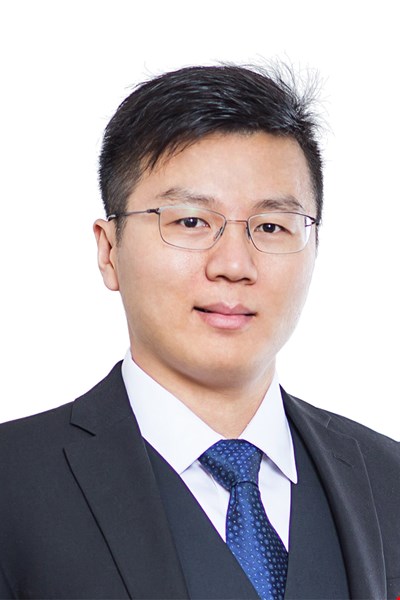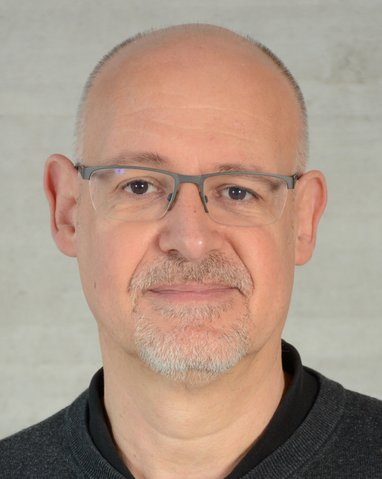
Prof. Dr. Marcus Deininger serves as Professor of Computer Science at Stuttgart University of Applied Sciences within the Faculty of Surveying, Computer Science and Mathematics since 2004, concurrently holding the position of Dean of Studies for Software Technology since 2007. His academic leadership spans multiple degree programs including Bachelor of Applied Mathematics and AI, Bachelor of Computer Science, and Master's in Software Technology. His educational foundation includes a Doctorate in Computer Science from the University of Stuttgart (1995), preceded by significant industry experience: development and project management roles at debis Systemhaus (1996-2001) and T-Systems (2001-2005) provided practical grounding in enterprise IT solutions before his academic transition. Deininger's research manifests primarily through pedagogical contributions in software engineering education, with concentrated expertise in Java programming ecosystems, BPMN-based business process modeling, and UML-driven system analysis. His scholarly identity centers on translating complex technical concepts into accessible educational frameworks, evidenced by his extensive publication record focused on student skill development. Analysis of his 12 publications (2009-2024) reveals consistent emphasis on practical computer science education, evolving from foundational programming guides toward specialized exam preparation materials across software engineering domains. This trajectory demonstrates sustained commitment to curriculum development rather than theoretical research. His professional recognition includes membership in the German Informatics Society (GI), reflecting peer acknowledgment within Germany's primary computing professional organization. As Dean of Studies and thesis supervision guide author, Deininger shapes academic journeys through structural program oversight and pedagogical frameworks. His collaborative works with Thomas Kessel across 10+ publications indicate sustained research partnerships, while leadership in three distinct degree programs underscores institutional impact beyond narrow technical specialization. Though specific research laboratories aren't documented, his collaborative publication pattern suggests integration within computer science education communities, with recent works (2024) confirming active engagement in evolving pedagogical approaches for contemporary programming challenges.