Marta Biagioli is a Researcher in Genetics at the Department of Cellular, Computational and Integrative Biology (CIBIO) , University of Trento. Her work focuses on Huntington's disease and neurodevelopmental disorders , combining molecular genetics , RNA biology , and translational research . Her research investigates RNA biogenesis defects in Huntington’s disease, including circular RNAs (circHTT) and SINEUP antisense RNAs . She explores how CAG repeat expansions alter splicing dynamics and neuronal vulnerability , with implications for biomarker development and RNA-based therapies . Key trends in her publications reveal expertise in non-coding RNA , neurogenetic mechanisms , and epigenetic regulation . Her work spans model systems , transcriptomic analysis , and therapeutic design for diseases like Huntington’s and autism. Marta’s laboratory at CIBIO integrates interdisciplinary approaches to decode complex disease phenotypes. She actively engages in science communication , bridging academic research with public understanding through platforms like #UniTrentoStories.
Giulia Fiscon is an Assistant Professor in Bioengineering at the Department of Computer, Automation, and Management Engineering (DIAG) of Sapienza University of Rome. She holds a summa cum laude degree in Biomedical Engineering from Campus Bio-Medico University (2012) and a PhD in Computer Science from Sapienza (2016, with top honors). Her research focuses on bioinformatics, computational biology, and network medicine, particularly in drug repurposing, cancer genomics, and systems pharmacology. She has authored 65+ publications with an h-index of 24 (Scopus). Current roles include teaching Bioinformatics courses and leading research on network-based approaches for drug discovery. Her work integrates transcriptomics, interactomics, and computational tools like SWIM and SAveRUNNER to address complex diseases. Recent projects include predicting drug responses in cancers, analyzing drug-toxicity interactions, and developing ontologies for Alzheimer’s data. Her research highlights include: Network medicine applications in oncology and neurodegenerative diseases Development of computational tools for RNA analysis and drug repurposing Investigation of microRNA-mRNA interactions in cancer progression Her articles emphasize drug repositioning strategies, precision medicine, and systems biology frameworks. She has collaborated with institutions like the National Research Council and the Foundation for Personalized Medicine.
Mariolina GULLI' is an Associate Professor at the University of Parma , Department of Chemical, Life and Environmental Sustainability Sciences. Her career spans 30+ years in plant genetics and environmental biotechnology, with teaching roles in Food Systems and Biotechnology programs. PhD in Agricultural Genetics (University of Tuscia, 1991) Degree in Biological Sciences (University of Parma, 1987) Research focuses on abiotic stress response in crops , genetic improvement of cereals , molecular traceability techniques , and climate change adaptation . Key projects include EU H2020 SIMBA (microbiome applications) and multiple regional/national grants on wheat sustainability. Recent publications analyze biochar applications for maize resilience, tomato production sustainability , and climate change impacts on food security . Her work combines genomics, proteomics, and environmental monitoring. Awards: Patent on allergen detection methods Leadership: Founding member of SITEIA.PARMA technology center Expertise: PCR systems for GMO/allergen detection, epigenetic mechanisms in hyperaccumulators
Giuseppe Diego Puglia is a Lecturer of General Botany (BIO/01) at the University of Catania and a researcher at the Institute for Mediterranean Agricultural and Forestry Systems (CNR-ISAFOM), where he serves as head of the Catania office and the Plant Molecular Biology laboratory. He has held these positions concurrently while making significant contributions to plant science research and education. Dr. Puglia's research focuses on plant responses to environmental stressors, with particular emphasis on seed germination behavior, plant-microorganism interactions, and molecular mechanisms of stress tolerance. His work bridges fundamental plant biology with practical applications for agriculture in changing climates, utilizing approaches including gene expression analysis, transcriptomic analyses with specialized bioinformatic methods, and metagenomic studies of rhizospheric communities. His publication record demonstrates consistent productivity across diverse areas including plant molecular biology, environmental monitoring, and interdisciplinary applications. Recent work shows increasing focus on climate change indicators, stress response mechanisms in Mediterranean species, and applications of plant science to human health, with notable studies on cardoon (Cynara cardunculus) as a promising crop for marginal lands. Associate editor of Applications in Plant Sciences (APPS) Member of International Society for Seed Science (ISSS) Member of Botanical Society of America (BSA) Supporting scientist for CNR of European Plant Science Organization (EPSO) since 2020 Dr. Puglia leads the Plant Molecular Biology laboratory at CNR-ISAFOM in Catania, where his team applies advanced molecular and bioinformatic approaches to study plant adaptation mechanisms. His work on cardoon has demonstrated its potential for green chemistry, nutraceutical, and pharmaceutical applications, particularly its ability to produce high levels of biologically active compounds under stress conditions.
Prof. Milani Christian is an Associate Professor at the University of Parma, affiliated with the Department of Chemical, Life and Environmental Sustainability Sciences. His academic focus encompasses microbiology education and advanced research in microbial ecology. His research explores: Gut microbiota dynamics across human life stages, emphasizing infant health and aging. Probiotic mechanisms of Bifidobacterium and Lactobacillus species for therapeutic applications. Computational approaches (machine learning, genomics) to analyze microbial communities. Environmental microbiology , including bioremediation and extremophile adaptations. Milani's recent publications (2022–2025) demonstrate interdisciplinary integration, combining metagenomics, transcriptomics, and clinical insights to study host-microbe interactions. Predominant themes include probiotic development, microbial metabolism, and ecological modeling of gut/vaginal microbiomes. He coordinates multiple graduate programs in Environmental and Resource Sciences and Technologies, reflecting active academic leadership. No awards, grants, or student advisees are documented in available materials.
Alberta Bergamo is an Associate Professor of Pharmacology at the University of Trieste, Department of Life Sciences, where she leads the research group focused on Oncological Pharmacology and Tumor Microenvironment in Solid Tumor Metastases. Her research spans both basic and translational approaches to pharmacological treatment of solid tumor metastases, with particular focus on colorectal cancer liver metastases. Professor Bergamo earned her degree in Pharmaceutical Chemistry and Technology from the University of Trieste and completed a second-level master's degree in Regulatory Disciplines and Drug Policy from Unitelma Sapienza University of Rome. She began her research career at the Callerio Foundation Onlus in Trieste and completed additional training at the OIH INSERM U463 laboratory in Nantes, France. From 1999 to 2019, she worked as a researcher at the Callerio Foundation Onlus before becoming an Associate Professor at the University of Trieste in January 2020. Her primary research interests focus on the mechanisms of tumor metastasis and their pharmacological control. Using both basic and translational approaches, her work investigates alternative in vitro models that simulate the complex tumor microenvironment to study host-tumor interactions, identify novel therapeutic targets, and characterize pharmacological action at cellular and molecular levels. A significant portion of her research explores the pharmacological properties of metal-based complexes with unique anti-metastatic activities, particularly contributing to the preclinical characterization of NAMI-A, the first ruthenium complex tested in humans. Her work also extends to pharmacological approaches for SARS-CoV-2 and COVID-19, studying the influence of cardiovascular drugs and bioactive natural substances on preventing SARS-CoV-2 infection risk. Analysis of Professor Bergamo's recent publications reveals a strong focus on tumor metastasis mechanisms, particularly in colorectal cancer, and the development of metal-based anticancer drugs. Her work spans pharmacological approaches to SARS-CoV-2, tumor microenvironment interactions, integrin signaling in metastasis, and RNA sequencing analysis of drug effects. The research demonstrates a consistent theme of investigating how tumor cells interact with their microenvironment and identifying pharmacological interventions that can disrupt metastatic processes. Professor Bergamo is an active member of the scientific community, serving as a member of the Italian Society of Pharmacology (working groups in Oncological Pharmacology and Immunopharmacology), editor and scientific publisher of SIF Magazine, and a member of the Italian Society of Chemotherapy. As a research leader, Professor Bergamo has managed significant projects including the ESTEEM project (Predicting the influence of cardiovascular drugs and bioactive natural substances on the prevention of SARS-CoV-2 infection risk using a simple experimental model). Her laboratory focuses on understanding the biology of colorectal cancer liver metastases, with particular attention to the influence of the microenvironment on integrin-ECM interactions, investigating the role of miRNA in tumor malignancy, and identifying miRNA involved in CRC progression to the liver. Professor Bergamo leads the Oncological Pharmacology research group at the University of Trieste, which studies solid tumor metastases with a focus on the tumor microenvironment. Her team investigates how soluble factors released by hepatocytes, combined with specific extracellular matrix proteins, modulate integrin activity and influence cancer cell adhesion to the liver matrix. The group also explores how deregulation of miRNA contributes to neoplastic development and metastatic progression, controlling the expression levels of many cellular adhesion molecules including integrins.
Paolo Giorgio Arcidiacono serves as a Professor in the Department of Gastroenterology at Vita-Salute San Raffaele University's School of Medicine. He teaches multiple sections of Gastroenterology 1 and specialized courses on biliary-pancreatic diseases for the Master's Degree in Medicine and Surgery program, with active teaching assignments scheduled through 2026. His research centers on pancreatic pathophysiology, particularly intraductal papillary mucinous neoplasms (IPMN) and pancreatic cancer, integrating endoscopic innovation with molecular oncology. Key interests include diagnostic biomarkers, endoscopic intervention optimization, and translational studies on disease progression mechanisms. His work consistently bridges clinical practice with genomic and epidemiological approaches to improve patient outcomes in gastrointestinal malignancies. Analysis of his 2024-2025 publications reveals a strategic focus on personalized pancreatic cancer management, emphasizing risk stratification models, endoscopic technique validation, and modifiable risk factors like smoking. His research demonstrates strong clinical translation through multicenter prospective studies and cohort validations. Scientific recognition includes: Guido Berlucchi Foundation Award for Cancer Research (2003) Fellow of the American Society of Gastrointestinal Endoscopy (2012) He maintains active leadership in major professional societies including the Italian Society of Gastroenterology (2021-present), European Society of Gastrointestinal Endoscopy (2018-present), and American Society of Gastrointestinal Endoscopy (2013-present). His editorial influence spans key publications as Section Editor for Digestive and Liver Disease (2020-present) and Associate Editor for Endoscopic Ultrasound (2012-present), complemented by program chair roles for nine consecutive EURO-EUS conferences (2005-2016).
Maria Cammareri is a Senior Researcher at the National Research Council of Italy (CNR) within the Institute of Biosciences and Bioresources (IBBR-CNR), based in the Portici Division. She holds a Ph.D. in Plant Biotechnology from the University of Naples Federico II (2004) and has extensive experience in postdoctoral research at institutions like Wageningen University and the Instituto de Biología Molecular y Celular de Plantas (CSIC-UPV, Spain). Her research focuses on plant genetics, genomics, and metabolic engineering, particularly in tomato and other crops. Education & Training: Ph.D. in Plant Biotechnology, University of Naples Federico II (2004) Master in Plant Biotechnology, University of Naples Federico II (1999) B.S. in Agricultural Sciences, University of Naples Federico II (1996) Visiting Scientist at Instituto de Biología Molecular y Celular de Plantas, Spain (2012) Stages at CRIBI Biotechnology Center (2005) and Wageningen University (2004) Research Interests: Her work revolves around improving fruit quality, understanding regulatory networks in tomato ripening, and enhancing nutritional traits through genomic and metabolic engineering approaches. Key areas include specialized metabolite pathways, stress tolerance in crops, and the genetic dissection of commercial traits in tomato landraces. Grants & Projects: EU H2020 TRADITOM (2015–2018) PON02-GenoPOM.PRO (2012–2015) CNR-CSIC Bilateral Project (2011–2012) EU-SOL FP6 (2006–2011) Labs & Teams: She contributes to the IBBR-CNR’s research on plant genomics, collaborating with international teams to advance crop science and sustainable agriculture.
Gaetana Cremona is a Researcher at the Institute of Biosciences and BioResources (IBBR), part of the National Research Council of Italy (CNR), working at the Portici Division. Her research focuses on plant genetics and epigenetics, particularly in the context of sexual reproduction in model plants and crops. Dr. Cremona earned her PhD in Plant Biotechnology from the University of Naples Federico II in 2010, following a Master's Degree in the same field from the same institution in 2002. Her academic journey includes research fellowships at CEINGE - Biotechnology Centre Napoli (2003-2006) and at the Institute of Biosciences and Bioresources (2008-2010) before becoming a permanent Researcher at CNR in 2010. Her research interests center on genetics and epigenetics of plant sexual reproduction, with a focus on the Arabidopsis thaliana model plant and Solanaceae crops. Dr. Cremona has made significant contributions to understanding meiosis, chromosome recombination, histone modifications, and their impact on plant reproduction and development. Her work spans from fundamental research on meiotic processes to applied studies on crop improvement. Analysis of Dr. Cremona's publications reveals a consistent focus on the epigenetic regulation of meiosis and chromosome behavior in plants. Her research has explored how histone modifications influence recombination patterns, how chromosomal rearrangements affect crossover distribution, and how these mechanisms can be leveraged for crop improvement. Recent work has expanded into fruit development and ripening in tomato, demonstrating the versatility of her research program. Dr. Cremona has participated in multiple significant research projects including the European MEIOSYS project (2009-2014) focused on meiotic recombination in plants, and several Italian MIUR projects such as GenoPOM-pro (2012-2015) and GenHORT (2012-2015) aimed at improving tomato and vegetable crops through genomic approaches. Her laboratory work at the Portici Division involves advanced techniques including chromatin immunoprecipitation (ChIP), meiocyte isolation by INTACT, transcriptome analysis, and gene silencing approaches. She collaborates extensively with researchers across Italy and internationally, particularly on projects involving Arabidopsis thaliana and Solanaceae crops like tomato and potato.
Sara Pignattelli holds the position of Researcher at the Institute of Biosciences and BioResources (IBBR-CNR), part of the National Research Council of Italy. She is based in Florence, Italy, and has also served as Assistant Professor at the University of Nova Gorica (2020–2022), focusing on ecotoxicology and environmental monitoring. Her research spans plant stress responses, phytoremediation, microplastic pollution effects, and molecular biology techniques. Education includes a PhD in Vegetable Biosystematics and Eco-Physiology (2013) from the University of Florence, a Master’s in Plant Biotechnology (2009) from the University of Modena and Reggio Emilia, and a Bachelor’s in Agricultural Biotechnology (2006). She has extensive experience in micropropagation, cryopreservation, and molecular analysis of plant stress responses. Research interests emphasize environmental toxicology, particularly the impact of microplastics, heavy metals, and climate change on plant physiology. Her work integrates biotechnology methods such as PCR, spectrophotometry, and genomic analysis to study stress tolerance mechanisms. Recent studies highlight the effects of microplastics on plant growth, fungal interactions, and nutrient dynamics. Publications focus on microplastic toxicity, phytoremediation strategies, and plant stress physiology. Notable contributions include investigations into PET microplastics’ effects on Arabidopsis and Lepidium sativum, as well as biomarker identification in marine mussels exposed to microplastics. She collaborates with institutions across Europe, contributing to projects like the Mussel Watch Program and agri-food traceability initiatives. Technical expertise includes cryopreservation protocols, UV-Vis spectroscopy, atomic absorption spectroscopy, and bioinformatics tools (e.g., Primer3, Mega). She has led projects on plant stress biomarkers and environmental monitoring, with a strong emphasis on translating research into practical applications for sustainable agriculture and pollution mitigation.
Lucia Poggi is an Associate Professor at the Department of Cellular, Computational and Integrative Biology (CIBIO), University of Trento, Italy. Her academic career includes roles as an Independent Research Group Leader (2009–2017) and Junior Professor (W1 level) at the University of Heidelberg, where she also contributed to ophthalmology and biosciences. She holds a PhD in Molecular Cell Biology from the University of Pisa (2002) and completed postdoctoral research at the University of Cambridge under William A. Harris. Her research focuses on neurovascular interactions in the retina, leveraging zebrafish models to explore cell lineage relationships and genetic signatures. Key interests include retinal ganglion cell development, asymmetric cell division mechanisms, and reprogramming strategies for neurodegenerative diseases. She pioneered studies on Anillin's role in retinal progenitor self-renewal and has developed imaging techniques for tracking retinal cell lineages in vivo. Dr. Poggi is actively engaged in scientific leadership: she organized the 2013 EMBO Imaging Course and serves on committees for Italian and European zebrafish research networks. Her work has been supported by grants from the DFG, EMBO, and the University of Heidelberg, including a 2010 DFG grant for neurogenesis studies. Her lab integrates genetic, molecular, and imaging approaches to address translational challenges in ophthalmology and neuroscience, with recent emphasis on drug screening platforms for retinal vascular disorders. She collaborates internationally, presenting at conferences such as the Royal Society’s Mechanisms of Asymmetric Cell Division meeting (2016).
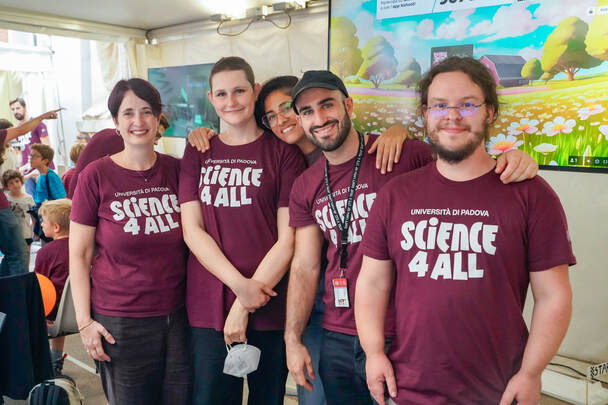
Clelia Gasparini is an Associate Professor in the Department of Biology at the University of Padova (UNIPD), where she leads a dynamic research group focused on evolutionary biology, sexual selection, and environmental impacts on reproduction. Her work spans gamete interactions, animal behavior, and ecological physiology, primarily using zebrafish, guppies, and cockroaches as model systems. Her research interests center on three main themes: (i) the role of female reproductive fluid in post-mating sexual selection, (ii) the effects of climate change—particularly heatwaves—on animal behavior, cognition, and fertility across life stages, and (iii) the impact of PFAS pollution on aquatic organisms using integrated lab and field approaches. Her lab investigates how environmental stressors influence reproductive success, sexual selection dynamics, and transgenerational effects. The recent publications highlight a strong trend in thermal biology and reproductive ecology, with multiple 2025 papers examining heat stress effects on embryonic development, juvenile anti-predator behavior, and adult cognitive traits in fish models. Earlier work established foundational insights into ovarian fluid-mediated sperm selection and cryptic female choice. These studies collectively reflect an integrative approach combining behavioral experiments, molecular analyses, and ecological modeling. Scientific awards include the competitive STARS@UNIPD grant and a DECRA Fellowship, underscoring her research excellence. She also serves as an Associate Editor at Functional Ecology . Clelia mentors several students and early-career researchers, including PhD candidates Livia Pinzoni and Merel Breedveld. Her collaborative network includes researchers from UNITU, UNIBO, and international institutions in Australia and the UK. She actively engages in outreach, such as the Science4all event at UNIPD, where her team showcased research through interactive games and animal displays. Her lab fosters a transparent, ethical, and inclusive environment that values work-life balance. Current collaborative projects include a PRIN-funded study on PFAS-exposed mosquitofish with Marianna Pauletto (UNIPD), Giovanni Polverino (UNITU), and Andrea Barbarossa (UNIBO), and a microbiome-fertility study in guppies with Marco Graziano and Maria Elena Martino (UNIPD). She has hosted visiting scientists like Eugenia Zandonà (Brazil), Lily Amos (Liverpool), and Marissa Cartee (UC Riverside), enhancing the lab’s international profile.
Sara Terzoli is a Bioinformatics Scientist at the National Facility for Data Handling and Analysis at Human Technopole. She holds a PhD in Data Science in Medicine and Nutrition from Humanitas University (2021–2024), preceded by pre-doctoral work in immunology at IRCCS Humanitas Research Hospital and a Master’s in Physics from the University of Milan. Education Bachelor’s and Master’s in Physics, University of Milan (2020) PhD in Data Science in Medicine and Nutrition, Humanitas University (2021–2024) Her research focuses on single-cell transcriptomic and epigenomic data analysis in immunology, with a strong emphasis on computational biology and large-scale omics data . She has contributed to teaching bioinformatics within Medical Biotechnology and Molecular Medicine programs. At Human Technopole, she develops pipelines for advanced computational analysis of biological datasets, integrating data science with medical research .
Luigi Cerulo is an Associate Professor in Computer Science at the Department of Science and Technology (DST) , University of Sannio in Benevento. He co-directs the bioinformatics research group with Francesco Napolitano, focusing on integrating computational methods into life sciences. His teaching includes advanced topics like Computational Genomics and Statistics and Bioinformatics for Master's programs in Biotechnology and Biology. Academic Rank: Associate Professor Department: Science and Technology, University of Sannio Email: lcerulo@unisannio.it Research Interests: Driven by cross-disciplinary innovation, his work bridges machine learning and bioinformatics. Key areas include reverse engineering gene regulatory networks using deep graph neural networks, predicting ligand-receptor interactions via graph autoencoders, and exploring non-coding RNA functions with self-supervised learning. His team also investigates drug synergy prediction and AI applications in biological data. Recent Publications: His 15 most recent works span 2022 to 2007, emphasizing machine learning in gene network reconstruction (Chang et al., 2020), deep learning for RNA classification (Noviello et al., 2020), and foundational contributions to software engineering tools (Canfora et al., 2007-2008). Research Infrastructure: The group utilizes high-performance systems including a Superdome Flex server (224 CPU cores, 1.5 TB RAM) and a GPU cluster at Biogem Institute. Advising and Grants: He mentors PhD students in bioinformatics and leads projects such as GENOMA E SALUTE (EU-funded) and Non-Coding RNA Explosion (Ministry of Research grant). Collaborations span institutions like the University of Naples and Biogem.
Nunzia Scotti is a Senior Researcher at the National Research Council of Italy (CNR) - Institute of Biosciences and BioResources (IBBR) in Portici, Italy. Her work focuses on plant genetics, genomics, and biotechnology , particularly on cytoplasmic organelles. 2001–2020: Research Scientist, CNR-IBBR 2020–present: Senior Researcher, CNR-IBBR 2023: Habilitated as University Full Professor in Plant Genetics Research Interests include: Genomic and biotechnological analysis of plant cytoplasmic organelles (mitochondria, chloroplasts) Identification of mitochondrial genes linked to cytoplasmic male sterility in potato Genetic variability studies in tomato and pepper plastid genomes Production of pharmaceutical and industrial proteins in higher plants Chloroplast proteins involved in drought stress response in tomato Recent Publications highlight her work on: Mitochondrial gene editing in Solanum spp. Plastid transformation for enzyme production in tobacco Drought-induced retrograde signaling in tomato Genomic diversity in Capsicum and Solanum species Biotechnological applications in circular economy Academic Contributions include: 2002–2013: Teaching on plant cytoplasmic organelles at University 'Federico II' and Second University of Naples 2011–2013: Adjunct Professor, Course on recombinant protein production in plants 2014: Course on NGS technologies for plant cytoplasmic genomes 2019–present: Review Editor for Frontiers in Plant Science (Plant Physiology section) 2020–2021: Guest Editor for Plants special issue on plant cytoplasmic organelles 2021–2022: Guest Editor for International Journal of Molecular Sciences special issue on molecular farming 2008–present: Referee for journals including Genome , Plant Biotechnology Journal , and Molecular Breeding 2022–present: CNR Scientific Expert for research project evaluation 2002–present: Member of CNR scientific recruitment committees