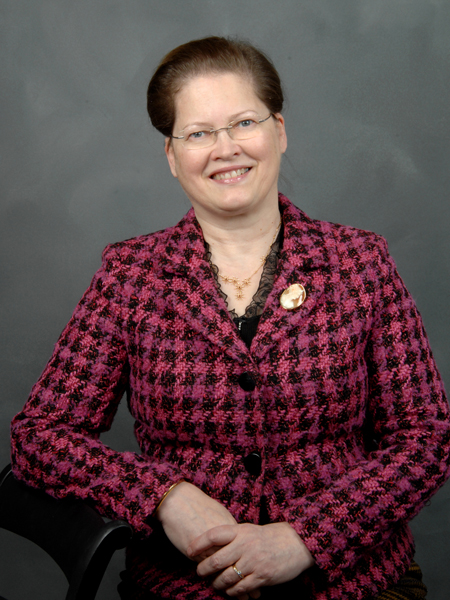
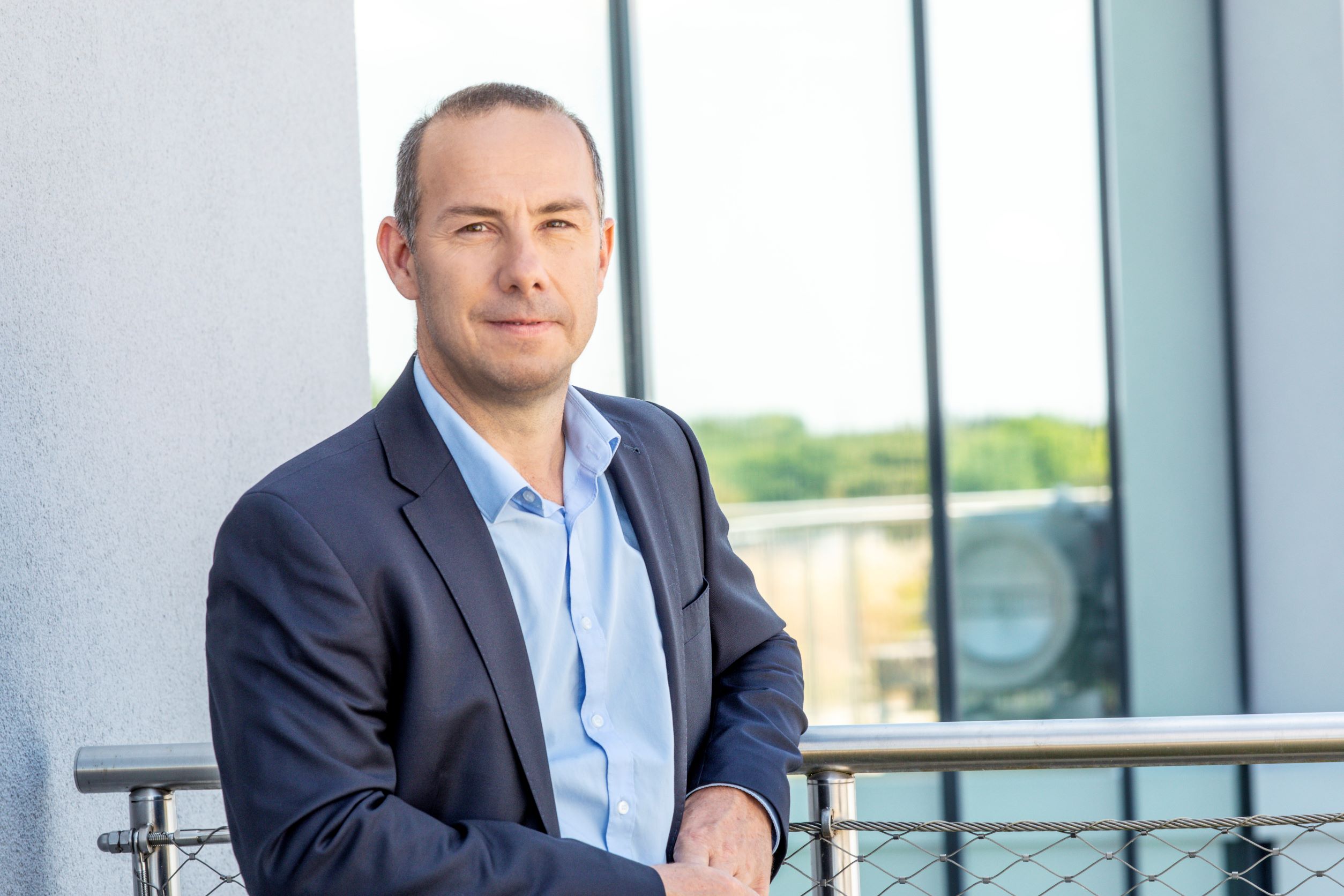
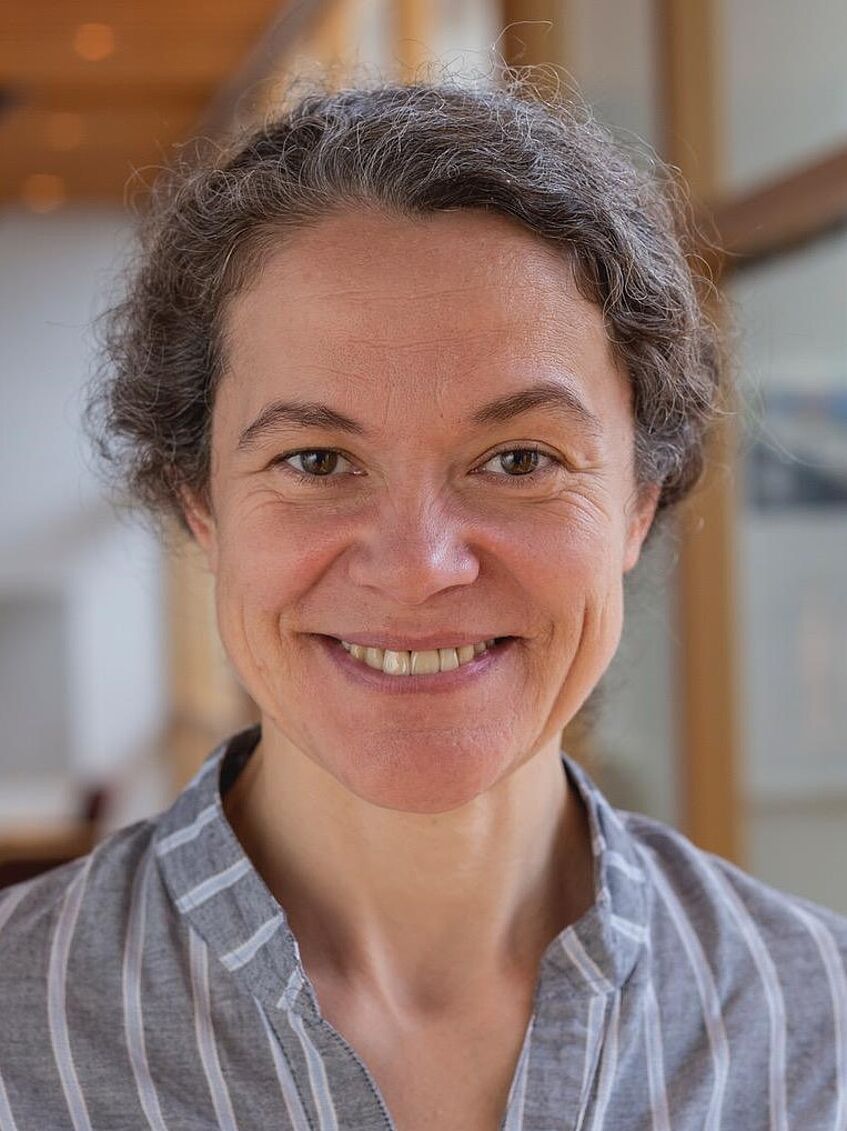
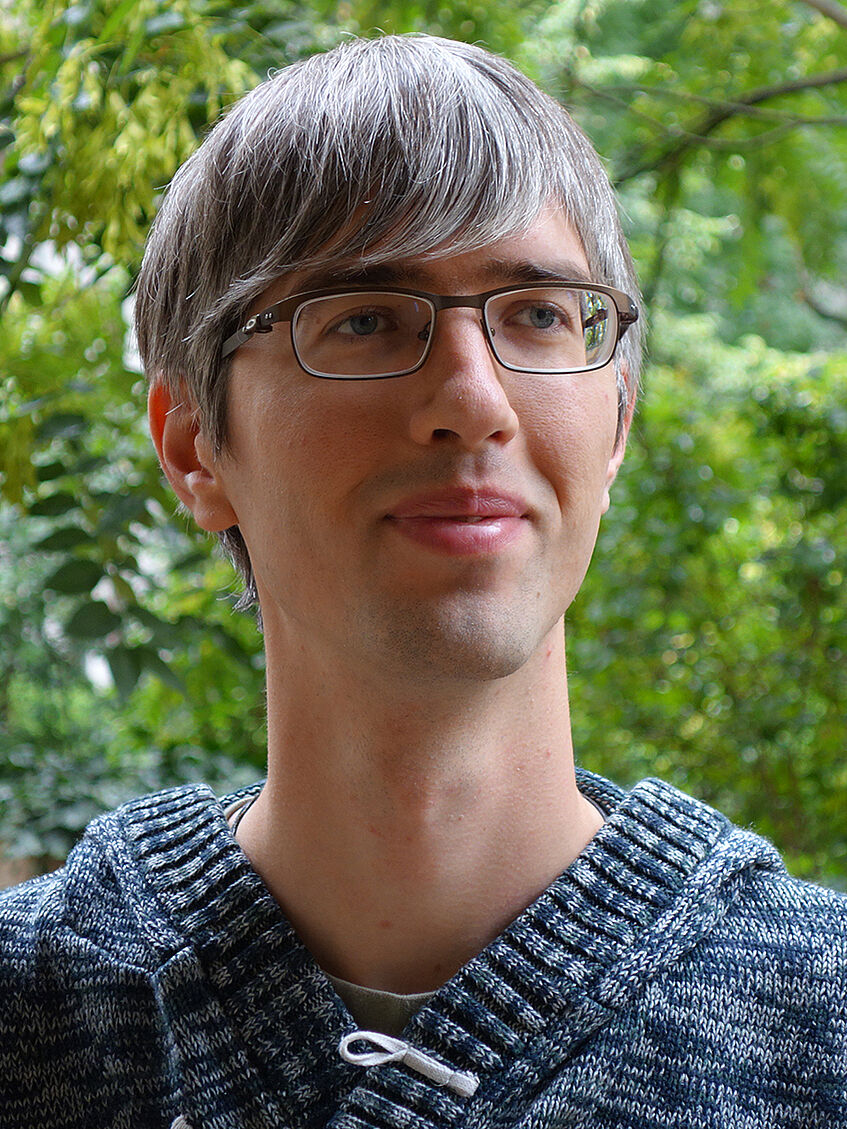
Taina Pihlajaniemi is a Professor of Medical Biochemistry and Vice Rector (Research) at the University of Oulu, Finland. She leads research in extracellular matrix (ECM) biology, focusing on collagen proteins and their roles in tissue homeostasis, development, and diseases such as fibrosis and cancer. Her work includes discovering collagen types XV, XVIII, and XIII, and investigating their structural and regulatory functions using mouse models and human patient studies. Education: - Doctor of Medical Sciences (PhD equivalent), 1987 - Docent in Medical Biochemistry, 1987 - Licentiate of Medicine (medical license), 1981 Research Interests: Collagen biology, ECM interactions, fibrosis, stem cell niches, cancer progression, neuromuscular junction integrity, and gene-modified mouse models. Awards and Recognition: - 2021 E. J. Nyström Award - Matti Äyräpää Prize (2013) - Commander of the Order of the Lion of Finland (2015) - Member of the Finnish Academy of Sciences and Letters (since 1995) Leadership and Mentorship: - Supervised 47 PhD/MD-PhD students and 28 postdocs - Directed major research centers including the Academy of Finland Center of Excellence in Cell-ECM Research and Biocenter Finland Labs/Teams: - Principal Investigator at the University of Oulu's ECM and Hypoxia research group - Collaborates with international institutions on ECM-related studies
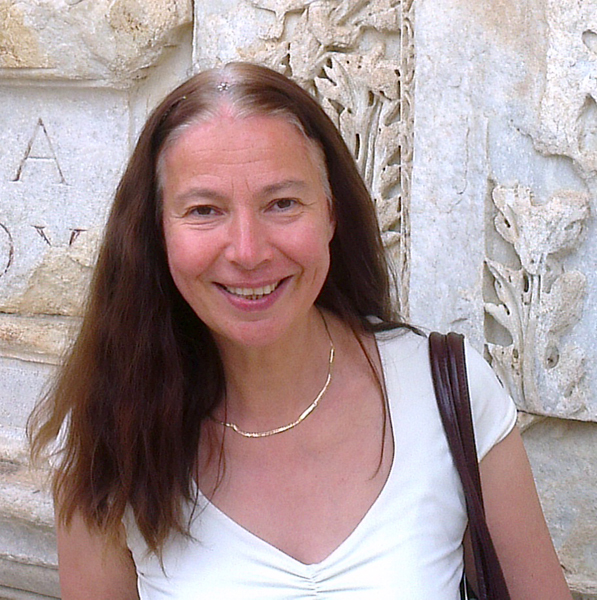
Beáta G. Vertessy serves as Full Professor and Head of the Department of Applied Biotechnology at Budapest University of Technology and Economics since 2011 and 2015 respectively. She concurrently holds a position as Group Leader and Scientific Research Advisor at the Institute of Enzymology, Hungarian Academy of Sciences since 2001. With a distinguished career spanning over three decades, Professor Vertessy has established herself as a leading expert in nucleotide metabolism and genome integrity research. Her educational background includes: M.Sc. (summa cum laude) in Bioengineering, Budapest University of Technology (1984) M.Sc. (summa cum laude) in Biochemistry and Molecular Biology, University of Chicago (1987) Candidate of Biological Sciences (summa cum laude), Hungarian Academy of Sciences (1991) Ph.D. in Biological Sciences (summa cum laude), Eötvös Loránd University (1991) D.Sc. in Biological Sciences, Hungarian Academy of Sciences (2001) Professor Vertessy's research primarily focuses on nucleotide pool imbalance, dUTPases and cytidylyltransferases, and genome integrity mechanisms. Her work explores the double role of uracil in DNA, nucleo-cytoplasmic trafficking, and the physiological consequences of nucleotide pool imbalances. She employs structural biology techniques including X-ray crystallography and solution methods to investigate enzyme mechanisms. Her research extends to infectious microorganisms such as Mycobacterium , Plasmodium , and Staphylococcus , with implications for understanding malaria, tuberculosis, and bacterial pathogenesis. Analysis of her recent publications reveals a consistent focus on dUTPase enzymes, their role in genome integrity, and applications in infectious disease research. Her work spans structural enzymology, nucleotide metabolism, and the development of novel detection methods for pathogens like Plasmodium falciparum . The publications demonstrate interdisciplinary approaches combining molecular biology, structural biology, and biophysical techniques to address fundamental questions in DNA repair and nucleotide metabolism. Her scientific achievements have been recognized with numerous prestigious awards: 2019, 2020 Best Lecturer Award, BME Budapest University of Technology 2016 Tankó Béla Award from the Hungarian Biochemical Society 2015 Gold Master Medal of Hungarian Scientific Students' Associations 2012 UNESCO-L'Oréal Award for Women in Science Howard Hughes International Research Scholar (2000, 2005) As an academic advisor, Professor Vertessy has supervised 21 completed PhD students and currently mentors 7 PhD candidates. Her research has been supported by significant funding including Howard Hughes Medical Institutes grants (2001-2005, 2006-2010), EU Framework Program grants (FP6, FP7), and multiple Hungarian OTKA grants. She leads two research laboratories (http://www.biostruct.org) and has secured major international collaborations through the EU BioStruct-X project and ICGEB grants. Her research program demonstrates sustained excellence with over 140 peer-reviewed publications, an h-index of 39, and more than 6,200 citations. Professor Vertessy directs two research laboratories focused on structural biology and enzyme mechanisms. Her team investigates nucleotide metabolism enzymes using X-ray crystallography, solution methods, and functional studies. The laboratories maintain strong international collaborations, particularly through EU framework programs, and have developed specialized techniques for studying dUTPases and related enzymes in both eukaryotic and pathogenic systems.
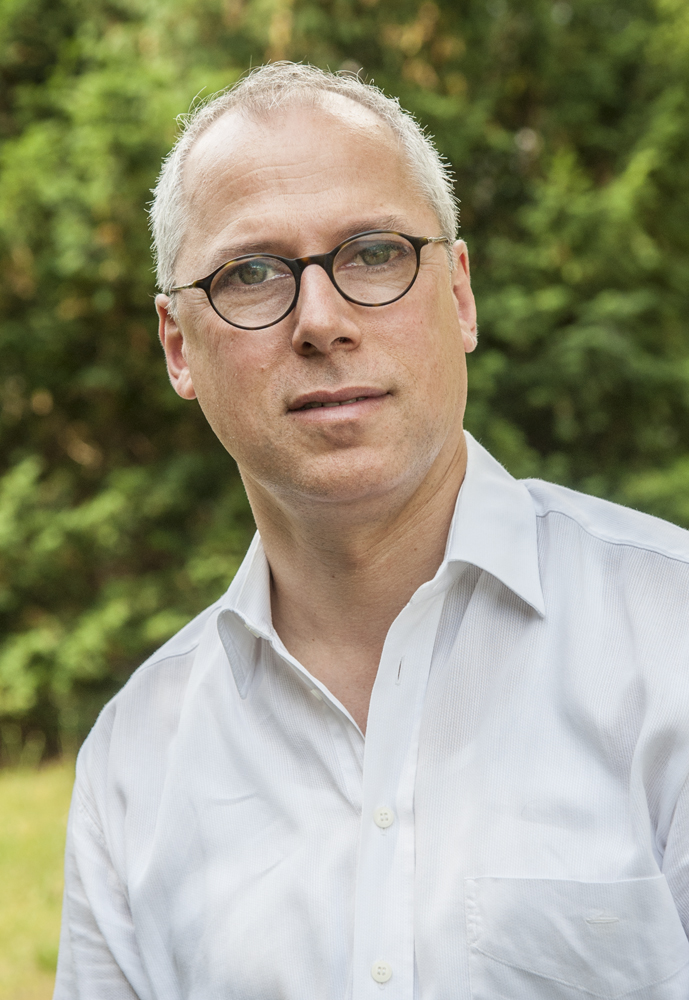
Martin Vingron is a Director and Professor at the Max Planck Institute for Molecular Genetics , leading the Computational Molecular Biology Department since 2000. He previously served as Head of Theoretical Bioinformatics at the German Cancer Research Center (DKFZ) from 1995–2000. Current: Director, Computational Molecular Biology Department (2000–present) Former: Head of Division, DKFZ (1995–2000) Research Interests : Dr. Vingron specializes in computational molecular biology , focusing on biological sequence analysis, transcriptional regulation, functional genomics, and algorithm development for molecular biology applications. His work bridges statistical methods and bioinformatics tools for analyzing genomic data. Scientific Awards : Elected Fellow of ISCB (2012) Max Planck Research Award (2004) Member of Leopoldina (2004) Honorary Professor at Freie Universität Berlin (2001) Publications : His research spans topics such as miRNA promoter recognition, histone modification correlation networks, RNA-seq assembly, and phylogenetic analysis, reflecting expertise in integrating computational methods with molecular biology challenges.
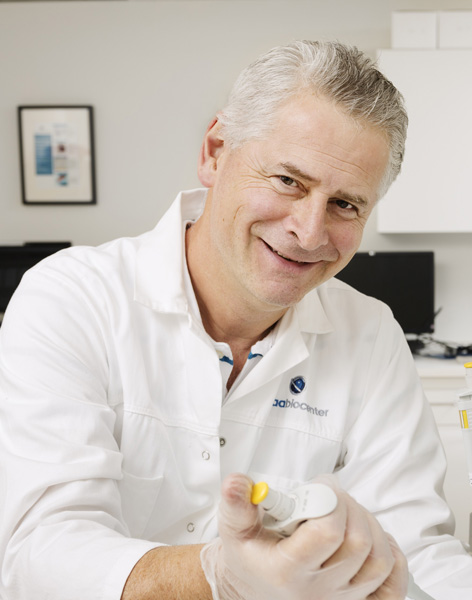
Mikael Kubista is a Professor and Head of the Department of Gene Expression at the Czech Academy of Sciences' Biotechnology Institute. He holds dual affiliations with TATAA Biocenter in Sweden and the Czech Republic. His roles include academic leadership, entrepreneurship in diagnostics, and advisory work with UNESCO. Kubista earned his Ph.D. in Chemistry from Chalmers University of Technology (1991) after postdocs at La Trobe University (Australia) and Yale University (USA). His research focuses on qPCR technologies, gene expression analysis, and molecular diagnostics. Key achievements include co-authoring the influential MIQE guidelines for RT-qPCR, inventing Light-Up probes and Two-tailed PCR, and founding companies like TATAA Biocenter and Life Genomics AB. His work emphasizes translating molecular biology into clinical diagnostics, with notable contributions to non-invasive prenatal testing (NIPT) and cancer diagnostics. Awards include the Frost & Sullivan Award (2013) and recognition as a leading innovator in European diagnostics. Scientific contributions span biotechnology entrepreneurship, development of diagnostic standards, and pioneering techniques in nucleic acid analysis. Kubista advises on global molecular diagnostics infrastructure through UNESCO and chairs ISO working groups for diagnostic guidelines. His current projects include combining Two-tailed PCR with SimSen Seq technology for advanced cancer diagnostics.
Heiko Lickert is the Director of the Institute of Diabetes and Regeneration Research at Helmholtz Center Munich and W3 Professor of Beta Cell Biology in the Medical Faculty at Technical University Munich. He obtained his PhD from Albert-Ludwig University and Max-Planck Institute in Freiburg and completed postdoctoral studies at Mount Sinai Hospital, Toronto. His research focuses on: Beta cell development, regeneration and replacement therapies Pancreas organogenesis and endocrine lineage formation Stem cell-based drug screening and metabolic signaling Genetic and molecular mechanisms of diabetes His publications demonstrate sustained innovation in high-resolution imaging techniques applied to diabetes research, with recent work advancing single-cell analysis of beta cells and multimodal brain mapping. Article trends show progressive integration of transcriptomics with advanced MRI techniques. Major scientific recognitions include: ERC Advanced Grant (2022) Falling Walls Life Sciences Winner (2021) Werner-Creutzfeldt-Preis (2020) Otto-Hahn Medal (2003) He leads multiple international consortia including 'ISLET' for stem cell-based diabetes therapy and 'eISLET' for engineered pancreatic islets. As designated President of the German Stem Cell Network, he oversees national research strategy development.
David Tollervey is a Professor of RNA Biology and Wellcome Principal Research Fellow at the Wellcome Centre for Cell Biology , University of Edinburgh. He has held this position since 1997 and served as Director of the Centre from 2011 to 2021. His academic journey includes postdoctoral training at UC San Francisco and a PhD in Genetics from the University of Cambridge. Research Interests: Tollervey specializes in RNA biology, focusing on RNA synthesis, degradation, and surveillance mechanisms. His work explores ribosome synthesis, non-coding RNAs in disease, and the interplay between RNA and protein synthesis. Key contributions include defining exosome function and RNA interactome mapping. Education: BSc (Hons) in Microbiology, University of Edinburgh (1973–1977) PhD in Genetics, University of Cambridge (1977–1980) Awards & Honours: Fellow of the Royal Society (2004) President of the RNA Society (2007–2008) Biochemical Society Novartis Medal (2016) Fellow of the Academy of Medical Sciences (2022) Labs & Teams: Leads the RNA Biology group at the Wellcome Centre, focusing on mechanistic and functional studies of RNA processing. Collaborates extensively with global research networks.
Prof. Robert Mach is a faculty member at TU Wien's Institut für Verfahrenstechnik, Umwelttechnik und technische Biowissenschaften. His research focuses on microbial biotechnology, genetic regulation in fungi, and applications in bioindustrial processes. He leads studies on Trichoderma reesei for enzyme production and biorefinery strategies, as well as radiation-based pest control methods for tsetse flies. His work integrates molecular biology, bioinformatics, and environmental engineering to address challenges in sustainable bioprocessing and vector-borne disease management. Key areas of research include strain optimization in fungi, detoxification of lignocellulosic hydrolysates, and development of the Sterile Insect Technique using X-ray irradiation. Collaborations span entomology, microbiology, and computational biology, with contributions to genomic tools like FunOrder 2.0 for analyzing fungal biosynthetic pathways. Prof. Mach also investigates symbiotic relationships between insects and microbes, advancing understanding of tsetse fly microbiota and their impact on disease transmission.
Nicolas Marx is a Researcher at the Institute of Animal Cell Technology and Systems Biology , part of the Department of Biotechnology and Food Science within the University of Natural Resources and Life Sciences, Vienna. His work focuses on mammalian cell engineering, particularly in Chinese Hamster Ovary (CHO) cells, integrating epigenetics , genetic tools , and synthetic biology to enhance cellular production capabilities. Current position: Researcher at BOKU Research areas: Epigenetic editing, CHO cell engineering, promoter modulation His research explores targeted epigenetic modifications to improve gene expression stability and production efficiency in mammalian systems, with applications in biopharmaceuticals and cell factory design . Recent publications highlight advancements in transposase technology , Nanopore sequencing for integration site analysis, and CRISPR-based epigenetic tools . Marx has supervised multiple Master/Diploma Theses on topics including mRNA stability optimization , Cas9-targeted sequencing , and dCas9-ChIP methods . He serves as a peer reviewer for journals like Biotechnology Journal and Biotechnology Advances, contributing to scientific discourse in his field.
Dr. Raimund Tenhaken is a Professor at the University of Salzburg's Department of Environment & Biodiversity, part of the Faculty of Natural and Life Sciences. His research focuses on plant cell wall biosynthesis mechanisms, particularly UDP-glucuronic acid pathways and sugar recycling. He employs molecular genetics, CRISPR-Cas knockouts, HPLC analysis, and confocal microscopy in his work. Tenhaken teaches plant biology modules including Cell Biology, Developmental Biology, and Herbicide studies at both undergraduate and graduate levels. His lab is located at Hellbrunnerstrasse 34, room DE.014 in Salzburg. Research interests include plant cell wall polymers, sugar toxicity mechanisms, and metabolic pathway analysis Teaching responsibilities span multiple botany courses across bachelor's and master's programs Uses advanced techniques such as real-time transcriptome analysis and recombinant protein expression systems
Sabine Agatha is an Associate Professor specializing in Environment and Biodiversity at the University of Salzburg. With over 150 publications spanning more than three decades of research and 8 active research projects, her work focuses on ciliate biology, particularly tintinnids and their lorica formation. She has made significant contributions to protistology since the early 1990s, with a notable increase in publications and research activity in recent years. Her research integrates molecular, morphological, and ecological approaches to understand microorganism biodiversity, evolution, and environmental adaptation. Dr. Agatha's research interests center on ciliates (Alveolata, Ciliophora), with particular expertise in tintinnids and their unique lorica (shell) structures. She investigates morphological changes during cell cycles, evolutionary relationships among planktonic ciliates, and biodiversity patterns across marine ecosystems. Her work combines advanced microscopic techniques, phylogenetic analysis, and comparative transcriptomics to unravel the structure, function, and evolutionary history of these microscopic organisms. This multidisciplinary approach has positioned her as a leading researcher in protist systematics and marine microorganism ecology. Analysis of her recent publications reveals a sophisticated integration of traditional morphological studies with cutting-edge molecular techniques. Her work has evolved from primarily descriptive taxonomy to incorporating genomic and transcriptomic approaches while maintaining rigorous microscopic analysis. Current research emphasizes the cellular mechanisms of lorica formation, evolutionary adaptations in ciliates, and biodiversity assessment methodologies applicable to environmental monitoring. Dr. Agatha's scientific achievements have been recognized with several prestigious awards: Three Poster-Preis awards (2018) DeSignate award for detecting signature characters in gene sequence alignments (2020) John O. Corliss Award in Ciliate Systematics (2007) As a research leader, Dr. Agatha manages multiple significant projects including "Concert of trumpets: Next Generation Taxonomy of the Ciliate Stentor" (2023-2027), "A Multidisciplinary Approach on Tintinnid Shells" (2022-2026), and several focused investigations into single-cell housing mechanisms. She serves on editorial boards for journals including the Journal of Eukaryotic Microbiology and the Journal of the Marine Biological Association of the United Kingdom, demonstrating her standing in the scientific community. Dr. Agatha is an active member of the Scientists4Future Salzburg initiative, collaborating with colleagues across disciplines to address environmental challenges. Her laboratory work combines advanced microscopy with molecular techniques to study ciliate structure and function, while her field research contributes to understanding marine biodiversity patterns in global ecosystems.
Carolina Elisabeth Atria is affiliated with the Faculty of Computer Science and the Data Mining and Machine Learning Research Group . Her research bridges computational methodologies with biological systems, focusing on molecular circadian rhythms and sustainable development. Her recent work explores circadian regulation in marine annelids, contributing to understanding biological timing mechanisms and their ecological implications. Publications highlight interdisciplinary approaches combining machine learning , genetic analysis , and neuroscience . 2024: Published groundbreaking research on circadian rhythms in PLoS Biology. Her studies align with the UN Sustainable Development Goals , particularly those addressing life below water and scientific innovation.
André Rendeiro is a Principal Investigator at CeMM (Center for Molecular Medicine) under the Austrian Academy of Sciences since June 2022. His research bridges computational biology and spatial biology to decode cellular interactions in human physiology, focusing on aging, tissue integrity, and disease mechanisms. He earned his PhD in molecular medicine at CeMM and conducted postdoctoral work at Weill Cornell Medicine in New York. Education PhD in Molecular Medicine, CeMM Vienna Postdoctoral Associate, Weill Cornell Medicine His work centers on spatial transcriptomics, multiplexed imaging, and computational pathology to: Detect early pre-cancerous lesions Quantify tissue integrity across lifespan Map immune cell distributions in organs Link spatial patterns to aging and disease Key research trends from his publications include: Developing tools like LazySlide for histopathology analysis Creating spatial reference atlases (SAHA) for human organs Modeling tissue clocks to predict aging from blood biomarkers Investigating epithelial-mesenchymal transitions in cancer Characterizing thymic development and liver fibrosis Profiling immune responses in COVID-19 and colorectal cancer
Astrid Forneck is a Full Professor at the University of Natural Resources and Life Sciences Vienna (BOKU), where she leads the Institute of Viticulture and Pomology. Her research focuses on grapevine stress physiology, viticultural sustainability, and genetic resistance mechanisms against pests like grape phylloxera. She holds a habilitation from Universität Hohenheim and has held visiting positions at UC Davis and the University of Adelaide. Her education includes a Ph.D. from the University of Hohenheim on grape phylloxera genetics and a Master’s from UC Davis. She began her career in her family’s winery and later transitioned to academia, holding roles at Hohenheim University before joining BOKU in 2005. Research interests span abiotic/biotic stress interactions (drought, phylloxera), berry ripening disorders, PIWI cultivar resilience, and vineyard ecosystem management. Her work combines molecular biology, eco-physiology, and field studies to improve sustainable viticulture. Her publications emphasize drought adaptation, phylloxera genomics, soil biodiversity, and metabolic responses to stress. Recent trends include climate-resilient viticulture, rootstock genetics, and physiological disorders like berry shrivel. Awards: OECD Fellowship, Rudolf-Hermanns Preis, Peter-Morio Preis, DAAD Scholarship She advises students in viticulture/enology programs and leads projects on grapevine stress tolerance funded by national and EU initiatives. Her lab focuses on phenotyping, molecular analysis, and field trials to address climate challenges in viticulture.
Mihaela Pavličev is a Professor at the University of Vienna's Faculty of Life Sciences, leading the Unit for Theoretical Biology and serving as Deputy Head of the Department of Evolutionary Biology. Her research focuses on evolvability mechanisms, particularly how developmental systems generate phenotypic variation that drives macroevolutionary change. She investigates the decoupling of trait variation and individuation of biological units, with empirical work on limb evolution and mammalian reproductive systems. Key research themes include the evolutionary origins of tissues/organs via metabolic complementation between cells, the role of pleiotropy in trait individuation, and comparative anatomy of female genitalia across therian mammals. Her work bridges theory and empirical studies, integrating genomics, developmental biology, and evolutionary medicine. Recent publications address topics like uterine receptivity evolution, Wnt4 signaling in pregnancy, and re-evaluating the obstetrical dilemma hypothesis. Pavličev collaborates widely, with projects spanning placental biology, cancer metastasis evolution, and the evolutionary basis of reproductive disorders. Her lab is located at Djerassiplatz 1, Vienna, Austria, and she actively participates in teaching evolutionary biology courses at the University of Vienna.
Dr. Jan Engelhardt is a Lecturer and Postdoc Researcher at the Department of Evolutionary Biology, Theoretical Biology, University of Vienna. His research focuses on evolutionary biology, particularly the evolution of gene regulatory mechanisms in animals with emphasis on epigenetic modifications. He studies factors influencing evolvability of regulatory mechanisms and their interactions using computational analysis of omics data including single-cell, transcriptomics, and genomics. His work involves both computational analysis and occasional data generation through novel sequencing techniques. Engelhardt's research contributes to understanding fundamental processes in evolutionary development and gene expression regulation across species.