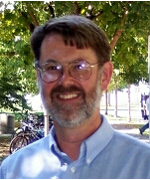
Philip Dixon is a University Professor of Statistics at Iowa State University's Department of Statistics. His research focuses on developing statistical methods for ecological and environmental challenges, including spatial data analysis, equivalence testing, and computer-intensive techniques like bootstrapping. Collaborative projects include tracking monarch butterflies and analyzing climate impacts on crop yields. He teaches advanced statistical courses and consults on experimental design, environmental data analysis, and statistical computing. Dixon is actively involved in software development for R and SAS, emphasizing reproducible research practices. His work spans ecological, agricultural, and public health applications, with a strong emphasis on methodological innovation and practical solutions.
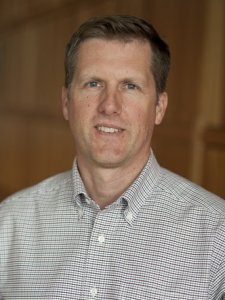
Krishna Pacifici is an Associate Professor in the Department of Forestry and Environmental Resources at North Carolina State University (NC State), affiliated with the College of Natural Resources and the Center for Geospatial Analytics. His work focuses on applying quantitative methods to understand ecological responses to environmental stressors and inform conservation decisions. He holds a Ph.D. in Forest Resources (2011) from the University of Georgia, M.S. in Statistics (2012) and Wildlife Ecology (2007), and a B.S. in Fisheries and Wildlife Sciences (2003), all from NC State. Research interests include spatiotemporal modeling, structured decision making, and adaptive management. He leads projects on North American mammal phylogeography, endangered species recovery (e.g., Neuse River Waterdog), and red snapper abundance estimation. His grants total over $6 million from NSF, USGS, NOAA, and state agencies, supporting collaborative efforts like the Southeast Climate Science Center and wild turkey ecology studies. Key grants: NSF-funded continental mammal SDMs ($374K), Neuse River Waterdog studies ($180K), and red snapper abundance modeling ($713K). Teaches FW 453/553: Principles of Wildlife Science. Publications emphasize ecological modeling, conservation applications, and methodological advancements in occupancy analysis and camera trap data.
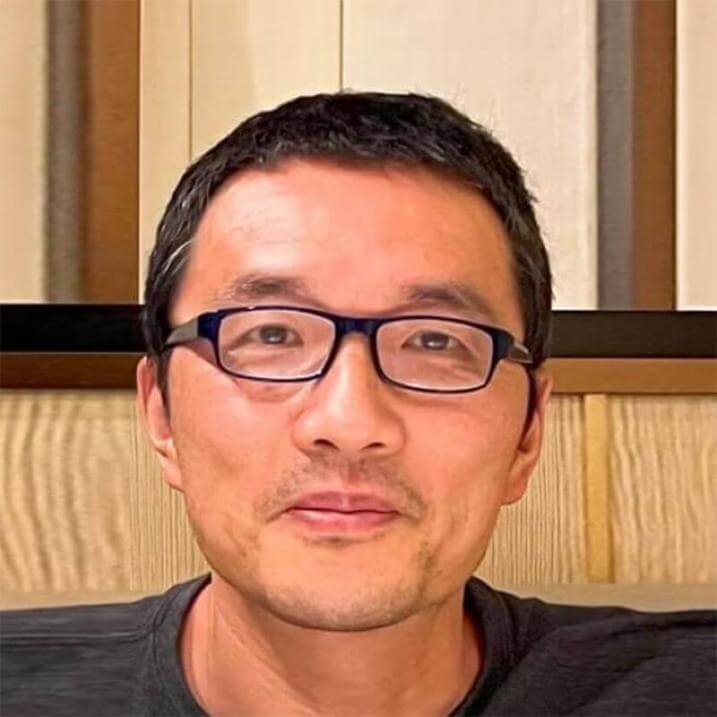
Professor Robert Britton is a faculty member at Bournemouth University , affiliated with Christchurch House on the Talbot Campus. He is an active professor and aquatic ecologist whose research focuses on fish ecology, invasive species, and anthropogenic impacts on freshwater systems. Institution: Bournemouth University Position: Professor Research Focus: Aquatic ecology, invasive species, climate change, trophic interactions Contact: rbritton@bournemouth.ac.uk Professional Roles: Associate Editor, Journal of Applied Ecology and Biological Invasions His research interests center on the ecological consequences of biological invasions, climate change effects on fish life history, and habitat loss. He employs empirical tools such as stable isotope analysis, aquatic telemetry, and population genetics across diverse systems including the River Severn and Norfolk Broads. His work often bridges conservation science and management, contributing to risk assessment and eradication strategies for invasive species. The most recent publications (2024–2025) reflect a strong trend in invasion ecology , microplastic pollution , climate change impacts , and non-lethal monitoring techniques . Key themes include trophic niche variation, movement ecology of anadromous fish, stress physiology in recreational fisheries, and ethical considerations in invasion science. His collaborative network spans multiple continents, with frequent co-authorship with researchers from Turkey, Brazil, and France. Scientific Awards and Recognition: No explicit awards mentioned in the provided text. Advising and Grants: While no direct mention of students or grants is made, his extensive collaborative output and editorial roles suggest active mentorship and research leadership. His work is likely supported by external funding given the scale of fieldwork and modeling efforts described. Laboratories and Research Teams: Professor Britton leads or is a key member of a research group focused on aquatic ecology and conservation. He collaborates with the Institute of Ecology and Evolution and participates in multi-institutional projects involving eDNA, telemetry, and ecosystem modeling.
Sivan Toledo is a Professor at the Blavatnik School of Computer Science, Tel Aviv University, with an ongoing appointment from October 1998 to the present. His academic career spans over 25 years in the same institution. Research Focus Design of miniature radio transmitters for wildlife tracking Embedded systems and power management for sensors Robust algorithm development for geolocation applications Publication Trends Recent works focus on wireless sensor networks for ecological monitoring, emphasizing miniaturization, energy efficiency, and algorithmic robustness in telemetry systems. His research bridges computer architecture with environmental science applications.
Dr. Philipp Gutruf is an Assistant Professor in the Biomedical Engineering Department at the University of Arizona , where he develops wireless, battery-free implantable devices that integrate soft materials, photonics, and electronics for health diagnostics and neuroscience research . His work focuses on eliminating physical tethers in biomedical tools through capacitive energy harvesting and miniaturized optoelectronic systems , enabling chronic monitoring of neural dynamics and musculoskeletal systems in freely moving animal models . He has received multiple patents and awards, including the Craig M. Berge Faculty Fellow in 2020. His research spans three primary domains: Wireless neuromodulation tools for neuroscience (optogenetic implants for rodents and songbirds) Biosymbiotic wearables for digital medicine (15-mile signal transmission, LoRa integration) Flexible bioelectronic platforms for cardiovascular applications (open thoracic implantation protocols, closed-loop pacing systems) Recent publications highlight breakthroughs in ±20V wireless stimulation (2023), 15-mile biosignal telemetry (2023), and dorsal hippocampus pain modulation (2021). His group has developed osseosurface electronics (2021) for bone-integrated sensors and epidermal UV dosimeters (2017) with NFC capabilities. Teaching interests emphasize hands-on biomedical design education through courses like Medical Device Design (BME 310) and Research Methods in Biomedical Engineering (BME 592).
Jonna Tomkiewicz is a Senior Researcher at the National Institute of Aquatic Resources, Technical University of Denmark (DTU Aqua), within the Section for Marine Living Resources. She is actively engaged in cutting-edge research on marine species, particularly focusing on the European eel ( Anguilla anguilla ), broodstock management, larval culture, and aquaculture sustainability. Her work contributes to global efforts in marine conservation and aligns with UN Sustainable Development Goals related to life below water. Her research interests center on fish reproductive physiology, larval development, aquaculture systems, and the environmental management of marine resources. She investigates critical bottlenecks in closing the life cycle of the European eel, including spawning behavior, egg quality, and larval survival under controlled conditions. Her studies also extend to other species such as lumpfish and Baltic cod, addressing broader issues in fisheries science and climate change impacts. The recent trends in her publications reveal a strong emphasis on aquaculture innovation, reproductive biology, and ecological sustainability. Her work integrates molecular techniques (e.g., transcriptomics), environmental physiology, and advanced hatchery technologies to improve breeding success and sustainability in aquaculture. Themes such as photoperiod manipulation, water quality management, and tagging for spawning ground discovery are recurrent, reflecting a multidisciplinary approach to marine resource challenges. She has received the Corrit Fund’s Academic Travel Grant in 2013, supporting her academic mobility and international collaboration. This award underscores her active participation in the global scientific community. Advising: She is currently accepting PhD students, indicating active mentorship and supervision in marine biology and aquaculture research. Grants & Projects: She has led or participated in major research initiatives such as MAKE-IT (mackerel stock assessment), TAG-EEL (eel spawning discovery), CLEANEEL (water treatment in eel farming), and FREMTOR (Baltic cod futures). These projects are funded by national and international bodies, reflecting significant research support and collaboration. Dr. Tomkiewicz is deeply involved in collaborative networks, particularly through her membership in the International Council for the Exploration of the Sea (ICES), where she contributes to workshops and scientific assessments. Her work is embedded in large-scale, interdisciplinary teams focused on sustainable fisheries and marine ecosystem health.
Vilis O Nams is a Full Professor at Dalhousie University's Faculty of Agriculture, specializing in ecology, animal behavior, and conservation biology. His research integrates statistical modeling, fractal analysis, and field studies to explore animal movement patterns, habitat use, and ecological interactions. He has held visiting roles at institutions like James Cook University and the Spanish National Research Council. His work spans diverse taxa, including carnivores, pollinators, and agricultural systems. Key research interests include predator-prey dynamics, edge effects on animal dispersal, and the application of fractal geometry to ecological problems. He has pioneered methods for analyzing animal movement paths and their implications for habitat conservation. Collaborations with ecologists and biostatisticians have yielded influential studies on topics like blueberry pollination, wildlife telemetry, and the impacts of environmental management practices. His publications emphasize interdisciplinary approaches, such as combining movement data with behavioral sensors to detect cognitive changes in dementia patients, and developing cost-effective tools for studying arthropod behavior. Nams' work bridges theoretical ecology and practical conservation, with applications in both natural and agricultural ecosystems.
Jon Christian Svendsen is a Senior Researcher at the National Institute of Aquatic Resources (DTU Aqua), Technical University of Denmark, specializing in freshwater and marine fisheries ecology. His research focuses on understanding fish behavior, habitat utilization, and population dynamics in various aquatic environments, with particular emphasis on how human-made structures impact marine ecosystems. Dr. Svendsen's research interests include fish telemetry applications, marine biodiversity assessment, and fisheries management. His work frequently examines the ecological role of anthropogenic structures such as oil platforms as artificial reefs in the North Sea, investigating their effects on fish abundance, biodiversity, and community structure. He also studies species-specific behaviors, particularly of Atlantic cod and brown trout, using advanced tracking technologies. His recent publications demonstrate a strong focus on marine habitat restoration through eco-engineering solutions, the ecological impacts of artificial structures in marine environments, and the dynamics of fish populations in changing ecosystems. His research combines field studies with advanced analytical approaches to address practical fisheries management challenges. Telemetry-based fish behavior studies Marine biodiversity at anthropogenic structures Climate change impacts on fish populations Eco-engineering of blue infrastructure Sustainable fisheries management solutions Dr. Svendsen actively supervises PhD students and participates in multiple research projects addressing marine ecosystem dynamics, blue bioeconomy, and nature-based solutions. His collaborative work spans international research initiatives focused on marine habitat conservation and sustainable fisheries development. His current projects include Marine Biodiversity at Human made Structures (as Main Supervisor), Decoding Tuna Movement (as Supervisor), BlueBioClimate, and Win@Sea (as Principal Investigator). His research contributes directly to UN Sustainable Development Goals related to life below water and climate action, providing evidence-based approaches for sustainable marine resource management.
Birhanu Eshete is an Associate Professor at the University of Michigan-Dearborn in the Department of Computer and Information Science within the College of Engineering and Computer Science. He leads the Data-Driven Security & Privacy Lab (DSPLab) and serves as a faculty affiliate at the Michigan Institute for Data Science (MIDAS) . His academic journey includes a Ph.D. from the University of Trento , M.Sc. and B.Sc. from Addis Ababa University . Research Focus : Trustworthy Machine Learning (security, privacy, transparency, fairness), Cyber Threat Intelligence, and Cybercrime Analysis. Teaching : Courses in Trustworthy AI, Data Security & Privacy, and Compiler Design. Awards : 2023 NSF CAREER Award (#2238084) 2021 NSF Research Grant (#2103596) 2020 U.S. Patent (#0059481) 2018 Distinguished Paper at USENIX Security His recent publications emphasize adversarial machine learning , privacy-preserving techniques , and cybersecurity innovation . Former students hold positions at Google , Amazon , and Tesla , while current advisees include Ph.D. candidates and Master's students focusing on cutting-edge security and ML research.
Dr. Joel Winston is a Senior Clinical Lecturer and Consultant Neurophysiologist at King's College London, based in the Department of Basic and Clinical Neuroscience within the Institute of Psychiatry, Psychology & Neuroscience. He joined KCL in September 2020 and is actively involved in both clinical practice and academic research. Education: Undergraduate studies in Medicine and Neuroscience, University of Cambridge MB PhD program, University College London (UCL); PhD on emotive aspects of face perception Clinical training in neurophysiology and fellowship in complex epilepsy at the National Hospital for Neurology and Neurosurgery Wellcome Trust postdoctoral research fellowship focusing on interoception and symptom perception (research at UCL and Northwestern University, Chicago) Dr. Winston's research spans the intersection of neuroscience, clinical neurology, and digital health. His primary interests include interoception and health perception, cognition in epilepsy, machine learning applications in electronic health data, and neurophysiological diagnosis. His recent publications highlight a strong focus on functional neurological disorders, seizure forecasting using advanced EEG techniques, and the use of AI for extracting clinical information from unstructured data. The 15 most recent articles reflect a consistent trend toward leveraging technology—particularly machine learning and long-term EEG monitoring—for improving epilepsy diagnosis, seizure prediction, and understanding functional neurological symptoms. There is a clear interdisciplinary approach combining neurophysiology, neuropsychiatry, and artificial intelligence. Scientific Awards and Recognitions: No specific awards mentioned in the provided text. Grants and Research Projects: Developing layer fMRI as a new biomarker of epilepsy in children – Co-Investigator (GOSH Charity, 2023–2026) Natural Language AI to identify predictors of refractory epilepsy in NHS Electronic Health Records – Co-Investigator (Epilepsy Research Institute UK, 2022–2026) Seizure forecasting by tracking the brain's response to electrical stimulation – Co-Investigator (MRC, 2022–2023) Dr. Winston is also affiliated with the Neuropsychiatry Research & Education Group (NREG) and the King’s Epilepsy Research Collective (KERC), which foster interdisciplinary collaboration. His work contributes to UN Sustainable Development Goals related to good health and wellbeing. No information is available regarding students he has advised or formal teaching roles beyond co-leading a module in the MSc Clinical Neuroscience program.
Joseph Euzebe Tate is an Associate Professor in the Department of Electrical and Computer Engineering at the University of Toronto's Faculty of Applied Science and Engineering. His work bridges advanced telemetry, data processing, and visualization to enhance power grid reliability and renewable energy integration. Education: BS in Electrical Engineering, Louisiana Tech University (2003) MS and PhD in Electrical and Computer Engineering, University of Illinois at Urbana-Champaign (2005, 2008) Research Interests: Tate's research focuses on optimizing power systems through cutting-edge data analytics, renewable energy integration, and smart grid technologies. He emphasizes visualization tools to improve grid efficiency and sustainability. Scientific Awards and Memberships: Executive board member, Ontario Network for Sustainable Energy Policy (ONSEP) Vice-chair, IEEE PES Career Promotion and Workforce Development Committee Co-chair, IEEE PES Task Force on High Performance Computing in Power Systems Editorial Board, Electrical Power Components and Systems Member, Standard Council of Canada and IEC TC-57 Canadian representative in IEC 61850-90-5 working group Associate Editor and Technical Program Committee member, 23rd IEEE Canadian Conference on Electrical and Computer Engineering
Duane Diefenbach is an Adjunct Professor of Wildlife Ecology at Pennsylvania State University and serves as the Leader of the PA Cooperative Fish & Wildlife Research Unit . His work focuses on wildlife ecology and management, particularly white-tailed deer, black bears, and grassland birds. Research Interests : Dr. Diefenbach's research spans population parameter estimation , harvest management , antler restriction policies , and grassland conservation . He investigates how high deer densities and low hunter numbers impact ecosystems, and explores strategies for managing reclaimed surface mines as habitats for grassland birds. Recent Publications (2014-2020) highlight trends in wildlife genetics, harvest regulation impacts, and habitat dynamics. His studies on spatial genetic structure , deer dispersal , and bobcat reintroduction demonstrate interdisciplinary approaches combining ecology and statistical modeling. Scientific Awards : National Conservation Award for Wild Turkey Research (2023) Collaborative Networks : Dr. Diefenbach works with institutions like the Pennsylvania Game Commission, U.S. Geological Survey, and state wildlife agencies. His leadership in the PA Cooperative Fish & Wildlife Research Unit integrates applied research with natural resource management.
Michael Gannon is a Professor in the Division of Mathematics & Natural Sciences at Penn State Altoona, part of Penn State University. His research spans zoology, evolution, and museum science, with a strong focus on bat ecology in both temperate and tropical ecosystems. Research Interests: His work emphasizes population and community ecology of bats, habitat selection, echolocation, ectoparasite interactions, and the effects of environmental disturbances such as hurricanes. He has conducted extensive field studies in Puerto Rico, particularly in the Luquillo Experimental Forest, and has contributed to broader topics in island biogeography and conservation biology. Publication Trends: His publications from 1993 to 2014 reveal a consistent focus on Chiroptera, with interdisciplinary methods combining ecology, morphology, acoustics, and statistical modeling. Key themes include the impact of natural disasters on wildlife, host-parasite dynamics, and species distribution patterns. Scientific Contributions: Co-authored influential guidelines for the ethical use of wild mammals in research (Journal of Mammalogy, 2007). Conducted pioneering studies on bat responses to Hurricane Hugo in Puerto Rico. Published on diverse taxa including bats, land snails, marsupials, and phasmids, indicating broad ecological expertise. Advising and Grants: While no formal students or grants are listed in the provided text, his long-standing collaborative research, especially with Michael R. Willig, suggests mentorship and project leadership roles. His work likely involved external funding, particularly for fieldwork in Puerto Rico and Pennsylvania. Labs and Teams: Though no specific lab or research team is named, his repeated collaborations and field-based projects indicate participation in ecological research networks focused on tropical and temperate ecosystems.
Davide Nicolini is a Research Fellow at the Department of Control and Computer Science (DAUIN) at Politecnico di Torino, where he also serves as an external lecturer. His academic work focuses on electronic design automation, particularly in FPGA technology and satellite systems engineering. His research interests span FPGA design optimization, electronic CAD systems, satellite telemetry analysis, and anomaly detection in space systems. Nicolini's work demonstrates a strong focus on improving computational efficiency in hardware design flows, with particular emphasis on memory optimization in FPGA routing processes and reliability enhancement in space mission systems. His recent publications show a clear trend toward applying AI techniques to solve complex engineering problems in both satellite operations and FPGA design. The research demonstrates practical applications with significant performance improvements, including 90% memory usage reduction and 40% routing time decrease in FPGA implementations. Nicolini is an active member of the CAD - Electronic CAD & Reliability Group (DAUIN) at Politecnico di Torino. He contributes to teaching as a course collaborator for Operating Systems in the Computer Science Engineering program for the 2025/26 academic year.
Dr. Tian Xia is a Professor at the University of Vermont in the Department of Electrical and Biomedical Engineering within the College of Engineering and Mathematical Sciences. He received his PhD in Computer Engineering from the University of Rhode Island after completing his B.S. and M.S. in China. PhD: University of Rhode Island M.S.: Nanjing University of Posts and Telecommunications B.S.: Huazhong University of Science and Technology His research focuses on Mixed Signal and RF Circuits , Embedded Systems for Sensing/Communication , and Reconfigurable Computing . He has made significant contributions to Ground Penetrating Radar technology, Physical Unclonable Functions, and wireless sensor networks. Dr. Xia's publications demonstrate expertise in RF Circuit Design , Ground Penetrating Radar Applications , Water Quality Monitoring , and Hardware Security . His work has appeared in top journals like IEEE Transactions on Circuits and Systems, IEEE Sensors Journal, and Journal of Applied Remote Sensing. 3× IBM Faculty Award Recipient Best Paper Award Winner at IEEE System on Chip Conference IEEE Green Mountain Section Leadership Award Excellence in Research Award (2022, CEMS) Outstanding Faculty Award (2025) He serves as Associate Editor for Journal of Electronic Testing and Journal of Circuits, Systems and Computers . Students from his lab have found positions at major tech companies like IBM, Intel, and Qualcomm. His research combines theoretical innovation with practical applications in infrastructure monitoring, biomedical devices, and secure computing.