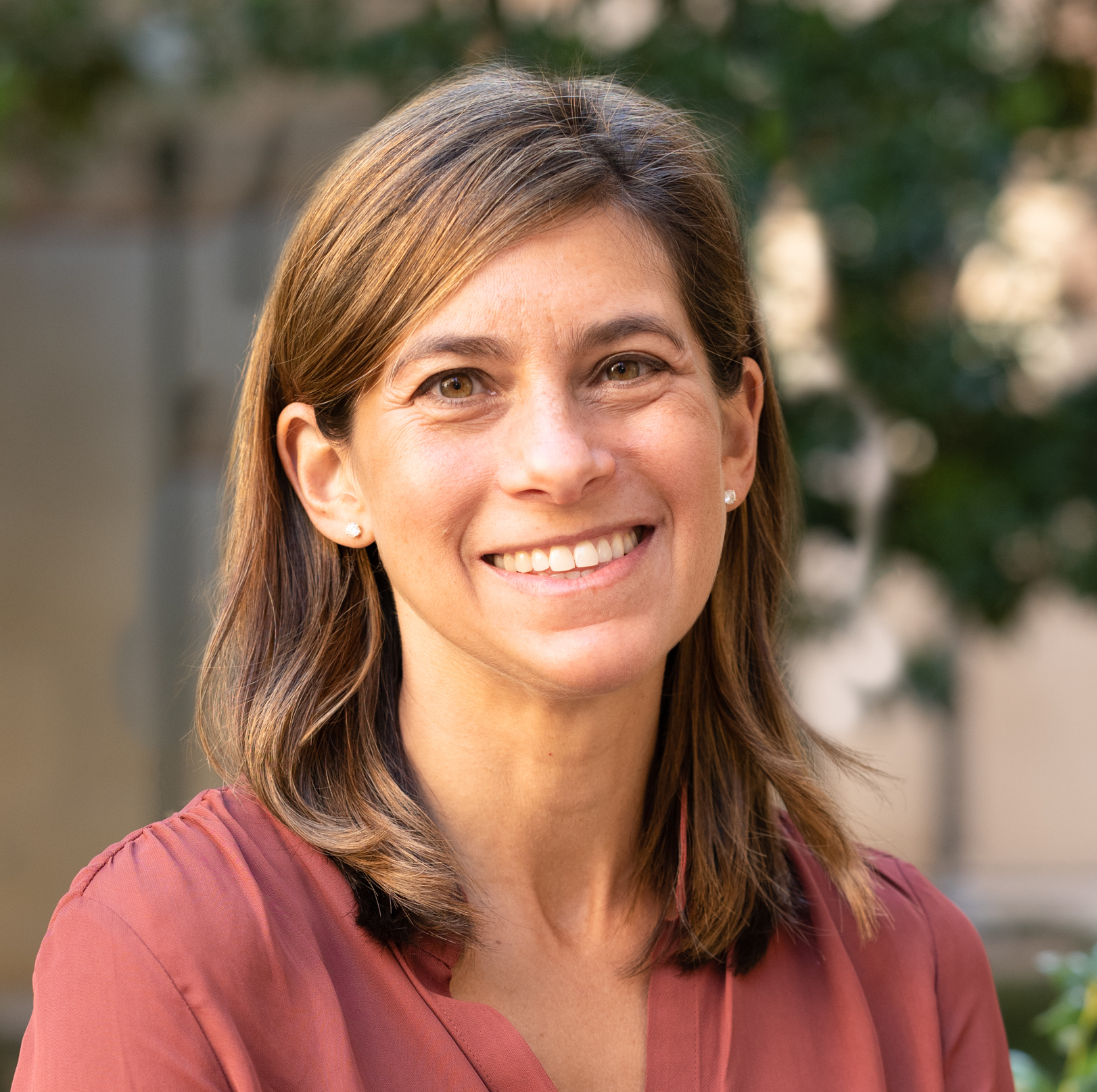
Stephan Preihs is a postdoctoral researcher and group leader at the Institute of Communications Technology of the Leibniz University Hannover , with a focus on acoustics, digital signal processing, and immersive audio systems. He received his Dipl.-Ing. in electrical engineering (communications engineering) from the same university in 2010 and his Dr.-Ing. in 2016. Education: Dipl.-Ing., Electrical Engineering (Communications Engineering), Leibniz University Hannover (2010) Dr.-Ing., Leibniz University Hannover (2016) Research Interests: Acoustics for immersive audio reproduction Digital signal processing and audio coding Signal detection/classification Psychoacoustic models Audio transmission for PMSE Recent Article Trends: Deep learning in sound source localization Wind turbine noise analysis via immersive audio Advancements in headphone technology Immersion prediction in spatial audio Low-latency communication protocols Scientific Awards: Best Paper Award at IEEE International Workshop on Networked Immersive Audio (2024) AES Show 2024 Best Technical Paper Award AES Spring 2021 Student Paper Award AES Poster Award 2019 AES Convention Student Paper Award 2019 Teaching: Lecturer for '3D Audio - Fundamentals of Spatial Reproduction Systems' Lecturer for 'Applications of Digital Audio Signal Processing' Coordinator of student laboratories in 'Audio Communication and Acoustics' and 'Transmission Technology'
Dr. Darius Popovas is a researcher at the Institute for Applied Photogrammetry and Geoinformatics (IAPG), Jade University of Applied Sciences, Oldenburg, Germany. He is a member of the Laboratory for Optical 3D Metrology, contributing to advancements in photogrammetry and 3D scanning technologies since 2020. His research focuses on photogrammetry , 3D metrology , and virtual simulation , with specific interests in developing laser scanner simulators for digital twin environments, educational applications, and robotic missions. His work integrates computer vision, geomatics, and educational technology to create innovative simulation tools that bridge theoretical research with practical industrial and academic implementations. Between 2020 and 2024, Popovas co-authored six publications demonstrating a progression from foundational simulator development to applications in dynamic scanning and geodetic network planning for robots. This trajectory highlights increasing complexity in virtual scanning technologies, with recent work emphasizing real-time processing, sensor simulation, and integration into digital twin frameworks for industrial and educational contexts. He is a key contributor to the DAAD-funded project "Virtual laser scanner simulator for digitizing the teaching environment" (2019-2024), which develops software for generating simulated 3D point cloud data to enhance teaching methodologies in photogrammetry and geoinformatics through virtual laboratories and digital training resources. Within the IAPG, Popovas collaborates in the Laboratory for Optical 3D Metrology under Prof. Dr. Thomas Luhmann, working alongside a multidisciplinary team including Dr. Maria Chizhova and Dr. Denys Gorkovchuk. The laboratory actively organizes the Oldenburg 3D Days conference series, serving as a platform for disseminating research in optical metrology and fostering industry-academia partnerships.
Dr. Julia Somodi is an Associate Professor at the Department of Japanology, Institute of East Asia, Faculty of Humanities and Social Sciences, Károli Gáspár Reformed University (KRE) in Budapest, Hungary. Her academic career spans over two decades with significant contributions to translation studies and Japanese linguistics. Her educational background includes: PhD in Translation Studies (2015) from ELTE with dissertation on Japanese address terms in Hungarian film translations MA in Japanese and English Studies (2001-2002) from Károli Gáspár Reformed University Dr. Somodi's research focuses on the intricate relationship between pragmatics and translation, particularly examining address terms across Japanese and Hungarian languages. Her work bridges theoretical linguistics with practical translation challenges, with special attention to cultural transfer in literary contexts. She has made significant contributions to understanding how linguistic politeness strategies and address systems function differently across these linguistically distant languages. Analysis of her 15 most recent publications reveals a consistent trajectory in translation studies with evolving sophistication. Her early work concentrated on foundational aspects of Japanese address terms, while recent publications demonstrate expanded scope into translation pedagogy, cultural transfer in contemporary literature, and innovative teaching methodologies. A notable thread throughout her career is the humanitarian application of her expertise, particularly in translating testimonies of Hiroshima atomic bomb survivors. Her scientific recognition includes: OTDK témavezetői elismerés (2015, 2021, 2025) Innovatív Oktatói Díj (Innovative Teacher Award, 2024) Dr. Somodi has actively contributed to academic service through committee memberships (Credit Transfer Committee, Quality Assurance Committee), conference organization (including the 30th Departmental Jubilee Conference in 2024), and leadership in the Japanese-Hungarian Translation Technology Workbook project (2025-26). Her international research collaboration with Kyoto University on 'Disfluency in Comparison' demonstrates her standing in the global academic community. She has also served as opponent in doctoral defenses at ELTE, showing her role in shaping the next generation of scholars. Her laboratory work centers around translation technology development and practical translation projects, most notably her ongoing collaboration with the Hiroshima Atomic Bomb Victims National Peace Memorial Hall since 2018, where she coordinates and translates survivor testimonies into Hungarian.
Hanadi Al-Samman serves as Associate Professor of Arabic Literature in the Department of Middle Eastern and South Asian Languages & Cultures at the University of Virginia's College of Arts & Sciences. Her academic home within the university structure places her at the intersection of Middle Eastern studies, literary criticism, and gender theory. With regular office hours maintained through Spring 2025 (Tuesdays and Thursdays 2:00-3:30 PM in 133 New Cabell Hall), she remains actively engaged in teaching and mentorship. Her educational foundation includes a Ph.D. from Indiana University, where she developed the scholarly framework that would later inform her groundbreaking work on Arab women's literature and trauma theory. This academic training positioned her to bridge Western literary theory with Middle Eastern cultural contexts, creating space for nuanced discussions of identity and representation. Al-Samman's research forms a vibrant tapestry of contemporary Arabic literary production, with particular emphasis on how gender, sexuality, and trauma intersect in diasporic contexts. Her work consistently challenges Western-centric frameworks while simultaneously interrogating patriarchal structures within Arab societies. She has pioneered approaches that center Arab women's voices within global feminist discourse, particularly through her exploration of queer Arab studies and transnational feminist movements. Her scholarship reveals how literary texts become sites of resistance against cultural erasure and political oppression, with special attention to how trauma manifests across generations of displaced communities. Analysis of her publication trajectory reveals a consistent deepening of engagement with queer theory within Arab contexts, evolving from early foundational work on Arab women's literary representation to sophisticated examinations of LGBTQ+ experiences in the Middle East. Her scholarship demonstrates increasing attention to the intersections of religion, gender, and political resistance, particularly evident in her encyclopedia contributions on Islamic perspectives on gender and sexuality. The temporal arc of her work shows movement from literary analysis toward more direct engagement with contemporary political issues affecting Muslim communities globally. College Teaching Fellowship, UVa., 2017-2019 Mellon Humanities Fellowship, UVa., 2015-2016 Mead Honored Faculty, The Mead Endowment, 2012-2013 Woodrow Wilson Career Enhancement Fellowship, 2009-2010 Virginia Foundation for the Humanities Residential Fellowship, 2009-2010 University Teaching Fellowship, 2008-09 As an educator, Al-Samman has received multiple teaching awards recognizing her innovative approaches to presenting challenging material about Arab cultures and literatures to Western audiences. Her grant portfolio demonstrates sustained institutional support for her research, with continuous University of Virginia funding since 2006 including Summer Research Grants and specialized teaching fellowships. Her leadership extends beyond campus as evidenced by her presidency of the Association for Middle East Women's Studies (2017-2019), where she shaped national conversations about gender and Middle Eastern studies. While not affiliated with a specific laboratory, Al-Samman operates within collaborative academic networks including the Global Encyclopedia of LGBTQ History project and the Association for Middle East Women's Studies. Her scholarly ecosystem thrives through international conference participation (particularly Middle East Studies Association meetings), media engagements, and interdisciplinary collaborations that bridge literary studies with gender theory, trauma studies, and political science. Her work with writer-in-residence programs demonstrates commitment to fostering creative literary production alongside academic scholarship.
Alessandra Colombelli is Full Professor of Strategy and Entrepreneurship at the Department of Management and Production Engineering (DIGEP) at the Polytechnic University of Turin. She serves as Director of the Entrepreneurship and Innovation Centre (EIC) and coordinates the Gender Research Coordination Group (GReG). Her affiliations include the CNRS-GREDEG laboratory (University of Nice Sophia Antipolis) and BRICK at Collegio Carlo Alberto. Full Professor, Strategy & Entrepreneurship Director, EIC Coordinator, GReG Associate Editor: Regional Studies , The Journal of Technology Transfer , Eurasian Business Review Research Focus: Her work spans entrepreneurship , innovation ecosystems , gender equality , green technologies , and regional economics . Key themes include knowledge spillovers, AI startup dynamics, and gender disparities in academic entrepreneurship. Recent Publications examine digital startup formation, green innovation, and gender dynamics in entrepreneurial ecosystems. Her research appears in Economic Geography , Small Business Economics , and Technological Forecasting and Social Change . John Bessant Best Paper Award (2019) Emerald Literati Network Award (2012) Giorgio Rota Best Paper Award (2005) Educational Leadership includes teaching Gender and Technology and Strategy and Organization courses, plus directing the GECKO and E4T Erasmus+ projects. She supervises PhD students in innovation and sustainability topics.
Mark Pletcher, MD, MPH is a Professor in the Department of Epidemiology & Biostatistics at the University of California, San Francisco (UCSF) School of Medicine. In 2023, he became Chair of the UCSF Department of Epidemiology and Biostatistics. He is an epidemiologist and general internal medicine physician whose research focuses on clinical decision-making and policy relevant to primary care and prevention, particularly in cardiovascular disease prevention. Dr. Pletcher earned his M.D. from the University of California, San Francisco in 1998 and completed his residency at UCSF School of Medicine. He also completed UCSF's Diversity, Equity, and Inclusion Champion Training in 2019. His research interests span cardiovascular disease prevention with particular focus on early life causes of atherosclerosis, prevention of coronary heart disease, clinical decision-making regarding preventive medications, screening for subclinical cardiovascular disease, interventions to improve blood pressure control, and the use of technology to enhance health outcomes. He has led numerous studies on marijuana use and cardiovascular health, blood pressure management, and digital health interventions. His work often leverages large cohort studies like the Coronary Artery Risk Development in Young Adults (CARDIA) study. Analysis of his recent publications reveals a strong focus on digital health interventions for hypertension management, cardiovascular risk assessment in young adults, liver disease applications of artificial intelligence, and the impact of pandemic policies on mental and physical health outcomes. His research increasingly incorporates machine learning and large language models for clinical decision support, particularly in gastroenterology and cardiology applications. Dr. Pletcher leads the UCSF CTSI's Informatics and Research Innovation Program and has been Principal Investigator on numerous NIH and PCORI-funded projects including the Health eHeart Study and the PCORnet Blood Pressure Control Laboratory. His research funding spans cardiovascular disease prevention, digital health interventions, and health policy evaluation. He mentors students, fellows, and junior faculty members, and teaches clinical research methods. His laboratory work focuses on the Health eHeart Alliance and related digital health initiatives that leverage consumer technologies for cardiovascular research.
Philippe Tassin is a Professor of Physics at Chalmers University, specializing in electromagnetic structured media and computational electrodynamics. He teaches optics, quantum mechanics, and computer science courses, earning recognition through the Golden Chalk award and Chalmers' Pedagogical Prize. M.Sc. and Ph.D. (summa cum laude) from Free University of Brussels Postdoctoral work at Iowa State University and Ames Laboratory (US DOE national lab) His research spans metamaterials, plasmonics, and nanophotonics, with significant contributions to inverse design methodologies using machine learning. He has authored influential papers in Science , Nature Photonics , and Physical Review Letters , and frequently presents at international conferences. Recent publications highlight advancements in liquid metal composites for electromagnetic absorption, AI-driven metasurface design, and adaptive meshing for photonic simulations. His work integrates computational physics with experimental validation across multiple electromagnetic domains. KAW Fellowship Swedish Research Council Grant IEEE & SPIE Fellowships BAEF Alumni Award Frans Van Cauwelaert Award (Royal Flemish Academy) As editor of Photonics and Nanostructures , member of the Young Academy of Sweden, and vice-chair of IEEE Photonics Sweden Chapter, he actively contributes to academic leadership and public science communication.
Narasimhan Rajaram is an Associate Professor of Biomedical Engineering in the College of Engineering at the University of Arkansas. His research focuses on developing optical imaging techniques to investigate tumor microenvironment dynamics, particularly examining hypoxia, metabolism, and their role in cancer treatment resistance and metastasis. Education: Postdoctoral Associate, Duke University, Durham, NC Ph.D., Biomedical Engineering, The University of Texas at Austin, TX B.E., Electronics and Instrumentation Engineering, Anna University, Chennai, India Rajaram's research program centers on using optical imaging to investigate changes in the tumor microenvironment in response to treatment, with particular interest in the relationship between tumor oxygenation and metabolism. His work aims to develop biomarkers that can identify patients who will benefit most from specific treatments. His teaching includes Biomedical Signals and Systems (BMEG 3124) and Biomedical Optics and Imaging (BMEG 4513/5513), where he covers fundamental signal processing tools and various biomedical imaging modalities including X-ray, MRI, PET, CT, Ultrasound, and Photoacoustic imaging. Analysis of his recent publications (2023-2025) reveals a strong focus on developing optical imaging techniques for cancer diagnostics and treatment monitoring. His work spans multiple cancer types including head and neck cancer, breast cancer, and lung cancer, with particular emphasis on radiation therapy response. The research combines multiple optical techniques including Raman spectroscopy, diffuse reflectance spectroscopy, and fluorescence lifetime imaging to investigate tumor metabolism, hypoxia, and treatment resistance mechanisms. Recent work has expanded into health disparities research, particularly examining racial and skin color mediated differences in pulse oximetry readings. Rajaram leads the Laboratory for Functional Optical Imaging and Spectroscopy, which has received funding from various institutions to support research that makes a positive impact in the biomedical engineering field. The lab is actively recruiting undergraduates, graduate students, and postdoctoral fellows to continue advancing optical imaging technologies for cancer research and clinical applications.
Dr Tom Barrick is Reader in Magnetic Resonance Imaging and Head of the Neurological Disorders and Imaging Section within the Neuroscience and Cell Biology Research Institute at City St George's, University of London (formed from the merger of City, University of London and St George's, University of London on August 1, 2024). His research focuses on developing automated image analysis techniques for identifying neuroimaging biomarkers of disease diagnosis and prognosis across multiple conditions. PhD in Medical Imaging, University of Liverpool (1997-2004) MSc in Pure Mathematics (Distinction), University of Liverpool (1996-2004) BSc in Mathematics (First Class Honours), University of Liverpool (1993-1996) Dr Barrick's research concentrates on the development of MR image acquisition and analysis techniques, with particular focus on novel diffusion MRI methods capable of quantifying tissue heterogeneity in the brain. He has developed Quasi-Diffusion Imaging (QDI), a technique based on continuous time random walk models that provides robust quantification of diffusion and tissue heterogeneity with high signal-to-noise ratios from clinically acceptable acquisition times. His work spans applications in brain tumours, dementia, traumatic brain injury, Parkinson's disease, cerebrovascular disease, chronic obstructive pulmonary disease, and other neurological conditions. Dr Barrick's extensive publication record (110 peer-reviewed articles, H-index 38) demonstrates a strong focus on advancing neuroimaging techniques, particularly diffusion MRI and QDI. His research spans multiple disease areas with significant clinical collaborations, especially in cerebrovascular disease and dementia. His work increasingly integrates machine learning to combine information from various imaging biomarkers for improved diagnosis and prognosis assessment. Dr Barrick has published 110 peer-reviewed journal articles with an H-index of 38 (Europe PubMed Central), reflecting substantial scholarly impact in medical imaging and neuroscience. Teaching: Provides lectures on Clinical Neuroscience module (BSc Biomedical Sciences) and supervises research projects for BSc Clinical Pharmacology, BSc Biomedical Sciences, MSc, MRes, and PhD students Funding: Has received active funding from GSK, St George's Hospital Charity, Medical Research Council, Innovate UK, Cancer Research UK, St George's Innovation and Enterprise Award, and Alzheimer's Research UK Research Group: Leads a team including Dr Mohani-Preet Dhillon (Lecturer in Interdisciplinary Education and Research), Mike Mills (MRI physicist), and Ian Storey (Image Analyst) Dr Barrick leads the Neurological Disorders and Imaging Section and collaborates extensively both within City St George's (with neurologists, neurosurgeons, and respiratory specialists) and externally with researchers from institutions including University of Bristol, National Physical Laboratory, Northwestern University, University of Cambridge, and The University of Queensland. He is a founding member of the Anomalous Relaxation and Diffusion Study group, reflecting his specialized expertise in advanced diffusion imaging techniques.
Kelly Wang is a Lecturer in the Accounting Discipline Group at the UTS Business School , University of Technology Sydney (UTS). She joined UTS in 2018 and previously held roles at UNSW Sydney, including teaching Strategic Management Accounting and serving as Laboratory Manager. Her academic journey includes a part-time PhD in Accounting from UNSW (2013–2018) and earlier degrees from Macquarie University. Prior to academia, she worked in accounting and control roles in aviation and travel sectors, including at Cathay Pacific Airways. Her research focuses on management control systems , big data analytics , and their impacts on organizational creativity and innovation . Key topics include heuristic-constrained decision-making, ambidexterity, and the role of technology in new product development. Methodologically, she employs experimental and survey-based approaches to explore behavioral dimensions of accounting practices. Professional contributions include peer reviewing for journals like British Accounting Review and committee roles such as the Business School Ethics Committee . She actively mentors students and develops courses integrating technology to enhance learning experiences. Her teaching portfolio includes subjects like Cost Management and Analysis and Information for Decisions and Control .
Lauren Ancel Meyers is the Cooley Centennial Professor of Integrative Biology, Statistics and Data Sciences, and Population Health at The University of Texas at Austin. She serves as Director of the Center for Pandemic Decision Science and founded the UT COVID-19 Modeling Consortium. An expert in infectious disease modeling, Dr. Meyers develops computational tools for pandemic forecasting and control strategies used by CDC, NIH, and global health agencies. Education includes: Ph.D. in Biological Sciences, Stanford University (2000) B.A. in Mathematics & Philosophy, Harvard University (1996) NSF Postdoctoral Fellow at Emory University and Santa Fe Institute (2000-2002) Her research focuses on network epidemiology, machine learning applications in public health, and optimization of disease surveillance systems. She leads interdisciplinary teams studying influenza, Ebola, Zika, and COVID-19 transmission dynamics, with work featured in over 100 peer-reviewed publications. Recent research demonstrates strong focus on pandemic modeling (COVID-19 forecasting dashboards), vaccination strategies, and healthcare resource optimization during outbreaks. Publications show emerging interest in zoonotic disease interfaces and antiviral treatment effectiveness. Awards and honors: MIT Technology Review TR100 Top Global Innovators Under 35 (2004) Samuel Karlin Prize for PhD Thesis (2000) Donald D. Harrington Faculty Fellowship (2010-2011) National Science Foundation Postdoctoral Fellowship (2000-2002) College of Natural Sciences Teaching Excellence Award (2005) Dr. Meyers directs NIH/CDC-funded initiatives developing decision-support tools for public health agencies, and has trained numerous graduate students who now hold positions in academia and industry. She leads laboratories focused on pandemic response innovation and computational epidemiology.
Vitaly Meursault serves as an Adjunct Professor of Finance at Carnegie Mellon University's Tepper School of Business in Pittsburgh, actively contributing to academic instruction through recent courses including Applied Business AI (January-May 2024) and Finance (July-August 2019). His educational background demonstrates rigorous training in quantitative finance: Ph.D. in Financial Economics, Carnegie Mellon University (2020) M.A. in Financial Economics, European University at Saint Petersburg (2015) B.A. in History, St. Petersburg State University (2013) Meursault's research pioneers the integration of textual analysis with financial economics, focusing on behavioral market anomalies. His work develops computational methods to extract insights from earnings call transcripts, revealing how linguistic patterns drive stock price movements beyond traditional numerical metrics. This interdisciplinary approach bridges finance theory with natural language processing to decode market inefficiencies and investor behavior. His sole documented publication establishes a novel text-based framework (SUE.txt) that generates significant post-earnings-announcement drift (PEAD.txt), demonstrating persistent market anomalies even when conventional PEAD has diminished. The research highlights textual content as a critical dimension for understanding earnings surprises and fundamental firm performance. No scientific awards or honors were documented in the source materials. While specific advising relationships and grant funding remain unreported, his teaching portfolio indicates active engagement in both foundational finance education and emerging AI applications. The absence of laboratory or team affiliations in the provided data suggests independent research execution within the Tepper School framework.
Vanessa Kind is an Honorary Professor in the School of Education and Durham CELLS (Centre for Ethics and Law in the Life Sciences) at Durham University. She holds roles such as Deputy Head of Faculty in Social Sciences and Health, and has served as Director of the Science Learning Centre North East. Her career spans molecular biology, chemistry teaching, and academic leadership in international schools and universities. She earned her doctorate studying post-16 chemistry students' conceptual understanding and has contributed to science education policy globally. Education: Biochemistry degree and molecular biology work Doctorate in science education focusing on student conceptual development Research Interests: Vanessa’s work explores science teacher knowledge, pedagogical strategies, practical science education, and chemical education. She focuses on how teachers’ knowledge impacts student outcomes and contributes to international STEM education initiatives like Ethiopia’s pedagogy reforms and Gatsby Foundation-funded practical work studies. Key Achievements: ESRC-DFID funded Ethiopia STEM project British Academy Newton Mobility Grant for South Africa Wellcome Trust Award on stem cell research education Publications & Supervision: Over 20 journal articles and books, including Teaching Secondary How Science Works . Supervises PhD/EdD students in science education, teacher development, and conceptual change research.
James O'Donnell is an Associate Professor in the School of Mechanical and Materials Engineering at University College Dublin (UCD). He joined UCD in 2013 after working at Lawrence Berkeley National Laboratory. His research focuses on multi-scale energy modeling, interoperable BIM solutions, and sustainable building design. He contributes to buildingSMART’s Energy Modelling Expert Panel and teaches modules on building physics and energy analysis. Education: B.E. Civil and Environmental Engineering, University College Cork Ph.D. in Holistic Building Performance Analysis, University College Cork Professional Diploma in University Teaching & Learning, University College Dublin Research Interests: James specializes in energy informatics, building energy simulation, and semantic web technologies for the built environment. His work bridges BIM integration with energy modeling to optimize urban-scale performance. Grants & Funding: PROBONO (2022–2026): Integrator-centric approach for energy-efficient buildings NexSys (2022–2026): Next-Generation Energy Systems ALIVE (2020–2024): Indoor Environmental Quality in Energy-Efficient Buildings Teaching & Editorial Roles: James coordinates courses like Energy Systems in Buildings and serves as an Associate Editor for Journal of Building Engineering and editorial board member of Advanced Engineering Informatics . Professional Affiliations: Member of Engineers Ireland, International Building Performance Simulation Association (IBPSA), and European Council on Computing in Construction.
Zhizhong Han serves as an Assistant Professor in the Department of Computer Science at Wayne State University, specializing in 3D computer vision and artificial intelligence. Prior to his current position, he completed a three-year postdoctoral fellowship in the Department of Computer Science at the University of Maryland, College Park. His academic credentials include: Bachelor of Engineering (B.E.) in Pattern Recognition and Intelligent Systems from Northwestern Polytechnical University (2009) Master of Engineering (M.E.) in Pattern Recognition and Intelligent Systems from Northwestern Polytechnical University (2012) Doctor of Philosophy (Ph.D.) in Pattern Recognition and Intelligent Systems from Northwestern Polytechnical University (2017) Dr. Han's research centers on 3D Computer Vision , Digital Geometry Processing , and 3D Deep Learning , with emphasis on interpreting 3D structures through point clouds, meshes, and voxel grids. His work tackles fundamental challenges in shape recognition, segmentation, and reconstruction, often leveraging unsupervised learning frameworks to model complex 3D geometries without extensive labeled data. His publication record reveals a concentrated research trajectory in geometric deep learning, evidenced by 10+ papers at premier venues including CVPR, ICCV, and NeurIPS. Key innovations include differentiable rendering techniques, multi-view representation learning, and novel architectures for 3D shape completion—demonstrating consistent contributions to advancing 3D scene understanding capabilities. No scientific awards were documented in the source material. Teaching responsibilities include graduate and undergraduate courses such as Introduction to Deep Learning (CSC4760) and specialized topics in 3D shape analysis (CSC6991), with upcoming instruction in Computer Vision (CSC4860) for Fall 2025. No student advising details or grant funding information were provided. Research activities appear centered on algorithmic development for 3D vision tasks, though specific laboratory affiliations or collaborative teams were not mentioned in the available text.