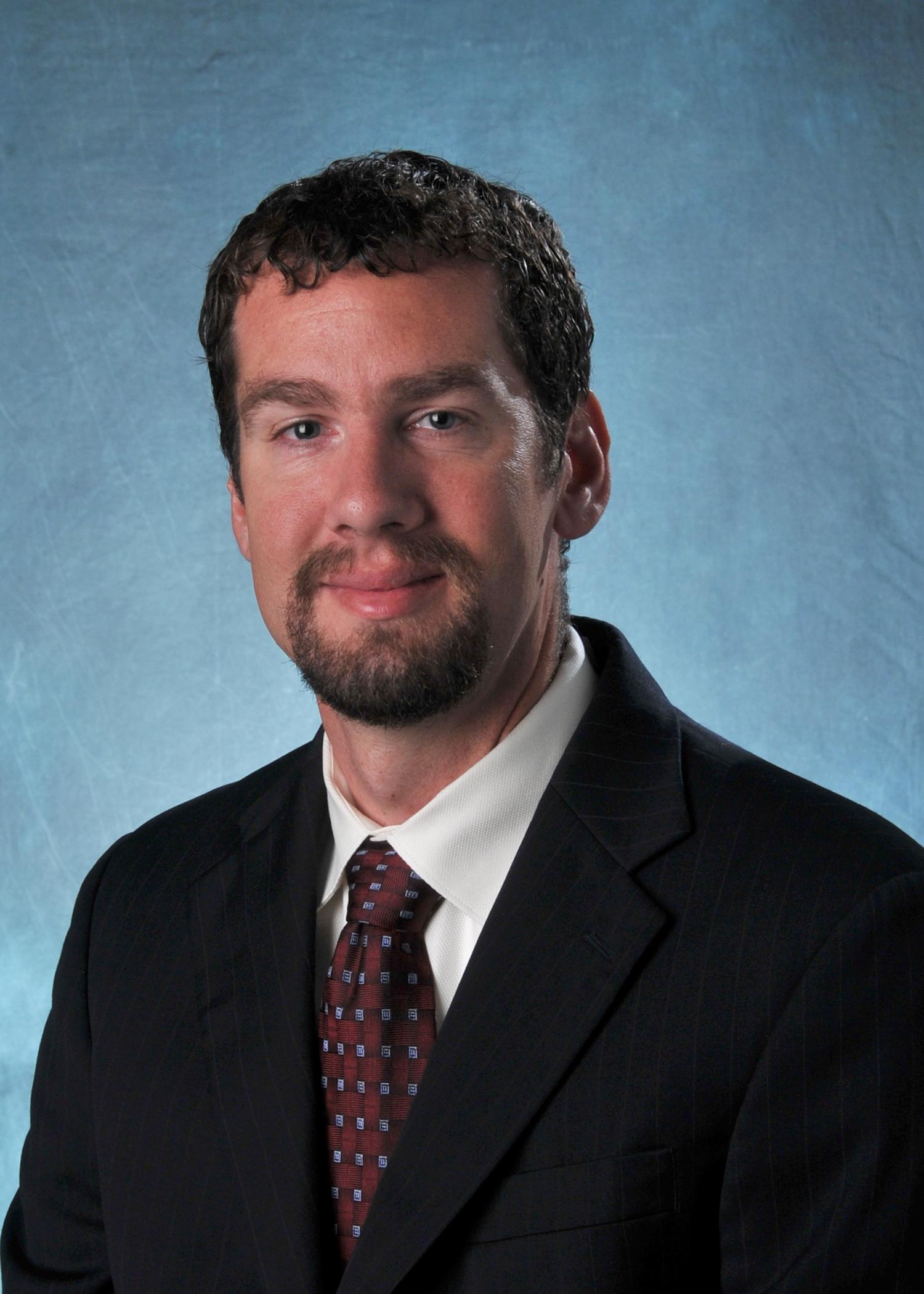
Dr Paul Russell is a Lecturer at Teesside University, specializing in chemical engineering and energy systems. His research focuses on multiphase flow technology, phase separation, and heterogeneous catalysis, with applications in hydrogen production and environmental engineering. He leads or co-leads multiple projects addressing decarbonization, cold agglomeration, and hydrogen fuel transition. Russell has contributed to over 46 research outputs, including studies on microbubble visualization, droplet dynamics, and heat transfer optimization. His collaborative work spans international teams across energy security, direct air capture, and SME innovation initiatives. Notable projects include the TVHIP (Tees Valley Hydrogen Innovation Project) and H2FOOD, targeting net-zero solutions. Russell has been involved in media outreach promoting hydrogen purification advancements and Teesside University's chemical engineering programs. His teaching contributions include leveraging Microsoft Office 365 for collaborative learning environments. Key research areas include fluid dynamics, material science, and sustainable energy systems. Russell has secured grants totaling millions in funding for projects addressing global energy challenges and industrial decarbonization.
Mark A. Borden is a Professor at the University of Colorado Boulder, specializing in biomedical engineering with a focus on microbubble and nanodrop technologies for diagnostic and therapeutic applications. His work bridges colloid science, ultrasound physics, and biomedical innovation. Key research areas include oxygen delivery systems, targeted drug delivery, and image-guided therapy for diseases like cancer and acute respiratory distress syndrome (ARDS). He leads the Biomedical Engineering Program and has held roles on NIH review panels and international symposium committees. Awards include the NSF Career Award, NYSTAR James D. Watson Award, and multiple university service/research accolades. His lab has spun out companies Respirogen Inc. and Advanced Microbubbles LLC to commercialize medical technologies. Publications highlight innovations in endoskeletal droplet design, photoacoustic imaging, and microbubble-based therapies. Research emphasizes molecular-level interfacial phenomena and translational medical devices, with applications in oncology, neurology, and critical care.
James L. Thomas is an Associate Professor and Associate Chair for Undergraduate Studies in the Physics and Astronomy Department at the University of New Mexico (UNM). He holds a PhD from Cornell University (1991) and specializes in biophysics and condensed matter physics, focusing on lipid membranes, ultrasound interactions, and molecular imprinting technologies. His research integrates optical and fluorescence techniques to study biological systems, including phospholipid layers, drug-delivery microbubbles, and protein dynamics. Key research projects include studying lipid-monolayer coated microbubbles in ultrasound, repulsive membrane protein interactions, and capillary wave diffraction. Thomas has advised numerous graduate and undergraduate students, including notable alumni like Hung-Yin Lin (Professor at National University of Kaohsiung) and Kathrin Spendier (Assistant Professor at University of Colorado Colorado Springs). His lab, located in PAÍS 2230, collaborates on interdisciplinary projects such as nanomaterials for biomedical applications and biofuel systems. Publications highlight advancements in molecularly imprinted polymers for biomarker detection (e.g., C-reactive protein, α-synuclein), ultrasound-mediated drug delivery, and nanotechnology-based sensors. His work bridges physics, chemistry, and biology, with applications in diagnostics, cancer therapy, and environmental monitoring. Thomas’s educational contributions include leading undergraduate and graduate programs, emphasizing lab-based learning and interdisciplinary research. He has contributed to NSF-funded initiatives like the IGERT program on nanotechnology and cell biology.
Yong Deng is a Researcher at ETH Zürich within the Department of Acoustic Robotics for Life Sciences and Healthcare , focusing on innovative applications of acoustic technologies in food science, biotechnology, and biomedical engineering. His research spans: Ultrasound-assisted extraction of bioactive compounds (e.g., polyphenols, proteins) from agricultural waste Development of acoustically controlled microrobots for precise biological manipulation Design of intelligent sensory systems for food quality assessment Integration of multiscale modeling for optimizing food processing Creation of multifunctional materials for meat freshness monitoring Recent publications highlight advancements in nonthermal antimicrobial strategies , microbubble-enhanced extraction , and acoustic robotics for zebrafish embryo handling . His work often combines physics, engineering, and food chemistry to enhance sustainability and precision in food manufacturing and healthcare. Yong Deng is based at ETH Zürich’s campus in Rüschlikon, Switzerland, and can be contacted via email at dengyo@ethz.ch . He contributes to cutting-edge interdisciplinary research through collaborations in acoustic engineering and food biotechnology.
Dr. Michael Gray is a Senior Research Fellow in Clinical Therapeutic Ultrasound at the University of Oxford's Institute of Biomedical Engineering. He leads the BUBBL group's Phase-1 clinical trial for ultrasound-mediated targeted drug delivery in liver cancer. Previously, he spent 23 years at Georgia Tech in roles such as research engineer and principal investigator, focusing on submarine sonar, cetacean tissue characterization, and non-destructive evaluation. His research spans three core areas: clinical trials of ultrasound drug delivery, cavitation monitoring for treatment guidance, and multi-modal devices for drug delivery using sound, magnetism, and light. **Research Groups**: Drug & Vaccine Delivery. Awards : 2024/25 MPLS Award for Outstanding Research Supervision Teaching : B17: Biomedical Fluid Mechanics Biomedical Ultrasound Coursework Module Labs/Teams : BUBBL Group (Biomedical Ultrasound and Bubble-based Therapies) Drug & Vaccine Delivery Research Group Advising/Grants : Dr. Gray has supervised multiple clinical trials and collaborative projects, including the Phase I TARDOX trial for thermosensitive liposome drug delivery. His work integrates engineering and medicine to advance non-invasive therapeutic solutions.
Sara Keller is a Research Fellow and Postdoctoral Research Assistant in the Department of Engineering Science. She holds a PhD in Bioengineering from the University of Washington (2021) and a BME from Vanderbilt University (2016). Her research focuses on ultrasound-guided therapies, particularly using microbubbles for targeted drug delivery and biofilm treatment. She joined the BUBBL group in 2021, specializing in cavitation activity analysis and medical acoustics. Her work spans biofilm disruption, cancer treatment monitoring, and preclinical safety studies in porcine models. Key contributions include developing acoustic devices for cell strain quantification and investigating nonlinear echoes from microbubbles. She collaborates on projects like intracranial hemodynamics modeling in sickle cell anemia and optimizing ultrasound-mediated drug delivery systems. Her recent articles emphasize therapeutic efficacy, safety protocols, and translational applications of ultrasound technologies. Research interests include advancing diagnostic tools through cavitation monitoring and enhancing drug penetration in solid tumors. Advising and grants: No formal advisees listed; current role focuses on postdoctoral research. Active in the BUBBL group for collaborative biomedical engineering projects.
Professor Terry Piva is a faculty member at RMIT University's School of Health & Biomedical Sciences, holding the rank of Professor since 2025. He has held previous roles including Associate Professor (2006–2024) and Senior Lecturer (2003–2005). His research focuses on cancer cell biology, signal transduction, nanotoxicology, and natural products, with over 80 peer-reviewed articles and 130 conference abstracts. Key projects include investigating cannabis extracts as anticancer agents, ultrasound-enhanced radiation therapy, and plant-derived compounds for eye health. Piva has received awards such as the 1994 Visiting Research Fellowship and the 1988 D.B. Duncan Memorial Training Fellowship. His research interests span UV radiation effects on skin cells, growth factor signaling in melanoma, FLASH radiation impacts, and nanoparticle toxicity. He has supervised numerous research projects, including studies on cannabinoid anticancer properties and lutein benefits in macular degeneration. Piva is also active in educational development, serving as a reviewer for Cell Biology textbooks and contributing to curriculum design. He holds editorial roles at journals like Frontiers in Cell and Developmental Biology and has assessed grants for bodies like the National Health and Medical Research Council. Awards highlight his contributions to biomedical research, including teaching accolades like the 2023 Vice-Chancellor’s Citation for Outstanding Contributions to Student Learning. His work bridges basic science and clinical applications, emphasizing translational research in oncology and therapeutics.
Dr. Antonios Pouliopoulos is a Lecturer in Therapeutic Ultrasound at King’s College London, affiliated with the School of Biomedical Engineering & Imaging Sciences and the Department of Surgical and Interventional Engineering. Prior to this role, he served as a postdoctoral research scientist and associate research scientist at Columbia University’s Ultrasound Elasticity Imaging Laboratory from 2017 to 2021. He holds a B.Sc. in Physics (2011) from Aristotle University of Thessaloniki, an M.Sc. in Nanotechnology and Regenerative Medicine (2013) from University College London, and a Ph.D. in Bioengineering (2017) from Imperial College London. His research focuses on targeted drug delivery via ultrasound, microbubble dynamics, ultrasound therapy monitoring, and clinical translation of therapeutic ultrasound. He has been awarded multiple scientific honors and acts as a reviewer for 25 peer-reviewed journals. Dr. Pouliopoulos has mentored over 80 students across various academic levels, emphasizing outreach and community education in scientific research. His research interests span therapeutic ultrasound applications, including blood-brain barrier opening, focused ultrasound for neurological disorders, and nanoparticle-enhanced drug delivery. He leads projects such as “Activatable nanoparticles for brain tumour drug delivery” and “Focused ultrasound-mediated enhancement of blood–brain barrier permeability for brain tumor treatment,” funded by organizations like the ARIA Precision Neurotechnologies Programme, Action Medical Research, and the Little Princess Trust. His work integrates advanced imaging techniques, including passive acoustic mapping and elasticity imaging, to improve ultrasound therapy precision and safety. Notable Projects: Activatable nanoparticles for brain tumour drug delivery (2023–2027) FOCUSED ULTRASONIC NEURO-IMMUNO-MODULATION FOR DEPRESSION TREATMENT (2025–2026) Mapping of antibody and liposome permeability into the brain post-FUS treatment (2022–2023) Dr. Pouliopoulos’ publications highlight advancements in real-time passive acoustic mapping, functional connectivity alterations in non-human primates, and viscoelastic material characterization. His contributions bridge engineering and medicine, aiming to translate ultrasound-based therapies into clinical practice for conditions like Alzheimer’s disease and diffuse midline glioma.
Klazina Kooiman is an Associate Professor in the Department of Cardiology at Erasmus MC, where she leads research in ultrasound-mediated therapies, microbubble technology, and targeted drug delivery. Her work bridges biomedical engineering and clinical cardiology, focusing on innovative methods to enhance therapeutic efficacy using acoustic agents. Her research interests center on microbubble dynamics , sonoporation , and contrast-enhanced ultrasound . She investigates how engineered microbubbles can be used to locally deliver drugs to endothelial tissues and tumors, leveraging ultrasound to trigger controlled permeabilization of cell membranes. Her lab employs advanced techniques such as confocal microscopy and acoustic characterization to study microbubble behavior under physiological conditions. The recent publications highlight a strong focus on monodisperse microbubbles , phospholipid coatings , and ultrasound-responsive drug carriers . These studies span from fundamental physics of bubble oscillations to translational applications in cardiovascular disease and oncology, indicating a cohesive research trajectory aimed at clinical translation of acoustic therapeutics. Kooiman has supervised multiple research projects, as indicated by her supervised work record. Though specific awards and grants are not listed, her consistent high-impact publications in journals like ACS Applied Materials and Interfaces and Journal of Controlled Release reflect recognition in her field. She collaborates extensively with experts in ultrasound physics, biomaterials, and cardiovascular biology. Her research group is actively involved in developing next-generation ultrasound contrast agents and therapeutic microbubbles. The team explores both soft- and hard-shelled microbubble systems, aiming to optimize stability, targeting, and bioeffects for safe clinical application.
Peter Weinberg is a Professor of Cardiovascular Mechanics in the Department of Bioengineering at Imperial College London, Faculty of Engineering. He is based at the Royal School of Mines on the South Kensington Campus and can be contacted at p.weinberg@imperial.ac.uk. His research is centered on the biomechanics of cardiovascular diseases, particularly atherosclerosis and heart failure. He leads a research group focused on fluid dynamics, endothelial function, and advanced ultrasound imaging techniques. Education: Natural Sciences, University of Cambridge (Scholarship recipient) DIC, MSc, PhD in Physiological Flow Studies, Imperial College London Lady Davis Postdoctoral Fellowship, Technion – Israel Institute of Technology His research interests lie at the intersection of biomedical engineering, cardiology, and biomechanics . He investigates how hemodynamic forces such as wall shear stress influence endothelial permeability and atherosclerosis development. A major focus is on transcytosis of LDL , disturbed blood flow patterns , and non-invasive detection of heart failure using B-mode ultrasound and wave intensity analysis. His lab develops novel ultrasound imaging methods, including super-resolution techniques using nanodroplets and microbubbles, and coherence-based beamforming for 3D vascular mapping. His recent publications (2021–2025) demonstrate a strong trend toward advanced ultrasound diagnostics and molecular mechanobiology . The articles span from computational beamforming improvements to in vivo validation of endothelial activation pathways. Key themes include ultrasound velocimetry , macromolecule transport , shear stress modeling , and early disease detection . The work combines engineering innovation with deep biological inquiry, aiming to translate biomechanical insights into clinical tools. Scientific Awards and Honors: Fellow, Royal Microscopical Society Ordinary Member, The Physiological Society Member, British Atherosclerosis Society Committee Member, London Microcirculation Group Committee Member, British Society for Cardiovascular Research Committee Member, British Atherosclerosis Society Lady Davis Fellow Peter Weinberg has held key leadership roles in the Department of Bioengineering, including Director of Postgraduate Studies (Research) , Director of Research , and Academic Line Manager . He led the department’s efforts in the Research Assessment Exercise 2008 and Research Excellence Framework 2014. He founded and served as president of the Bioengineering Society (now BioMedEng), and was Associate Editor of the journal Atherosclerosis . He has organized major conferences such as the joint British Society for Cardiovascular Research and British Atherosclerosis Society meeting, and chaired BioMedEng18, attracting over 500 delegates. He has secured research grants, though specific details are not listed in the text. He leads a research laboratory in the Department of Bioengineering at Imperial College London, focusing on cardiovascular mechanics . The lab website details ongoing projects in ultrasound imaging, endothelial mechanobiology, and atherosclerosis modeling. The team uses a combination of computational modeling, in vitro bioreactors, and in vivo imaging to study vascular function and disease progression.
Marco Cattaneo is a Researcher at ETH Zurich working within the Professorship for Multiphase Fluid Dynamics, focusing on ultrasound-driven microbubble and nanodroplet phenomena with applications in biomedical engineering and drug delivery systems. His research bridges fundamental fluid mechanics with therapeutic innovation through experimental and theoretical investigations. His primary research interests span fluid dynamics, ultrasound physics, and biomedical applications, with specific expertise in microbubble translational motion, interfacial phenomena in lipid-coated bubbles, acoustic droplet vaporization mechanisms, and nanoparticle-based imaging techniques. His work systematically explores bubble-substrate interactions, jetting dynamics, and boundary effects to optimize therapeutic efficacy in targeted drug delivery and diagnostic imaging. Analysis of his 2021-2025 publications reveals consistent advancement in understanding microbubble behavior under acoustic excitation, with increasing emphasis on clinical translation. Key trends include cyclic jetting mechanisms for enhanced drug delivery, shockwave-induced vaporization physics, and nanoporous gold particles for optoacoustic tomography, demonstrating a cohesive trajectory from fundamental fluid-structure interactions to biomedical applications. As an active member of ETH Zurich's Multiphase Fluid Dynamics research ecosystem, Cattaneo collaborates with the Coletti Group, Jenny Group, and Supponen Group. His research program likely involves mentoring graduate students and securing competitive grants in ultrasound-mediated therapies, though specific advising details remain unpublicized in available sources.
Hyunjoon Kong is the Robert W. Schafer Professor in the Department of Chemical and Biomolecular Engineering at the University of Illinois, with additional affiliations in Bioengineering, Pathobiology, and the Carl R. Woese Institute for Genomic Biology. He received his Ph.D. from the University of Michigan (2001), completed postdoctoral work at the University of Michigan (2001-2004), and served as a Research Associate at Harvard University (2004-2006). His research focuses on developing active biohybrid materials for applications in drug delivery, tissue engineering, and environmental sustainability. Research interests include: Bio-Inspired Materials Drug Delivery Cell Manufacturing and Therapy Tissue Engineering Recent publications highlight work on: Stimulus-responsive hydrogels Self-propelling colloids Cell surface engineering Neurodegenerative disease therapies Scientific honors include: IAMBE Fellow (2023) AIMBE Fellow (2017) NSF CAREER Award (2009) American Heart Association Scientist Development Grant (2008) Prof. Kong advises graduate students in chemical and biomedical engineering and leads the Active bioHybrid Matter lab, which investigates dynamic interfacial systems for human health and sustainability.
Dr. Warren L. Lee holds a Canada Research Chair in Mechanisms of Endothelial Permeability and is affiliated with the University of Toronto and Ryerson University. He is based at the Keenan Research Centre for Biomedical Science, St. Michael’s Hospital, where his lab investigates vascular barrier regulation. His academic credentials include an MD from the University of Toronto (Cody Gold Medal) and a PhD in Cell Biology from the Hospital for Sick Children (2006). Residency in Internal Medicine, Respirology, and Critical Care Medicine (Toronto) Postdoctoral training in Microbiology and Immunology at Weill Medical College of Cornell University Research Focus: Dr. Lee's lab examines two critical vascular permeability pathways: paracellular leakage in inflammatory conditions like sepsis/influenza and transcellular transcytosis in atherosclerosis. Key innovations include: Developing TIRF microscopy assays for LDL transcytosis Identifying SR-BI receptor's role in lipid transport Pioneering Tie2 agonist therapy for influenza vascular leakage Exploring microbubble/ultrasound techniques for drug delivery Scientific Contributions: His work has been recognized through: Canada Research Chair (2016) Global Health Care Innovation Academy 3rd Prize (2018) The Lung Association – Pfizer Research Award (2016-2017) Ontario Early Researcher Award (2011-2016) Lab Environment: The Lee Lab fosters a collaborative culture through weekly lab meetings and journal clubs, with additional multidisciplinary engagement via joint floor meetings at St. Michael’s Hospital.
Dr. François Yu is a Professor at the University of Montreal, affiliated with the Department of Radiology, Radiation Oncology and Nuclear Medicine at the Faculty of Medicine. He leads the Theranostic Microbubble Laboratory at the Centre de recherche du CHUM (CRCHUM), focusing on developing targeted therapies against cancer using ultrasound-activated microbubbles. His work integrates biomedical engineering, oncology, and imaging technologies to enhance drug delivery, immunotherapy, and radiotherapy efficacy. Education: BEng in Electrical Engineering (École Polytechnique Montréal, 2001) and PhD in Biomedical Engineering (University of Montreal, 2010). Research interests include microbubble-mediated therapeutics, vascular physiology, and translational medicine. He has secured funding from agencies like the Canadian Institutes of Health Research (CIHR), Fonds de recherche du Québec (FRQS), and MITACS, supporting projects in cancer therapy and imaging. Research emphasizes theranostics combining diagnostic and therapeutic functions, with applications in oncology and cardiology. Key projects involve improving targeted drug delivery via microbubbles, enhancing immunotherapy through ultrasound activation, and optimizing radiotherapy using microbubble-sensitized tumor responses. His lab collaborates with multidisciplinary teams across CRCHUM and the Réseau de Bio-Imagerie du Québec. Current research includes studying microbubble-induced nitric oxide release for vascular targeting, developing nanotechnology-based drug transport systems, and exploring marine-derived hemoglobin extracts for anticancer therapy. He actively recruits graduate students and postdoctoral fellows with expertise in molecular biology, biomedical engineering, or pharmaceutical sciences.
Paul A. Dayton is the William R. Kenan Jr. Distinguished Professor and Department Chair in the Department of Biomedical Engineering at NC State University. He holds a Ph.D. in Biomedical Engineering from the University of Virginia and degrees in Electrical Engineering and Comprehensive Science/Physics from the University of Virginia and Villanova University, respectively. His research focuses on biomedical ultrasound imaging, ultrasound-mediated targeted therapies, and industrial applications. Notable contributions include optimizing microbubble contrast agents for improved ultrasound imaging sensitivity and developing ultra-broadband imaging techniques. His lab is part of the Ultrasound Research Consortium and has spun out companies like Triangle Biotech, featured in UNC’s research highlights. Dayton has been recognized with prestigious awards, including the SPIE Pioneer Award and IEEE Hertz Award. His team has secured grants, such as R03 awards for projects on diabetic kidney disease imaging and breast cancer diagnosis using nanoparticle contrast agents. He mentors researchers like Dr. Kennita Johnson and Dr. James Tsuruta, who have advanced projects under his guidance.