Karen Hampson is a Senior Lecturer in Optometry at the University of Manchester, serving as the first-year Optics Theme Lead. Her research focuses on adaptive optics systems for vision science, particularly using retinal imaging technology for early diagnosis of neurodegenerative and psychiatric diseases. She is a member of the Consortium for Vision and Oculomics in Psychiatry and co-founder of the European Adaptive Optics Summer School. Education: MPhys (Swansea University, 2000), PhD in Physics (Imperial College London, 2004), Post-Graduate Certificate in Higher Education Practice, and SEDA Professional Development Award. She trained in Transactional Analysis Psychotherapy and mental health first aid. Research interests include adaptive optics applications across vision science, microscopy, and astronomy. She led an EPSRC-funded project on pre-symptomatic disease diagnosis via ocular biomarkers. Key roles include Chair of Optica’s Applications of Visual Science Technical Group (2021–2024) and Associate Editor for Frontiers in Ophthalmology. Teaching contributions include senior laboratory roles at Oxford’s Physics Department and tutorial leadership at Corpus Christie College. Her work aligns with UN SDG targets for health and innovation.
Daniel B. Vigneron, PhD is a Professor at the University of California, San Francisco (UCSF) Department of Radiology and Biomedical Imaging. He serves as Director of the Hyperpolarized MRI Technology Resource Center (HMTRC), Director of Human Imaging Core Services, Director of Advanced Imaging Technologies SRG, and Operations Director of the Surbeck Laboratory for Advanced Imaging. As a core member of the UCB/UCSF Graduate Group in Bioengineering, Vigneron has established himself as a leader in molecular imaging research with over three decades of experience at UCSF. Vigneron's research focuses on developing advanced functional and metabolic MRI techniques, particularly hyperpolarized carbon-13 technology, for studying prostate cancer, brain tumors, and other diseases. His work enables non-invasive imaging of metabolic processes, allowing clinicians to monitor therapy effectiveness and guide treatments. The HMTRC, which he founded in 2011 with NIH funding and recently secured a 5-year renewal for, has supported 20 external projects domestically and 15 internationally, produced 239 publications, and trained 149 researchers. Vigneron's lab develops novel coil and software techniques for high-field MRI, MR spectroscopy, and diffusion imaging at 3T and 7T for studying brain, prostate cancer, and other organs. His recent publications demonstrate a clear trajectory toward clinical translation of hyperpolarized carbon-13 MRI across multiple organ systems. The research spans abdominal imaging with advanced denoising techniques, cardiac metabolism studies, whole-brain coverage applications, and cerebral perfusion analysis. This work represents a significant shift from basic science toward practical clinical applications in oncology, cardiology, and neurology, with particular emphasis on standardization for multi-center studies. Scientific Awards: 2022 Outstanding Faculty Mentoring Award from UCSF Department of Radiology and Biomedical Imaging Vigneron has mentored 149 trainees throughout his career, with several former students now serving as faculty members including Duan Xu, Peder Larson, and Susan Noworolski. As Principal Investigator overseeing eight grants, he has secured significant NIH funding for the HMTRC and other research initiatives. His administrative leadership extends to co-chairing the department's Safety and Compliance Committee, where he has helped establish robust safety protocols for PET-MR programs. Vigneron's mentoring philosophy emphasizes adapting to individual needs at different career stages, moving from instructor to coach to manager to cheerleader as trainees progress. The Vigneron Lab, located in Byers Hall on the UCSF Mission Bay campus, operates within the Surbeck Laboratory for Advanced Imaging. The lab group develops novel acquisition techniques and hardware for multinuclear MR spectroscopy, with particular focus on hyperpolarized carbon-13 metabolic imaging. The HMTRC serves as a hub for team science, bringing together researchers from diverse disciplines to advance metabolic imaging technology and its clinical applications.
Mark Jaccard is a Professor at Simon Fraser University's School of Resource & Environmental Management (REM). He has served as REM's Director and developed the Energy and Materials Research Group (EMRG), Canada's leading applied academic team in energy-economy-emissions (EEE) modeling. His work focuses on assessing climate policies through EEE models like CIMS-Urban, gTech, and CIMS. Developed EEE modeling frameworks for national and provincial climate policy analysis Advises political leaders globally on climate strategy Active media commentator and public speaker on climate economics Research Highlights Specializes in energy system decarbonization pathways Advocates for flexible regulations over carbon pricing Focuses on federal-provincial policy alignment Develops strategies for grid interconnection and energy storage Examines social license for large hydro and nuclear expansion Integrates political feasibility with economic modeling Scientific Contributions Co-developed gTech model with former students Authored The Citizen's Guide to Climate Success (2019) Recipient of Royal Society of Canada fellowship Advises international bodies like IPCC and CCICED
Miguel Leon-Ledesma is a Professor of Economics at the Department of Economics , University of Exeter Business School , joining in September 2024. Previously, he held a Professorship at the University of Kent . A macroeconomist, he specializes in Economic Growth , International Economics , and Business Cycles , with affiliations as Research Fellow at the Centre for Economic Policy Research (CEPR) and Fellow at the National Institute for Economic and Social Research (NIESR). He has advised international organizations like the European Central Bank and Asian Development Bank and serves as a committee member and trustee for the UK's Money Macro and Finance Society (MMF) . Research Interests : His work bridges macroeconomic theory and empirical analysis , focusing on growth volatility, trade dynamics, labor share trends, and structural transformation. He explores how monetary policy interacts with labor markets, the role of technology frontiers in productivity, and the impact of import elasticities and network effects on development. Article Trends : His recent publications and working papers emphasize growth convergence , DSGE model innovations , factor substitution in production, and trade-policy linkages , reflecting a thematic focus on macroeconomic stability, structural change, and globalization's economic implications. Scientific Awards : Research Fellow, Centre for Economic Policy Research (CEPR) Fellow, National Institute for Economic and Social Research (NIESR) Grants & Projects : Funded by the Leverhulme Trust , Nuffield Foundation , and ESRC , his work includes projects on pensions and health economics, oil shocks' network amplification, and UK firm creation during the pandemic. Labs & Teams : Collaborates with international researchers (e.g., Mathan Satchi, Laura Puzzello) and contributes to policy-oriented networks like the Money Macro and Finance Society , integrating academic research with institutional policy advice.
Michael Brito is a Lecturer in Mass Communications and Social Media at the School of Journalism and Mass Communications, College of Humanities and the Arts, San José State University. He is also a seasoned industry leader, currently serving as the Global Head of Data + Intelligence at Zeno Group, where he leads a 50-member analytics team supporting global clients in B2B, consumer, technology, and healthcare sectors. His academic and professional work bridges digital marketing, brand strategy, and data-driven communications. Michael’s research interests include digital marketing, social media strategy, brand communications, narrative intelligence, audience segmentation, and AI applications in PR. He is a recognized thought leader with extensive publications and blog posts exploring brand archetypes, earned media, customer engagement, and the future of digital storytelling. His work emphasizes the integration of data analytics into strategic communications to enhance brand visibility and audience connection. The trends in his recent articles reflect a strong focus on artificial intelligence in public relations, media intelligence, narrative analysis, and the evolution of digital customer journeys. His writings analyze tools like Pulsar and Cision, explore generative AI in search, and critique traditional metrics like earned media value, advocating for more sophisticated, insight-driven approaches. Top 50 Social Intelligence Pioneers by The Social Intelligence Lab Dashboard 25 Class of 2022 by PRWeek Top 25 Digital PR Innovators by PRovoke Media Michael Brito mentors students in digital communications and advises on strategic brand development. He has led major initiatives in media monitoring, social intelligence, and data-informed PR outreach. He founded and contributes to a widely-read blog on social media marketing and is a frequent speaker at industry events, including TEDx. He is also a proud U.S. Marine veteran, bringing leadership and discipline to his academic and professional roles. He is actively involved in the COMM+ lab at SJSU and supports student media through his teaching and mentorship. His work continues to influence both academic curricula and industry best practices in digital communications and brand analytics.
Aleksandar Mihajlovic is a researcher and Art Director at Singidunum University, Serbia. With a doctoral degree in Contemporary Business Decision-Making (2022), a master's in Business Economics (2014), and a bachelor's in Computer Graphics and Design (2008), he combines academic rigor with creative leadership in the university's marketing strategy. Doctoral studies: Contemporary Business Decision-Making, Singidunum University (2022) Master studies: Business Economics, Singidunum University (2008–2014) Undergraduate: Computer Graphics and Design, Faculty of Informatics and Management (2005–2008) High school: Robotics and Flexible Production Systems Technician, Polytechnic Academy (1995–1999) His research spans visual communication , digital marketing , and artificial intelligence applications in creative industries. Key contributions include Co-authoring 11 academic papers (2015–2025) on topics like Instagram ad effectiveness, techno-feudalism, and responsive logo design. Developing the scientific research portal 'Singipedia' and international magazine 'SingiLogos'. Participating in 7 global projects including Erasmus+ and TEMPUS initiatives. His scientific awards include the JISA Discobolos Special Award (2010), IT Globus Award (2010), and Grafima Fair Special Award (2025). He serves on the organizing committee for conferences like Sinteza and Sitcon , and has judged marketing competitions while volunteering for NGOs like the City Organization of the Deaf of Belgrade.
Dr. Beth McGinty is a Professor of Population Health Sciences and Division Chief of Health Policy and Economics at Weill Cornell Medical College . She serves as the Co-Founding Director of the Cornell Health Policy Center (2025–present), a cross-campus initiative for health policy research and training. Previously, she was a Professor at the Johns Hopkins Bloomberg School of Public Health (2022–2023) before joining WCM. PhD , The Johns Hopkins University Bloomberg School of Public Health (2013) MS , Columbia University (2006) BA , West Chester University (2004) Her research focuses on how health policies affect vulnerable populations, including those with mental illness , substance use disorders , and chronic pain , integrating public policy , health economics , and implementation science . Recent work examines telehealth expansion , opioid policy , and substance use stigma . Key grant activities include: National Institute of Mental Health (NIMH) funding (2024–2029) for studying healthcare integration for dual eligibles Commonwealth Fund grants (2024–2029) on healthcare equity and prenatal drug use law implementation Subawards from Janssen Research & Development (2024–2027) and Novartis Foundation (2023–2026)
Ben Allen is an Associate Professor in the Department of Cell and Developmental Biology at the University of Michigan. His research focuses on the mechanisms of growth factor and morphogen signaling, particularly Hedgehog (HH) signaling in development, tissue homeostasis, and cancer. Employing techniques such as mouse genetics, chicken in ovo electroporations, and biochemical analyses, his lab investigates HH signaling regulation in embryonic/postnatal development and diseases like pancreatic cancer. Recent work explores HH pathway roles in taste organ repair, kidney morphogenesis, and immunosuppressive tumor microenvironments. The lab's publications highlight interdisciplinary approaches, with keywords spanning developmental biology, cancer biology, and signal transduction. Subfields include pancreatic cancer progression, ciliary transport, GLI transcription factor dynamics, and tissue-specific signaling modulation. Collaborations with cancer researchers and regenerative medicine specialists are evident. Allen's group also contributes to science education initiatives, exemplified by their "Developing Future Biologists" program targeting underrepresented undergraduate students.
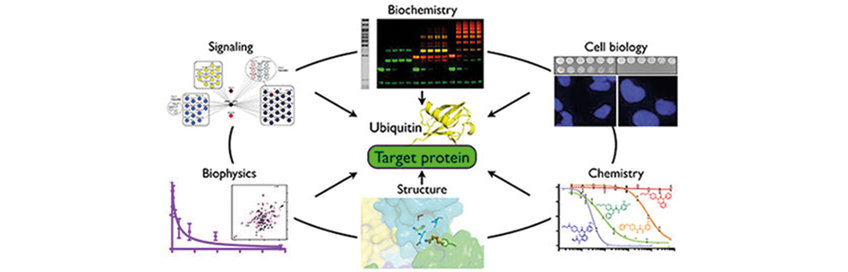
Brenda Schulman is a Professor and Director of the Molecular Machines and Signaling Pathways department at the Max Planck Institute of Biochemistry in Martinsried, Germany. She also holds an honorary professorship at the Technical University of Munich's Department of Chemistry and serves as Adjunct Faculty at St. Jude Children's Research Hospital in Memphis, TN, USA. Her research focuses on understanding how ubiquitin and ubiquitin-like proteins regulate cellular processes through protein modification. Dr. Schulman's research interests center on structural biology of the ubiquitin-proteasome system and ubiquitin-like proteins. Her work has shown that hundreds of dynamic multiprotein complexes are transiently converted into different conformations by specialized regulatory factors that control ubiquitin and ubiquitin-like proteins, thereby monitoring virtually all processes in cell biology. She combines biochemical reconstitution, structural analysis, enzymology, protein design, cell biology, and genetics to understand how these molecular machines function. Her research has significant implications for understanding diseases such as cancer, neurodegenerative disorders, and viral infections where defects in ubiquitin pathways are implicated. Her extensive publication record demonstrates expertise in ubiquitin signaling, protein degradation mechanisms, structural biology of E3 ligases, and molecular machines. Her work spans from fundamental mechanisms of ubiquitin chain formation to therapeutic applications in targeted protein degradation. Among her numerous scientific accolades are the Feldberg Prize for Anglo-German Scientific Exchange (2025), ERC Advanced Grant (2023), Louis-Jeantet Prize for Medicine (2023), Gottfried Wilhelm Leibniz Prize (2019), and election to the National Academy of Sciences (2014). She has also received the Dorothy Crowfoot Hodgkin Award from The Protein Society and has been an Investigator of the Howard Hughes Medical Institute. Dr. Schulman leads an active research group that has produced numerous high-impact publications in top journals including Nature, Cell, and Nature Structural & Molecular Biology. Her team has made significant contributions to understanding the structural mechanisms of ubiquitin transfer, E3 ligase specificity, and the role of ubiquitin in cellular quality control pathways. Current research in her lab focuses on deciphering the ubiquitin code and developing novel approaches for targeted protein degradation.
Vonda Jump is an Associate Professor in the Social Work department at Utah State University's College of Arts & Sciences , based in the USU Brigham Region (Brigham City, Kaysville, Tremonton). Her work bridges social work and early childhood development, emphasizing practical interventions for family support. Vonda Jump’s research focuses on parent-child interaction , home visiting programs , and language development . She specializes in creating and validating tools like the PICCOLO (Parenting Interactions with Children: Checklist of Observations Linked to Outcomes) and HOVRS-A+ (Home Visit Rating Scales—Adapted and Extended to Excellence) to assess and improve parenting behaviors and home visit quality. Her studies often target low-income and migrant families, including Latino communities, to address disparities in child outcomes. Her recent work highlights trauma-informed instruction for student resilience and technology-based design for inclusive education, particularly with deaf/hard of hearing populations . She has contributed to understanding how maternal warmth, responsiveness, and structured activities like family bookmaking enhance child attachment, vocabulary, and self-regulation. Her research spans longitudinal analyses of parenting stress , temperament , and maternal language strategies in early childhood settings.
Giel van Dooren is an Associate Professor at the Research School of Biology , Australian National University. His research focuses on the cell biology and metabolism of apicomplexan parasites , particularly Toxoplasma gondii and Plasmodium falciparum , aiming to develop novel therapeutic strategies against these pathogens. Education: Bachelor of Arts/Bachelor of Science (University of Melbourne, 2000), PhD (University of Melbourne, 2005) His work explores three core areas: Nutrient acquisition (plasma membrane transporters), Mitochondrial biology (electron transport chain inhibitors, apicoplast-mitochondrion metabolic integration), and Toxoplasma life cycle (felid host genetics). Collaborations include Kiaran Kirk , Adele Lehane , Alex Maier , and Kevin Saliba . Recent publications highlight advancements in understanding mitochondrial transporter functions , divergent respiratory complexes , and nutrient pathway drug targets . His lab actively seeks innovative tools for combating parasitic diseases through molecular physiology and metabolomics. Scientific Awards: College of Science Dean’s Commendation for Excellence in Education - Teaching Excellence (2024) College of Science Dean’s Commendation for Excellence in Education - Outstanding Contribution to Student Learning (2023) Bancroft-Mackerras Medal of the Australian Society for Parasitology (2021) College of Science Dean’s Commendation for Excellence in Education (2020, 2020) Grants & Projects: Na+-dysregulating antimalarials: PfATP4 physiology (2024-2027) Metal transporters in Toxoplasma gondii (2023-2026) Amino acid acquisition in Apicomplexans (2023-2025) Targeting mitochondrial ETC in parasites (2020-2023) Regulating nutrient uptake in intracellular parasites (2020-2022)
Dr. Barbara L. Hempstead is a Professor of Neuroscience and Medicine at Weill Cornell Medical College, where she has held positions since 2001 and 2002 respectively. Her research focuses on neurotrophin signaling mechanisms, particularly the roles of BDNF and its receptors in neuroinflammation, synaptic plasticity, and neurodegenerative diseases. She has made significant contributions to understanding proBDNF/proNGF signaling pathways in neuronal apoptosis and vascular biology. Education: M.D., Ph.D., Washington University School of Medicine (1982) B.A., Tufts University (1976) Dr. Hempstead's work bridges molecular neuroscience and cardiovascular biology, with a particular interest in receptor stoichiometry (p75NTR, TrkB), neurotrophin-induced synaptic remodeling, and therapeutic applications of neurotrophin modulators in Huntington's disease and post-seizure neuronal injury. Her lab investigates how genetic variants like BDNF Val66Met influence anxiety-related behaviors, social memory, and neurodegenerative disease progression through altered neurotrophin trafficking and signaling. Her recent publications highlight neuroinflammatory mechanisms (2023), immune-neurotrophin interactions (2022), and molecular pathways involving BDNF prodomain structure (2020) and SorCS2-mediated receptor trafficking (2017-2020). While no scientific awards are explicitly mentioned in the scraped text, her funded research (National Institute on Aging, NIMH) demonstrates sustained recognition of her work in neurotrophin biology. Dr. Hempstead's lab develops in vitro and in vivo models to study neurotrophin-receptor dynamics, including 3D culture systems for angiogenesis research and transgenic mouse models for Huntington's disease. Her interdisciplinary approach combines molecular neurobiology with vascular physiology to uncover novel therapeutic targets for neurological and cardiovascular conditions.
Katherine E. Varley, PhD is a Huntsman Cancer Institute Investigator and Associate Professor in the Department of Oncological Sciences at the University of Utah. She leads the Varley Lab and is a member of the Nuclear Control of Cell Growth and Differentiation Program, focusing on breast cancer genomics, epigenetics, and biomarker discovery. Her work bridges computational biology with clinical applications to improve breast cancer diagnosis and treatment. Dr. Varley earned her BS in Biology with a concentration in Computational Biology from Cornell University in 2003, followed by a PhD in Computational Biology from Washington University School of Medicine in 2009 under Dr. Robi Mitra. Her postdoctoral training was conducted in Dr. Richard M. Myers' laboratory at the HudsonAlpha Institute for Biotechnology, where she participated in the ENCODE Project Consortium. Her research focuses on using next-generation sequencing and computational analysis to study gene expression, transcription factor binding, and DNA methylation patterns in breast cancer. The Varley Lab investigates epigenetic gene regulation, develops novel molecular methods and bioinformatics approaches, and translates discoveries into clinical tools. Key research areas include Clinical Trial Genomics, Epigenome Engineering, Detecting Circulating Tumor DNA, and identifying Transcription Factors Driving Metastasis, with particular emphasis on triple-negative breast cancer. Analysis of Dr. Varley's publications reveals a consistent trajectory from fundamental genomic mechanisms to clinical translation, with recent work emphasizing biomarker discovery, tumor heterogeneity, and the development of genomic tools for precision oncology. Her research spans cancer biology, genomics, and computational analysis to address critical challenges in breast cancer treatment. Dr. Varley holds multiple patents related to cancer diagnostics and genomic technologies, including targeted sequencing methods, multigene assays for recurrence risk, and biomarkers for triple-negative breast cancer. These inventions reflect her commitment to translating basic research into clinical applications. She actively collaborates with clinical investigators in breast cancer trials and works closely with the Breast and Gynecologic Cancers Disease Center at Huntsman Cancer Institute. Her lab maintains four main research thrusts that collectively address breast cancer from molecular mechanisms to clinical applications, demonstrating a comprehensive approach to improving patient outcomes through genomic technologies.
Prof. Dr. Roderick Lim is an Associate Professor at the Biozentrum, University of Basel , where he leads a research group since 2014. His work bridges biophysics, nanotechnology, and molecular biology , focusing on the nuclear pore complex (NPC) and mechanobiology of cells . He develops biomimetic systems for selective molecular transport and ARTIDIS , a nanomechanical tissue diagnostic platform commercialized for breast cancer prognosis . Education : BSc (UNC Chapel Hill), PhD (NUS/IMRE Singapore), Postdoc (Swiss Nanoscience Institute) Positions : Argovia Professor (2014–present), Tenure Track Asst. Prof. (2009–2013), Postdoc (2004–2008) His research on NPC transport selectivity reveals how karyopherins modulate the FG Nup barrier via multivalent interactions, with implications for viral entry and Alzheimer’s disease . His ARTIDIS platform uses atomic force microscopy to detect cancer via tissue softness, linking hypoxia to metastasis . Recent 2025 publications explore bacterial nanoharpoon defense mechanisms and DNA origami-based NPC mimics . Scientific Awards : Pierre-Gilles de Gennes Prize (2008), A*STAR Fellowship (2004) Collaborations : NCCR Molecular Systems Engineering, NanoTera, KTI He mentors PhD students in institutions across Switzerland, Singapore, Sweden, and the UK , with alumni working on polymersome delivery, mechanotransduction, and pathogen transport . His lab pioneered high-speed atomic force microscopy for real-time NPC dynamics and plasmonic nanopores for synthetic biology applications.
Jiayi (Jessie) Tong, PhD is an Assistant Professor in the Department of Biostatistics at Johns Hopkins University, with joint appointments in the Bloomberg School of Public Health and School of Medicine. She received her PhD from the University of Pennsylvania in 2024 and has rapidly established herself as a leading researcher in biostatistical methods for real-world data analysis. Dr. Tong's research program focuses on clinical evidence generation and evidence synthesis with real-world data (RWD). Her work spans three main areas: clinical evidence generation using data from distributed research networks, surrogate-assisted semi-supervised learning methods, and systematic reviews and meta-analyses. She has developed innovative statistical methodologies for analyzing electronic health records across multiple institutions while preserving patient privacy through distributed computing approaches. Her research has significant implications for improving evidence generation in healthcare, particularly for rare conditions and emerging health threats where traditional clinical trials may be impractical. Analysis of Dr. Tong's publication record reveals a strong emphasis on methodological innovation in biostatistics, particularly in the areas of federated learning, meta-analysis, and electronic health record analysis. Her work frequently addresses challenges in multi-site collaborative studies, developing one-shot algorithms that enable analysis without sharing patient-level data. Much of her recent research has focused on applications to SARS-CoV-2 infection and its sequelae, demonstrating the practical utility of her methodological contributions to pressing public health challenges. Dr. Tong has demonstrated exceptional productivity since completing her PhD in 2024, with numerous high-impact publications in top biostatistics and medical journals. Her work has been recognized through mentions on various platforms including Mendeley readership and blog coverage. As a new faculty member, Dr. Tong is actively building her research program and mentoring the next generation of biostatisticians. Her expertise in distributed analysis of healthcare data positions her at the forefront of methodological developments needed to address contemporary challenges in evidence generation.