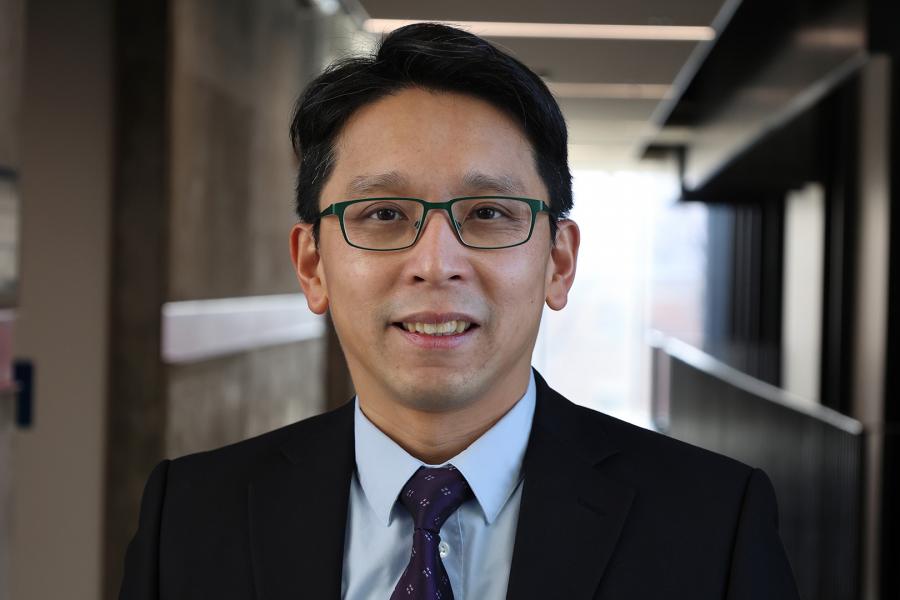
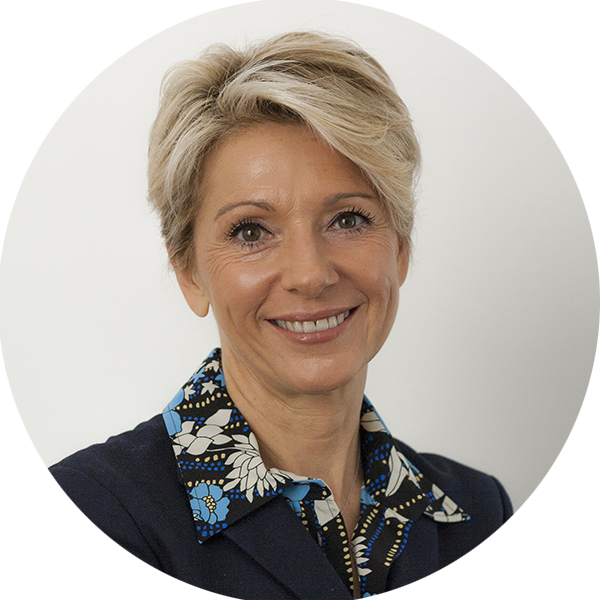
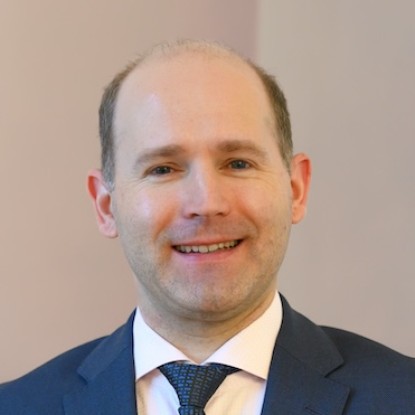
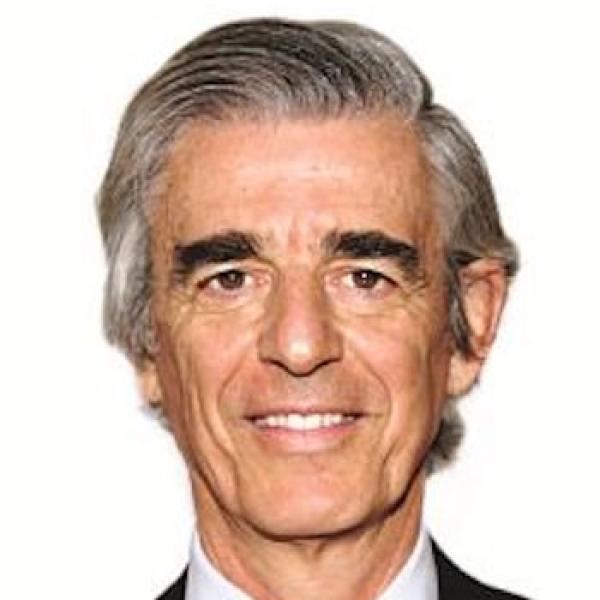
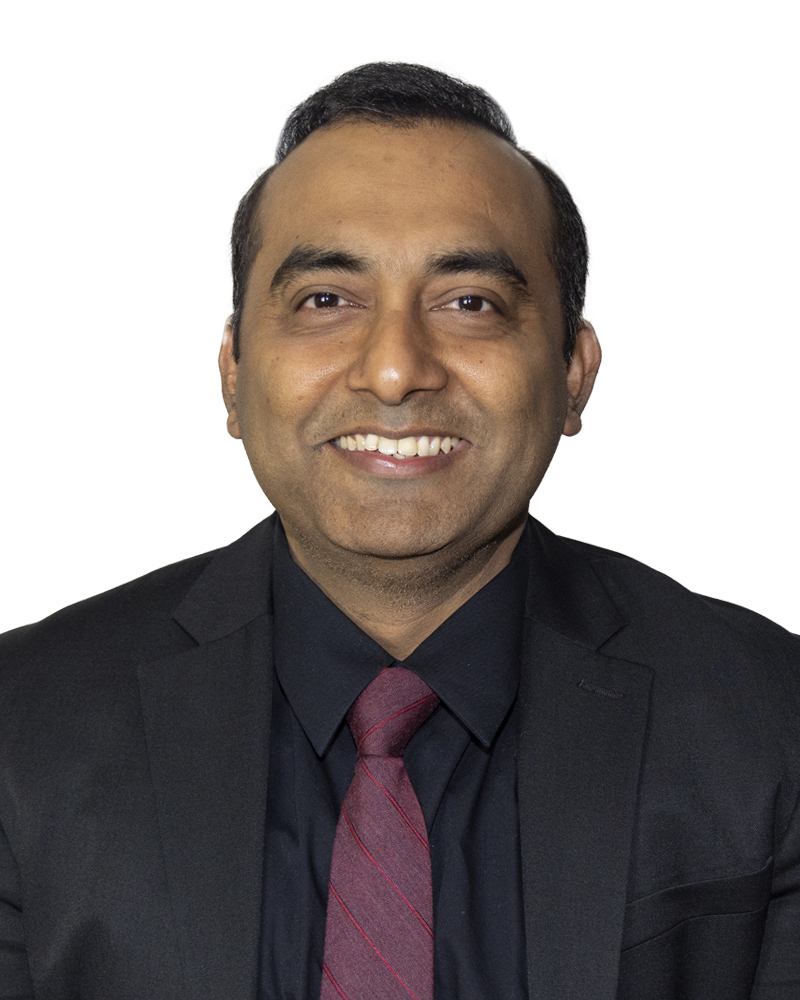
Dr. Paweł Kwaśnicki is an Assistant Professor at the Department of Analytical and Engineering within the Faculty of Natural and Technical Sciences, John Paul II Catholic University of Lublin. His research focuses on advanced photovoltaic technologies, particularly third-generation solar cells, quantum dots, and transparent conductive oxides. He has contributed to scalable electrodeposition methods for platinum nanoparticles in dye-sensitized solar cells and explored TiO₂-based nanocomposites for energy applications. Research Trends: Specializes in photovoltaic materials (perovskite, TiO₂), thin-film deposition, and circular economy strategies for waste-to-energy systems. Key Collaborations: Works with institutions like Agricultural University of Krakow and ML System S.A. Laboratory. Supervisory Roles: Serves as a PhD thesis supervisor and has guided numerous bachelor's and master's theses on topics ranging from diet impacts to microplastics in food.
Tanya Golubchik is a Senior Lecturer in Computational Microbiology and an NHMRC Principal Research Fellow at the University of Sydney's School of Medical Sciences under the Faculty of Medicine and Health. She is affiliated with the Sydney Southeast Asia Centre and the Sydney Infectious Diseases Institute (Sydney ID). Her research focuses on applying modern genomics technologies to study pathogen evolution and transmission, particularly in viruses and bacteria with public health significance. She has collaborated extensively with institutions such as the University of Oxford's Big Data Institute and the PANGEA-HIV Consortium, contributing to HIV and SARS-CoV-2 genomic analysis. Educated at the University of Sydney with a dual major in biology and computer science, she earned her PhD in molecular biology. Her postdoctoral work at the University of Oxford involved pneumococcal vaccine escape variants and within-host bacterial evolution. She led computational analysis of SARS-CoV-2 sequencing during the pandemic as part of the COG-UK Consortium and returned to Sydney in 2022. Her research interests include understanding how pathogens evolve within hosts, develop strategies to combat infections, and integrate metagenomics for clinical insights. She has pioneered methods like targeted metagenomics for simultaneous sequencing and transcriptional profiling of pathogens. Recent work examines RSV intrahost diversity in infants and SARS-CoV-2 transmission dynamics in the UK. She also explores climate change impacts on disease through CLIMADE and investigates HIV transmission networks in Africa. Her scientific contributions include the 2023 Thompson Prize from the University of Sydney. Research grants span projects like genomics solutions for HIV surveillance in low-income settings, vector-borne disease detection amid climate change, and metagenomic studies in female reproductive health. Her work bridges epidemiology, genetics, and translational research, emphasizing interdisciplinary approaches to global health challenges. In advising and grants, she has secured funding for high-throughput sequencing and transmission network analysis. While no formal advisee names are listed, her supervisory roles in molecular epidemiology and bioinformatics suggest active student mentoring. Collaborations with international teams and institutes highlight her global engagement in addressing infectious disease threats through computational and genomic strategies. Key teams include the PANGEA-HIV Consortium, COG-UK, and CLIMADE. She leads initiatives at Sydney ID and the School of Medical Sciences, advancing pathogen genomics and outbreak response methodologies.
Maria Loumioti serves as Associate Professor of Accounting at the University of Texas at Dallas' Naveen Jindal School of Management. Previously holding faculty positions at University of Southern California and MIT Sloan, she holds a DBA from Harvard Business School (2012) and BBA from Athens University of Economics and Business (2005). Her academic credentials include: Doctorate in Business Administration, Harvard Business School, 2012 Bachelor of Business Administration, Athens University of Economics and Business, 2005 Professor Loumioti's research centers on financial intermediation with expertise in non-bank lending, securitization, and credit markets. She examines ESG debt instruments, banking transparency, and soft information in loan quality assessment. Her work bridges accounting, finance, and sustainability policy through rigorous empirical analysis of debt markets and regulatory impacts. Analysis of her publication trajectory reveals growing emphasis on sustainable finance since 2020, particularly examining ESG investor behavior in debt markets and discrepancies between banks' environmental disclosures versus actual lending practices. Her recent work investigates sustainability-linked loan structures while earlier research established foundational insights on intangible asset collateralization and short-termism in capital markets. Her honors include the European Central Bank Lamfalussy Fellowship (2018) and Outstanding Reviewer Award from The Accounting Review (2020). Key recognitions feature: Naveen Jindal School of Management Outstanding Graduate Teaching Award (2020) Swedish House of Finance Visiting Scholar (2019) Best Paper in Management Accounting Award, MAS Annual Meeting (2015) Harvard Business School Doctoral Fellowship (2007-2012) Supported by visiting scholar appointments at European Central Bank and Banque de France, her research informs financial regulation through central bank collaborations. Media outlets including Bloomberg and Harvard Business Review regularly cite her findings on banking practices and sustainable finance.
Penny Williams is a Professor in the School of Management at Queensland University of Technology (QUT), within the Faculty of Business and Law. Her research focuses on digital platform work, algorithmic management, and the gig economy, with a particular emphasis on organizational justice, labour processes, and remote work dynamics. She leads projects funded by the Australian Research Council and collaborates with institutions like the QUT Centre for Decent Work and Industry. Williams has extensively studied the implications of digital technologies on work arrangements, including automated management systems and their effects on employee autonomy and managerial control. Her work addresses gender dimensions of platform work, contractual fairness, and the ethical use of HR technologies. She has published over 49 peer-reviewed articles and policy submissions, including key findings from national surveys on digital platform work prevalence in Australia. Her research highlights tensions between algorithmic control and worker agency, as seen in studies of surveillance technologies and their framing by HR providers. She advocates for equitable workplace policies, contributing to parliamentary inquiries on workplace surveillance and digital transformation. Williams also engages in educational initiatives, such as co-creating industry-linked learning resources to bridge academia and practice. Affiliations: QUT Centre for Justice, QUT Centre for Decent Work and Industry Grants: ARC Grant DE230100950 (2023) Policy Contributions: Submissions to Australian Parliament inquiries on gig economy contracts, workplace surveillance, and advanced manufacturing. Her work spans interdisciplinary collaborations with experts in human resources, technology, and social sciences, advancing understanding of modern work challenges in the digital age.
Dr. Carl Ho (Ngai Man) is a Full Professor and Canada Research Chair in Efficient Utilization of Electric Power at the University of Manitoba's Price Faculty of Engineering, Department of Electrical and Computer Engineering. Appointed Associate Head (Electrical Engineering) in July 2021, he leads the Renewable-energy Interface and Grid Automation (RIGA) Lab established with CFI funding in 2014. His educational background includes: PhD in Electronic Engineering (2007), City University of Hong Kong MEng in Electronic Engineering (2002), City University of Hong Kong BEng in Electronic Engineering (2002), City University of Hong Kong Dr. Ho's research focuses on power electronics applications for sustainable energy systems, with particular expertise in power conversion technologies for electric vehicles, renewable integration, and smart grid infrastructure. His work bridges industrial application and academic innovation, evidenced by over 40 IEEE journal publications, 80 conference papers, and 20+ patents. Current research emphasizes wide-bandgap semiconductor applications, power hardware-in-loop validation, and DC microgrid architectures for remote communities. Analysis of his recent publications reveals a strong trend toward practical implementation of power electronics solutions, with increasing focus on GaN/SiC devices, grid-forming converters, and modular architectures for microgrids. His work consistently addresses real-world challenges in efficiency, reliability, and cost-effectiveness across renewable integration, electric transportation, and power quality domains. Notable awards include: Second Place Winner for 2018 IEEE Transactions on Power Electronics Prize Paper Multiple IEEE JESTPE Star Associate Editor Awards (2022-2023) IEEE TPEL AE Excellence Award (2023) Best Student Team Regional Award in IEEE Empower a Billion Lives 2019 As an active mentor, Dr. Ho supervises numerous graduate students across multiple cohorts and leads significant research initiatives including NSERC Discovery Grants, MITACS collaborations with Power Integrations Inc., Research Manitoba Innovation Proof-of-Concept Grants, and Natural Resources Canada projects on zero-emission heavy vehicles. His RIGA Lab serves as a hub for industry-academic collaboration with Manitoba Hydro and transportation sector partners. The RIGA Lab, completed in 2016 and renovated in 2019, houses specialized equipment for power electronics prototyping, real-time simulation, and hardware-in-loop testing. Current projects include advanced wireless EV charging, GaN-based controller development, and DC microgrid solutions for remote communities, with recent recognition including a visit from Prime Minister Justin Trudeau in April 2023.
Marina Milovanović is a Professor at the University of Singidunum, Faculty of Informatics and Computing, Department of Mathematics. She holds dual doctoral degrees from the Faculty of Science, University of Kragujevac (Department of Mathematics, 2014) and Faculty of Entrepreneurial Business, Union University (2008), along with Master's and Bachelor's degrees from the Faculty of Mathematics, University of Belgrade (2000-2005 and 1995-2000 respectively). Faculty of Science, University of Kragujevac, Department of Mathematics (PhD, 2014) Faculty of Entrepreneurial Business, Union University (PhD, 2008) Faculty of Mathematics, University of Belgrade (Master's, 2000-2005) Faculty of Mathematics, University of Belgrade (Bachelor's, 1995-2000) Svetozar Marković High School, science and mathematics major (1991-1995) Professor Milovanović specializes in Mathematics Education and Educational Technology, with particular expertise in interactive multimedia applications for teaching mathematics. Her research consistently bridges theoretical mathematics with practical educational technology solutions, evolving from traditional multimedia approaches to incorporating cutting-edge AI and machine learning techniques. She has authored multiple books including 'Interactive multimedia in mathematics teaching' (2015) and collections of solved mathematics problems for entrance exams. Her recent publication record through 2025 demonstrates active engagement in interdisciplinary research, particularly at the intersection of educational technology, artificial intelligence, and practical applications in fields ranging from software engineering to medical diagnostics. Her work shows a clear trajectory from foundational educational technology research toward more sophisticated AI-enhanced learning systems. Professor Milovanović has made significant contributions to semantic web applications in education, particularly through Moodle LMS enhancements, and has explored SCADA applications in industrial contexts. Her collaborative research spans multiple countries and institutions, reflecting an international scholarly network. She has extensive experience developing computer tools for engineering education and has published on diverse topics including petroleum industry processes, environmental management, and financial mathematics. Her work demonstrates consistent application of computational approaches to solve domain-specific problems across multiple disciplines.
Paola Tagliavini is a Senior Lecturer at SDA Bocconi School of Management and Adjunct Professor at Bocconi University's Department of Accounting, specializing in Audit & Risk Management. She teaches graduate and master's courses including External Auditing, Internal Audit & Risk Compliance, and Enterprise Risk Management (ERM). Co-Director, Lab ERM Faculty, SDA Executive Courses (Risk Management, Compliance, Internal Audit) Faculty, Master in Corporate Finance and Executive Master in Finance Independent Board Director/Statutory Auditor for listed companies and asset management firms Her research focuses on risk management, internal control systems, and their integration into corporate governance frameworks, particularly for listed companies. She explores compliance strategies, risk financing, and cross-sector risk mitigation. Paola has published extensively on ERM, financial risks, and insurance-risk integration. Her work bridges theoretical analysis with practical applications in corporate sustainability and regulatory compliance. She also serves on control/risk committees and supervisory bodies under Italian Law 231/01, combining academic expertise with real-world governance roles.
Jordan Bate is an Associate Professor in the Department of Psychology at the Gordon F. Derner School of Psychology, Adelphi University. He is a licensed clinical psychologist in New York and maintains active research and clinical affiliations, including with Lenox Hill Hospital and Northwell Health. His work integrates psychodynamic, attachment, and mentalization-based approaches across child, adolescent, and family therapy contexts. Education: PhD, The New School for Social Research (2017) MA, The New School for Social Research (2012) BA, Williams College (2006) His research focuses on the psychotherapy process, particularly how attachment and mentalization shape therapeutic outcomes. Key areas include parent involvement in child treatment, therapist facilitative interpersonal skills (FIS), mentalization-based interventions for youth and families in the child welfare system, and adolescent personality development. He leads the Attachment and Psychotherapy Process Lab and employs mixed-methods designs, including observational coding and self-report measures. His recent publications explore therapist training, teletherapy efficacy, epistemic trust, and the psychological impact of the pandemic on families. The work spans journals in clinical psychology, psychotherapy research, and child mental health, reflecting a strong interdisciplinary and translational focus. Scientific Awards and Honors: President, Section II (Children and Adolescents), APA Division 39 (2021–2023) Chair, Child, Adolescent and Family Therapy Research (CAFTR) SIG, Society for Psychotherapy Research (2023–Present) Steering Committee, Psychodynamic Research Mentorship Program (PRMP), Austen Riggs Center & Yale Child Study Center (2024–Present) Committee Member, Mentorship and Progression Committee, Academics for the Advancement of Psychodynamic Psychology (A2P2) (2024–Present) Voluntary Faculty, Department of Psychiatry, Lenox Hill Hospital, Northwell Health (2018–Present) Bate has been instrumental in advancing training models such as Facilitative Interpersonal Skills Training (FIRST) and has contributed to major publications on deliberate practice and mentalization-based parent work. He has received no explicitly listed awards, but his leadership roles and publication record reflect significant professional recognition. He is deeply involved in mentoring students and supporting research in attachment and psychotherapy science. He is also engaged with multiple collaborative research teams, particularly around mentalization-based treatment implementation and therapist responsiveness. His lab collaborates with institutions including Lenox Hill Hospital, The New School, and international partners, supporting a broad network of clinical and academic inquiry.
A.A.J. (Erjen) Lefeber is an Assistant Professor in the Department of Mechanical Engineering at Eindhoven University of Technology (TU/e). His research focuses on control systems, cooperative driving, vehicle dynamics, and autonomous systems. He is affiliated with the EAISI Mobility cluster and the ICMS Core group, emphasizing interdisciplinary collaboration. Dr. Lefeber has contributed to over 150 research outputs, including peer-reviewed articles, conference contributions, and datasets. His work addresses challenges in platooning systems, model predictive control (MPC), cybersecurity in cooperative vehicles, and multi-agent systems. Research interests include cooperative adaptive cruise control (CACC), decentralized control strategies, and robust control against adversarial attacks. His projects integrate theoretical analysis with experimental validation, such as testing heterogeneous platoons with actuation delays. Dr. Lefeber has received the AVEC '24 Best Paper Award for contributions to vehicle platooning control. He teaches courses on nonlinear control, manufacturing networks, and mechanical engineering fundamentals. Collaborations span academia and industry, focusing on sustainable transportation and automation. Current efforts explore online learning for interaction dynamics in multi-agent systems and high-performance MPC for aerial robotics. His research aligns with UN Sustainable Development Goals, particularly addressing safe and efficient mobility solutions.
Sam Abraham is a Professor at Murdoch University, affiliated with the School of Medical, Molecular and Forensic Sciences and leading the Antimicrobial Resistance and Infectious Disease Laboratory under the Centre for Biosecurity and One Health. His research focuses on antimicrobial resistance (AMR), genomics, and robotics in a One Health framework, bridging human, animal, and environmental health. BSc Zoology (2003–2006), Mahatma Gandhi University, India MSc Biotechnology (2006–2007), University of Wollongong, Australia PhD Microbiology (2008–2012), University of Wollongong His research explores AMR dynamics in production animals, zoonotic pathogens, and environmental reservoirs. Recent work includes robotic surveillance systems for AMR tracking, genomic analysis of livestock pathogens, and interventions for infectious disease control. Notable article trends include robotic AMR detection, pathogen genomics in livestock and wildlife, and interdisciplinary approaches combining virology, microbiology, and computational tools. Sam leads teaching and supervisory initiatives in microbiology and One Health, with projects spanning Australia and international collaborations (e.g., Cambodia, Iraq). His lab develops next-generation platforms for AMR surveillance.
Professor Roderich Groß is a faculty member at Technical University of Darmstadt, where he serves as Head of the RCPS Lab (Robotics, Control, and Physical Systems Laboratory). His extensive research career spans over two decades with publications dating back to 2006, establishing him as a leading figure in swarm robotics. His work appears in top-tier robotics journals including IEEE Transactions on Robotics, Nature Communications, and The International Journal of Robotics Research. Professor Groß's research focuses on swarm robotics, multi-robot systems, modular and reconfigurable robotics, and human-robot interaction. His work explores how groups of relatively simple robots can collectively perform complex tasks through decentralized control mechanisms. He investigates modular systems that can adapt their physical structure to different tasks and develops human-robot interaction paradigms that enable effective collaboration between humans and robot swarms. His research has practical applications in search and rescue, environmental monitoring, construction, and industrial automation. Analysis of Professor Groß's recent publications reveals a clear evolution from foundational swarm behaviors toward increasingly sophisticated applications. His work addresses critical challenges including energy management in robot swarms (CapBot), multi-operator control interfaces, heterogeneous systems for industrial applications, and bio-inspired collective behaviors. His research bridges theoretical swarm intelligence principles with practical implementation on physical robot platforms like Kilobots, with recent work integrating artificial intelligence techniques such as language models for swarm control. As Head of the RCPS Lab, Professor Groß leads a productive research group with extensive international collaborations. The lab works with various robot platforms focusing on both theoretical modeling and practical implementation of swarm behaviors, contributing significantly to advancing the field of swarm robotics from theoretical foundations to real-world applications.
Guido Ferrarini serves as Professor of Business Law and Capital Markets Law at the University of Genoa's Department of Law and directs the Centre for Law and Finance. He has held visiting professorships at Bonn, Frankfurt, Ghent, Hamburg, LSE, UCL, Tilburg, Duisenberg, Columbia, NYU, and Stanford, teaching comparative corporate governance and financial regulation. His academic credentials include: Law degree from Genoa Law School (1972) LL.M. from Yale Law School (1978) Dr. jur. h.c. from Ghent University (2009) Ferrarini's research centers on financial markets law, corporate law, business regulation, and executive remuneration, with increasing focus on ESG integration and sustainable finance. His work critically examines corporate purpose, stakeholder governance, and regulatory frameworks across banking, digital assets, and shareholder rights. He employs comparative legal analysis to address tensions between financial innovation and market stability. His 15 most recent publications (2020-2024) reveal three dominant trends: (1) ESG-driven evolution of executive compensation structures, (2) regulatory responses to digital finance (notably MiCA), and (3) reconceptualization of corporate purpose beyond shareholder primacy. These works consistently bridge theoretical governance models with practical regulatory implementation across European jurisdictions. His scientific recognition includes: Dr. jur. h.c. from Ghent University (2009) Professor Ferrarini maintains significant industry engagement as Board member of Banca Passadore & C. s.p.a. and Chairman of Epic s.p.a. His prior advisory roles encompass the International Accounting Standards Committee (IASC), Italian Stock Exchange Corporate Governance Committee, EuroTLX SIM S.p.A. (Chairman), and directorships at Atlantia and Telecom Italia. This practical experience directly informs his regulatory scholarship. He leads the Centre for Law and Finance at the University of Genoa, fostering interdisciplinary research on financial regulation and corporate governance through collaborations with European institutions and regulatory bodies.
Dr. Fan Zhang serves as Associate Professor in Engineering (Engineering and Design) at the School of Engineering and Informatics, University of Sussex, where he leads research in control systems and sustainable energy technologies. His work bridges theoretical control engineering with practical renewable energy applications, particularly in hydrogen storage and conversion systems. His academic foundation includes: PhD in Control Systems from the University of Sheffield MSc in Control Systems from the University of Sheffield PgCLT (Distinction) from the University of South Wales BEng in Automation from Tianjin University of Technology and Education Research centers on control systems for renewable energy integration, with emphasis on hydrogen storage, wind/solar-hydrogen systems, and automation. His work demonstrates strong interdisciplinary connections between power electronics, energy conversion, and sustainable transportation solutions, particularly through advanced control strategies for complex energy systems. Publication analysis reveals consistent focus on hydrogen energy systems (70% of recent work), with growing emphasis on aviation applications and tidal energy integration. His research trajectory shows evolution from foundational photovoltaic control (2013-2015) toward multi-source renewable systems (2021-2025), reflecting industry shifts toward hydrogen economy solutions. Academic recognition includes: Senior Fellow of the Higher Education Academy He supervises research projects including tidal lagoon power and hydrogen energy storage optimization, with teaching responsibilities spanning Robotics and Electrical Engineering programs delivered in China. His curriculum development for Automation & Mechatronics and Systems Analysis modules demonstrates practical application of his research expertise. Current research activities involve supervisory control systems for renewable hydrogen infrastructure, with emerging work in neurolinguistics-based control interfaces indicating expanding interdisciplinary reach.
Priyanko Guchait is a tenured Full Professor and Program Director of the Doctorate in Global Hospitality Leadership (DGHL) at the Conrad N. Hilton College of Global Hospitality Leadership , University of Houston. His research focuses on organizational behavior, leadership, human resources, and service management in hospitality contexts, with over 75 peer-reviewed articles published. Education: B.E. in Mechanical Engineering, University of Pune, India M.S. in Hospitality Management, University of Missouri M.S. in Human Resources and Employment Relations Ph.D. in Hospitality Management, The Pennsylvania State University Research Interests include error management culture, psychological safety, service recovery performance, leader behavioral integrity, and AI’s impact on hospitality workers’ mental health. His work examines shame, forgiveness climate, and team dynamics in service environments. Article Trends show a focus on multi-level error management, human-robot collaboration in service recovery, diversity inclusion climates, and cross-cultural leadership studies. Recent papers explore AI ethics, pandemic response strategies, and emotional labor in hospitality roles. Awards & Honors Stephen Rushmore/HVS Research Excellence Award (2023, 2015) Donald Greenaway Excellence in Research, Teaching, and Service Award (2022) Best Paper Award, The Service Industries Journal (2023) ICHRIE Faculty Collegiality Award (2021) ICHRIE McCool Breakthrough Award (2021) Honored as 50-in-5 Scholar (2021) Provost’s Excellence Award (2015) Best Reviewer Awards (IJCHM 2016-2017) Committee & Editorial Roles include Associate Editor of IJCHM, Coordinating Editor of IJHM, and leadership positions at ICHRIE (President 2020-2021, Vice President 2019-2020). He has served on university curriculum, research, and Ph.D. selection committees.
Mike Barnes is Professor in the Power Conversion group at the University of Manchester's School of Electrical and Electronic Engineering. He holds a BEng and PhD from the University of Warwick and is a Fellow of IET, IEEE, and HEA. His research focuses on power electronics applications in HVDC transmission, offshore wind energy integration, smart grids, and energy storage optimization. He has supervised over 24 doctoral students and serves as Associate Editor for IEEE Transactions on Energy Conversion. Barnes investigates high-voltage power conversion technologies to enhance renewable energy utilization and grid stability. His work spans semiconductor-based systems, advanced control strategies, and multi-scale modeling to reduce costs and improve efficiency in energy infrastructure. Current projects include grid-scale storage interfacing and power electronic transformers. Recent publications demonstrate his focus on real-time simulation of energy storage, stability analysis of HVDC systems, and thermal management of power modules. This research addresses critical challenges in renewable integration and grid resilience. IEEE Transactions Prize Paper (2012-13) IEEE Transactions Energy Conversion Best Paper (2018-19)