Dr. Caitlin Wilson is a Senior Paramedic Research Fellow at the University of Hertfordshire's School of Health and Social Work, affiliated with the Centre for Applied Clinical, Health and Care Research (CACHE). Her research focuses on improving ambulance service practices through feedback mechanisms, staff wellbeing, and patient safety initiatives. Education: PhD in Psychology (2019–2023) Current Roles: Senior Paramedic Research Fellow (NHS - Yorkshire Ambulance Service NHS Trust, 2022–present); Associate Editor, British Paramedic Journal (2021–present) Wilson’s research spans clinical education frameworks, public health conversations in ambulance services, and prehospital analgesia optimization. Her recent projects include PRE-IMPACT (2023–2026) and AS USUAL (2023–2026), addressing health inequalities and pediatric trauma care. She has published extensively in paramedic science, focusing on ventilation monitoring, overdose management, and feedback systems. Key collaborations include partnerships with Yorkshire Ambulance Service NHS Trust, with network connections in clinical research, public health, and emergency medicine. Her awards include a PhD in Psychology and editorial roles advancing paramedic literature.
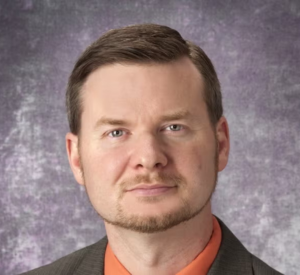
John Pierce is an Assistant Professor in the Department of Community Health Services and Rehabilitation Science at the University of Pittsburgh School of Health and Rehabilitation Sciences. He is actively engaged in the Emergency Medicine (BS) and Rehabilitation Science (BS) programs and affiliated with the Center for Interprofessional Studies, contributing to interdisciplinary training and education. His research and professional interests center on emergency medical services (EMS), with a strong emphasis on leadership, management, education, and system development in pre-hospital care. With three decades of hands-on experience, including 26 years at the Advanced Life Support level, his work bridges clinical practice and academic training in emergency medicine and rehabilitation science. John Pierce has been instrumental in shaping national EMS standards, notably contributing to the National Emergency Medical Services Managers Association’s National EMS Officer Competencies. His advocacy spans local, state, and federal levels, promoting advancements in EMS systems and professional development. He has served in diverse roles including paramedic, firefighter, deputy coroner, and administrator, enriching his academic perspective with real-world emergency healthcare challenges. His teaching and mentorship extend across EMT, paramedic, and critical care education levels. Notable affiliations include: Department of Community Health Services and Rehabilitation Science Emergency Medicine (BS) Program Rehabilitation Science (BS) Program Center for Interprofessional Studies John holds an MBA and is a National Registered Paramedic (NRP), combining clinical expertise with administrative and educational leadership. There are no public mentions of scientific awards, publications, or graduate student mentorship in the available text.
Dr. Deborah Goode is a Senior Lecturer in Nursing at Ulster University and serves as the Associate Head of School of Nursing within the School of Nursing and Paramedic Science, Faculty of Life & Health Sciences. She is an intensive & critical care nurse with extensive experience in both clinical practice and academic leadership. Ulster University, Belfast campus (Room BC-04-174, 2-24 York Street, Belfast, BT15 1AP) Magee Campus, Northlands Road, Londonderry, BT48 7JL Her research interests focus on older people with mental health needs, prehospital and emergency care, critical care nursing, nurse education, social media and digital learning applications in healthcare education, person centredness, and end of life care. Dr. Goode has developed expertise in digital health interventions, particularly in dementia care through projects like the InspireD reminiscence app. Her recent publications demonstrate a strong focus on emergency care for older adults with mental health needs, digital health interventions for dementia care, and innovative approaches to nursing education. She has made significant contributions to understanding how social media can be leveraged as a learning tool in healthcare education. Highly Commended, Mobile App of the Year for Inspired Dementia Reminiscence App (2021) Marcia Mackie Scholarship (2016) Marthan McMenamin Scholarship (2016) Ulster Institute of Nursing Research Fellowship (2009) Dr. Goode serves as Academic Lead for post registration business and is the Athena Swan Chair for Nursing. She has supervised numerous PhD students including Olivia Briggs, Mary Dunnion, Diane Lyttle, Lorraine McAteer, and Joanne McConville. She is actively involved in multiple research projects, most notably the 6-year project 'Developing and testing the InspireD reminiscence app as a stand-alone support for people living with dementia and their families' (2019-2025) where she serves as a Co-Investigator. Her external roles include serving as an External Examiner for the Universities of Manchester and Swansea, and participation in various steering groups including the Critical Care Nursing Career Pathway Steering Group and the Nursing and Midwifery Task Group. Dr. Goode holds a PhD from Ulster University on 'a study of attendance trends and care experiences of older people with mental health needs in Emergency Medical Service settings' (awarded July 2019), an MSc in Nursing from Queen's University Belfast, and additional qualifications including a Post Graduate Specialist Certificate in ICU and PGDip in Nurse Education from Ulster University. She is a Senior Fellow of the Higher Education Academy, CHERP Fellow, and Associate member of the Association for Learning Technology.
Professor Timothy Bartram is a leading academic in Human Resource Management (HRM) at RMIT University's School of Management, where he serves as Head of Department. His research focuses on healthcare management, high-performance work systems (HPWS), and inclusive employment practices for vulnerable groups such as neurodiverse workers and Indigenous men. With over 167 refereed publications and $2 million in research funding, he is ranked the fourth most impactful HPWS researcher globally. His work bridges HRM theory and practice, addressing real-world challenges like clinician retention in hospitals and workplace violence in aged care. Key research interests include AI-driven HRM, disability inclusion, and employee wellbeing. He has led major projects funded by ARC, DFAT, and government agencies, collaborating with organizations like the Australian Nursing and Midwifery Federation and the Victorian Hospitals' Industrial Association. Professor Bartram has supervised 21 PhD and 24 DBA students, and co-edits the Asia Pacific Journal of Human Resources . He teaches Key Concepts in HRM and advises on policy reforms in healthcare and aged care sectors. Research Grants: Three ARC grants (DP120103071, LP110200528, LP200200379), DFAT-funded projects, and federal/state contracts. Collaborations: Victorian Hospitals' Industrial Association, Australian Men's Sheds Association, and healthcare unions. His research has influenced policy on disability employment, Men's Shed programs, and healthcare workforce management. Media appearances include ABC Breakfast and the Wall Street Journal.
Suzanne McLaren is a Professor of Psychology at Charles Sturt University, focusing on aging well, rural and regional mental health, and LGBTQ+ psychosocial well-being. She contributes to the Ageing Well Research Group , Resilience Across the Lifespan Research Group , and Psychosocial Well-being of Rural and Regional Australians Research Group . Her research explores: Self-compassion and trauma responses in healthcare workers Psychosocial determinants of suicide risk in marginalized populations Telehealth accessibility for aging Australians during crises Belonging and mental health disparities in rural LGBTQ+ communities Recent work includes evaluating suicide prevention programs, relocation stress interventions in aged care, and analyzing how internalized stigma impacts depression across gender/sexual identities. She supervises HDR students and co-led projects on paramedic mental health. Key activities include: Chairing research integrity committees until 2024 Developing academic content creation initiatives Advising on ethical research frameworks
Professor John Gammon is a Personal Chair and Deputy Head (Innovation and Engagement) at the School of Health and Social Care, Swansea University. He leads strategic innovation projects and collaborates with health boards and public bodies to advance university goals. His expertise spans infection prevention, healthcare management, and governance. He holds board roles at Hywel Dda University Health Board and Pembrokeshire Further Education College, contributing to healthcare policy and education nationally and internationally. Research focuses on infection control practices, patient safety in isolation, and quality improvement. Notable works include studies on hand hygiene efficacy, psychological impacts of isolation, and antimicrobial resistance. He supervises multiple PhD students exploring topics like antimicrobial stewardship and wound healing. Teaching involves modules on healthcare research and management, emphasizing evidence-based practice. His work bridges clinical innovation with organizational strategy, addressing healthcare challenges through interdisciplinary collaboration.
Dr. Paul Taylor is a Senior Clinical Lecturer in Palliative Medicine at the School of Medicine and Population Health , University of Sheffield. He combines clinical practice at St. Luke’s Hospice with academic research, supported by affiliations with the Sheffield Palliative Care Research Network and ScHARR (School of Health and Related Research). Education: MBChB (Hull and York Medical School), PhD in Health Sciences (Hull and York Medical School, 2012) Research Interests: Prognostication and clinical decision-making in end-of-life care, with a focus on projects like Project ECHO and the RESOLVE study . His work spans palliative care education, health services research, and strategies to avoid emergency admissions for palliative patients. Publication Trends: Recent articles (2021–2024) emphasize the integration of technology in palliative care education, policy analysis for homecare services, and interdisciplinary approaches to end-of-life decision-making. Earlier work (2011–2018) explores physiological changes near death, caregiver experiences, and guideline development for palliative oncology care. Professional Roles: Member of the Association for Palliative Medicine , Royal College of Physicians , and the General Medical Council Specialist Register. He supervises Masters students in ScHARR’s Clinical Research programme and mentors clinical trainees.
Gerard Baxter is a Lecturer in Nursing at the School of Nursing and Paramedic Science, Ulster University. He works within the Faculty of Life & Health Sciences and can be contacted at the Magee Campus in Londonderry, United Kingdom. His research focuses on Person-Centered Care , Student Experience , and Interpersonal Relationships in nursing education. His work explores mentorship dynamics, decision-making frameworks, and feedback mechanisms in clinical training environments. Gerard has published on nursing mentorship programs, student-led clinical vignettes, and biomedical sciences education. His publications span 1996-2022 with a focus on improving clinical training through feedback and empowerment. Scientific Awards: Distinguished Collaborative Education Excellence Fellowship Award (2020) Contributions to Royal Academy of Medicine in Ireland biomedical sciences proceedings (1996) Gerard's work also addresses healthcare education equity through SDG-aligned research. He has contributed to nursing education through innovative teaching methods and student experience enhancement.
Professor Cath Taylor is a Professor of Healthcare Workforce Organisation and Wellbeing at the University of Surrey’s School of Health Sciences. She holds a BA, MA, and PhD in Psychology from Swansea University. Her career spans roles at Imperial College London (1997–2002) and King’s College London (2002–2017). Taylor’s research focuses on improving NHS workforce wellbeing and optimizing multidisciplinary team collaboration in healthcare. Notable contributions include the MDT-FIT tool (winner of the 2016 QiC Oncology Digital Innovation Award) and evaluations of Schwartz Center Rounds. She leads NIHR-funded studies on mental wellbeing in nurses, midwives, and paramedics, and investigates video livestreaming in emergency dispatch. Taylor’s work addresses systemic challenges in healthcare, advocating for organizational reforms to prioritize staff wellbeing alongside patient care. Education: BA, MA, PhD (Psychology), Swansea University. Research Interests: Healthcare workforce wellbeing, multidisciplinary team dynamics, telemedicine, and pandemic response strategies. Key projects include longitudinal evaluations of Schwartz Rounds, feasibility trials for video livestreaming in trauma dispatch, and analyses of virtual lung cancer MDT meetings during the pandemic. Grants & Awards: QiC Oncology Digital Innovation of the Year 2016; multiple NIHR grants for workforce wellbeing research. Advising & Grants: Leads NIHR-funded projects on nurse/midwife mental health and telemedicine in haemato-oncology. Co-develops interventions for maternity team improvement and parent care with learning disabilities. Labs/Teams: Workforce, Organisation and Wellbeing (WOW) Expert Group at the University of Surrey.
Dr. Hannah Meacham is a Senior Lecturer in the School of Management at RMIT University. She specializes in Human Resource Management (HRM) with a focus on diversity, inclusion, and employee wellbeing, particularly in healthcare and disability employment contexts. Her research addresses workplace violence in aged care, resilience among frontline nurses, and support mechanisms for workers with intellectual disabilities. She holds editorial roles at the Asia Pacific Journal of Human Resource Management and Journal of Business Research . Teaching responsibilities include managing the BBus(HRM) program and contributing to the Master of Human Resource Management curriculum. Dr. Meacham is actively involved in supervision for Masters and PhD students, focusing on topics like Industry 4.0 impacts on mental health, neurodiverse employment pathways, and collaborative HRM in healthcare. Her work bridges academia and industry, informed by operational HRM experience across Europe and Australia. Key areas of investigation include anti-violence HRM frameworks, mental health interventions in high-stress roles, and inclusive workplace practices for marginalized groups.
Dr. Jillian Cavanagh is an Associate Professor in the Department of Human Resource Management at RMIT University's School of Management. Her research focuses on healthcare management, human resource practices, and qualitative methodologies, with notable projects addressing workplace violence in aged care, disability-inclusive workplaces, and Aboriginal men's health through community programs. She has led qualitative research on topics such as nurse safety and HRM strategies for mitigating workplace violence. Dr. Cavanagh collaborates with institutions like ANMF and contributes to journals like Personnel Review and Asia Pacific Journal of Human Resources . She supervises research on healthcare leadership, open innovation, and HRM's role in employee well-being. Industry experience includes legal and medical sector HR consulting, emphasizing equity and diversity training for disability inclusion. She co-edits academic journals and has presented findings on paramedic resilience and healthcare workforce challenges. Her work bridges HRM theory with practical applications in healthcare and aged care sectors.
Michael Spigner, MD, serves as Assistant Professor (CHS) in the Department of Emergency Medicine and Internal Medicine at the University of Wisconsin-Madison School of Medicine and Public Health. He directs Prehospital Medicine Informatics and Research while chairing the EMS Quality & Patient Safety Committee. As Medical Director for Belleville EMS, Brooklyn Fire & EMS, and Associate Medical Director for Madison Fire Department, he bridges clinical practice and system improvement across multiple agencies. Education: BA: CUNY Queens College MD: Donald and Barbara Zucker School of Medicine at Hofstra/Northwell Residency: University of Cincinnati Medical Center Fellowship: University of New Mexico Health System – EMS Dr. Spigner's research strengthens emergency care continuity through prehospital medicine, clinical informatics, and substance misuse interventions. His work spans airway management optimization, cardiac arrest resuscitation science, pediatric EMS readiness, and data-driven overdose response systems. He develops evidence-based protocols for EMS personnel, transport clinicians, and emergency departments while leveraging informatics to transform care delivery. His 2019-2025 publications reveal growing integration of predictive modeling and informatics in EMS research, with recurring themes in protocol standardization, substance misuse outcomes, and ultrasound applications. Key trends include variable post-ROSC care practices, first-pass success metrics in airway management, and dashboard development for overdose fatality review. Scientific Awards: Board certification, Clinical Informatics (2025) EMS Medicine Early Career Medical Director Award, NAEMSP & Stryker (2024) Faculty Award for Excellence in Scholarship, BerbeeWalsh Department (2024) Best Speaker, NAEMSP Annual Meeting (2023) Board certification, Emergency Medical Services (2021) Board certification, Emergency Medicine (2021) National Outstanding Medical Student Award, ACEP/EMRA (2016) Dr. Spigner secures significant funding including NIH U19 support for ED-LEAD (Alzheimer's/dementia care transformation), NAEMSP/Stryker's $60,000 Early Career Award, and Wisconsin Partnership Program grants for firefighter/EMT development and rural pediatric simulation training. His leadership in EMS quality initiatives and medical direction provides mentorship to prehospital providers despite no formal academic advisees listed in source materials. He leads UW's Prehospital Medicine Informatics program while collaborating with over 30 EMS agencies through medical directorships. His integrated approach combines clinical practice, research, and quality improvement to advance evidence-based prehospital systems across Wisconsin's urban and rural settings.
Professor Hilary Bungay is a Professor of Arts Health and Wellbeing at Anglia Ruskin University, affiliated with the School of Allied Health and Social Care and the Faculty of Health, Medicine and Social Care. Her expertise spans Arts Health, Social Prescribing, and Health Service Research, with a focus on older adults and community engagement. **Education:** PhD in Social Policy and Administration (University of Kent) MA Health Studies (University of Kent) PGCLT (Canterbury Christ Church University) **Research Focus:** Dr. Bungay’s work explores the impact of arts interventions on health and wellbeing across diverse settings, including care homes, schools, and hospitals. Her research employs qualitative, quantitative, and mixed-methods approaches, with notable projects on participatory arts, social prescribing, and nature-based interventions for children’s mental health. **Key Projects:** Principal Investigator for 'Dancing for Health' and 'Feasibility Assessment for Arts in Schools' Co-investigator on UKRI-funded 'Branching Out' addressing mental health inequalities in schools **Awards & Roles:** Fellow of the Higher Education Academy Editorial Board Member, International Journal for Arts and Health **Supervision & Grants:** Guided over 7 doctoral students, including completions on topics like paramedic career transitions and youth mental health. Secured grants from UKRI, Arts Council England, and the Paul Hamlyn Foundation. **Networks:** Co-leads the cross-faculty Arts, Health and Wellbeing Network and the HeMS Arts and Well-being Research Interest Group .
Thomas Cochrane is an Associate Professor in Technology Enhanced Learning in Higher Education at the Melbourne Centre for the Study of Higher Education, University of Melbourne. His expertise centers on qualitative research in technology-enhanced learning, with specializations in mobile learning, mixed reality environments, heutagogy (self-regulated learning), communities of practice, and the scholarship of technology-enhanced learning. With over 50 peer-reviewed journal articles, 32 book chapters, and more than 150 conference proceedings, Cochrane has established himself as a leading researcher in educational technology. His research interests focus on innovative pedagogical approaches enabled by technology, particularly examining how mobile and social media tools can transform teaching and learning experiences. Cochrane's work emphasizes action research and design-based research methodologies, exploring how technology can create authentic learning environments that bridge virtual and physical spaces. His specializations include developing frameworks for mobile learning, designing immersive reality environments for healthcare education (such as the Mesh360 project), and investigating self-determined learning approaches through heutagogy. Analysis of Cochrane's recent publications reveals a strong emphasis on educational design research, virtual reality applications in education, professional development frameworks for educators, and mobile learning methodologies. His work demonstrates a consistent focus on practical applications of technology in higher education, with particular attention to healthcare education, journalism, and transdisciplinary curriculum design. The publications show increasing integration of immersive technologies and a growing interest in addressing post-pandemic educational challenges through blended and hybrid learning models. Professor Cochrane actively contributes to academic communities through the ASCILITE Mobile Learning Special Interest Group, where he has developed collaborative networks with researchers globally. His professional development initiatives include CMALT (Certified Member of the Association for Learning Technology) accreditation frameworks and cMOOCs (connectivist Massive Open Online Courses) for lecturer professional development. He has also led projects on mapping professional accreditation pathways in higher education and developing frameworks for authentic healthcare education using wearable and immersive technologies. His collaborative work extends across multiple institutions and disciplines, with notable partnerships in healthcare education, journalism, and engineering. Current projects include exploring generative AI in education, developing virtual performance halls, and designing immersive reality environments for paramedic education. As a networked academic, Cochrane maintains strong connections with colleagues across Australia and internationally, contributing to the global discourse on technology-enhanced learning.
Dr. Clare McKeaveney is a Lecturer at Queen's University Belfast's School of Nursing and Midwifery, part of the Faculty of Medicine, Health & Life Sciences. Her research focuses on psychological and clinical aspects of kidney disease and transplantation, particularly improving patient education and psychosocial well-being. She supervises PhD students in kidney disease and organ transplantation, and has contributed to projects like the Renal Arts Group and the MERCURY Study. Dr. McKeaveney has been recognized with awards such as the EDTNA/ERCA Manuscripts Scholarship and was a finalist for Teaching Innovation of the Year (2022). Research Interests: Chronic Kidney Disease (CKD), organ transplantation, patient education, psychosocial well-being, and mixed-methods research. She has organized events like 'Transplantation Tales' and 'A Palette of Possibilities: Celebrating Kidney Health.' Her work includes studies on compassionate mindfulness programs for CKD patients and caregiver interventions in end-stage kidney disease. Current PhD students include Xingge Sun (China) and Raghad Alharbi (Saudi Arabia). Grants include the 'Caregiver Experience of Conservatively Managed End-stage Kidney Disease' project. She is involved in editorial roles for journals like Healthcare and BMC Public Health. Labs/Teams: Member of the Renal Arts Group and co-investigator in projects like the MERCURY Study. Her research spans palliative care, mindfulness interventions, and educational innovation in nursing.