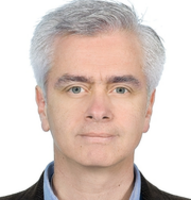
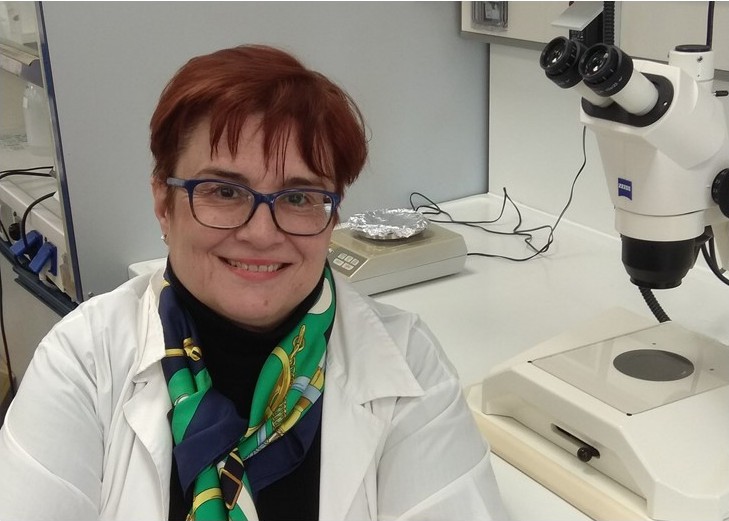
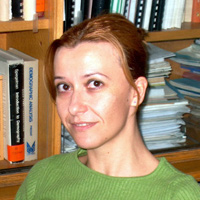
Mikros Emmanuel is a Professor in the Section of Pharmaceutical Chemistry at the University of Athens , affiliated with the Faculty of Pharmacy and Department of Pharmaceutical Chemistry . His academic career spans decades, with significant contributions to pharmaceutical chemistry and metabolomics. Education : Ph.D. and M.Sc. in Organic Chemistry (1988, 1984), Université PARIS XI; Diploma in Chemistry (1983), University of Athens. His research focuses on NMR spectroscopy, molecular structure analysis of biologically active compounds, structure-based drug design, and metabolomics. He has pioneered methods integrating NMR with computational tools for drug discovery and biomarker identification. Recent publications highlight his work in NMR-MS heterocovariance for drug screening, metabolomics in diagnostics, virtual screening for kinase inhibitors, and computational approaches in understanding metabolic disorders. Scientific Awards : DAAD Fellowship (Germany, 1996), Marie Curie Fellowship (European, 1994), CIES Fellowship (France, 1993), National Foundation Scholarship (ΙΚΥ Greece, 1985-88). He has taught undergraduate and graduate courses such as Inorganic Pharmaceutical Chemistry, Organic Spectroscopy, and Drug Design, while leading research initiatives in pharmaceutical chemistry and related fields.
Dr. Zacharakis Giannis is a Research Professor and Research Director at the Institute of Electronic Structure and Laser (IESL) of the Foundation for Research and Technology (FORTH). He heads the Laboratory for Biophotonics and Molecular Imaging, focusing on developing advanced imaging technologies for biomedical and cultural heritage applications. He served as Vice President and President of the European Society for Molecular Imaging (ESMI) and holds leadership roles at FORTH. Education: BSc in Physics (1997), PhD in Biomedical Imaging (2002), both from the University of Crete. Postdoctoral Research Fellow at Harvard University (2003-2004). Research Interests: Biophotonics, optoacoustic imaging, biomedical optics, and non-invasive diagnostic tools. His work spans label-free imaging techniques, hybrid microscopy systems, and applications in healthcare, art conservation, and plant biology. Key Achievements: Over 60 peer-reviewed journal articles, 48 conference papers, 2 book chapters, 2 patents, and an h-index of 19 (Google Scholar). Awards include 3 first prizes at international conferences and 20+ invited talks globally. Labs & Groups: Leads the Biophotonics and Molecular Imaging Lab at FORTH-IESL, collaborating on projects like optical projection tomography, adaptive light-sheet microscopy, and optoacoustic technologies for cultural heritage diagnostics.
Professor Vassilios Tsikaris is a faculty member at the Department of Chemistry, University of Ioannina, Greece, specializing in peptide chemistry and biochemistry. He has held academic roles including Head of the Department of Chemistry (2010-2014), President of the Hellenic Pasteur Institute (2015-2017), and Hospital Manager of the University Hospital of Ioannina (2017-2020). His research focuses on peptide synthesis, integrin receptor inhibitors, and biomimetic materials. Education: Diploma in Chemical Engineering from Institut Polytechnic 'Gh. Ashaki' (Romania, 1982), PhD in Chemistry from University of Ioannina (1988). Research Interests: Design of bioactive peptides, development of artificial carriers for antigens/immunogens, antibody production, thrombosis mechanisms, and peptide-based drug delivery systems. His work includes antiplatelet agents and diagnostic tools for autoimmune diseases. Publications: Over 92 journal articles, focusing on cyclic peptides, integrin inhibition, and biomaterials. Recent work includes studies on tyrosyl radical stabilization in hybrid materials and synergistic peptide inhibitors for platelet aggregation. Grants & Projects: Coordinator of 14 research projects, including antiplatelet drug development and immunodiagnostic assays. Active in EU and Greek-funded initiatives. Lab/Teams: Leads the Peptide Chemistry research team, developing innovative synthetic methodologies and biomimetic systems.
Dr. Andreas Tzakos is a Professor in the Department of Chemistry at the University of Ioannina, Greece, where he leads a research group focused on medicinal chemistry and drug discovery. His laboratory operates under ISO:17025 accreditation (BAC LAB) and specializes in developing bioimaging agents, drug delivery systems, and theranostic compounds for cancer treatment. His research integrates organic synthesis, biophysical techniques, and computational methods to address challenges in human health and disease. Dr. Tzakos's research spans multiple areas of medicinal chemistry including Near InfraRed Imaging agents (NIRI, NIRII, SWIR) for cancer theranostics Drug delivery vehicles and ProDrugs development Peptide-Drug Conjugates, prodrugs, and small ligands design Natural products formulation to enhance therapeutic potency Pharmacokinetics and bioanalysis using LC-MS platforms His work combines modern robotic synthetic methodologies with biophysical techniques (fluorescence, CD, ITC, DSC) and bioinformatic approaches to characterize molecular interactions and dynamic properties of biological systems. His publications reveal a strong focus on cancer theranostics, with particular emphasis on targeted drug delivery, molecular imaging, and the development of novel compounds with triple antiplatelet activity. The research demonstrates expertise in NMR spectroscopy, computational modeling, and the application of natural products in drug discovery. His scientific achievements have been recognized with numerous awards including: Leonidas Zervas Award (2004) Gardiki-Kouidou Award (2007) EMBO long term fellowship & Medical Research Council fellowship (2004-2008) A prestigious Academy of Athens award in cancer/heart diseases research (2018) Dr. Tzakos serves on the editorial boards of several international journals including Molecules, Biochemistry & Pharmacology: Open Access, and E-Journal of Chemistry. He is also an active reviewer for numerous peer-reviewed journals focused on drug discovery, medicinal chemistry, cancer, and biophysics, and serves as an expert evaluator for national and international research proposals including H2020 projects. His laboratory has developed several patented technologies including electronic tuning methodology for GPCR ligands and systems for natural product analogues production. The Bioanalysis and Pharmacokinetics Laboratory (BAC LAB) he directs operates under ISO/IEC:17025 accreditation, providing high-quality analytical services for drug development research. His team has also developed several computational tools including PRESS (Protein S-Sulfenylation server), DIAB-DB (a database for diabetes drug prediction), and multidimensional fingerprint analysis software for complex mixture assignment.
Mitraki Anna is a Professor in the Department of Materials Science and Technology at the University of Crete, Greece. Her work bridges biochemistry, structural biology, and materials science, focusing on the design of fibrous biomaterials inspired by natural proteins like adenovirus fibers and phage tailspikes. She has been affiliated with the Institute for Electronic Structure and Laser at FORTH since 2004. BS in Chemistry, University of Thessaloniki (1981) PhD in Biochemistry, Universite de Paris-Sud (1986) Habilitation, Universite Joseph Fourier (2003) Her research explores the self-assembly of peptides into amyloid-like structures for applications in wound healing, drug delivery, and environmental remediation . Key areas include: Protein folding and aggregation Design of bioinspired nanomaterials Interdisciplinary collaborations with laser scientists Recent publications highlight her work on porphyrin-dipeptide hybrids for antimicrobial resistance, RGD-integrated amyloid scaffolds for tissue engineering, and computational modeling of cesium-binding biomaterials for nuclear waste remediation. She was shortlisted for the Society of Biology Book Award (2014) and served as Academic Editor for PLoS ONE (2009-2014).
Panagiota Fragkouli is an Assistant Professor at the Department of Biomedical Engineering under the School of Engineering at the University of West Attica . Her academic work focuses on advanced polymer and nanomaterial applications in biomedical and environmental contexts. Research Interests include: Biomedical engineering with polymer-based drug delivery systems Nanotechnology for photothermal therapies and controlled release Polymer science emphasizing molecular architecture and self-assembly Environmental engineering applications in water/soil remediation Materials science for bioresponsive hydrogels and polymersomes Publication Trends reveal expertise in: Design of hybrid polymer architectures for targeted therapies Adsorption mechanisms in environmental remediation Multi-block copolymer assembly and morphological analysis Stimuli-responsive nanocarriers for medical applications Structure-property relationships in advanced polymer materials
Dr. Ioulia Papageorgiou is an Associate Professor in the Department of Statistics at the Athens University of Economics and Business (AUEB), School of Information Sciences and Technology. She holds a B.Sc. in Mathematics (2.1) and a Ph.D. in Statistics, both from the University of Ioannina. Her career spans since 2001, with prior roles as a Post-Doctoral Research Fellow at AUEB and Nottingham Trent University, and Lecturer at AUEB (2002-2007). Education B.Sc. in Mathematics (2.1), University of Ioannina Ph.D. in Statistics, University of Ioannina Employment History Associate Professor, AUEB Department of Statistics (2007-present) Lecturer, AUEB Department of Statistics (2002-2007) Post-Doctoral Research Fellow, AUEB (2001-2002) Post-Doctoral Research Fellow, Nottingham Trent University (1998-2001) Her research focuses on Sampling Theory, Model-Based Clustering, Mixture Models, and their Applications to Archaeometry. She has developed statistical methodologies for ceramic artifact provenance studies, explored hierarchical cluster analysis for overpainted artwork identification, and addressed optimal sampling designs for autocorrelated populations. Her work bridges statistical innovation with archaeological and medical applications. Analysis of her recent publications reveals a strong emphasis on statistical modeling in archaeology (e.g., ceramic provenance via p-XRF), computational methods for multivariate data, and pharmacoeconomic assessments for chronic diseases. Keywords across her work include Archaeometry, Cluster Analysis, Multivariate Modeling, and Survey Sampling.
Skombridis Kon is a Professor in the Section of Organic Chemistry and Biochemistry, Department of Chemistry at the University of Ioannina, Greece. He holds a PhD in Chemistry from the Rheinische Friedrich Wilhelms University of Bonn and has held academic positions there and at institutions including ETH Zurich and Ciba Basel. His career spans over three decades, with a focus on organic synthesis, supramolecular chemistry, and biochemistry. Education: BS in Chemistry (1987), Rheinische Friedrich Wilhelms University of Bonn, Germany PhD in Chemistry (1991), Rheinische Friedrich Wilhelms University of Bonn, Germany Skombridis Kon's research encompasses the design and synthesis of host-guest inclusion compounds, dendrimers, and organic molecules with biological activity. His work on dendrimer conjugates and synthetic methods has advanced drug delivery and chiral molecule development. Recent publications highlight applications in medicinal chemistry and materials science. His publications demonstrate expertise in dendrimer synthesis, host-guest chemistry, and kinase inhibition. Collaborative work includes studies on metal ion extraction and eco-friendly organic transformations. Scientific Awards: Theodorr-Laymann-Stiftung diploma thesis fellowship (1987-1988) Konrad-Adenauer-Stiftung PhD fellowship (1989-1991) Deutsche Forschungsgemeinschaft (DFG) postdoctoral fellowship (1992-1993)
Professor Georgiadis Dimitris is a faculty member at the Department of Chemistry, National and Kapodistrian University of Athens. He specializes in Organic Chemistry with a focus on enzymology, peptide chemistry, and drug design. His research emphasizes developing inhibitors for zinc-metalloproteases and aminopeptidases, particularly targeting cancer-associated proteases and immunological pathways. Key areas include antigen processing mechanisms, MMP inhibition for cancer imaging, and synthetic strategies for phosphinic peptides. His work bridges organic chemistry and biomedical applications, aiming to advance cancer therapeutics and immunology. Research Focus: His studies explore enzyme-inhibitor interactions, structural biology of proteases, and applications in cancer and immune system modulation. He has pioneered methods for designing selective inhibitors of ERAP1/2 and MMPs, contributing to understanding antigen presentation pathways and their role in autoimmune diseases and malignancies. Publications Overview: Recent work highlights advancements in covalent protease labeling, first-in-class HYOU1 inhibitors, and structural insights into ERAP1 dynamics. These studies underscore his team's expertise in linking molecular mechanisms to translational medicine. Grants & Labs: While specific grants/labs are not detailed here, his extensive publication record indicates sustained involvement in collaborative research projects funded by biomedical initiatives. His lab likely focuses on chemical biology, enzymology, and drug development.
Vertzoni Maria is an Associate Professor of Biopharmaceutics & Pharmaceutical Technology at the Department of Pharmacy, National and Kapodistrian University of Athens. Her research focuses on oral drug absorption mechanisms, gastrointestinal physiology, and predictive modeling for pharmaceutical development. She teaches undergraduate and graduate courses in biopharmaceutics, pharmaceutical analysis, and nanomedicine. Education: Bachelor of Science in Chemistry (National and Kapodistrian University of Athens) Master of Science in Analytical Chemistry (National and Kapodistrian University of Athens) Master of Science in Medical and Pharmaceutical Statistics (Athens University of Economics and Business) Doctor of Philosophy in Pharmaceutical Sciences (National and Kapodistrian University of Athens) Research Interests: Physiologically-Based Pharmacokinetic (PBPK) Modeling Impact of Gastrointestinal Variability on Drug Absorption Pediatric and Geriatric Pharmacology In Vitro/In Silico Predictive Tools for Drug Development Her work emphasizes the development of biorelevant in vitro systems (e.g., BioGIT) and computational frameworks to bridge preclinical and clinical drug performance. Notable contributions include studies on food effects, age-related absorption changes, and formulation optimization for modified-release products. Awards & Affiliations: Member of the Editorial Board, Die Pharmazie (2013–present) Co-editor of Oral Absorption of Modified Release Dosage Forms (Wiley, in press) Scholarship for post-doctoral training, Greek State Scholarships Foundation (2008–2009) Her research group collaborates with international networks like UNGAP and OrBiTo to advance oral drug delivery science, particularly addressing challenges in pediatric and elderly populations.
Alibertis Dimitrios is an Assistant Professor at the University of Ioannina, specializing in Organic Chemistry and Physicochemical Applications of Bioactive Supramolecular Compounds. His research focuses on drug synthesis, microbial diversity in natural ecosystems, and metabolomics. He holds an office at the Administration Building, Office A227, and can be contacted at aliverti@uoi.gr. Research interests include medicinal chemistry, biochemistry, and environmental microbiology. Recent work explores antiplatelet activity of anticancer drug analogues, SARS-CoV-2 wastewater surveillance, and bacterial diversity in lakes like Lake Pamvotis. His methodologies span NMR spectroscopy, DFT calculations, and synthetic organic chemistry. Publications highlight contributions to drug design (e.g., nilotinib analogues), environmental monitoring, and food chemistry. No awards are explicitly listed, but his work demonstrates significant contributions to interdisciplinary research at the intersection of chemistry and biology.
Γαρούφης Αχιλλέας is a Professor at the Department of Chemistry, University of Ioannina. He holds a PhD in Chemistry from the same university (1989) after completing his undergraduate studies there in 1985. His research focuses on inorganic and bioinorganic chemistry, particularly the design, synthesis, and characterization of transition metal complexes (ruthenium, palladium, platinum) with organic ligands and peptides. His work examines their interactions with nucleic acids for applications in anticancer drug design and photodynamic therapy. He has authored over 30 peer-reviewed articles and two textbooks in the field. Education: Bachelor’s Degree in Chemistry (1985), University of Ioannina Doctorate in Chemistry (1989), University of Ioannina Postdoctoral Research: University of Bergen (1993-1994), Vrije Universiteit Brussel (1994-1995), and Zhongshan University (1999) Research Interests: Synthesis of metal-organic complexes Structure-property relationships in bioinorganic systems Development of nucleic acid-targeted therapeutics Photocatalytic properties of transition metal complexes His research utilizes advanced techniques including NMR spectroscopy, circular dichroism, and electrophoresis. Recent work emphasizes ruthenium-based compounds for DNA targeting and PDT applications. Key Publications (2005-2018) focus on the synthesis and biological evaluation of metal-peptide conjugates, with particular attention to their DNA binding mechanisms and cytotoxic effects. Labs/Teams: Active researcher within the Bioinorganic Chemistry Group at the University of Ioannina.
Associate Professor Konstantinos Andrikopoulos is affiliated with the Department of Condensed Matter Physics at the University of Patras, Greece. His research focuses on advanced materials science, including polymer nanocomposites, Raman spectroscopy applications, spin crossover materials, biomedical biomaterials, and phase-change materials. His work bridges fundamental physics with practical applications in energy, biomedical engineering, and optoelectronics. Key research areas include: (1) Synthesis and characterization of nanomaterials (e.g., carbon nanotubes, graphene-based composites), (2) Development of novel functional polymers for organic light-emitting diodes (OLEDs), (3) Structural analysis of inorganic materials using advanced spectroscopic techniques, and (4) Biomedical applications of engineered materials for tissue engineering and drug delivery. Recent work highlights include studies on dual-conductivity humidity-responsive membranes (2024), comparative analyses of polymer blends for white OLEDs (2023), and investigations into cartilage-implant functionality (2021). His research frequently integrates experimental methods with computational modeling to explore material behavior at molecular and macroscopic scales. Lab/Team Affiliation: His research is conducted within the Condensed Matter Physics Department at the University of Patras, collaborating with multidisciplinary teams in materials synthesis, analytical chemistry, and biomedical engineering. He also participates in international collaborations examining nanomaterial applications in energy generation and environmental sensing.
Professor Panagiotis Marakos serves in the Department of Pharmaceutical Chemistry at the National and Kapodistrian University of Athens' Faculty of Pharmacy. His academic career spans over four decades since earning his Pharmacy degree (1982) and PhD in Pharmaceutical Chemistry (1987) from the same institution. He teaches core undergraduate courses including Pharmaceutical Chemistry II/IV and laboratory techniques, alongside graduate-level Advanced Medicinal Chemistry. His research focuses on medicinal chemistry with emphasis on anticancer drug design , antiviral compound development , and cardioprotective agents . Key areas include: Synthesis of pyrazolopyridine derivatives as cytotoxic/angiogenesis inhibitors Development of H₂S-releasing hybrids for cardiovascular protection Nucleoside analogues targeting viral replication (HCV/fungal transporters) Senescence biomarkers and senolytic platforms for aging-related pathologies Analysis of his 15 most recent publications (2022-2025) reveals dominant trends in kinase inhibition (DYRK1A/CLK1 for Alzheimer's), mitochondrial ATP synthase targeting for cardiac protection, and advanced senescence detection tools using fluorescent probes. His collaborative network includes prominent researchers like N. Pouli, N. Lougiakis, and international groups in cancer biology and gerontology. Current projects involve micelle-encapsulated senolytics and dual adenosine receptor antagonists with therapeutic applications in oncology and cardiovascular disease.
Dr. Grigoris Zoidis is an Associate Professor in the Department of Pharmacy, Division of Pharmaceutical Chemistry, at the National and Kapodistrian University of Athens (NKUA). He holds a B.Sc., M.Sc., and Ph.D. in Pharmaceutical Chemistry from NKUA, with postdoctoral training at ETH Zurich and the University of Bari. His research focuses on medicinal chemistry, particularly the design of antiviral, antiparasitic, and anticancer agents. Education: B.Sc. (2000), M.Sc. (2002), Ph.D. (2006) in Pharmaceutical Chemistry from NKUA. Postdoctoral fellowships included studies at the University of Bari (2009-2010) and NKUA (2006-2009). Research Interests: Development of antiviral agents (HBV, influenza, HCV), antiparasitics (trypanosomiasis), and anticancer drugs targeting MYC oncogene. He employs synthetic organic chemistry and structure-based drug design, with emphasis on metalloenzyme inhibition and scaffold hybridization strategies. Awards: Multiple 1st poster awards at international symposia (2017-2019), MedChemComm 'New Talents Europe' recognition (2016), Young Investigator Award (2012), and Elsevier's Top-Cited Article (2010). Teaching: Undergraduate courses in Pharmaceutical Chemistry III and lab supervision. Postgraduate courses include Advanced Pharmacochemistry and drug synthesis strategies. Active in mentoring 12 graduate and undergraduate students. Labs/Teams: Leads a research group focused on drug discovery for infectious diseases and cancer. Collaborates on EU-funded projects like CANCERGRID and AgroCos. Editor for journals including Viruses and ChemMedChem .