Tallulah Andrewsمشاهده پروفایل
استادیار
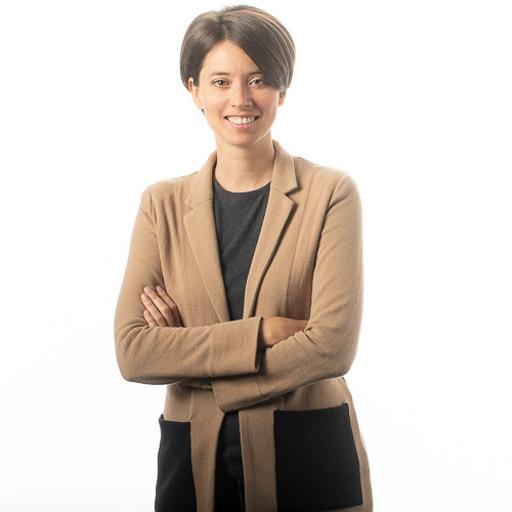
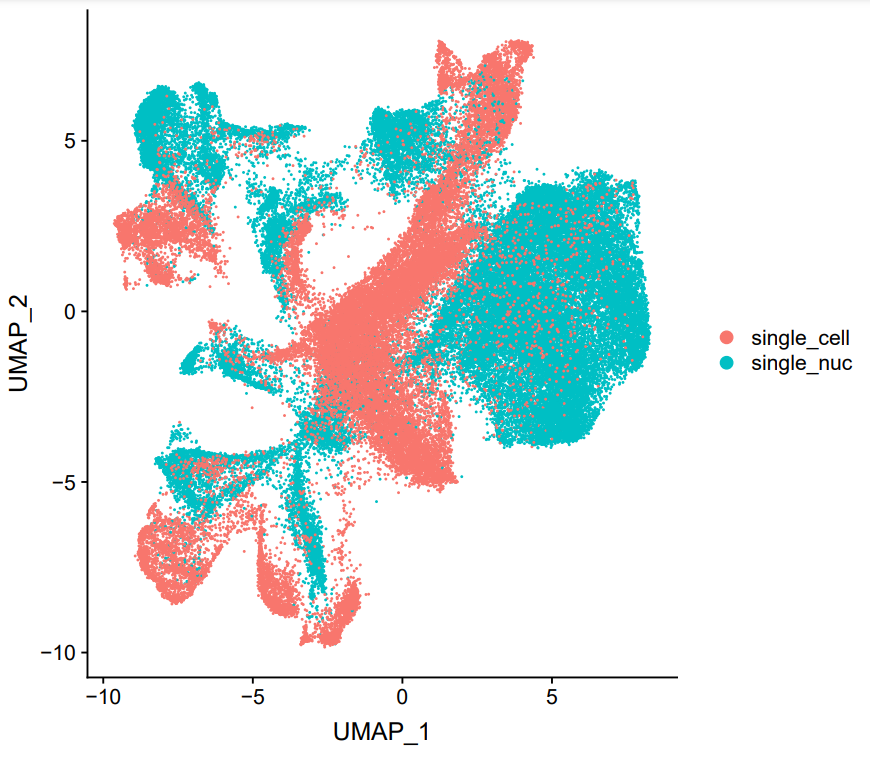
Dr. Tallulah Andrews is an Assistant Professor in the Department of Biochemistry at the University of Western Ontario, where she leads the Andrews Computational Biology Lab. Her research focuses on developing computational methods for analyzing single-cell and spatial transcriptomics data to understand tissue structure and immune context in disease. Dr. Andrews earned her Ph.D. from the University of Oxford, where she used systems biology approaches to study rare genetic diseases. She completed postdoctoral training at both the University Health Network Research in Toronto and the Wellcome Trust Sanger Institute in the UK. She is a long-term member of the Human Cell Atlas initiative. Her research interests center on computational biology and bioinformatics approaches to single-cell and spatial transcriptomics. She develops methods for analyzing single-cell RNA sequencing data, integrating imaging with spatial expression data, and understanding immunological and metabolic dysfunction in diseases. Her work has particular applications in liver diseases, atherosclerosis, and other complex disorders. Analysis of her recent publications reveals a strong focus on methodological development for single-cell analysis, with significant contributions to quality control (EmptyDrops), feature selection (M3Drop), and standardized analysis protocols. Her work bridges computational methodology with biological applications, particularly in liver disease and immune dysfunction. Dr. Andrews supervises a diverse group of students including PhD, MSc, and undergraduate researchers working on projects related to spatial transcriptomics, atherosclerosis analysis, and cell-cell interaction inference. Her collaborative approach is evident through partnerships with research groups at UHN, Northwestern University, Robarts Research Institute, and clinical teams in Toronto. The Andrews lab provides opportunities for students interested in computational biology, bioinformatics, and machine learning applications to biomedical problems. Current projects include developing machine learning models for spatial transcriptomics data, building analysis pipelines for disease-specific scRNAseq data, and integrating multiple omics datasets to understand disease mechanisms.