معرفی
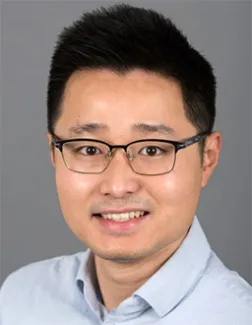
Xin Tang is an Assistant Professor at the Michael Smith Laboratories and the Department of Computer Science in the Faculty of Science at the University of British Columbia. He leads the Tang Lab, which focuses on developing AI models to advance biological understanding at multiple scales and modalities.
- PhD in Engineering Sciences from Harvard University and the Broad Institute of MIT and Harvard
Xin Tang's research spans computational cell biology, brain-computer interfaces, and in silico cellular digital twins. His work integrates explainable and interpretable AI with biological systems to address fundamental questions from molecular interactions to animal behaviors. Key areas include computational omics, multi-modality cell biology, spatio-temporal gene regulation, neuroengineering, and biological large language models. His lab develops autonomous AI approaches that serve as digital twins for biological systems, enabling in silico experiments that guide wet lab research.
Analysis of Tang's recent publications reveals a strong focus on bridging AI and biology across multiple scales. His work spans from molecular and cellular levels (single-cell biology, multi-omics, spatial transcriptomics) to neural systems (brain-computer interfaces, neural activity tracking) and organ-level applications (cardiac interfaces). A consistent theme is the development of explainable and interpretable AI methods that provide mechanistic insights rather than just predictive power. His research has significant implications for understanding development, aging, and diseases like neurodegeneration.
- NSERC Discovery Grant (2025)
- Resource Allocation Competition of Digital Research Alliance of Canada (2025)
Professor Tang actively supervises multiple graduate students, postdoctoral fellows, and undergraduate researchers across UBC's Computer Science, Bioinformatics, and Genome Science and Technology programs. His lab has received significant research funding including an NSERC Discovery Grant. He is committed to interdisciplinary collaboration and has established research partnerships with biologists, engineers, and clinicians to address complex biological questions related to neurodegenerative diseases, heart disease, and aging.
The Tang Lab, located in the Michael Smith Laboratories at UBC, fosters a collaborative environment for researchers interested in AI for biology. The lab actively recruits dry-lab researchers with strong coding and machine learning backgrounds to work on projects spanning computational biology, neuro-inspired AI, explainable AI, biological LLMs, computational omics, and brain-computer interfaces. The lab has a remote work policy that allows flexible arrangements while maintaining strong collaborative ties.