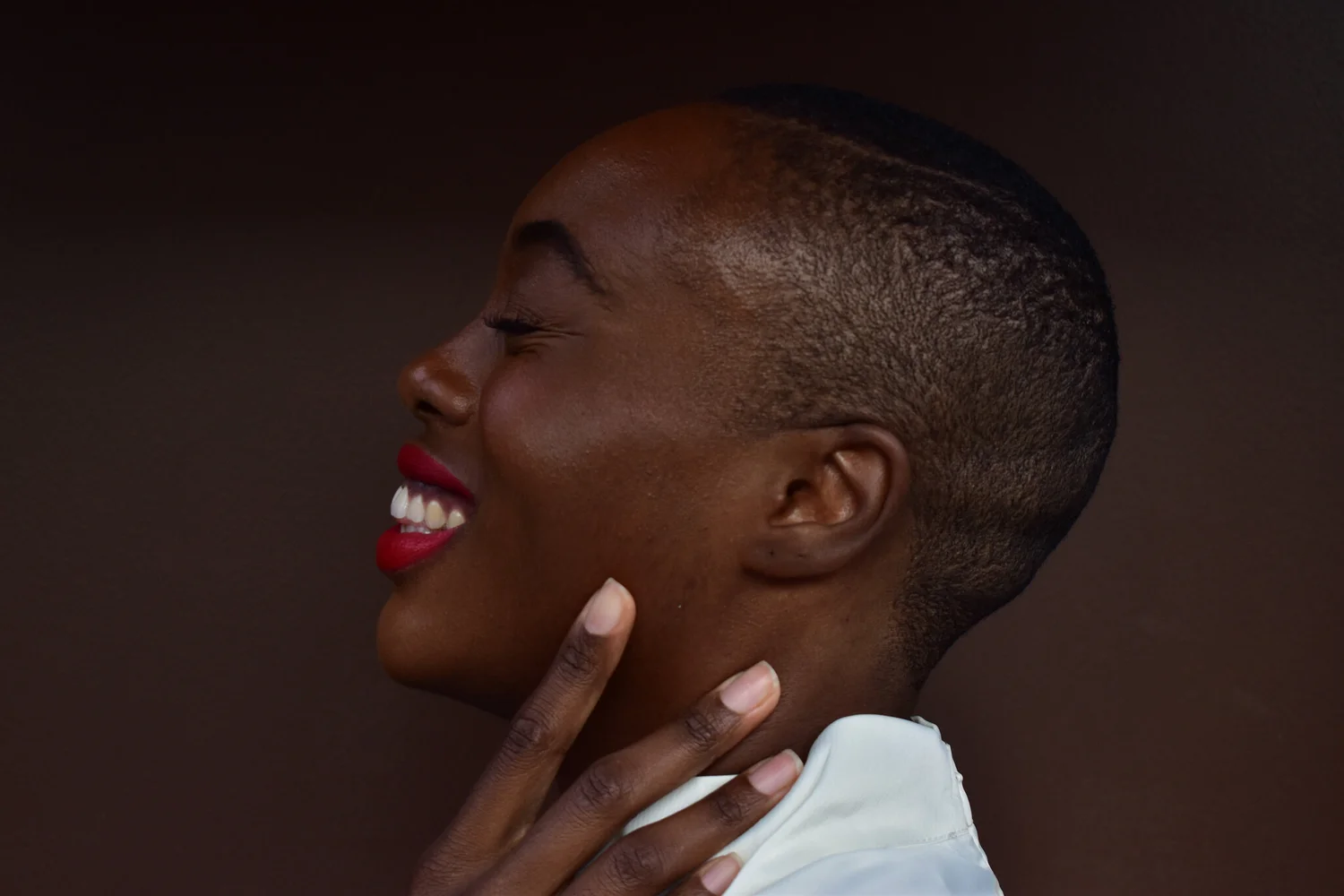
Chelsea Mikael Frazier is an Assistant Professor of African American Literature and Culture in the Department of Literatures in English at Cornell University. A Black feminist ecocritic, her work explores intersections of race, gender, ecology, and spirituality through decolonial frameworks. African American Literature Black Feminist Theory Ecocriticism Yoruba-Diasporic Cosmologies Visual Art Analysis Her recent scholarship examines how Black women artists redefine environmental narratives, blending cosmic symbolism with critiques of Western patriarchy. Publications include analyses of Afro-diasporic cosmologies in visual culture and feminist ecological manifestos. Frazier’s work emphasizes ancestral knowledge systems and the transformative potential of Black feminist creative praxis in reshaping ecological thought.
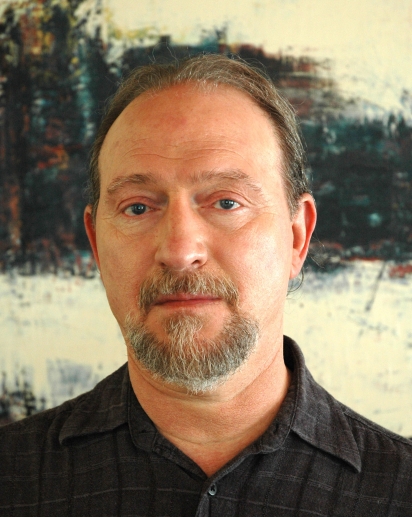
Thomas Ferrara is a Lecturer in the Department of Studio Art at Dartmouth College. Born in Brooklyn, NY, he studied art and architecture at the University of Maryland and Montgomery College. Ferrara worked as a studio assistant to Willem deKooning from 1979–1987 and has exhibited nationally since 1980, with works in international public and private collections. Education: University of Maryland, Montgomery College Role: Lecturer in Studio Art Contact: Thomas.F.Ferrara@dartmouth.edu Ferrara’s research interests span visual arts, focusing on abstract painting, contemporary art, and acrylic techniques. His recent works (2025–2022) explore themes like algorithmic structures, transitory states, and invasion symbolism, blending abstract composition with conceptual narratives. His artworks reflect a dynamic interplay between broad disciplines such as visual arts and digital art, alongside sub-fields including abstract painting, symbolic representation, and interdisciplinary experimentation. No scientific awards are explicitly mentioned in the provided text.
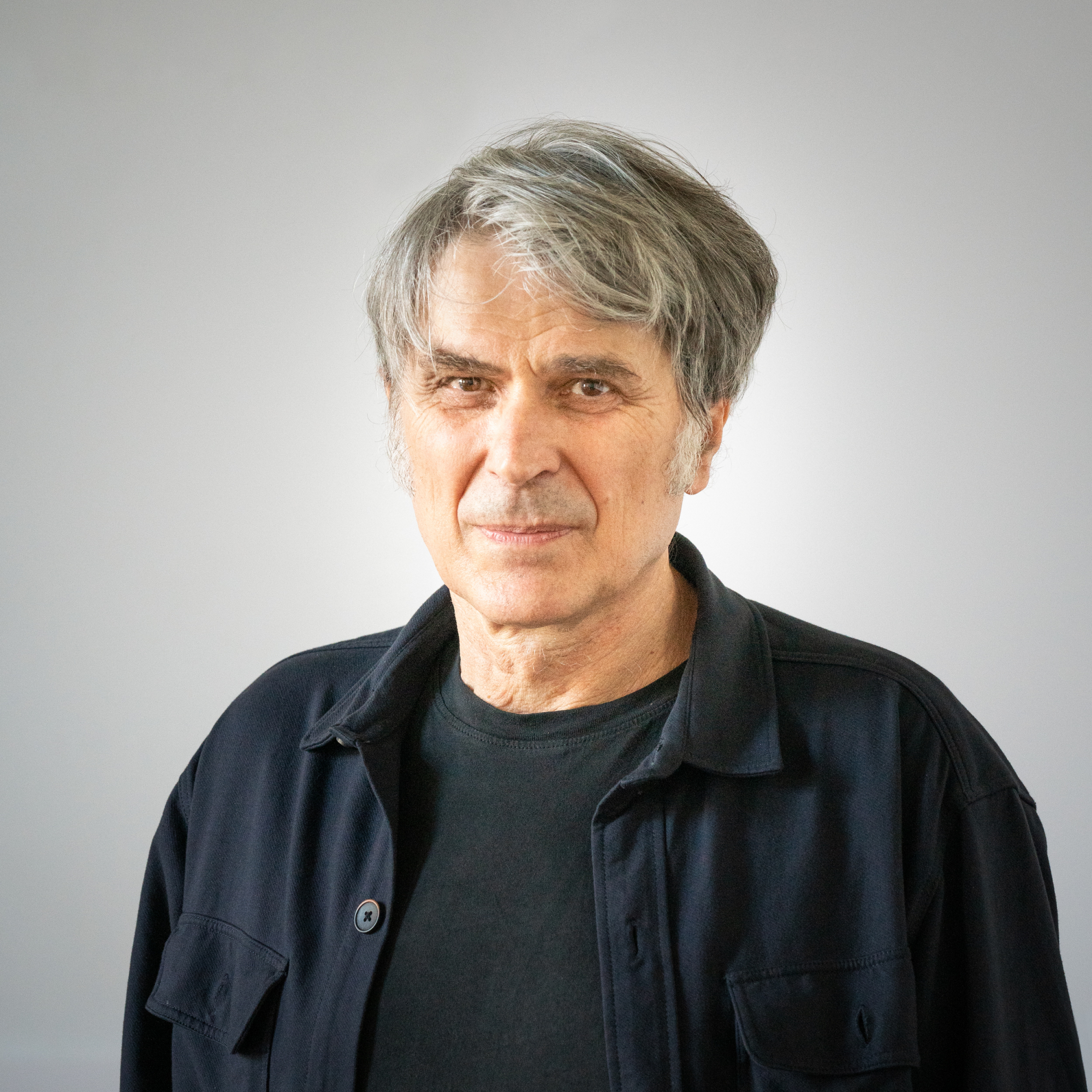
Prof. Dr. Megan R. Luke is a faculty member at the University of Tübingen's Institute of Art History, holding the Professorship Dr. Paul Mellenthin. She is currently on a research sabbatical during Summer Semester 2025. Specializing in modern and contemporary art from the 19th and 20th centuries, her work bridges abstraction, collage, reproductive media, and sculpture studies. B.A., Yale University M.A./Ph.D., Harvard University Previous roles: University of Southern California (tenured since 2017), University of Chicago (Collegiate Assistant Professor) Visiting scholar: Universität Basel, Freie Universität Berlin, Ludwig-Maximilians-Universität Munich Her research explores how reproductive technologies reshaped sculptural understanding, particularly through Max Klinger, Albert Renger-Patzsch, and Carola Giedion-Welcker. She co-edits the journal Photography and Sculpture and serves on the Board of Trustees of the Kurt and Ernst Schwitters Foundation. Getty Foundation's Connecting Art Histories Initiative National Endowment for the Humanities funding William C. Seitz Senior Fellowship (CASVA) Alexander von Humboldt Stiftung Fellowship ACLS Fellowships Prof. Luke has supervised over 20 PhD dissertations on topics including photography history, interwar graphic design, and post-WWII painting. Her research group Images Out of Time examines visual culture in digital contexts, while Modernism's Future Pasts investigates East-Central European abstraction.
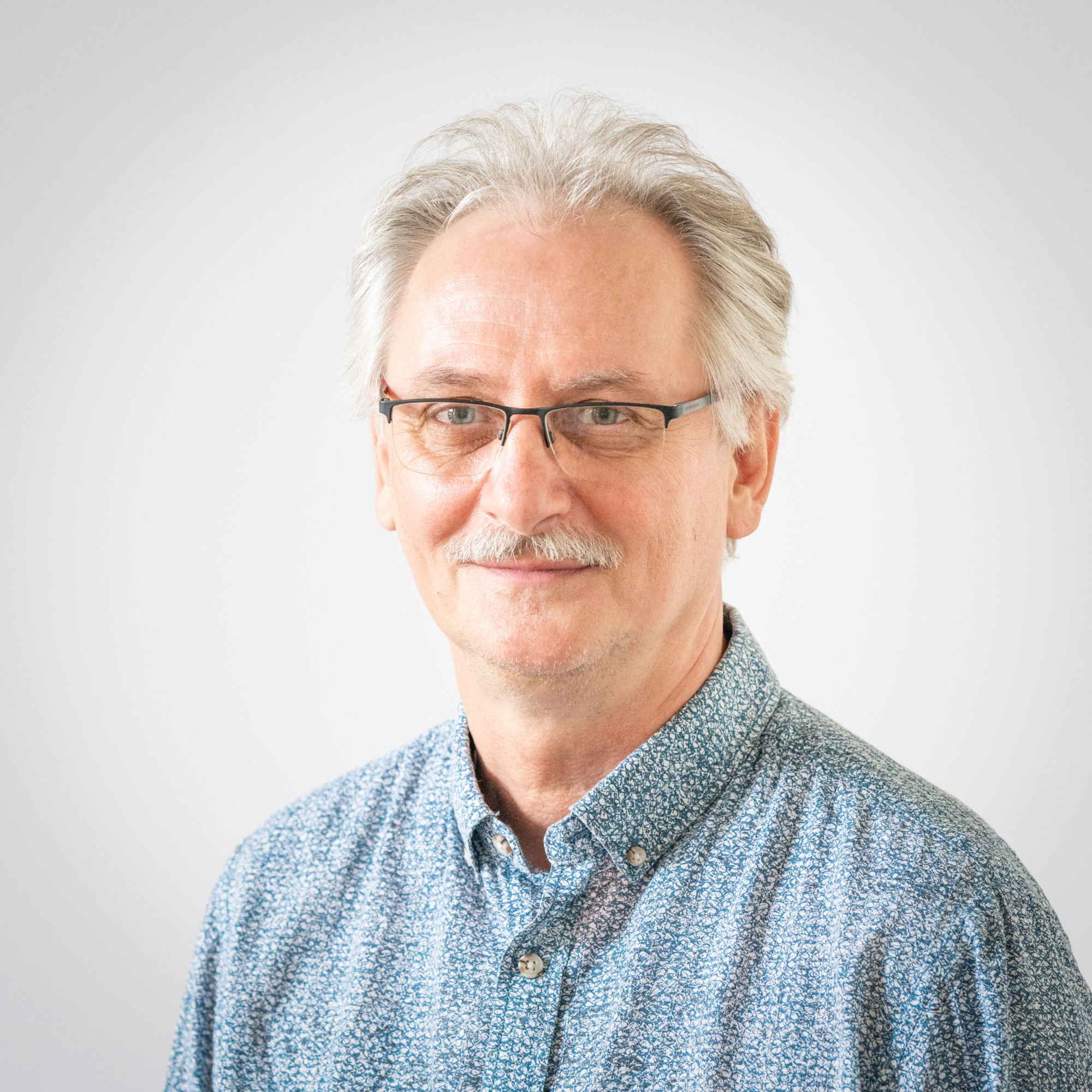
Mariona Moncunill is an artist, researcher, and lecturer at BAU, the Barcelona University Center for Arts and Design, and coordinator of the journal Inmaterial. Design, Art, and Society . She holds a degree in Fine Arts, a Master's degree in Cultural Management from the Universitat de Barcelona, and a PhD in Information and Knowledge Society from the Universitat Oberta de Catalunya. Her research employs hybrid and critical methodologies influenced by sociology, examining how cultural practices create symbolic value and the epistemological foundations shaping social and cultural conventions. She supervises doctoral theses at the confluences between artistic practices and critical social thought. Her work spans installation, video, publications, and conceptual interventions that explore institutional frameworks and cultural representation. Moncunill's recent projects demonstrate a consistent focus on the intersections between industrial landscapes, environmental concerns, and social imaginaries. From examining chemical industry protocols in 'No vagis a buscar els infants a l'escola' to exploring historical material culture in 'A conseqüència d'un llamp,' her work reveals how symbolic meaning is constructed through contextual relationships. Recipient of numerous research grants including Barcelona Crea (2022) and doctoral funding from UOC (2014-17) Active in international artist residencies including Rupert (Vilnius) and HIAP (Helsinki) Exhibited extensively with solo shows across Spain and group exhibitions internationally Her scholarly contributions bridge artistic practice and academic research, creating a distinctive approach that examines the material and symbolic dimensions of cultural production. Moncunill's work consistently engages with questions of representation, institutional frameworks, and the social construction of meaning through artistic research.
Ayşegül Durukan Arslan is an Associate Professor in the Department of Interior Design at Akdeniz University, Faculty of Architecture. Previously, she served as Head of Department at Nişantaşı University and Düzce University. With a career spanning both academia and private sector design, she specializes in cultural heritage, sustainable adaptive reuse, and religious architecture. Her international experience includes projects in the Middle East, Turkic Republics, Africa, the US, and England. Bilkent University - BA in Archaeology Mimar Sinan Fine Arts University - MA & PhD in Interior Design Her research focuses on biophilic design , experiential learning , and cultural heritage preservation . Recent work explores spirituality in religious architecture and inclusive design for individuals with Down syndrome . Articles highlight her expertise in adaptive reuse of historic buildings and spatial storytelling in retail environments. Key themes from her 36+ publications include: Religious and cultural architecture Biophilic and sustainable design Experiential marketing in spatial contexts Heritage conservation methodologies In the private sector, she collaborated with renowned firms like Zaha Hadid Architects and Tabanlıoğlu Mimarlık on major projects including the Haydar Aliyev Cultural Center and Zorlu Shopping Center. Her academic career began at Yeni Yüzyıl University, with subsequent roles at Nişantaşı University, Düzce University, and current position at Akdeniz University since 2019.
Balázs Kicsiny (born 1958 in Salgótarján, Hungary) is a Professor at the Hungarian University of Fine Arts Doctorate School since 2018, where he previously served as Associate Professor (2015-2018) and Senior Lecturer (2005-2015). He chairs the Doctoral Council and has significantly shaped artistic research education in Hungary. Internationally recognized, Kicsiny has exhibited extensively across Europe and the United States, with his work collected by major institutions including the Hungarian National Gallery and Ludwig Museum. His educational background includes: 1982: Painter and high school teacher diploma, Hungarian Academy of Fine Arts 1985: Mural diploma, Hungarian Academy of Fine Arts 2008: Doctor of Liberal Arts (DLA), Hungarian Academy of Fine Arts 2014: Habilitation, Hungarian Academy of Fine Arts Kicsiny's research centers on the representation of time in art, exploring how temporal and spatial distances collapse in contemporary experience. His doctoral dissertation 'Clock motif and eschatology' examined measurable versus immeasurable time, while his habilitation focused on Giorgio de Chirico's metaphysical paintings in relation to Nietzsche, Kafka, and Proust. He investigates performative art, particularly Alan Kaprow's happenings as moral acts, and the work of György Román. His conceptual installations often employ anthropomorphic figures to explore existential situations through absurdist juxtapositions. His recent exhibition series 'Killing Time' (2012-2014) and 'Time-Wasting' (2021) demonstrate his ongoing preoccupation with temporal perception and the philosophical implications of waiting. Kicsiny's work consistently bridges tragedy and comedy, creating polyphonic art that can be interpreted in multiple ways. His installations often feature timeless, faceless figures that embody human situations rather than specific individuals, inviting viewers to reflect on broader existential conditions rather than personal narratives. His scientific achievements include: 2023: Member of the Széchenyi Academy of Letters and Arts 2005: Officer's Cross of the Order of Merit of the Republic of Hungary 2002: New Work and Commissions Grant, Art Council of England 2000: Year of the Artist Grant, Art Council of England 1993: Smohay Award 1992: Munkácsy State Art Award As an educator, Kicsiny has mentored doctoral students in artistic research, emphasizing the balance between creative practice and theoretical discourse. His teaching philosophy focuses on developing students' intellectual mobility and research methodologies within contemporary art discourse. He has organized international collaborations between Hungarian and foreign doctoral schools, facilitating exchanges that enrich artistic research methodologies. His grants include the Freund Visiting Artist Fellowship (2011/2012) at Washington University, which supported cross-cultural artistic dialogue. Kicsiny's work functions as an independent creative laboratory where conceptual frameworks meet physical installation. His practice operates at the intersection of philosophy, art history, and contemporary practice, creating what he terms 'anthropoid templates' - figures that embody conceptual situations rather than specific identities. This approach allows his installations to serve as sites of philosophical inquiry where viewers confront fundamental questions about existence, time, and human experience through carefully constructed visual metaphors.
Attila Auth serves as Associate Professor and Head of the Department of Design Graphics at the Hungarian University of Fine Arts, where he has taught continuously since 1989. He also leads the Graphic Design Specialization program and directs the university's Graphic Arts and Applied Arts Vocational School. His professional practice spans corporate identity systems, emblem design, and wayfinding solutions for major Hungarian institutions including Budapest Airport, the Budapest Metro, and numerous cultural venues. Education: Pécs Art School (Advertising Graphics), 1979 Graphic Artist and Teacher Diploma under Crescencia Zelenák and Gábor Nagy, 1987 Master's Program completion at Hungarian University of Fine Arts Auth's research focuses on the intersection of functional design and cultural expression in public spaces. He pioneers systematic approaches to visual communication where typography, emblem design, and wayfinding systems create cohesive identities for complex environments. His work demonstrates how historical design principles from the Bauhaus movement inform contemporary solutions for transportation hubs, cultural institutions, and urban landscapes. He emphasizes the social responsibility of designers in creating accessible, culturally resonant visual systems that serve diverse publics. His recent publications and exhibitions reveal consistent engagement with design history's influence on contemporary practice. The Bauhaus 100 and Moholy-Nagy 125 projects demonstrate his scholarly interest in modernist legacies, while National Biennale catalogs document evolving Hungarian design trends. His work shows particular strength in translating historical typography principles into modern signage systems and corporate identities that balance aesthetic innovation with functional clarity. Scientific Awards: Liget Budapest Project Corporate Identity Competition Third Prize (2018) BrandMake Emblem Competition First Prize (2011) Ozone Network and Life Network Media Emblem Competition First Prize (2008) Opera House Logo Competition First Prize (2008) EU Prize for Cultural Heritage Europa Nostra Medal (2007) 15th National Graphic Design Biennale Grand Prize (2006) Ministry of National Cultural Heritage Ferenczy Noémi Award (2005) Multiple Hungarian Graphic Studios Association Golden Drawing Angle Awards Postabank Logo Competition First Prize (1989) As an educator since 1989, Auth has shaped generations of Hungarian designers through his teaching of lettering, typography, and design studio practice. He serves on the University Admission Committee and Diploma Jury Committee, while his professional leadership includes presidency of the Design Graphics Department at the Hungarian Association of Fine and Applied Artists since 2015. His curatorial work for National Biennales and Golden Drawing Angle exhibitions fosters design community development. Auth bridges academic theory and professional practice through commissioned projects that transform theoretical frameworks into real-world applications for clients ranging from transportation authorities to cultural institutions. His collaborative networks include the Hungarian Association of Design Graphic Artists and Typographers (MATT), where he has served on the board since 2012, and the Hungarian Graphic Studios Association. These professional affiliations enable knowledge exchange between academic research and industry practice, particularly in standard-setting for public signage systems and corporate identity development across Hungary's cultural infrastructure.
János Sturcz (born May 10, 1958) serves as Associate Professor and Head of the Department of Art History at the Hungarian University of Fine Arts, where he has taught 20th-century and contemporary art history since 1995. His career spans academic research, international curation, and critical analysis of Central and Eastern European art movements. His educational trajectory includes: 1982: Art History degree (thesis on Lajos Fülep's early art philosophy) 1988: Postgraduate studies at New York University under Robert Rosenblum (Soros scholarship) Sturcz's research centers on philosophy of art with emphasis on turn-of-the-century Hungarian thought, contemporary art history across Central/Eastern Europe and America, and women's art practices . His influential 1998 critique of Hungarian art institutions sparked significant debate, while his 1999 Venice Biennale curation introduced "sensual conceptuality" to international audiences. His scholarship bridges theoretical frameworks with analysis of emerging artists, particularly examining body metaphors and globalization's impact on regional art scenes. Analysis of his recent publications reveals sustained engagement with monochrome painting , conceptual painting traditions , and globalization's artistic responses . His work consistently explores tensions between historical continuity and radical innovation, particularly in post-socialist contexts where he examines how artists negotiate tradition while developing new visual languages. His scientific recognition includes: Lajos Németh Prize (2006) Sturcz has secured significant research funding including Open Society grants for women's art studies (1997-99) and Fulbright support for American art analysis. He has served on international juries for ISTROART Biennial and Essl Prize, while his curatorial work spans Delhi Triennial (2005), Venice Biennale (1999, 2005), and major exhibitions at Budapest's Műcsarnok. His leadership extends to the Derkovits Gyula Fine Arts Scholarship board since 2005. His institutional impact is evident through the Department of Art History where he mentors emerging scholars while maintaining active connections with Stockholm's Konstfack and Oslo's art academies through guest lectureships. His research projects consistently foster transnational dialogue, particularly between Central European and global contemporary art networks.
Lucia Kilger is Professor of Composition and Sound Design for Digital Media at KreativInstitut.OWL, where she collaborates with interdisciplinary teams to develop innovative projects at the intersection of artistic practice, technology, and education. Her work emphasizes team-oriented creation with the belief that 'with the right team, things that are unimaginable on your own suddenly become tangible.' Her academic background includes: Concert Exam in Composition - University of Music and Dance Cologne (2020-2022) Master's in Sound Direction - University of Music and Performing Arts Frankfurt (2019) Master's in Electronic Composition - University of Music and Dance Cologne (2017) Bachelor of Music Design - Trossingen University of Music (2011) IHK training in media design, image and sound Kilger's research focuses on the integration of composition, sound design, and digital technologies, with particular expertise in intermedia formats, electronic music, and digital humanities. Her creative practice explores the boundaries between acoustic and electronic sound, reality and virtuality, often creating immersive experiences through spatialized audio and multimedia integration. She specializes in developing works for unconventional performance contexts including digital spaces, video walks, and site-specific installations. Her recent compositions reveal a clear trajectory toward increasingly sophisticated digital integration, with works like 'smonize' (2024) - commissioned as the first digital space work by Donaueschinger Musiktage - demonstrating her leadership in creating for virtual environments. The thematic elements across her work frequently explore transformation, fluidity of form, and the interplay between organic and technological elements. As an educator, Kilger holds a teaching assignment at the State University of Music Trossingen since 2022 while maintaining her professorship at KreativInstitut.OWL. Her professional practice as a freelance composer and sound director directly informs her academic work, creating a dynamic exchange between theory and practice. Her collaborative projects typically involve interdisciplinary teams including performers, technicians, costume designers, and other specialists, reflecting her commitment to collective creation. Notable collaborations include work with performers like Lina Andonovska, Carlos Cordeiro, and Ria Rehfuß across multiple productions.
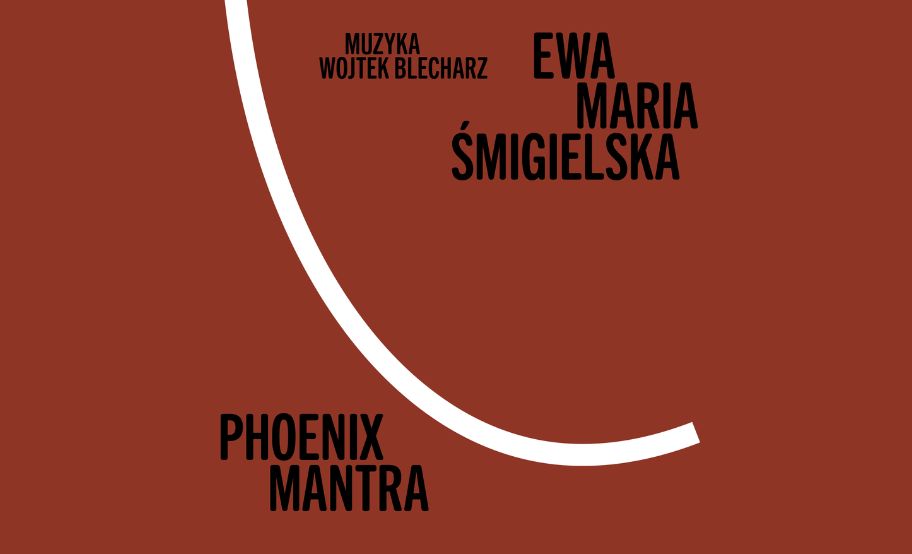
Dr. Ewa Maria Śmigielska is a contemporary sculptor and installation artist working at the Faculty of Design at the Academy of Fine Arts in Warsaw. Born in Warsaw in 1987, she completed her studies with distinction at the Faculty of Sculpture, specializing in Audiovisual Space Studio under Professor Grzegorz Kowalski. In 2019, she earned her PhD in visual arts and conservation of works of art from the same institution. Her artistic practice spans drawing, sculpture, video, installation, and scenography, with a focus on cross-cultural dialogues between Eastern and Western artistic traditions. Her research interests revolve around cultural and formal syncretism , often emerging from postcolonial critique. Śmigielska's work integrates elements referencing various cultures, temporal orders, and sensory experiences, juxtaposing emblems of Far Eastern culture with raw materials associated with contemporary urban aesthetics. Her installations create performative spaces that invite viewer participation, emotional engagement, and transformative experiences. She explores themes of spiritual transformation, urban identity, and the intersection of traditional symbolism with modern materials like mirrors, neon signs, and sheet metal. Śmigielska's recent artistic output demonstrates consistent exploration of sound installations and participatory art, with her 2024 exhibition 'Phoenix Mantra' representing the culmination of these interests. This sound installation, featuring music by Wojtek Blecharz, transforms space into a ritual journey toward spiritual renewal, connecting viewers with historical contexts of Warsaw's Wawelberg Colony. Her work shows a clear trajectory from earlier explorations of Chinese mythology in 'Follow the Dragon' (2021) toward more complex multisensory environments that bridge cultural divides. Scholarship from ZAiKS (Fundusz Popierania Twórczości Stowarzyszenia Autorów ZAiKS) As an educator and cultural ambassador, Śmigielska has served as a lecturer at the Sichuan Fine Arts Institute in China, fostering Polish-Chinese artistic understanding. She has curated numerous exhibitions both in Poland and internationally, demonstrating strong organizational skills and cross-cultural communication abilities. Her collaborative work with composer Wojtek Blecharz on projects like 'Transkryptum' and 'Phoenix Mantra' highlights her interdisciplinary approach and ability to secure artistic partnerships. Śmigielska actively participates in artistic collectives like Inne Towarzystwo in Warsaw, which provides alternative exhibition spaces for experimental work. Her current projects at the Open Colony in Wola demonstrate engagement with community-based art practices and historical memory, transforming urban spaces into sites of collective healing and cultural dialogue. Her work with the Polish Sculpture Center in Orońsko shows institutional collaboration that supports large-scale artistic production.
Klaus Kleine is a contemporary German artist and educator currently serving as a Teacher for special tasks in the Department of Fine Arts at Alanus University. Born in 1974 in Olpe-Biggesee, he lives and works in Cologne, Germany, where he has developed a significant career in sculptural installation art. His artistic practice centers on expansive installations that transform architectural spaces through the use of "poor" industrial materials. Kleine's work creates ephemeral yet meaningful spatial experiences that engage viewers in what critic Dr. Gerhard Kolberg describes as "creative memory work." His installations often explore the dialogue between interior and exterior spaces, human scale, and architectural principles, as evidenced in works like "THE PERGOLA PRINCIPLE" (2011) at Cologne's Fuhrwerkswaage art space. The trajectory of Kleine's work demonstrates a consistent focus on spatial interventions that challenge conventional architectural expectations while maintaining a deep connection to human experience. His 2022 monograph "EARTH" documents over a decade of work that translates meaningful concepts into valid contemporary forms—"not restoratively, not nostalgically, nor with a claim to eternity, but gently," as Dr. Susanne Schulte noted in the GWK Sponsorship Prize catalogue. 2024 Kunstfonds Arbeitsstipendium, Stiftung Kunstfonds Bonn 2022 Katalogförderung Stiftung Kunstfonds Bonn 2021 Projektförderung "Modul-C" des Bundesministeriums für Kultur und Medien 2014-15 Berlin-Stipendiat (Junge Akademie) der Akademie der Künste Berlin 2009 Förderpreisträger bildende Kunst, GWK Münster Throughout his career, Kleine has maintained an active exhibition schedule with numerous solo and group exhibitions across Germany and internationally. His work with institutions like the Academy of Arts Berlin, Museum Kunstpalast Düsseldorf, and international venues in Israel, Italy, and Korea demonstrates a significant contribution to contemporary art discourse. His teaching position at Alanus University allows him to bridge professional artistic practice with academic instruction, sharing his expertise in spatial concepts and installation art with emerging artists.
Holger Jacobs serves as Professor and Chair of the Departmental Council for Typography / Design at HSD University of Applied Sciences in Düsseldorf. A German-English typographer and graphic designer, he has shaped experimental typography education since 2011 while investigating the relationship between body and text through his teaching and research. His research focuses on the physical and conceptual intersection of language and typography, emphasizing how textual forms interact with human embodiment. Jacobs explores sculptural poetry, ambiguous bodies in typographic expression, and the translation of bodily movement into written forms. His work challenges conventional boundaries between reading, writing, and physical experience through projects examining textual traces, chromatic illusions, and fluid typographic bodies. Scientific awards include none documented in the provided materials. Jacobs previously ran the multidisciplinary Mind Design studio in London for 20 years before largely stepping away from commercial work in 2017 at age 50 to concentrate on academic pursuits. He has supervised numerous student projects spanning typographic experiments, urban atmospheres, and experimental publications. His teaching fosters innovative approaches to typography through workshops like Type Club, Type Cast, and Folding Type Animations. Jacobs has guided students in creating diverse works including woodworm text experiments, empathy flow videos, and typographic installations that transform spatial relationships. His influence extends through student exhibitions such as Werkschau 2024 and Body-Text-Bodytext exhibitions that demonstrate the physical dimensions of textual communication.
Angela Clemens serves as Professor at Flensburg University of Applied Sciences within the School of Information and Communication. Her academic responsibilities span teaching in Media Informatics, Design, Film & Marketing, and System Technology programs. She leads significant institutional initiatives including the CIVU – Center for Interaction, Visualization and Usability and TechStartUp@HS-Flensburg (TeStUp), while serving as contact person for the DesignLab. Human-Computer Interaction Intermedial Design Brand Design Light Art Product Design Maritime Cultural Installations Professor Clemens' creative output manifests primarily through art installations and photographic exhibitions that explore the boundaries between interior and exterior spaces, often incorporating maritime cultural contexts. Her recent work demonstrates a consistent focus on transforming ordinary objects and spaces through contextual repositioning, creating surreal experiences that challenge conventional spatial perceptions. The research trajectory reveals progressive integration of technological elements with traditional design disciplines, particularly evident in her light-based installations and interactive spatial designs. Her leadership extends to institutional innovation through the TechStartUp initiative and DesignLab collaborations, where academic research directly informs product development for startups. The CIVU center under her guidance represents a multidisciplinary approach to solving complex interaction and visualization challenges.
Blažej Baláž is a Professor and Head of the Department of Fine Arts Pedagogy at the Faculty of Education, Trnava University. He has taught at the university since 1994 and serves as creator and guarantor of the Animation of Fine Arts and Pedagogy of Fine Arts study programs. Education: Academy of Fine Arts in Bratislava (1977-1983) Habilitated as Associate Professor in Fine Arts at Academy of Fine Arts in Bratislava (1996) Prof. Baláž's artistic research centers on contemporary practices including political, environmental, and activist art through neo-conceptual frameworks. His work integrates postmodern strategies across painting, graphics, performance, mail art, and intermedia installations, critically engaging with social justice, ecological crises, and feminist discourse through spatial, performative, and activist methodologies. Scientific Awards: Award of the Union of Fine Artists of the Czech Republic, 9th International Biennial of Drawing, Pilsen, 2014 Special Award by the Jury, Osten Biennial of Drawing, Skopje, 2016 As an educator, Prof. Baláž directs the intermedia studio and studio of contemporary tendencies, where students master diverse media techniques and visual coding systems. His pedagogy emphasizes applying contemporary art strategies in political, ecological, and social contexts through medial experimentation, spatial interventions, and activist frameworks that challenge traditional artistic boundaries.
Peter V. Swendsen is an Associate Professor of Computer Music and Digital Arts at the Oberlin Conservatory of Music, part of Oberlin College. His work bridges music composition, digital arts, and interdisciplinary performance, often collaborating with dance and visual media. He holds a Ph.D. from the University of Virginia, an MFA from Mills College, and a BM from Oberlin Conservatory. Swendsen's research focuses on soundscape composition, ecoacoustics, and interactive technologies. Notable projects include What Noises Remain (a multimedia piece with Jennifer Torrence) and scores for dance works like Valence and LUNA . His compositions blend live instruments with electronics, emphasizing spatial and environmental themes. Teaching highlights include courses on electroacoustic music, real-time performance, and interdisciplinary collaborations. He has mentored over 20 students listed on his site, many of whom continue in music composition and performance fields. His work has been presented globally, including at the International Computer Music Conference (ICMC) and festivals in Europe, Asia, and the Americas. Swendsen’s creative output spans film scores, chamber music, and installations. Recent works include Fireboys (2020 documentary soundtrack) and How Forests Think (2020 album liner notes). He actively engages with community outreach, including workshops for K-12 students and collaborations with institutions like the Cleveland Clinic and GroundWorks Dance Theater.