معرفی
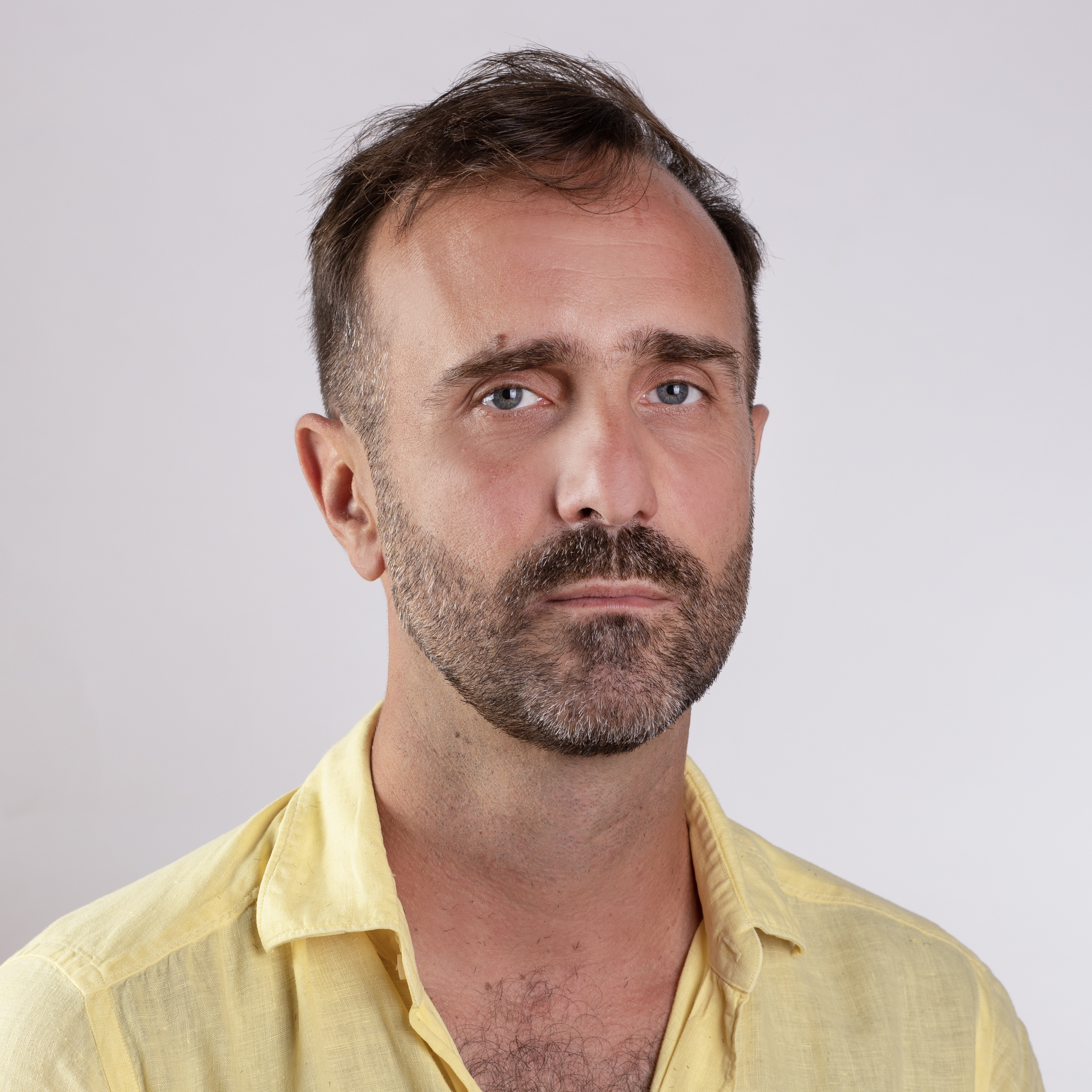
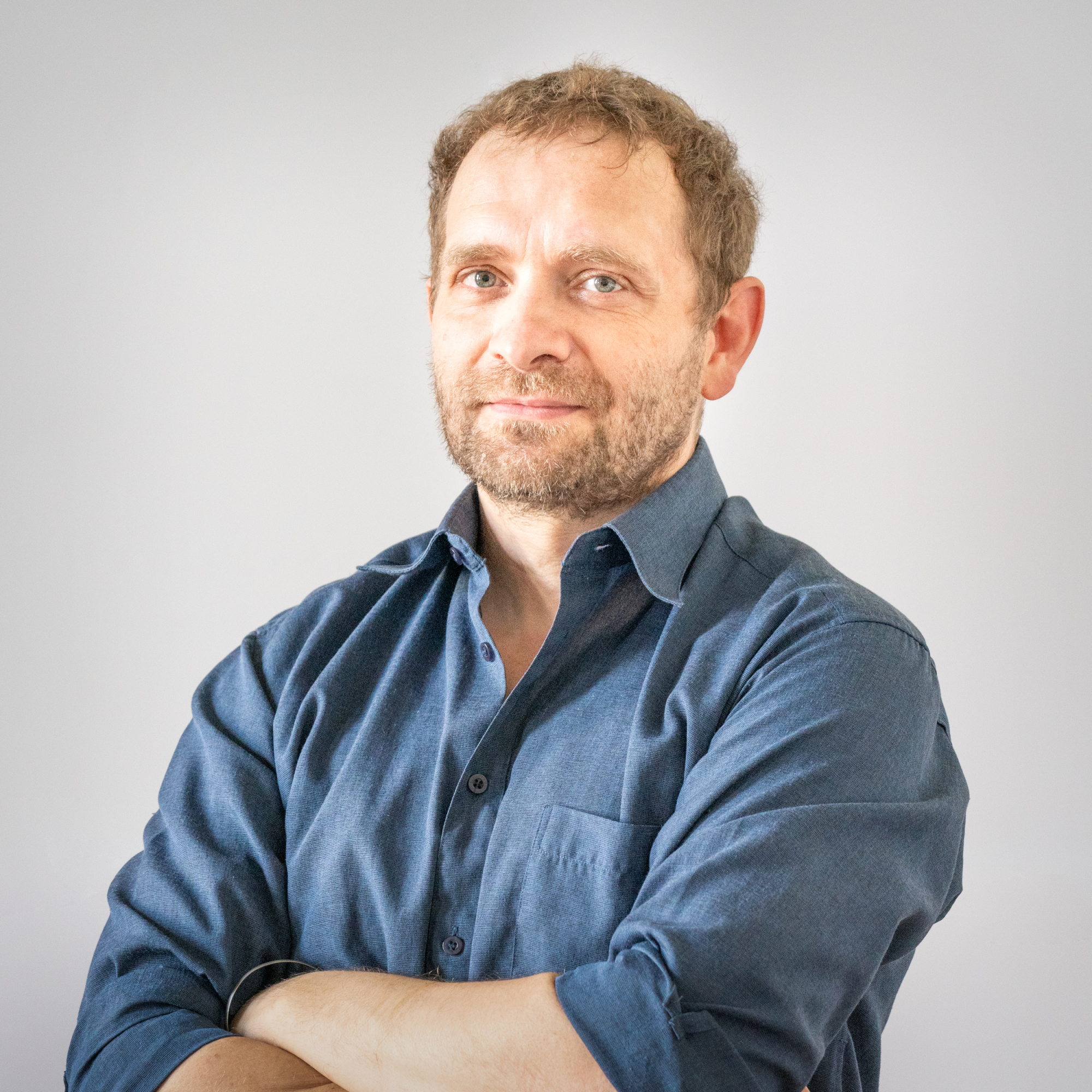
János Sturcz (born May 10, 1958) serves as Associate Professor and Head of the Department of Art History at the Hungarian University of Fine Arts, where he has taught 20th-century and contemporary art history since 1995. His career spans academic research, international curation, and critical analysis of Central and Eastern European art movements.
His educational trajectory includes:
- 1982: Art History degree (thesis on Lajos Fülep's early art philosophy)
- 1988: Postgraduate studies at New York University under Robert Rosenblum (Soros scholarship)
Sturcz's research centers on philosophy of art with emphasis on turn-of-the-century Hungarian thought, contemporary art history across Central/Eastern Europe and America, and women's art practices. His influential 1998 critique of Hungarian art institutions sparked significant debate, while his 1999 Venice Biennale curation introduced "sensual conceptuality" to international audiences. His scholarship bridges theoretical frameworks with analysis of emerging artists, particularly examining body metaphors and globalization's impact on regional art scenes.
Analysis of his recent publications reveals sustained engagement with monochrome painting, conceptual painting traditions, and globalization's artistic responses. His work consistently explores tensions between historical continuity and radical innovation, particularly in post-socialist contexts where he examines how artists negotiate tradition while developing new visual languages.
His scientific recognition includes:
- Lajos Németh Prize (2006)
Sturcz has secured significant research funding including Open Society grants for women's art studies (1997-99) and Fulbright support for American art analysis. He has served on international juries for ISTROART Biennial and Essl Prize, while his curatorial work spans Delhi Triennial (2005), Venice Biennale (1999, 2005), and major exhibitions at Budapest's Műcsarnok. His leadership extends to the Derkovits Gyula Fine Arts Scholarship board since 2005.
His institutional impact is evident through the Department of Art History where he mentors emerging scholars while maintaining active connections with Stockholm's Konstfack and Oslo's art academies through guest lectureships. His research projects consistently foster transnational dialogue, particularly between Central European and global contemporary art networks.