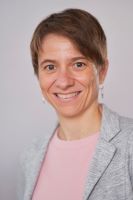
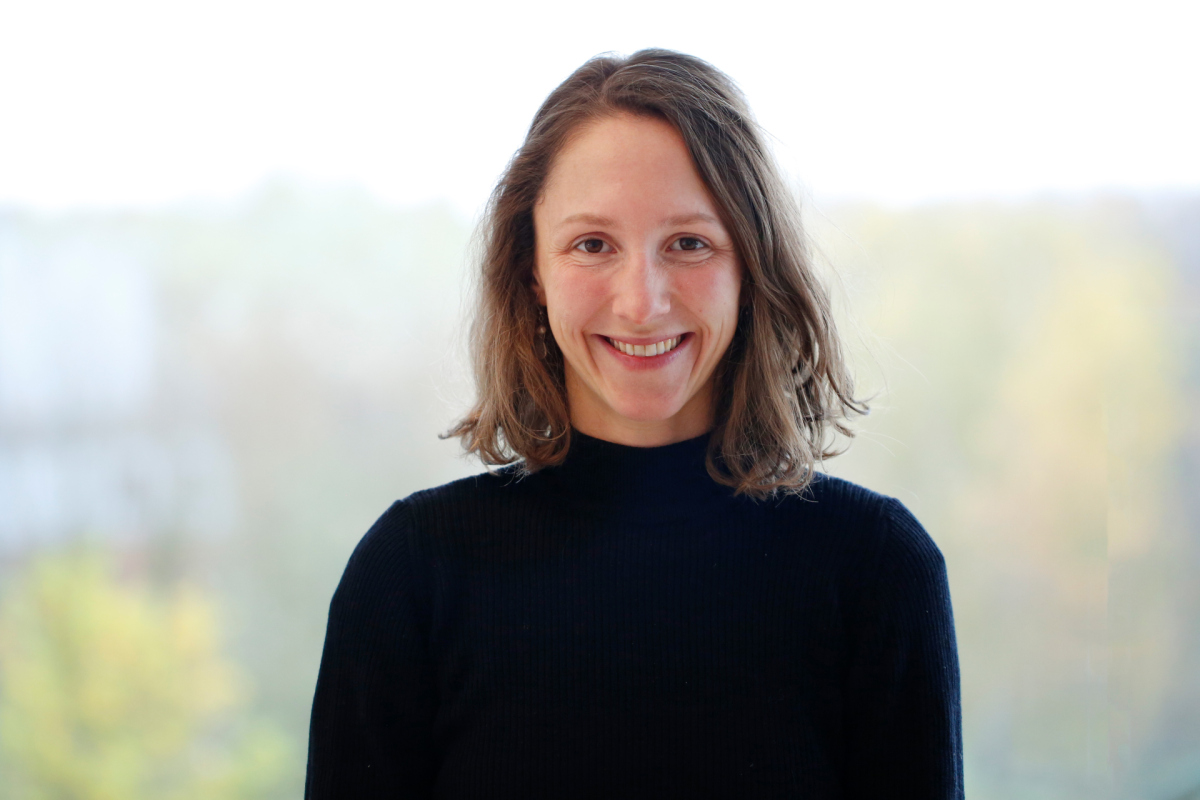
Prof. Dr. Barbara Schraml leads the Schraml Lab at the Institute of Immunology, Biomedical Center Munich (LMU Munich). Her research focuses on dendritic cell biology, particularly age-dependent differences in neonatal immunity, type 2 immunity regulation, and developmental heterogeneity of immune cells. PhD from Washington University in St. Louis EMBO Long Term Fellowship ERC Starting Grant DFG Emmy-Noether Programme Funding Recent work explores RORγt-expressing dendritic cells, kidney immune regulation, and perinatal immune topology. Her lab actively participates in international conferences and collaborates on projects like the TRR359 Collaborative Research Center. 2024: Published PNAS paper on DC heterogeneity 2024: Move to Biomedical Center Munich 2022: Tenure at LMU Munich Barbara Schraml's team includes doctoral researchers Dogus Altunöz, Pin-Yu Kuo, Hamsa Narasimhan, Kaushikk Ravi Rengarajan, Mert Meydanci, Ramin Shakiba, and postdoctoral researcher Sadiq Nasrah.
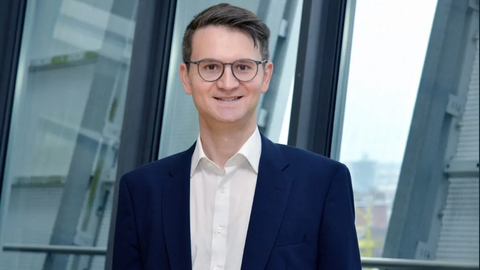
Herbert Schiller is a Director of the Research Unit for Precision Regenerative Medicine (PRM) at Helmholtz Munich and a Professor for Systems Biology of the Airways and Lungs at the Medical Faculty of Ludwig Maximilian University (LMU) Munich. Previously, he served as Deputy Director of the Institute of Lung Health and Immunity (LHI) and held adjunct faculty positions at the Institute of Lung Health in Giessen, Germany. M.Sc. in Biology and Genetics (University of Vienna, 2004-2008) Ph.D. in Molecular Immunology (Medical University of Vienna, 2008) Postdoctoral training at Max Planck Institute of Biochemistry (2009-2015) His research focuses on extending human healthspan by studying genetic and environmental drivers of chronic lung disease and aging through experimental systems biology and AI-driven approaches. Key areas include: Pulmonary systems biology Regenerative medicine and stem cell biology Extracellular matrix and mechanobiology Single-cell genomics Biology of aging and autoimmune diseases His work emphasizes cross-disciplinary methods like human lung organotypic models and mass spectrometry proteomics. Research trends include lung fibrosis mechanisms, integrin-mediated mechanosensing, and AI applications in chronic disease modeling. Scientific distinctions include: W2 Professorship at LMU Munich Dick Heinegard European Young Investigator Award Helmholtz Young Investigator award German Respiratory Society (DGP) research prize EMBO long term fellowship He has secured research grants from the German Research Foundation (DFG), Chan Zuckerberg Initiative (CZI), and the European Commission. His lab employs cutting-edge single-cell RNA-seq, proteomics, and ex vivo tissue perturbation techniques to elucidate lung disease mechanisms.
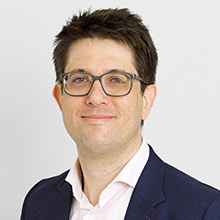
Prof. Kai Markus Schneider is a Full Professor of Molecular Gastroenterology and Hepatology at Dresden University of Technology, where he leads the Experimental Gastroenterology and Organ Crosstalk research group at the Center for Regenerative Therapies Dresden (CRTD) and Else Kröner Fresenius Center for Digital Health. He also serves as a Senior Physician in the Department of Medicine I at University Hospital Dresden. His research focuses on understanding the molecular circuitry of cellular and inter-organ communication, particularly the interactions between the gut, microbiome, liver, and nervous system. Using advanced techniques like functional genomics, metabolomics, and computational biology, his lab investigates how neuroimmune signals drive chronic inflammation and how organ systems interact in disease processes. Key discoveries include identifying a molecular mechanism by which psychological stress amplifies inflammatory responses in IBD and discovering a novel glial cell population that promotes inflammation. Prof. Schneider's publication record demonstrates strong momentum with recent papers in Cell (2023), Nature Communications (2021-2023), and Nature Metabolism (2021), focusing on microbiota modulation, neuro-immune interactions, and liver disease mechanisms. His work bridges basic science with clinical applications through analysis of large patient cohorts including UK Biobank and Penn Medicine Biobank. Scientific Recognition Publications in top-tier journals including Cell, Nature Communications, and Nature Metabolism Research funded by European and German institutions Leadership of interdisciplinary research group at CRTD Prof. Schneider actively mentors students and researchers, with current team members including postdocs, predocs, technicians, and international students. His lab utilizes state-of-the-art methodologies including single-cell and spatial transcriptomics, microbiome analyses, confocal microscopy, and advanced computational approaches to study complex disease mechanisms. The lab maintains strong connections between basic research and clinical translation, applying findings from experimental models to human disease contexts.
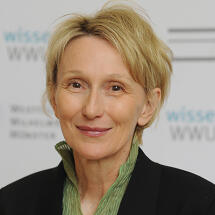
Lydia Sorokin is a Professor at the Institute of Physiological Chemistry and Pathobiochemistry within the University of Münster , Germany. She serves as Spokesperson for the Cells in Motion Interfaculty Centre and actively contributes to the Imaging Network and CiM-IMPRS graduate program . Research Focus: Cell-matrix interactions, leukocyte extravasation, blood vessel biology, secondary lymphoid organs, and neuroinflammatory processes. Key Contributions: Elucidating laminin functions in vascular integrity, neuroinflammatory disease mechanisms, and extracellular matrix regulation of immune cell migration. Publication Trends: Recent studies (2022-2024) explore CNS macrophage heterogeneity , endothelial-laminin interactions , and neurovascular unit dysfunction in diseases like multiple sclerosis and cerebral small vessel disease. Earlier work (2012-2020) established roles for laminins and matrix metalloproteinases in blood-brain barrier regulation, immune cell trafficking, and tissue-specific matrix responses. Collaborations & Networks: Active in Cells in Motion , Imaging Network , and CiM-IMPRS graduate program. Collaborates with institutions across Europe on neurovascular and immunology research. Contact: sorokin@uni-muenster.de
Dr. Michael Melzer is Head of the Research Group Structural Cell Biology at the Leibniz Institute of Plant Genetics and Crop Plant Research (IPK) in Gatersleben, Germany, a position he has held since 1999. His research focuses on plant cell structure and function, particularly in barley and related cereal crops, with emphasis on cellular mechanisms underlying stress responses, photosynthesis, and developmental processes. Dr. Melzer earned his PhD from Julius-Maximilians-Universität Würzburg (1990-1995), following a Diploma degree from University of Konstanz (1987-1990) and an Intermediate diploma from University of Regensburg (1984-1986). After completing his doctoral studies, he conducted postdoctoral research at IPK Gatersleben from 1995 to 1998 before establishing his independent research group. His research program investigates fundamental cellular processes in plants, with particular focus on chloroplast biology, vascular development in cereal spikes, grain quality traits, and molecular mechanisms of drought tolerance. Recent work employs advanced techniques including single-nuclei sequencing, multi-omics approaches, and detailed anatomical analyses to understand cell-type specific functions in plant stress responses and development. His laboratory has made significant contributions to understanding strigolactone signaling in drought response, vitamin biosynthesis in chloroplasts, and the cellular basis of barley grain development. Analysis of Dr. Melzer's publication record reveals a consistent research trajectory focused on plant cell biology with increasing emphasis on stress responses and crop improvement applications. His most recent publications (2023-2025) demonstrate continued innovation in methodologies and expansion into data management infrastructure for plant research. The interdisciplinary nature of his work bridges molecular biology, biochemistry, anatomy, and physiology to address fundamental questions in plant science with potential applications for sustainable agriculture. Dr. Melzer maintains extensive collaborations with researchers across IPK Gatersleben and internationally, as evidenced by his co-author networks spanning multiple institutions. His contributions to the field are recognized through publications in high-impact journals including Plant and Cell Physiology, Journal of Experimental Botany, The Plant Cell, and BMC Plant Biology. As leader of the Structural Cell Biology research group, Dr. Melzer oversees investigations into cellular mechanisms that underpin plant growth, development, and environmental adaptation. His current research directions include elucidating the cellular basis of drought tolerance in cereals, investigating vitamin biosynthesis pathways, and understanding developmental programs in cereal endosperm, with implications for improving crop resilience and quality in changing climate conditions.
Dr. Patrick Nell serves as Junior Group Leader of the Regulatory Networks of Stem Cell Differentiation research group at the Leibniz Research Centre for Working Environment and Human Factors (IfADo) at TU Dortmund University since 2022, operating within the Toxicology department under Department Head Prof. Dr. Jan G. Hengstler. His academic training includes a B.Sc. in Biology with medical specialization from Radboud University Nijmegen (2009-2014), an M.Sc. in Molecular and Developmental Stem Cell Biology from Ruhr University Bochum/Tongji University Shanghai (2014-2016), and a Ph.D. in Stem Cell Technology, Liver Physiology, and Transcriptional Regulatory Networks from IfADo (2016-2021). Nell's research centers on stem cell differentiation mechanisms, particularly using iPSC-derived hepatocyte-like cells to model liver development, toxicity, and disease. His work integrates transcriptomics, regulatory network analysis, and bile acid metabolism to develop advanced in vitro testing systems for toxicology, with emphasis on endocrine disruptors, cholestatic injury, and liver-intestine crosstalk. His 14 publications (2018-2025) reveal consistent focus on stem cell-based toxicology models, including studies on bisphenols, parabens, and bile acid transporters. Key contributions include biomarker discovery for hepatotoxicity, FXR-modulated hybrid cell states, and roadmaps for regulatory acceptance of stem cell testing methods. The Regulatory Networks of Stem Cell Differentiation group employs stem cell engineering, transcriptomics, and bioinformatics to advance predictive toxicology models and regenerative medicine applications, maintaining strong collaborations across international research networks.
Lucas Schirmer is the Heisenberg Professor of Translational Neurobiology and Division Chief of Neuroimmunology at the Department of Neurology, Medical Faculty Mannheim, Heidelberg University. His research focuses on neuroinflammatory diseases, particularly multiple sclerosis (MS) and myositis, with expertise in single-cell genomics, multi-omics approaches, and translational neuroscience. The Schirmer Lab integrates experimental models and human tissue analysis to understand cellular and molecular mechanisms in neuroinflammation. Key research themes include glial cell diversity, neuro-glial interactions, and developing precision therapies. He leads major grants such as the DFG-funded NeuroFlame project (2024–2028) and the EU ERC Starting Grant DecOmPress (2021–2025). His work spans projects on iron homeostasis in neuroinflammation, liquor signatures in long-COVID, and gut microbiota-CNS interactions in MS. Collaborations include institutions like the Mannheim Institute for Innate Immunoscience (MI3) and teams across immunology and neurology. Research highlights include identifying neuron vulnerability in MS, mapping cell-type specific responses in lesions, and discovering astrocyte reactivity induced by microglia. The lab advocates translational approaches to support repair pathways and maintain cellular resilience in inflamed tissues.
Dr. Christian Siadjeu is a Researcher in the Department of Biology at Johannes Gutenberg University of Mainz (JGU), where he has held the position of Research Associate since July 2024. Previously, he was a Postdoctoral Researcher at Ludwig-Maximilians-Universität München (LMU) from April 2021 to June 2024. He earned his PhD (Dr.rer.nat) in Molecular Genetics from Carl von Ossietzky University of Oldenburg in 2021. His research focuses on plant molecular genetics, comparative genomics, and the molecular mechanisms underlying complex traits and their evolution, particularly in Duckweed using single-cell genomics approaches. Education: PhD in Molecular Genetics, Carl von Ossietzky University of Oldenburg, Germany (2017–2021) Research Interests: Dr. Siadjeu investigates photosynthesis mechanisms (C4 and CAM pathways), evolutionary biology, and genomic studies in medicinal plants. His work integrates transcriptomics and comparative genomics to understand plant development and stress responses. Current projects include analyzing gene expression patterns in Duckweed and exploring metabolic adaptations in plants like Sesuvium sesuvioides and Dioscorea dumetorum . Publications: His recent work highlights studies on C4-like photosynthesis in Sesuvium sesuvioides , medicinal plant genomics applications, and RNA-Seq-based insights into C2/C4 photosynthesis regulation. These studies emphasize translational research in plant biology and agricultural genomics. Advising/Grants: No specific advising roles or grants are listed in the provided text, though his research likely involves collaborative projects in genomics and plant biology.
Dr. Michael Heide is a Junior Research Group Leader at the German Primate Center in Göttingen, funded by an ERC Starting Grant. His research focuses on the developmental and evolutionary basis of primate neocortex morphology, particularly the genetic mechanisms underlying differences in size and folding across species. He holds a PhD from the University of Heidelberg and completed postdoctoral training at the Max Planck Institute of Molecular Cell Biology and Genetics in Dresden. His work employs brain organoid models to study species-specific genes like ARHGAP11B, comparing human, chimpanzee, and other primate species. Key research themes include neural stem/progenitor cell biology, evolutionary genetics, and comparative neuroanatomy. His ERC grant supports investigations into how primate-specific genes influence neocortex development. Recent publications highlight discoveries about ARHGAP11B’s role in cortical expansion and folding, as well as single-cell genomic analyses of human brain development. His group collaborates with institutions like the MPI-CBG and the Max Planck Society. Dr. Heide’s research integrates molecular genetics, developmental biology, and evolutionary perspectives to bridge gaps in understanding primate brain evolution. His lab is affiliated with the German Primate Center’s neurosciences and molecular biology programs.
Felix Sommer is a Researcher and Group Leader of the Functional Host-Microbiome Research group at the Institute of Clinical Molecular Biology (IKMB) of Kiel University and University Medical Center Schleswig-Holstein (UKSH). He heads the Systems Immunology Microbiome Platform and leads the Junior Research Group Functional Host-Microbiome Research and Systems Immunology, which was established in 2020. His work focuses on understanding the intricate interactions between the host, microbiome, and environmental factors in health and disease. Felix Sommer received his PhD in cell biology in 2010 from Kiel University and completed postdoctoral training in the lab of Fredrik Bäckhed in Gothenburg, Sweden, from 2010 to 2015 before joining IKMB. His research centers on host-microbiome interactions, particularly how the microbiome influences host metabolism (such as glycolysis) and immune responses, with implications for inflammatory bowel disease, cancer, and metabolic disorders. His work employs gnotobiotic in vivo conditional knockout models, functional in vitro organoid systems, and high-throughput 'omics' technologies including next-generation sequencing and metabolomics. Analysis of his recent publications reveals a strong focus on the metabolic aspects of host-microbiome interactions, particularly how microbial metabolites influence host immune responses and disease states. His work spans multiple disease models including inflammatory bowel disease, cancer, metabolic disorders, and aging, with a consistent theme of identifying specific molecular pathways that could be targeted therapeutically. Recent work has increasingly focused on hexokinase regulation, gut barrier function, and the therapeutic potential of microbiome modulation. Felix Sommer leads a research team that includes doctoral researchers Xue Gu, Hongshu Huang, Lea Järke, Xiangyu Meng, and Saskia Weber-Stiehl. His group is supported by funding from the German Research Foundation (DFG) for the project 'Role of DUOX2 in shaping the intestinal microbiota and effects on inflammation, cancer and metabolic disease' (SO1141/10-1), the Research Group 'miTarget – The Microbiome as a Target in Inflammatory Bowel Diseases' (FOR5042), and the Excellence Cluster 'Precision Medicine in Chronic Inflammation' (EXS2167). The Functional Host-Microbiome Research group operates within the Institute of Clinical Molecular Biology at Kiel University, utilizing specialized facilities including gnotobiotic models and advanced 'omics' technologies. The group aims to develop novel strategies for treating metabolic and inflammatory disorders by targeting the intestinal microbiome through nutritional or probiotic interventions, with a particular focus on understanding the molecular mechanisms underlying host-microbiome crosstalk.
Laura Halbach is a researcher at the Max Planck Institute for Marine Microbiology, working within the Department of Biogeochemistry led by Prof. Dr. Marcel Kuypers. Her work focuses on microbial interactions, primary production, and nutrient cycling in diverse aquatic ecosystems ranging from tropical coastal habitats to polar fjords and glacier surfaces. Current research emphasizes N₂-fixing microbes (diazotrophs) in seagrass meadows (Posidonia oceanica, Cymodocea nodosa, Thalassia testudinum) Utilizes chemical, molecular, and single-cell imaging techniques (SIMS, SEM-EDS) Active in promoting research integrity as an institute Ombudsman Her studies address biogeochemical processes impacting climate regulation through carbon and nitrogen cycling. Key areas include: Glacier surface microbial communities and albedo reduction Marine nitrogen fixation and plant-microbe symbiosis Polar and tropical ecosystem nutrient dynamics Her publications reveal a focus on cryospheric microbiology, polar food webs, and imaging-based ecosystem analyses. Laura also contributes to teaching in the MarMic Master's program.
David R. Ghasemi is a researcher affiliated with the University of Hamburg's Faculty of Medicine, specifically within the Department of Pediatric Hematology and Oncology at the Center for Obstetrics and Pediatrics at the University Medical Center Hamburg-Eppendorf (UKE). His work focuses on pediatric oncology, particularly neuro-oncological malignancies such as medulloblastoma and ependymoma. Dr. Ghasemi’s research emphasizes molecular mechanisms underlying tumor development, genomic instability, and the identification of biomarkers for diagnosis and prognosis. He has contributed to international clinical trials (e.g., BIOMECA) and collaborates on projects involving multi-omics profiling, single-cell analysis, and functional genomics. His expertise spans pediatric hematology/oncology, with a strong emphasis on tumor heterogeneity, fusion oncogenes (e.g., ZFTA-RELA, C11orf95), and the developmental origins of cancers. Key contributions include risk stratification in supratentorial ependymomas, understanding medulloblastoma subtypes (e.g., MBEN), and exploring therapeutic targets for aggressive tumors like MYCN-amplified spinal ependymoma. Dr. Ghasemi’s work bridges basic science and clinical applications, aiming to improve outcomes through precision medicine approaches. Recent publications highlight advancements in tumor antigen mapping for immunotherapy, genomic profiling of chromothriptic tumors, and the developmental basis of SHH-driven medulloblastoma heterogeneity. His interdisciplinary collaborations span molecular biology, computational biology, and clinical oncology, contributing to both foundational knowledge and translational research in pediatric cancers.
Dr. Sebastian Canzler is the Head of the Computational Systems Biology group at the Helmholtz Centre for Environmental Research (UFZ) in Leipzig, Germany. He is affiliated with the Department of Computational Biology & Chemistry and contributes to projects such as multiGSEA software development, XomeTox, and chemical grouping frameworks. Education: Diploma & PhD in Bioinformatics (University of Leipzig, 2011 & 2017) Professional Roles: PostDoc (University of Leipzig, 2017); PostDoc & Head (UFZ, 2018–Present) Research Interests: His work focuses on multi-omics data integration for chemical risk assessment, pathway enrichment analysis, single-cell transcriptomics in systems toxicology, and development of FAIR data management practices. He specializes in refining adverse outcome pathways (AOP) and applying explainable AI to predict chemical effects. Scientific Trends: Recent publications emphasize thyroid toxicity mechanisms, retinal organoid modeling, and computational frameworks for evaluating chemical mixtures. His software tools (multiGSEA, ProteinPrompt) address pathway analysis and protein interaction prediction. Collaborations: Works with Prof. Jörg Hackermüller, Prof. Martin von Bergen, and teams across bioinformatics, ecotoxicology, and exposure science.
Dr. Mara Lawniczak is a Senior Group Leader at the Wellcome Sanger Institute, where she leads the Lawniczak Group focused on evolutionary genetics with applications to malaria control and biodiversity research. She also maintains an honorary faculty position at Imperial College London, where she was awarded a proleptic lectureship. Her work bridges fundamental evolutionary biology with practical applications for global health challenges. Dr. Lawniczak completed her PhD in Population Biology at UCDavis studying sexual conflict dynamics in Drosophila, followed by postdoctoral research at University College London on seminal fluid proteins and at Imperial College London on Anopheles mosquitoes. In 2012, she received an MRC Career Development Fellowship, and in 2014 she joined the Sanger Institute to establish her research group. Her research spans three interconnected themes: Mosquito Vector Population Genomics, Transmission Biology of Plasmodium falciparum, and Biodiversity Genomics. She has pioneered the Malaria Cell Atlas project using single-cell transcriptomics to map Plasmodium development, established the Anopheles funestus population genomics project, and contributes significantly to the Darwin Tree of Life Project. Her work leverages cutting-edge genomic technologies from whole genome sequencing to single-cell RNA-seq. Analysis of her recent publications reveals a consistent focus on vector biology, malaria parasite genomics, and biodiversity monitoring. Her team produces high-quality reference genomes for vector species while simultaneously investigating transmission dynamics at single-cell resolution. A significant portion of her work addresses practical applications for malaria control through understanding insecticide resistance mechanisms and vector behavior. MRC Career Development Fellowship Featured as a 'hero in the field' by Bill Gates (2023) Associate editor position at GENETICS journal Leadership roles in major international consortia including the Earth BioGenome Project Dr. Lawniczak currently mentors a diverse team including PhD students, postdoctoral fellows, and technical specialists. Her research is supported by multiple major grants from MRC, Wellcome, UKRI, Horizon Europe, and the Bill and Melinda Gates Foundation. The Lawniczak Group operates several key projects including the Malaria Cell Atlas, the Anopheles funestus population genomics project, the Anopheles Reference Genomes project, the ANOSPP project, and BIOSCAN UK. These initiatives involve extensive international collaborations, particularly with researchers across Africa where malaria remains endemic.
Prof. Dr. Alexander Sczyrba is a Professor at Bielefeld University, serving as group leader of the Computational Metagenomics Group within the Faculty of Engineering. He holds multiple leadership positions including head of the Computational Metagenomics group at the Center for Biotechnology (CeBiTec), head of Bielefeld University Bioinformatics Services (BiBiServ), and head of Cloud Computing at the Institute for Bioinformatics Infrastructure (BIBI). His work bridges bioinformatics, microbiology, and data science to address challenges in analyzing complex microbial communities. Prof. Sczyrba specializes in computational approaches to study the 'microbial dark matter' - over 99% of microbial species that cannot be grown in pure culture. His research focuses on developing high-throughput computational techniques for analyzing massive metagenomic datasets, such as the cow rumen metagenome project (over 500 Gbp of sequence data) conducted in collaboration with the DOE Joint Genome Institute. From this dataset, his team identified more than 27,000 putative carbohydrate-active genes and assembled 15 uncultured microbial genomes. Analysis of his recent publications (2023-2025) reveals a strong emphasis on developing computational infrastructure for metagenomics research, with particular focus on cloud-based workflows, data submission standards, and integration with national research data infrastructure. His work demonstrates interdisciplinary applications across environmental engineering, biogas production, soil science, and clinical settings, reflecting the collaborative nature of modern bioinformatics research. Prof. Sczyrba actively mentors researchers and collaborates with institutions including the DOE Joint Genome Institute. He is developing new tools specifically designed for metagenomic assembly challenges that standard genome assembly tools cannot handle due to the complexity of mixed microbial communities. His work on single cell genomics focuses on automated bioinformatic pipelines to address coverage bias introduced by amplification techniques. He is a key contributor to Bielefeld University's Microbiology in a data-driven world (MDDW) focus area, which brings together researchers from biology, medicine, chemistry, and technology faculties to leverage bioinformatics and biotechnology strengths for studying and improving microbiomes. His office is located at UHG M3-111, and he teaches courses including 'Application-oriented analysis of post-genome datasets' and 'Parallel and Distributed Computing'.