- Gender Studies
- Feminist Theory
- Sexual Violence
- +۴ مورد دیگر
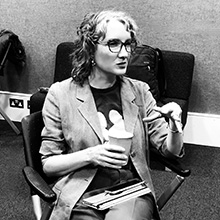
Alison Phipps serves as Honorary Professor in the Department of Sociology at the University of York, where her critical scholarship interrogates intersections of heteropatriarchy, racial capitalism, and gender-based violence. As a scholar-activist since 2006, she has fundamentally shaped national and international responses to campus sexual violence through research and movement-building. Her research dismantles mainstream feminism's complicity with oppressive systems, demonstrating how carceral approaches render marginalized communities disposable. Central to her work is the argument that sexual violence functions through four interconnected vectors—threats, acts, allegations, and punishment—within racial capitalist structures. Drawing extensively on Black and abolitionist feminist theory, she advocates for transformative alternatives beyond institutional discipline. Analysis of her 2017-2024 publications reveals consistent focus on neoliberal university cultures, white feminism's limitations, and practical interventions for institutional change. Her theoretical contributions span sociology, gender studies, and critical race theory, emphasizing how sexual violence operates within intersecting systems of power rather than as isolated incidents. Professor Phipps co-founded the Changing University Cultures collective in 2016, catalyzing campus-based projects across UK universities. She led the pan-European Universities Supporting Victims of Sexual Violence initiative, implementing disclosure training for over 1,000 staff across 21 institutions in six countries. These projects exemplify her commitment to translating critical theory into actionable frameworks for institutional transformation. Her current work culminates in the forthcoming monograph Personal Business: Sexual Violence in Racial Capitalism , which deepens her analysis of sexual violence's role within colonial and capitalist systems. While her honorary position indicates non-salaried affiliation, her sustained impact through books like Me, Not You (2020) and continuous scholarly output demonstrates significant academic leadership.