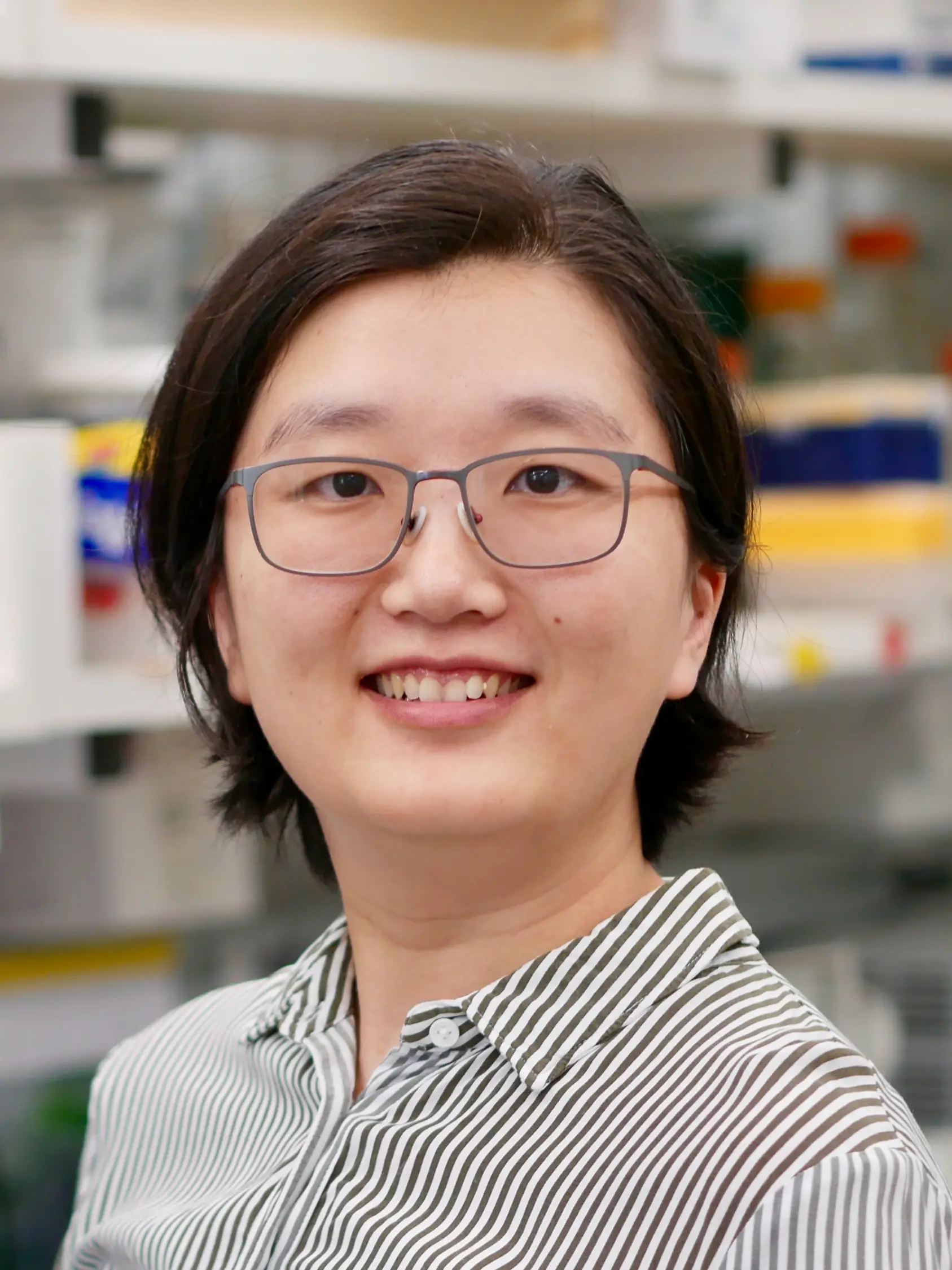
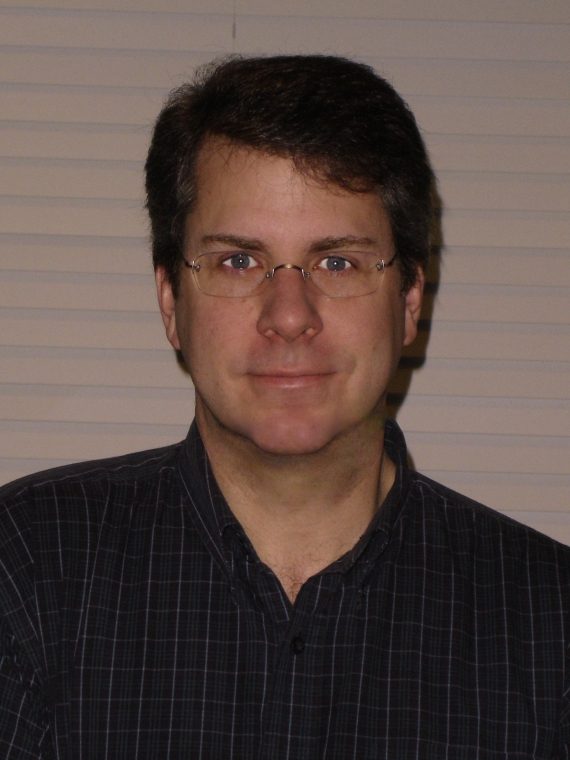
Ning Wang is an Assistant Professor in the Department of Biology at the University of Rochester. Her research focuses on organelle homeostasis through biogenesis and degradation mechanisms, with affiliations to the Biochemistry and Molecular Biology Program and Biomedical Genetics and Genomics Program. PhD in Molecular Genetics, Ohio State University Postdoctoral training in Cell Biology, Harvard Medical School Dr. Wang's research explores: Organelle biogenesis, particularly the endoplasmic reticulum (ER), including morphology generation, inheritance during cell division, and protein/lipid insertion. Organelle degradation via receptor-mediated selective autophagy, linking dysfunction to neurodegeneration, cancer, and metabolic disorders. Asymmetric organelle inheritance in Schizosaccharomyces japonicus hyphae. Research trends from publications include: 2023 study on autophagosome formation in fission yeast 2021 work on ER tubule shaping proteins 2019 analysis of ER network reconstitution 2014-2016 investigations of cytokinesis mechanisms in yeast Her lab employs fission yeast (Schizosaccharomyces pombe/japonicus), budding yeast (Saccharomyces cerevisiae), and mammalian cell cultures for genetic studies, combined with protein purification and structural biology techniques.
Dr Tim Davies is an Assistant Professor in the Department of Biosciences at Durham University. His research focuses on understanding how cell identity influences cytokinesis mechanisms, using Caenorhabditis elegans as a model system. He leads a lab investigating cell-type-specific variations in cell division processes, leveraging genetic tools and live-cell microscopy to dissect molecular pathways involved in cytokinesis. His work highlights the intersection of cell fate and division machinery, with implications for developmental disorders and cancer. Davies has supervised multiple PhD and MSc students, mentoring them in advanced microscopy techniques and genetic analysis. Key research interests include C. elegans development, cytoskeletal dynamics, and the application of novel imaging technologies. He has pioneered techniques like FLIRT (fast local infrared thermogenetics) for precise subcellular protein control. His lab’s findings on septin and anillin regulation in germ cells exemplify their innovative approaches to unraveling cellular complexity. Scientific contributions span over a decade, with publications in high-impact journals like eLife , Developmental Cell , and Nature Methods . Collaborations include projects on oligodendrocyte autophagy and myelin maintenance. Current efforts emphasize translating findings from model organisms to broader biological contexts, aiming to bridge gaps between basic cell biology and clinical relevance. Advising and grants: Davies supervises six postgraduate students, focusing on cytokinesis and developmental biology. His research is supported by grants enabling advanced microscopy and genetic screens. Lab activities include interdisciplinary projects with material science and neurobiology teams. Lab/Team: The Davies lab at Durham University combines genetics, live imaging, and biochemical approaches to study cytokinesis. They utilize C. elegans embryos as a scalable model to explore how cell-intrinsic and extrinsic factors modulate division machinery, with potential applications in understanding tissue-specific diseases.
Lukasz Kozubowski is an Associate Professor in the Department of Genetics and Biochemistry at Clemson University, part of the College of Science. His laboratory focuses on understanding how fungal pathogens like Cryptococcus neoformans survive and adapt to hostile host environments. He leads the Laboratory of Fungal Cell Biology and Pathogenicity, affiliated with the Eukaryotic Pathogens Innovation Center. Dr. Kozubowski holds a Ph.D. in Biochemistry and Molecular Biology from Louisiana State University Medical Center (2004) and an M.S. in Pharmacy from the Medical University of Warsaw (1996). He teaches courses including Introduction to Genetics, Molecular Genetics Lab, and Principles of Molecular Biology. His research explores stress response pathways in Cryptococcus neoformans, aiming to identify novel therapeutic targets. Key areas include ploidy regulation during stress, cytokinesis-endocytosis-stress response interconnections, and septin function in pathogenicity. Techniques used include genetics, microscopy, and proteomics. His publications highlight contributions to understanding fungal stress adaptation, cell division mechanisms, and antifungal drug resistance. The lab’s work bridges basic science and clinical applications, aiming to combat fungal infections, particularly in immunocompromised patients. Dr. Kozubowski’s lab is located in the Life Sciences Building (offices and labs in rooms 255A, 260D, 266). He actively collaborates on grants and mentors students through directed research programs.
Jim Wilhelm is the Associate Dean for Education and Professor in the Department of Cell and Developmental Biology at the University of California, San Diego (UCSD). He holds a PhD in Cell Biology from UCSF and has held postdoctoral roles at the Carnegie Institution of Washington. His research focuses on cytoplasmic organization mechanisms, including mRNA localization and enzyme filamentation, with contributions to understanding subcellular structures in yeast, Drosophila, and vertebrate systems. Affiliations: UCSD Division of Biological Sciences, Department of Cell and Developmental Biology Education: PhD in Cell Biology (UCSF), Postdoctoral Fellow (Carnegie Institution) Research interests center on how cells organize biochemical processes through mRNA localization and self-assembly of metabolic enzymes. Key projects include identifying novel intracellular filaments (e.g., CTP synthase), studying their roles in metabolism and neuronal function, and dissecting mRNA transport mechanisms in Drosophila development. Wilhelm's work employs interdisciplinary approaches combining genetics, biochemistry, and microscopy. Notable achievements include discovering CTP synthase filaments' conserved roles and their connection to enzyme regulation. His lab identified 38 novel metabolic structures through yeast screens and characterized mRNA localization complexes influencing developmental patterning and synaptic function. Awards: Sloan Research Fellow, Ellison New Scholar in Aging, March of Dimes Scholar Wilhelm advises graduate students and postdocs in projects like CTP synthase dynamics, mRNA stability, and genetic screens. His lab is part of UCSD's Biological Sciences division and maintains active collaborations in systems biology and developmental genetics.
Michael McMurray, Ph.D., is a Professor in the Department of Cell & Developmental Biology at the University of Colorado Anschutz Medical Campus. He holds graduate program affiliations with the Biomedical Sciences Program, Cell Biology Stem Cells and Development Program, Medical Scientist Training Program (MSTP), Molecular Biology Program, and Structural Biology Biochemistry and Biophysics Program. His research has significantly advanced our understanding of septin proteins and their role in cellular processes. Dr. McMurray earned his Ph.D. from the University of Washington and Fred Hutchinson Cancer Research Center in 2004. His research focuses on identifying molecular mechanisms underlying the assembly of macromolecular complexes, with particular emphasis on septin proteins. His laboratory primarily uses budding yeast (Saccharomyces cerevisiae) as a model system for genetic analysis. Key research areas include GTP binding and hydrolysis in septins, chaperone-mediated quality control of septin assembly, chemical rescue of mutant protein function, and the establishment of sexual identity and cell polarity during yeast gametogenesis. Analysis of Dr. McMurray's recent publications reveals consistent themes in septin assembly pathways, protein folding mechanisms, and the relationship between nucleotide binding and complex formation. His work demonstrates how GTP binding guides de novo folding toward oligomerization-competent states, how slow GTP hydrolysis enforces assembly order, and how chaperones mediate quality control over septin assembly. His laboratory has pioneered methods for determining temporal order of protein-protein interactions in living cells and discovered chemical rescue mechanisms for mutant proteins using naturally occurring small molecules. NSF award 1928900 for Wild Yeast Outreach Program NIH R01 GM035010 NIH R01 GM124024 NIH R35 GM148198 Dr. McMurray has mentored numerous students and postdocs who have gone on to diverse careers in academia, industry, and medicine. Current lab members include Alya Hussain and Michael Brown (PhD students) and Marc Steingesser (Lab Manager). Former lab members include Lydia Heasley (now Assistant Professor at CU AMC), Andrew Weems (Instructor at UT Southwestern), and Ashley Denney (Resident Physician). His lab is supported by multiple NIH grants that fund research on septin assembly mechanisms and protein quality control pathways. The McMurray Lab maintains the Wild Yeast Outreach Program, which engages middle school students in yeast isolation and identification. This NSF-funded initiative connects public education with cutting-edge research on natural yeast populations and their genetic diversity. The lab also utilizes advanced techniques including in vivo crosslinking, in vitro reconstitution, and split-YFP systems to study protein complex assembly in living cells.
Professor Mark Fricker is Professor of Plant Sciences and Associate Head of Department at the University of Oxford, Department of Biology. His research combines quantitative imaging, network analysis, and redox biology to study cellular dynamics in plants and fungi. Key work includes: 1) Network analysis of fungal foraging strategies showing adaptive transport systems; 2) Collaborative Physarum polycephalum studies revealing efficient biological network design; 3) Development of redox imaging tools for glutathione and ROS dynamics; 4) Automated leaf venation network extraction using deep learning. Recent publications explore organelle quantification, synthetic compartmentalization, and urban growth modeling inspired by biological systems. Research integrates experimental biology with computational approaches.
Shae Padrick, PhD, is an Assistant Professor in the Department of Biochemistry & Molecular Biology at Drexel University College of Medicine. Her research focuses on mechanisms of signal integration in multiprotein complexes, particularly those controlling the actin cytoskeleton in normal and pathological contexts. She holds a PhD in Molecular Biophysics and Biochemistry from Yale University (2003) and a BA in Molecular and Cellular Biology from UC Berkeley (1998). Her work combines structural biology, biochemistry, and imaging to study actin dynamics in cell motility and disease. Education: PhD in Molecular Biophysics and Biochemistry (Yale University, 2003) BA in Molecular and Cellular Biology (UC Berkeley, 1998) Awards: Ruth L. Kirschstein NIH Fellowship (2003-2006) NSF Graduate Research Fellowship (1999-2002) UC Berkeley Chancellor's Undergraduate Scholar (1994-1998) Research interests include kinetic mechanisms of signal integration, X-ray crystallography, and cytoskeleton dynamics. Her lab investigates actin nucleation by the Arp2/3 complex and membrane-associated proteins like GAP43, linking molecular mechanisms to cellular behaviors in cancer and infection. Recent publications highlight advances in actin polymerization regulation, septin scaffolds, and WASp activators for cancer therapy. Labs/Teams: The Padrick Lab at Drexel University College of Medicine focuses on structural and mechanistic studies of cytoskeletal systems. Collaborations include protein engineering, imaging, and drug development for therapeutic applications.
Richard L. Hallberg is Emeritus Professor of Biology at Syracuse University. His research investigated protein phosphatase regulation of cell division cycles in yeast systems and chaperone functions in mitochondrial DNA maintenance. Key research areas: PP2A phosphatase complexes Septin dynamics in cell division Mitochondrial biogenesis
Indrani Bose is a Professor in the Department of Biology at Western Carolina University (WCU), within the College of Arts and Sciences. She holds a Ph.D. from Duke University, an MS in Genetics from Calcutta University, and a BS in Botany from Calcutta University. Her research focuses on fungal pathogenesis using Cryptococcus neoformans , employing RNA interference and CRISPR technologies to study virulence genes. Additionally, she contributes to the Genomics Education Partnership (GEP), advancing genomics-based undergraduate research experiences (CUREs). Her teaching includes courses such as Human Genetics, Cell and Molecular Biology, and Principles of Biotechnology. Research interests span understanding stress responses in yeast, antimicrobial materials, and biolistic gene transformation in pathogens. Bose’s articles highlight her work on fungal pathogenesis, genomics education, and molecular mechanisms in yeast biology. Her contributions include studies on Hsp104’s role in stress tolerance, nanomaterial antimicrobial properties, and kinetochore assembly in pathogenic yeasts. No scientific awards or grants are explicitly listed in the provided information. Her lab focuses on Cryptococcus neoformans virulence factors and educational initiatives in genomics. She advises students in capstone projects and biotechnology coursework, fostering hands-on research experiences.
Peter Takizawa is an Associate Professor in the Department of Cell Biology at Yale School of Medicine and Director of Medical Studies. He holds key roles in medical education leadership, including Co-Director of the Pre-Clerkship Curriculum and membership in the Teaching and Learning Center. His work focuses on innovative educational strategies such as team-based learning implementation and open-access histology resources. He teaches medical students as Course Director of Scientific Foundations and leads the Cell Biology thread. Education: PhD from University of California, Los Angeles (1996); BS from UCLA (1990). Research interests span medical education innovation and foundational cell biology topics like mRNA transport mechanisms in yeast. Collaborators include Alfred Lee, Barry Wu, and Janet Hafler. Notable contributions include curriculum mapping via topic models and pandemic-era teamwork strategies in medical training. Affiliations include the Center for Medical Education and Yale Ventures. His publications span both educational pedagogy advancements and molecular biology breakthroughs from his earlier research. He actively participates in curriculum development initiatives and faculty training programs.
Jan Erzberger, Ph.D. , joined the faculty of UT Southwestern Medical Center in 2015, where he leads the Erzberger Lab in studying ribosome biogenesis. His work focuses on ATPases and GTPases in coordinating ribosomal RNA processing and integrating these processes with cell cycle control. Education : Biological Chemistry, Harvard University Molecular and Cell Biology, University of California, Berkeley Dr. Erzberger’s research combines X-ray crystallography , cryo-electron microscopy , mass spectrometry , and computational modeling to unravel the molecular dynamics of protein-RNA complexes. His lab investigates how ATPases and methyltransferases guide RNA modifications critical for 60S ribosomal subunit biogenesis. The Erzberger Lab has published studies on bacterial DNA replication, eukaryotic translation initiation, and ribosome assembly mechanisms. Their integrative structural approaches provide insights into the conserved core of histone deposition proteins and the role of Gle1 in mRNA export.
Dr. William S. Trimble is a Senior Scientist and Head of the Cell Biology Program at the Hospital for Sick Children, affiliated with the Department of Biochemistry at the University of Toronto. He earned his Ph.D. in 1987 from the University of Toronto, studying ras oncogene mechanisms, followed by postdoctoral work at Stanford University where he discovered the VAMP protein—a foundational component of the SNARE membrane fusion machinery. His research employs multidisciplinary approaches to investigate membrane-cytoskeleton interactions, focusing on four primary areas: (1) Septin cytoskeleton roles in cell division, migration, and cancer; (2) Primary cilia formation and signaling in development and disease; (3) Scavenger receptors (CD36/SR-B1) mediating lipid transport in atherosclerosis; and (4) SNARE proteins and NSF ATPase regulators in membrane fusion, particularly neurotransmitter release. His publications (2010–2014) demonstrate a consistent focus on cytoskeletal dynamics, membrane trafficking, and signal transduction, with advanced methodologies including structural biology, live-cell imaging, and single-molecule analysis. Trends highlight septin biochemistry, receptor endocytosis, and lipid transport mechanisms. Awards and Honors: Fellow of the Royal Society of Canada (2006) Canada Research Chair in Molecular Cell Biology, Tier 1 (2005–2019) CIHR Investigator Award (2000–2005) MRC Centennial Fellowship (1987–1990) He actively advises graduate students and co-supervises doctoral candidates in projects spanning cell biology and biochemistry. His lab at the SickKids Research Institute utilizes mammalian models (mice, zebrafish) and advanced biophysical platforms.
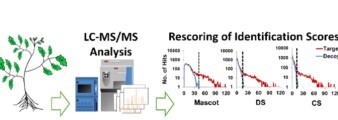
Chen Yiran is a Researcher at the Agricultural Biotechnology Research Center, Academia Sinica , where he has contributed to mass spectrometry , proteomics , and plant immunity . He serves as Chairman of the Taiwan Mass Spectrometry Society and holds Professor positions at National Chung Hsing University (Center for Biotechnology Development), National Taiwan University (Institute of Biotechnology/Systems Biology Program), and National Taiwan Ocean University (Department of Life Science and Biotechnology). His work spans peptidomics , DNA adductomics , and plant-microbe interactions . Chen's research integrates mass spectrometry with bioinformatics to study environmental health risks, plant immune signaling, and disease mechanisms. His team has developed tools like the FeatureHunter software for adduct detection and UniQua signal processor for proteomics. Current projects include CAPE9 peptide characterization for plant immunity and oxidative stress analysis in metabolic disorders. 2025: Outstanding Talent Development Foundation Leap Lecture 2024: Taiwan Mass Spectrometry Society Outstanding Scholar Award 2016: Academia Sinica Young Scholars Research Book Award 2015: Yang Xiangfa Agricultural Sciences Young Scholar Award Laboratory members include doctoral students Ying Guangting , Anciotti , and Jiefan . The lab operates at Academia Sinica's Agricultural Science Building A523 , with equipment for advanced chromatography-mass spectrometry and proteome analysis . Collaborations span National Taiwan University , Stanford , and UC Davis alumni networks.
Kristin Baetz is an Adjunct Professor in the Department of Biochemistry, Microbiology and Immunology at the University of Ottawa and serves as Dean of the Faculty of Science at the University of Calgary . She holds a BSc from Queen’s University , a PhD from the University of Toronto , and completed post-doctoral research at the University of British Columbia . Research Interests : Yeast functional and chemical genomics Chromosome stability in Saccharomyces cerevisiae and its relevance to human cancer biology Role of lysine acetyltransferases (e.g., NuA4 complex) in chromatin-associated processes Transcriptional regulation via iron-responsive factors like Aft1 Chemical genomic approaches to Alzheimer’s disease mechanisms Industrial yeast strain optimization for cellulosic biofuels Publication Trends : Her research spans yeast genetics, epigenetics, and proteomics, with a focus on conserved biological processes between yeast and humans. Key themes include chromosome stability networks, histone modification dynamics, and industrial applications of yeast systems biology. Grants & Collaborations : Canadian Cancer Society Research Institute Ontario Government Early Research Award NSERC Discovery Award CIHR Operating Grant Cellulosic Biofuels Network Agriculture and Agri-food Canada Laboratory : The Baetz Laboratory employs integrative systems biology and high-throughput genomic screening to address fundamental biological questions and industrial challenges in yeast research.
Luca Costa is a CNRS Research Scientist at the Centre de Biochimie Structurale (Montpellier, France), specializing in nanoscale biophysics. His research develops novel atomic force microscopy (AFM) methodologies to study biological membranes, soft matter interfaces, and molecular assemblies. With expertise spanning instrumentation physics, biochemistry, and cell biology, he pioneers correlative imaging techniques combining AFM with synchrotron X-ray methods and fluorescence microscopy. His core research investigates: Nanomechanics of lipid bilayers and cellular membranes Real-time dynamics at liquid-liquid interfaces Phase separation in biomolecular condensates Instrumental development for high-resolution in situ imaging Recent publications emphasize membrane remodeling, nuclear pore mechanics, and advanced AFM-XRF integration, with consistent focus on quantitative nanoscale biophysics. Awards include the XFEL Young Scientist Bursary (2015). Major grants support his work: ANR SLAM-AFM (2025-2027): Synchrotron-compatible AFM development ANR DECIDE/PROSPERO (2022-2025): Membrane dynamics studies EU MagCell (2020-2021): Magnetic nanoparticle applications He leads the Integrative Biophysics of Membranes lab, developing specialized AFM platforms for biological interfaces.