معرفی
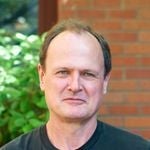
Dr Tim Davies is an Assistant Professor in the Department of Biosciences at Durham University. His research focuses on understanding how cell identity influences cytokinesis mechanisms, using Caenorhabditis elegans as a model system. He leads a lab investigating cell-type-specific variations in cell division processes, leveraging genetic tools and live-cell microscopy to dissect molecular pathways involved in cytokinesis. His work highlights the intersection of cell fate and division machinery, with implications for developmental disorders and cancer. Davies has supervised multiple PhD and MSc students, mentoring them in advanced microscopy techniques and genetic analysis.
Key research interests include C. elegans development, cytoskeletal dynamics, and the application of novel imaging technologies. He has pioneered techniques like FLIRT (fast local infrared thermogenetics) for precise subcellular protein control. His lab’s findings on septin and anillin regulation in germ cells exemplify their innovative approaches to unraveling cellular complexity.
Scientific contributions span over a decade, with publications in high-impact journals like eLife, Developmental Cell, and Nature Methods. Collaborations include projects on oligodendrocyte autophagy and myelin maintenance. Current efforts emphasize translating findings from model organisms to broader biological contexts, aiming to bridge gaps between basic cell biology and clinical relevance.
Advising and grants: Davies supervises six postgraduate students, focusing on cytokinesis and developmental biology. His research is supported by grants enabling advanced microscopy and genetic screens. Lab activities include interdisciplinary projects with material science and neurobiology teams.
Lab/Team: The Davies lab at Durham University combines genetics, live imaging, and biochemical approaches to study cytokinesis. They utilize C. elegans embryos as a scalable model to explore how cell-intrinsic and extrinsic factors modulate division machinery, with potential applications in understanding tissue-specific diseases.