Marcin Tabakaمشاهده پروفایل
پژوهشگر
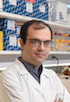
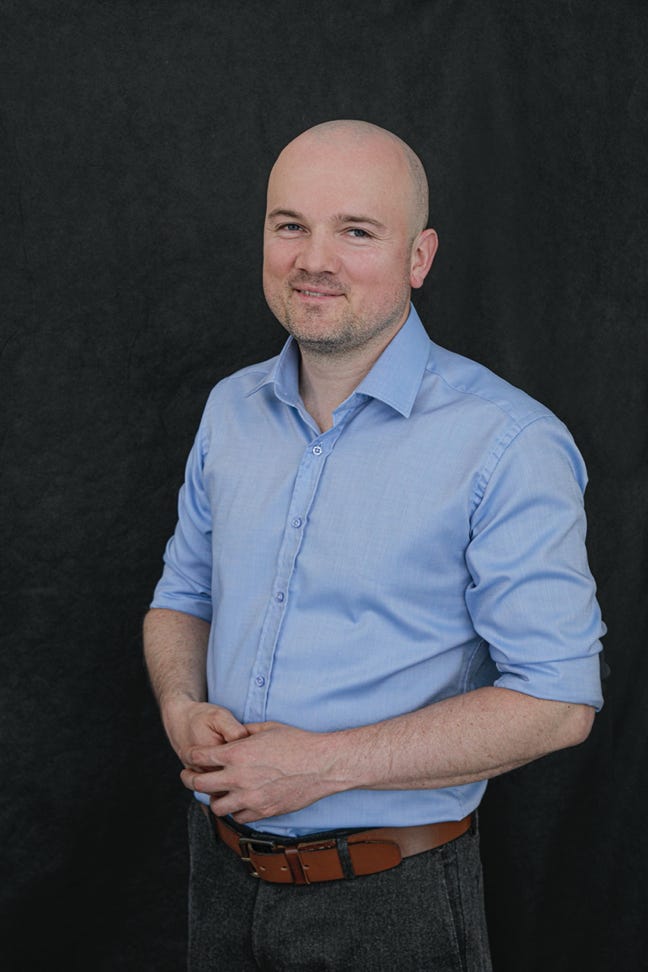
Marcin Tabaka, PhD is a Group Leader at the International Centre for Translational Eye Research (ICTER), which is part of the Institute of Physical Chemistry, Polish Academy of Sciences in Warsaw, Poland. He leads the Computational Genomics Group focused on applying high-throughput single-cell genomics technologies to diverse research areas including eye research, cell reprogramming, immunology, and cancer. Dr. Tabaka graduated from the Jagiellonian University Faculty of Chemistry in 2004 and obtained his PhD at the Institute of Physical Chemistry, Polish Academy of Science (IPC PAS) in 2009. He completed postdoctoral training in Mathematical Biology at IPC PAS (2010-2014) followed by research at the Klarman Cell Observatory headed by Aviv Regev at the Broad Institute of MIT and Harvard (2014-2019). He established his independent research group at ICTER in September 2020. His research focuses on computational approaches to single-cell genomics, with applications in translational eye research and disease mechanisms. His work spans multiple disciplines including: Computational biology and bioinformatics Single-cell and single-nucleus RNA sequencing Developmental biology and cell reprogramming Immunology and cancer biology Retinal degeneration and eye disease mechanisms Dr. Tabaka's research group has developed several computational tools for single-cell data analysis, including the recently published "Ocelli" open-source platform for developmental multimodal single-cell data analysis. His work demonstrates strong interdisciplinary collaboration between computational biology, molecular biology, and clinical research, particularly in the field of ophthalmology. Dr. Tabaka is actively involved in mentoring researchers and collaborating on multiple interdisciplinary projects, though specific students are not listed in the available information. His research is supported by institutional funding from ICTER and likely external grants related to his publications in high-impact journals. He leads the Computational Genomics Group at ICTER, which maintains strong collaborations with international research institutions including the Broad Institute of MIT and Harvard. The group combines computational expertise with experimental approaches to address fundamental questions in genomics and translational medicine, particularly in the context of eye diseases.