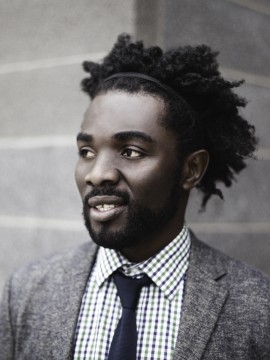
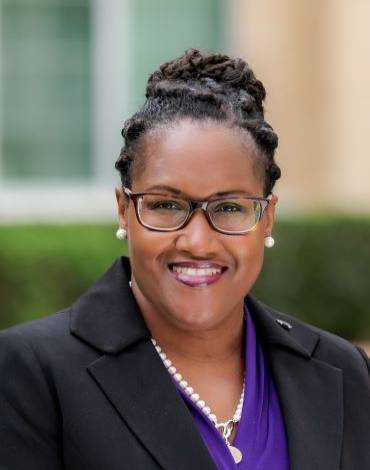
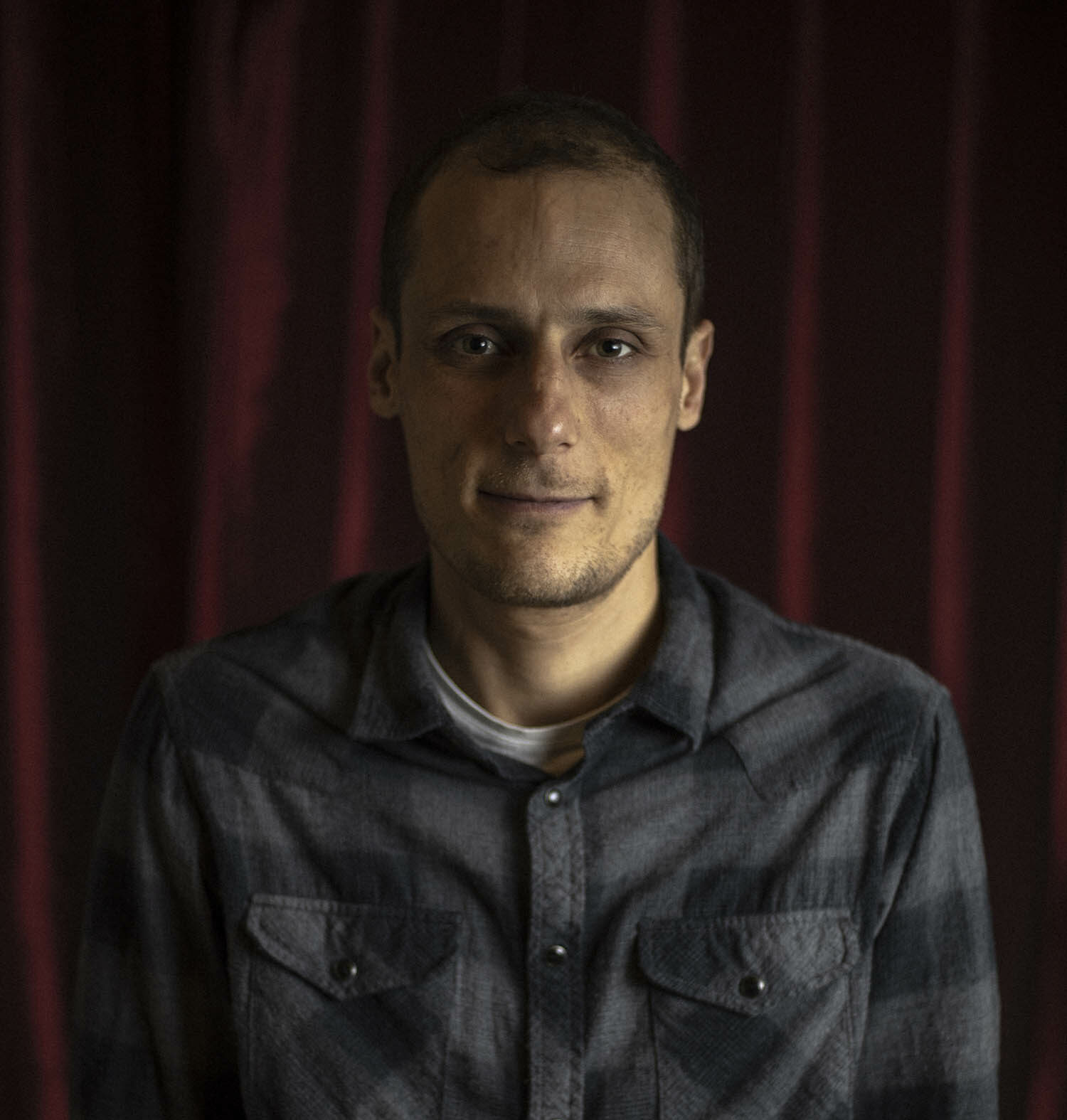
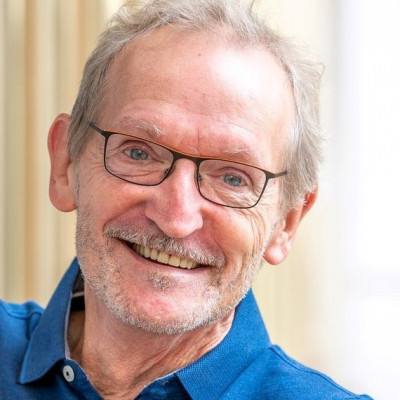
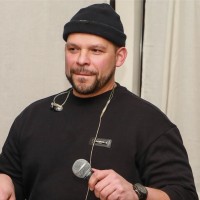
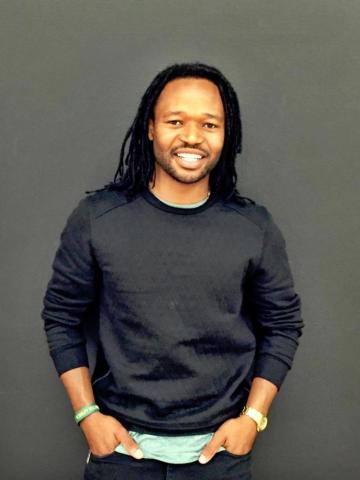
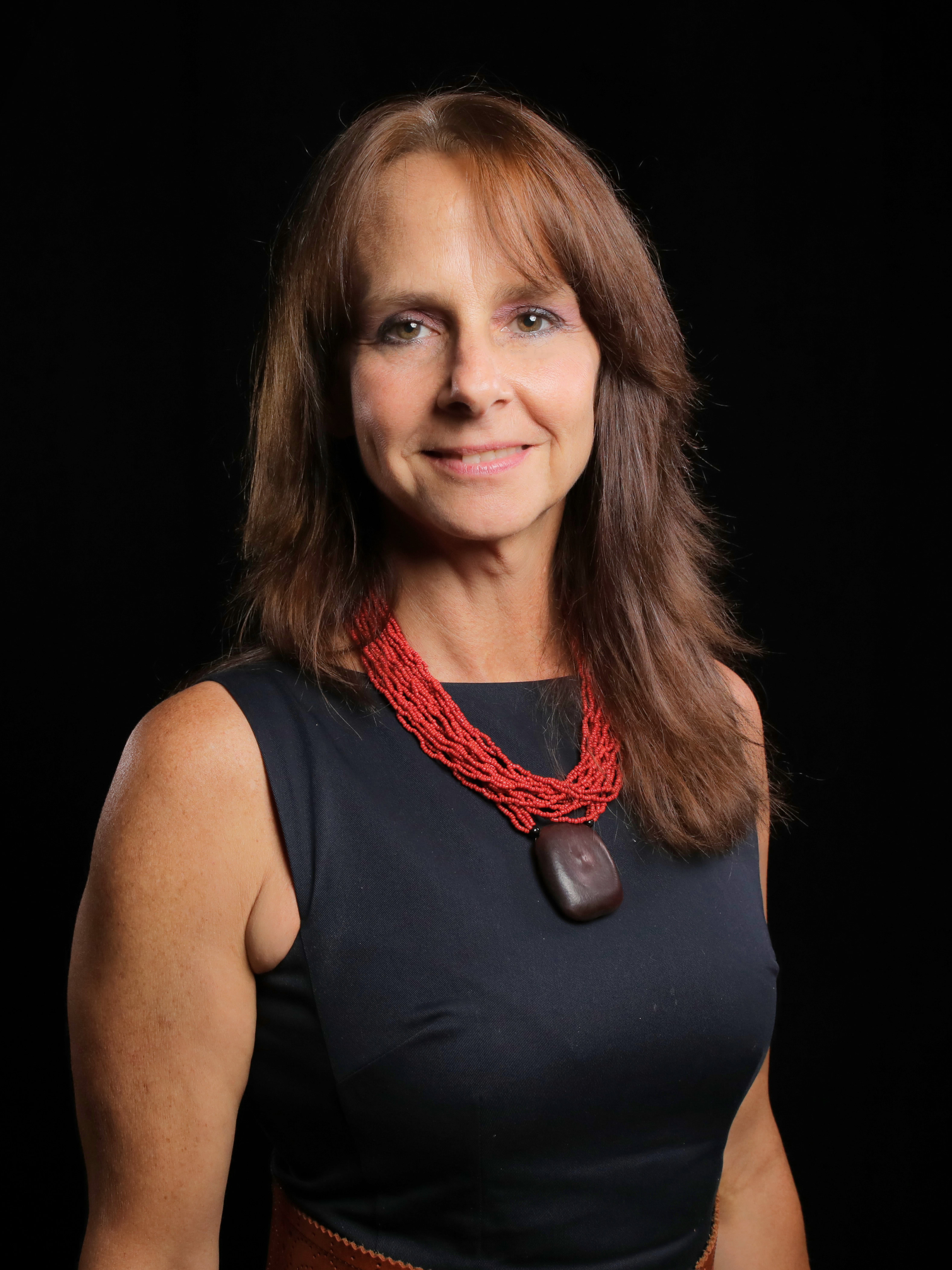
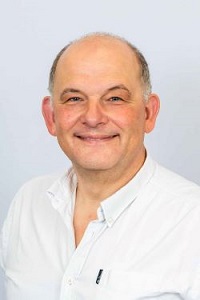
Phanuel Antwi is an Associate Professor at the University of British Columbia’s Department of English Language and Literatures, where he holds the Canada Research Chair in Black Arts and Epistemologies (2022). His work bridges critical black studies, settler colonial studies, and black Atlantic/diaspora theories with a focus on Canadian literature and culture since 1830, critical race and gender studies, and material cultures. Education: PhD from McMaster University Research Interests: Antwi’s scholarship interrogates the intersections of Black epistemologies and settler colonial frameworks, emphasizing how literature and cultural practices challenge racialized narratives. His current book project, Currencies of Blackness , examines affective labor and politeness in colonial writing. Publications: His recent works include On Cuddling: Loved to Death in the Racial Embrace (2023) and articles in Interventions , Affinities , and Studies in Canadian Literature . His writing spans postcolonial theory, Caribbean diasporic literature, and urban cultural critique. Scientific Awards: Canada Research Chair in Black Arts and Epistemologies
Rachel Harris is Professor of Ethnomusicology and Director of Doctoral Studies at the Department of Music, School of Arts, SOAS University of London. With over twenty years of experience in teaching and doctoral supervision, she has established herself as a leading scholar in the field of ethnomusicology with a particular focus on China and Central Asia. Harris holds a BA from Oxford University, an MMus, and a PhD from London. Her academic journey has led her to become a prominent voice in the study of musical traditions across cultural and political boundaries. Professor Harris's research centers on the Uyghur people of China's Xinjiang region and Central Asia, with particular attention to maqam traditions, intangible cultural heritage, music and Islam, soundscapes, and state projects of territorialization. She has conducted extensive ethnographic fieldwork in Xinjiang, Kazakhstan, and Kyrgyzstan over a twenty-year period. Her current ERC-funded project "Maqām Beyond Nation" examines maqām-based music-making across Central Asia, Iran, Azerbaijan, and Turkey, tracing histories of connection, contemporary border-crossing initiatives, and music in forced migration contexts. She previously led the AHRC-funded "Sounding Islam in China" project and the British Academy-supported "Uyghur Meshrep Project," which documented expressive culture among Uyghur communities in Kazakhstan. Harris's publications reveal a consistent focus on the intersection of music, religion, and politics in Chinese Central Asia. Her work demonstrates how sound functions as a key medium for understanding faith, religious change, political tensions, and violence, particularly in the context of Uyghur Islamic revival. She has explored topics ranging from Qur'anic recitation and religious gatherings to the globalization of Uyghur pop music and digital mediation of religious practices. Professor Harris has supervised numerous PhD students whose research spans diverse topics from Anglophone music in Calcutta to military bands in postcolonial Singapore. She has secured significant research funding including an ERC Advanced Grant, AHRC network funding, Leverhulme Research Project funding, and British Academy Sustainable Development Fund support. Her research is often conducted in collaboration with communities and researchers across borders, emphasizing applied ethnomusicology through concerts, workshops, and recording projects that aim to document and revitalize musical traditions while promoting sustainable development.
Simone Carena is an Associate Professor of Interior Design at VCU School of the Arts in Qatar. He previously held teaching positions at Hongik University in Seoul and is the Founder & Principal of award-winning architecture studio MOTOElastico. A Knight of the Italian Star (2017), he specializes in cross-cultural design, blending Korean, Jamaican, and Italian influences. His work spans architecture, art direction, and cultural preservation. Education: Master of Architecture (Magna Cum Laude), Turin Polytechnic University, Italy Master of Architecture, SCI-Arc, Los Angeles, USA Research Interests: Explores 'Dub-Architecture' inspired by Bob Marley's legacy, merging local and global design elements. Notable projects include the Korean-Jamaican house (2007), Moving Interiors with Marcello Gandini (2023-24), and the MUNLAB Eco-Museum in Turin. His work intersects architecture, art, and reggae culture. Recent Projects: 2023-24: 'MOBUMENTS' art residency at Doha Firestation 2024: 'DUB DESIGN' lecture series at VCUArts Richmond 2025: London Design Biennale installation with VCUQ pavilion Awards: Knighthood of the Italian Star (2017) Collaborations: Co-founded MOTOElastico (2006), collaborated with the Qatar Auto Museum, and developed cultural projects with institutions like the Italian Institute of Culture in Seoul. His research extends to reggae archives in Jamaica and eco-museum initiatives.
Dr. Sonja S. Watson serves as Dean of the AddRan College of Liberal Arts at Texas Christian University. Her academic expertise includes Afro-Panamanian Literature, Hispanic Caribbean studies, Latin-American Cultural Studies, Panamanian reggae en español , and diversity initiatives in higher education. She previously held positions as Associate Dean of the College of Liberal Arts and Director of Women's & Gender Studies at the University of Texas at Arlington. Her educational background includes a Ph.D. in Modern Foreign Languages (Hispanic Literature/Applied Linguistics) from the University of Tennessee, an MA in Spanish from the University of Tennessee–Knoxville, and a BA in Spanish from the College of William and Mary.
Lambros Fatsis is a Senior Lecturer in Criminology at City St George's, University of London, within the School of Humanities and Social Sciences. He previously held academic positions at the University of Brighton, the University of Southampton, and the University of Sussex, where he earned multiple teaching and research awards. His work sits at the intersection of criminology, sociology, and Black radical thought, focusing on the criminalization of Black music cultures and police racism in Britain. PhD in Sociology, University of Sussex MSc in Sociology, London School of Economics and Political Science BA Hons in Sociology, Bangor University Postgraduate Certificate in Higher Education, University of Southampton Fellowship and Associate Fellowship, Higher Education Academy Dr Fatsis’ research centers on Cultural and Critical Criminology, with a specific focus on the policing of UK grime and drill music, the criminalisation of Black/Afro-diasporic music cultures, and the racial politics of law enforcement. His work draws on Black radical thought to critique how creative expression is pathologized and criminalized. He has published in top journals such as The Sociological Review , Crime, Media, Culture , and Popular Music , and co-authored books including Policing the Pandemic and The Public and Their Platforms . His forthcoming monograph, Policing the Beats , will be published by Manchester University Press in 2026. His recent publications reflect a consistent engagement with themes of racial injustice, digital surveillance, and the weaponization of music in legal contexts. Across these works, he examines how YouTube videos, media narratives, and judicial practices contribute to the discriminatory treatment of Black youth. The interdisciplinary nature of his scholarship spans criminology, sociology, music studies, and decolonial theory, with recurring sub-fields including police racism, youth criminalization, cultural resistance, and the sociopolitical dimensions of sound. Scientific awards and recognitions include: British Society of Criminology Blogger of the Year (2018) Outstanding Research & Enterprise Impact Award, University of Brighton (2021) Most Engaging Lecturer, University of Southampton (2019) Excellence in Teaching Award, University of Sussex (2016) Nominee for Vice-Chancellor’s Teaching Award and Students’ Union ‘Best Academic Support’ Dr Fatsis is actively involved in public sociology and advocacy. He supervises PhD students in his areas of expertise and welcomes proposals on cultural criminology, Black British subcultures, and the sociology of public life. He has served as an expert witness in criminal trials involving rap lyrics as evidence and is a member of the Prosecuting Rap Expert Network. He also advises the Art, Not Evidence campaign and was a Trustee and Advisor at AudioActive, a youth music charity. His media contributions appear in The Guardian , The Independent , BBC, RAI, and The Conversation , and he has been featured in documentaries on UK drill music. He is also a practicing DJ under the name Boulevard Soundsystem, performing all-vinyl sets and collaborating with prominent figures in the UK and European reggae and soundsystem scene, including MC Brother Culture, DJ Cut La Vis, and Roots Garden Records. This lived engagement with music culture deeply informs his academic and activist work.
Alex O. Otieno is an Associate Professor and currently serves as the Interim Provost at Arcadia University, where he has been a faculty member since 2001. He is affiliated with the College of Arts and Sciences and is deeply engaged in global health, peace studies, and human rights scholarship. His work spans multiple geographies, including Kenya and South Africa, with a focus on marginalized communities. Interim Provost, Arcadia University Associate Professor, College of Arts and Sciences Doctoral Candidate, University of South Africa MPH, Temple University His research interests center on health and human rights, migration, social transformation, peacebuilding, and the role of education in fostering justice. He explores themes such as refugee health, disaster capitalism, discursive resistance, and the contributions of Black public intellectuals to higher education. His work is rooted in transdisciplinary peace praxis and critical social theory. Dr. Otieno's publications reflect a strong engagement with global health policy during crises, particularly the COVID-19 pandemic, and the ethical dimensions of displacement and care. His work bridges academic scholarship and practitioner application, often appearing in journals like Peace Review and Journal of Human Rights Practice . He emphasizes transformative encounters, restorative practices, and hope as resistance. While no formal scientific awards are listed, his contributions to global health discourse and peace studies are significant. He has contributed to edited volumes on social problems during the pandemic and has published on reggae as a medium for human rights advocacy and religious networks as health rights promoters. Dr. Otieno mentors students through global health programs and has been involved in initiatives promoting teaching Africa through film and environmental justice. He has no listed PhD advisees in the text, but his leadership in education suggests strong advisory roles. He is also associated with research on transformative education and critical engagement in public health crises. He is actively involved in institutional leadership and global health scholarship, working at the intersection of policy, ethics, and social change. His research is supported by institutional affiliations and interdisciplinary collaborations, particularly in global health and peace studies.
David Bousquet is a Lecturer at the University of Burgundy , specializing in postcolonial studies, Anglophone Caribbean culture, and popular music. He holds a doctoral degree in dub poetry, with a focus on oral literature in works by Jean Binta Breeze, Linton Kwesi Johnson, and Benjamin Zephaniah. Co-head of Master's in Intercultural Management (ICM) Coordinator of FORTHEM Lab Diversity and Migration Head of Dijon – Mainz Integrated Course Educational Background: Doctoral Thesis (2010): Dub Poetry English Aggregation (2003) Research Focus: David's work explores intersections between sound systems, cultural diversity, migration, and intercultural communication. His recent projects include: 'Unpacking Migration' study day (2023) 'Cultural Diversity and Popular Music' (2022-2024) Global Reggae Conference presentations (2024) IncluKIT intercultural communication toolkit Teaching: He teaches phonetics/phonology, sociolinguistics, oral communication, postcolonial literature, translation, and research methodology at both undergraduate and graduate levels.
Keith L. Brown is an Assistant Professor of Jazz and Contemporary Piano Music at the University of Oregon's School of Music and Dance. A renowned pianist and composer, he tours globally with artists like Grammy-nominated saxophonist Kenny Garrett, blending R&B, Funk, Classical, Jazz, and Hip-Hop in his work. His academic role focuses on mentoring emerging jazz musicians while maintaining an active international performance and recording career. Education : Master of Music (2011) and Bachelor of Music (2009) in Jazz Studies from the University of Tennessee. Rooted in jazz tradition but forward-looking in style, Brown’s research interests include interdisciplinary musical fusion , contemporary jazz pedagogy , and innovative compositional techniques . His recordings, such as African Ripples (Space Time Records), reflect these interests through dynamic collaborations and genre experimentation. Brown’s recent projects explore the intersection of jazz theory with modern rhythms like hip-hop and reggae. Brown has performed at prestigious venues including Jazz en Tête Festival , Jazz at Lincoln Center , and NorthSea Jazz Festival . His work has received critical acclaim, including four stars from Downbeat Magazine for African Ripples . As an educator, he bridges practical performance experience with academic instruction, preparing students for careers in contemporary music. As a member of a musical family, Brown draws inspiration from his father Donald Brown (Art Blakey’s Jazz Messengers) and siblings. His teaching emphasizes technical mastery, creative exploration, and honoring jazz’s cultural heritage while pushing boundaries. Brown’s current research involves documenting the evolution of jazz piano through performance-based analysis and student mentorship.
Philippe Mobers, born on January 9, 1959 in Brussels, is a percussion educator and musician at the Royal Conservatory of Brussels. He actively contributes to the music sector at Le Delta cultural space in Namur, organizing over 300 concerts across diverse genres, and co-organizes annual intergenerational workshops for amateur musicians. His career spans collaborations with notable artists such as: Eddie Floyd, Rufus Thomas, Carla Thomas (Stax label legends) Horacio Hernandez (Afro-Cuban rhythms mentor) Maurane, Philippe Lafontaine Francisco Dragone (Celine Dion's show percussion instructor) Axelle Red, Marcia Maria, Salvatore Adamo Mobers specializes in rhythms and rhythmics, blending classical and contemporary music theatre with early music, jazz, reggae, Afro-Beat, and Latin jazz. His teaching emphasizes environmental interaction and hybrid drum/percussion techniques.
Mitch Benoff is a Professor in the Music Production & Engineering department at Berklee College of Music. He specializes in vocal production techniques, having developed foundational comping methods during the analogue era that remain influential in digital workflows. His career spans decades of interdisciplinary work in music production, songwriting, and large-scale audio-visual installations. Research and Professional Focus: Vocal production methodologies Music for film, theater, and special events Audio engineering innovations 3D sound design and concert lighting Notable Achievements: Former owner of Downtown Recorders, a key studio for Boston's 1980s New Wave and Reggae scenes Created large-scale art installations at MIT's Center for Advanced Visual Studies, including the 400ft Athens Olympic Meteor for the 2004 Games Consulted for high-profile clients like Pink Floyd and Michael Jackson through his 3D sound company
Julio Pabon is a Lecturer in Latin & World Percussion at the Eastman School of Music, University of Rochester, where he teaches students across age groups and performs in ensembles. His expertise stems from a degree in Music, Media, and Entertainment Industries from the University of Miami, complemented by immersive experiences in Latin and Brazilian percussion traditions. Pabon’s work bridges classical training with Afro-Caribbean and Brazilian influences, rooted in his Puerto Rican heritage. He founded the Latin music group Sonidos Unidos and teaches Capoeira and percussion at Com Expressao . His career spans Rochester, Miami, and New York City, where he engaged with diverse musical cultures. His research and practice focus on Latin and Brazilian percussion genres, including salsa, guanguanco, samba reggae, and maracatu . He has played with ensembles such as the University of Miami Salsa Orchestra and Manhattan Samba, and performed at venues like SOBs and Le Poisson Rouge.
Sethunya Mokoko is an Assistant Professor at the University of Virginia's College of Arts & Sciences, Department of English, specializing in Rhetoric and Writing. A scholar, writer, and filmmaker from Lesotho, his work centers on storytelling across media and cultures, with a focus on social justice, agency, and decolonization. Education: Ph.D. in Rhetorics, Communication, and Information Design (Clemson University, 2023); M.F.A. in Creative Writing (California State University, Long Beach, 2018) Experience: Former assistant director of Clemson's writing lab, Dean's Advisory Council member, and adjunct professor in Southern California His research integrates African epistemologies into composition pedagogy, examining how global rhetorics shape identity and education systems post-colonization. Teaching includes courses on race, rhetoric, social justice, and cultural writing. Mokoko also engages interdisciplinary approaches in business writing and critical pedagogy. Personal interests include reggae music, rainy weather, and literary pursuits.
Malcolm James is an Associate Professor in Media and Cultural Studies (specializing in Media and Film) at the University of Sussex, affiliated with the School of Media, Arts and Humanities. He serves as Co-Director of the Sussex Centre for Cultural Studies. His research focuses on cultural studies and postcolonial approaches to race, nation, youth, urban environments, migration, music, and sound. He is the author of Sonic Intimacy: Reggae Sound Systems, Jungle Pirate Radio and Grime YouTube Music Videos (Bloomsbury, 2020) and Urban Multiculture: Youth, Politics and Cultural Transformation (Palgrave, 2015), and co-editor of Regeneration Songs: Sounds of Investment and Loss in East London (Repeater Books, 2018). Academic roles include External Examiner positions for MA Cultural Studies at Goldsmiths University of London (2023), MA Race, Media and Social Justice at Goldsmiths (2022), and BA Media and Cultural Studies at the University of Leeds (2019–2022). His research interests span critical theory, media analysis, and the intersection of sound culture with political and social dynamics. He actively contributes to public discourse through media appearances, such as BBC Radio 4's The Listening Project and Surviving Society podcast discussions on his work. Key research areas include the cultural politics of music (particularly Black diasporic genres), urban transformation, and the sociological implications of sound in postcolonial contexts. His work bridges theoretical frameworks with empirical studies of contemporary urban multiculture and its challenges.
Carla Becker, Ed.D., is an Assistant Professor of Music Education and Program Coordinator at Delaware State University. She holds a Doctorate in Music Education from Columbia University's Teachers College (2014), complemented by advanced percussion performance degrees from the University of Washington with an ethnomusicology emphasis. Her research focuses on culturally competent music education, global music integration, and ethnomusicological studies in West Africa, the Caribbean, and Jamaica. Dr. Becker’s work emphasizes 'culturally self-representative' educational spaces and has involved fieldwork in Ghana, Bali, The Gambia, Jamaica, and the Caribbean. Her educational background includes a BME from Central Michigan University (2000), an MM in Percussion Performance from the University of Washington (2002), and doctoral percussion studies at the same institution (2005). Teaching appointments include positions at Teachers College Columbia University (student teaching director) and Shoreline/North Seattle Community Colleges (World Music instructor). Research interests span ethnomusicology (e.g., Ghanaian Palm-Wine Music, Jamaican Rastafarian Identity in Reggae), qualitative research methodologies, and arts-based consultation. She has presented globally at conferences such as the International Society for Music Education (Munich, 2018) and the Pan African Society for Musical Arts Education (Swaziland, 2017). Awards include an ACLS stipend (2024) and a Delaware Division of the Arts grant (2021-2022). Her publications include curriculum-focused articles and book reviews in journals like Journal of Negro Education and Orff Reverberations . She co-created the Hip Hop Music Education website (hiphopmusiced.com) and has performed with ensembles in West Africa, the Caribbean, and U.S. symphonies. Dr. Becker advocates for STEAM integration in music curricula and has led workshops on culturally sustaining practices in music education.
Professor Les Back is Head of Sociology at the University of Glasgow, leading the Department of Sociology within the School of Social and Political Sciences. Previously, he served as Director of the Centre for Urban and Community Research at Goldsmiths, University of London. His career began as a youth worker in London, shaping his focus on race, urban culture, and public engagement. Education includes prior roles at institutions like Birkbeck College and the Thomas Coram Research Unit. His research spans racism, multiculturalism, urban studies, and the sociology of music, with over 70 journal articles and 11 authored/co-authored books. Notable works include Migrant City (2018) and The Unfinished Politics of Race (2022). Research interests emphasize blurring academic and public spheres through podcasts like Street Signs and Recovering Community . He has secured grants totaling over £2 million, including projects on racial harassment, immigrant youth inclusion, and oral histories of reggae. Supervised 31 PhD students focusing on topics like knife crime, refugee reception, and racial dynamics in Germany. Teaching innovations include the Field Fables Project and immersive urban sociology courses. A vocal advocate for decolonizing social science curricula and addressing institutional racism in academia.