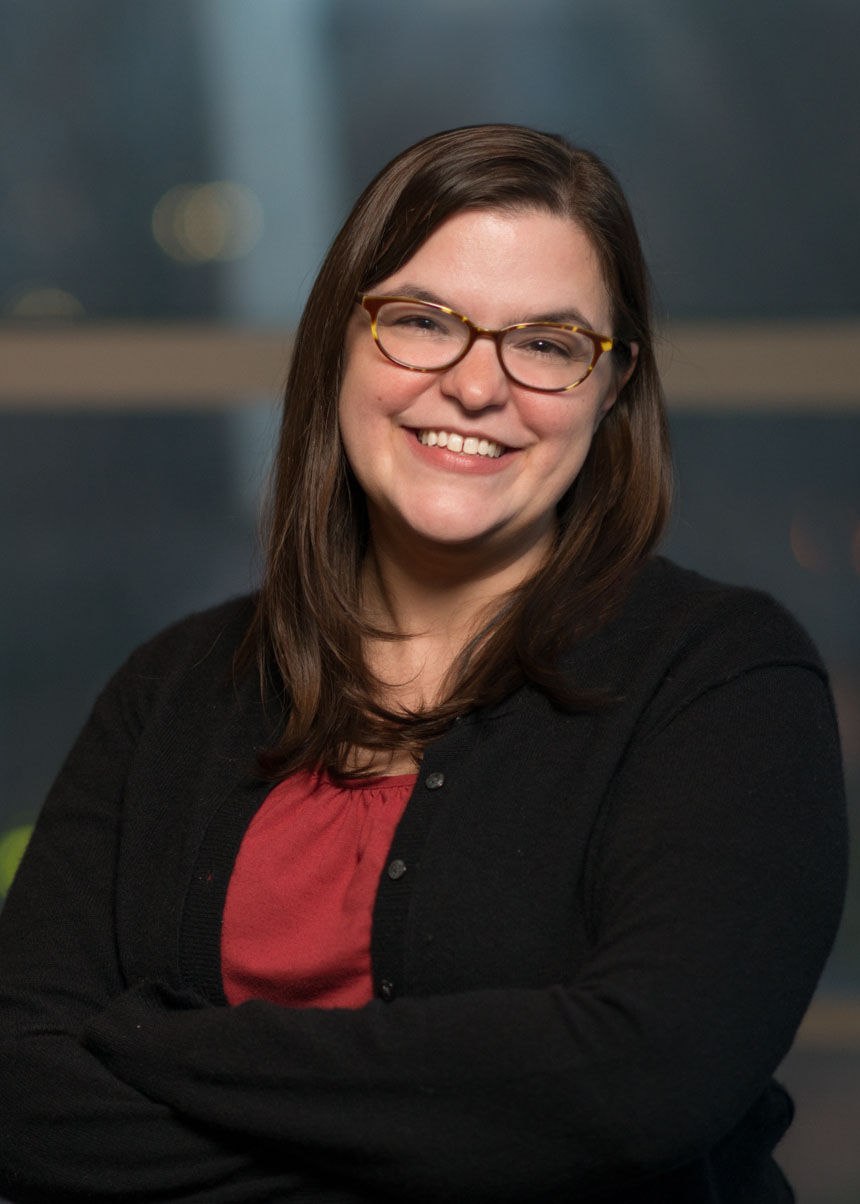
Donguk Lee is an Assistant Professor in the Department of Audiology and Speech Language Pathology at the University of North Texas. He holds a Ph.D. from the University of Tennessee Health Science Center (2023) and previously worked as an audiologist in clinical and hearing aid settings. He also served as a medic in the South Korean Navy, providing medical support in naval and land-based environments. His research focuses on preventing noise-induced hearing loss through studies of auditory efferent systems, leveraging techniques like otoacoustic emissions and auditory evoked potentials. Dr. Lee’s work addresses both clinical and environmental aspects of hearing conservation. His recent studies explore variability in medial olivocochlear reflex responses to noise exposure and the interplay between efferent unmasking and cortical processing. Earlier work assessed noise levels in stadiums, subways, and other public spaces, linking environmental noise to hearing health risks and public attitudes. He was awarded the 2022 Student Research Grant in Audiology from ASHA for his innovative contributions to hearing loss prevention. His articles span from 2014 to 2023, reflecting a trajectory from hearing aid technology development to advanced auditory physiology and environmental noise policy implications.
Alessandro Rigolon is an Associate Professor and MCMP Program Coordinator in the Department of City and Metropolitan Planning at the University of Utah, where he has been on the faculty since 2019. A dual-PhD scholar (Design & Planning, University of Colorado Denver; Architecture, University of Bologna), he is internationally recognized for research on environmental justice, green-space equity, and the public-health consequences of urban greening. Education: Ph.D. in Design and Planning, University of Colorado Denver (2015) Ph.D. in Architecture, University of Bologna, Italy (2012) B.Arch. & M.Arch. in Architecture and Urban Design, University of Bologna, Italy (2007) Research Interests: Rigolon’s work sits at the intersection of environmental justice, urban planning, and public health. He investigates four interconnected themes: (1) policy drivers of inequity in green-space provision; (2) the mechanisms and resistance to green gentrification; (3) green infrastructure’s role in equitable climate adaptation; and (4) health impacts of urban nature on marginalized communities. His studies span multiple scales—from census microdata in Miami-Dade County to machine-learning analyses across 263 Chinese cities—deploying mixed-methods, spatial analytics, and community-engaged research. Publications & Impact: Across 89 peer-reviewed outputs, recent work (2024-2025) reveals complex pathways by which gentrification both precedes and follows greening, quantifies disparities in park access among racial/ethnic groups, and evaluates policies aimed at achieving green-space equity. Collectively, these studies highlight the need for fine-scale spatial data, intersectional analyses, and robust procedural justice when designing equitable greening interventions. Scientific Awards & Recognition: Stanford/Elsevier Top 2 % Scientist (2024) Clarivate Highly Cited Researcher (2024) APA-Utah High Achievement Award (2022) Urban Studies Editor’s Featured Articles (2021) University of Utah Celebrate U Researcher Honoree (2020) Arnold O. Beckman Award (2019) Grants & Advising: Rigolon currently leads or co-leads six funded projects totaling over one million dollars from the Center for Equitable Transit-Oriented Communities, Center for Climate Smart Transportation, Prevention Institute, and University of Illinois. These grants support interdisciplinary teams examining transit-oriented green gentrification, climate adaptation for active transportation, and equitable park policy implementation. Graduate students and post-docs are active collaborators on all projects. Teaching & Community Engagement: He teaches graduate courses including Design Ecologies , Plan Making , Professional Project Studio , and Research Design . Through studio courses, students partner with local governments (South Salt Lake City, Liberty Wells Community Council) to produce actionable plans advancing environmental justice.
Michael Pratt is a Professor in the Division of Global Health at the Herbert Wertheim School of Public Health & Human Longevity Science School, UC San Diego. He specializes in physical activity and public health, with expertise in global health, chronic disease prevention, and evidence-based interventions. Previously, he served as a Visiting Professor at Emory University and held roles at the CDC, including Senior Advisor for Global Health and Chief of the Physical Activity and Health Branch. He founded the CDC-WHO Collaborating Center for Physical Activity and led initiatives like the International Physical Activity and Public Health Course. His education includes a Master's in Exercise Physiology and MD from the University of Washington, residency at the Mayo Clinic, and a Master's in Public Health from the University of Minnesota. He is a Fellow of the American College of Preventive Medicine and American College of Sports Medicine. Research interests focus on global research capacity building for physical activity, intervention strategies, and policy implementation. His work emphasizes the intersection of urban environments, health equity, and policy effectiveness. Recent publications highlight trends in physical activity surveillance, policy disconnects, and WHO guidelines. He leads the Global Observatory for Physical Activity (GoPA!), tracking global progress in physical activity initiatives. Scientific awards include Fellowships in preventive medicine and sports medicine. His grants and advising roles are not explicitly detailed but align with his research themes. He collaborates with institutions worldwide and co-authors studies on physical activity policy, environment impacts, and global health disparities.
Dr. Michael Sinclair is a Lecturer in Urban Analytics at the University of Glasgow , affiliated with the Division of Urban Studies and Social Policy and the Urban Big Data Centre . He convenes the MSc in Urban Analytics and co-leads the Socio-Environmental Action research cluster . His research focuses on leveraging novel data sources (e.g., mobile apps, social media) to address societal and environmental challenges, particularly human-nature interactions and greenspace valuation. Sinclair leads projects funded by the UK Government’s Department for Culture, Media and Sport and the Economic and Social Research Council (ESRC). His work emphasizes ethical use and representativeness of big data, with applications in urban policy, ecosystem services, and environmental sustainability. Sinclair has secured grants totaling over £1M, including projects on greenspace accessibility and urban data dashboards. He supervises students on GIS and urban analytics topics and contributes to policy-relevant datasets like Tamoco Open Spaces . Notable achievements include developing methodologies for valuing nature-based recreation and advancing spatial interaction models for urban green spaces. His research bridges Human Geography and Environmental Science, with publications in journals like Ecosystem Services and Global Environmental Change .
Michael Cottingham is an Associate Professor of Sport Administration in the Department of Health and Human Performance at the University of Houston's College of Liberal Arts and Social Sciences. He serves as the Director of Adaptive Athletics at UH, leading a comprehensive disability sport program and research lab that has produced over 50 publications and secured more than $1.3 million in external funding. Dr. Cottingham teaches senior-level undergraduate classes and is involved in the Sport Administration graduate program. B.A. in Political Science, Minor in Sociology at The University of Arizona, 2002 M.S. in Recreation Administration at The University of Southern Mississippi, 2008 Ph.D. in Human Performance concentration Sport Management at The University of Southern Mississippi, 2012 Dr. Cottingham's research focuses on disability sport, particularly examining perceptions of athletes with disabilities, spectatorship and sponsorship in disability sport, and broader topics in sport consumer behavior. His work explores promotional strategies in sport and how these apply specifically to disability contexts. He has conducted extensive research on wheelchair rugby, power soccer, and wheelchair tennis, examining consumer motivations, marketing approaches, and the experiences of athletes and spectators in these sports. Analysis of Dr. Cottingham's recent publications reveals a strong emphasis on disability sport consumer behavior across multiple disciplines including sports marketing, psychology, rehabilitation science, and sociology. His research spans both theoretical frameworks and practical applications, with particular attention to how disability sport programming impacts Latinx populations with mobility impairments. The publications demonstrate interdisciplinary collaboration with researchers in community health, rehabilitation, and sport management fields. As Director of Adaptive Athletics at UH, Dr. Cottingham oversees a program that hosts large-scale disability sport events including the annual Cougar Open wheelchair tennis tournament. The program partners with The Institute for Research and Rehabilitation and runs the Community Healthcare Worker Model Study, which examines the impact of disability sport programming on Latinx with mobility impairments. Through Adaptive Athletics, Dr. Cottingham has developed programs for wheelchair rugby and adaptive tennis, with plans to expand to power soccer and wheelchair basketball. The program has received funding from the National Institute on Disability, Independent Living, and Rehabilitation Research (NIDILRR) and has established partnerships with organizations including Houston Parks and Recreation, United States Quad Rugby Association, United States Tennis Association, Halliburton Charitable Foundation, and One Step Closer Foundation.
Dr. Jonathan Hicks serves as Professor and Chair of the Recreation and Parks Leadership Studies department at Minnesota State University, Mankato's College of Allied Health and Nursing. With a Ph.D. and M.S. in Recreation & Park Management from University of Illinois and B.A. in Print Journalism from Western Illinois University, his academic focus bridges environmental education with emotional psychology. Ph.D., Recreation & Park Management, University of Illinois, 2016 M.S., Recreation & Park Management, University of Illinois, 2010 B.A., Print Journalism, Western Illinois University, 2004 His research examines the emotional connections between humans and wildlife, particularly through the lens of awe and its educational applications. Key areas include: Human Dimensions of Wildlife Wildlife-Inspired Awe Natural Resource Recreation Planning Environmental Education Pedagogy Wildland Recreation Management Dr. Hicks' publications reveal a consistent exploration of emotional responses in nature-based recreation, with recent work analyzing tenure challenges at teaching institutions. His awards include commendations for community-driven teaching approaches. Numerous teaching commendations Prior teaching experience includes environmental education settings at University of Illinois, emphasizing experiential learning integration and applied research methodologies.
Maria K. E. Lahman is a Professor in the Department of Applied Statistics and Research Methods within the College of Education and Behavioral Sciences at the University of Northern Colorado. She holds a Ph.D. in Child Development from Virginia Polytechnic Institute and State University (2001) and serves as Co-Chair of the Institutional Research Board at UNC. Her academic work bridges qualitative methodology with ethical research practices and creative representation. Dr. Lahman's research focuses on culturally responsive qualitative research, research ethics, early childhood education, and the aesthetic representation of research through poetry and other creative forms. Her scholarship addresses creating ethical solutions for culturally complex methodological situations, diversity issues, young children, mothering experiences, and qualitative writing representation. As a Mennonite, she integrates social justice and peacebuilding into her pedagogy and scholarship. Her recent publications show a clear trajectory toward innovative research representation, with a particular emphasis on research poetry and culturally responsive methodologies. The 15 most recent articles reveal a consistent focus on ethical research practices, creative representation forms, and culturally responsive approaches to qualitative inquiry, with increasing attention to poetry as a legitimate research method and representation form. Outstanding Advisor Award, College of Education and Behavioral Sciences, UNC (2008-2009) Outstanding Scholar Award, College of Education and Behavioral Sciences, UNC (2007-2008) Service Provider Award, University of Northern CO (2006-2007) Outstanding Teacher Award, College of Education, UNC (2002-2003) Dr. Lahman has advised numerous graduate students in qualitative methodology and has been recognized for her exceptional mentorship. Her research program has generated multiple textbooks including Ethics in Social Science Research: Becoming Culturally Responsive (2017) and Writing and Representing Qualitative Research (2021), which have become influential resources in the field. She maintains an active research agenda focused on advancing ethical research with diverse groups and developing innovative methods for representing qualitative findings. Her work centers around creating spaces for culturally responsive research practices, with particular attention to vulnerable populations and ethical dilemmas in fieldwork. Dr. Lahman's scholarship challenges traditional research boundaries through her exploration of research poetry and other aesthetic forms of representation that maintain academic rigor while embracing creative expression.
Kathrin Sele is a Senior Lecturer at the Department of Management Studies, Aalto University. Her research focuses on organizational routines, routine dynamics, and innovation management. She explores how organizations adapt to complex challenges through sociomaterial practices and embodied work. Key contributions include frameworks for analyzing routine ecologies, M&A synergy realization, and digital transformation in HR. Her work bridges practice theory, actor-network theory, and strategic management. Sele’s research spans extreme contexts (e.g., crisis management), gender equality, and ethical dilemmas in emerging markets. She collaborates on interdisciplinary projects like the ‘Routine Dynamics’ framework, emphasizing organizational adaptation in flux. Her publications appear in top journals such as Journal of Management Studies and Organization Studies . Her advising and grant activities are not explicitly detailed in the provided texts, though her prolific publication record suggests active research leadership. She contributes to academic communities through conference proceedings and edited volumes, particularly on grand challenges and innovation networks.
Jennifer Schwartz is the James F. Short Distinguished Professor in the Department of Sociology at Washington State University (WSU). Her research focuses on criminology, stratification/inequalities, communities, and substance use/health. She holds a Ph.D. from Pennsylvania State University (2003). Her work examines crime trends, gender disparities in offending, and the societal implications of criminal justice policies. Key areas include patterns of violence across genders and ages, rural-urban crime dynamics, and corporate financial fraud. Dr. Schwartz has conducted extensive research on drunk driving prevalence, gendered participation in environmental and corporate crimes, and cross-national variations in offending. Her projects often involve data triangulation across multiple sources (arrest records, self-reports, victim data). Notable grants include a National Institute of Justice-funded study on recreational cannabis in Washington State (2018-2019) and collaborative work on 21st-century corporate financial crime (2014-2019). Education: Ph.D., Sociology, Pennsylvania State University, 2003 Her research highlights how societal structures influence criminal behavior, particularly through gendered opportunities and risk preferences. She has published widely in top journals like Criminology and American Sociological Review , analyzing topics such as age-crime curves, rural justice systems, and environmental harm. Grants/Advising: Co-PI on NIJ studies on cannabis policy and corporate fraud; advisor on multiple doctoral projects Labs/Teams: Collaborates with WSU's Criminology Research Group on interdisciplinary projects
Shannon Neibergs is an academic professional at Washington State University (WSU), serving as Director of the Western Center for Risk Management Education and Extension Specialist in the School of Economic Sciences. She holds a Ph.D. in Agricultural Economics from Texas A&M University (1993), an M.A. in Agricultural Economics from WSU (1987), and a B.S. in Animal Science from WSU (1983). Her research focuses on livestock production economics, auction market dynamics, and agribusiness employment strategies, with significant contributions to risk management education and sustainable agriculture. Notable honors include NACAA National and Regional Finalist awards for team newsletters (2010, 2008), a Faculty Member of the Year Award (University of Louisville, 1997), and multiple annual evaluation awards for service and research excellence. Her work bridges academic research with practical extension programs, addressing challenges in beef production systems, genomic selection tools, and rangeland management. Risk Management Education: Leads initiatives to help farmers navigate market uncertainties and policy changes. Livestock Economics: Specializes in production costs, crossbreeding impacts, and disease management economics. Regional Agriculture: Analyzes economic contributions of Washington's beef and dairy sectors through input-output models. Her advisory and collaborative efforts include managing the Western Center for Risk Management and contributing to the Beef Risk Control (BRD CAP) project. She collaborates with ranchers and policymakers to enhance agricultural resilience. Active in interdisciplinary teams such as the IMPACT Center and Transportation Research Group, her work emphasizes translating research into actionable solutions for agricultural stakeholders.
Megan Romano, PhD is an Associate Professor of Epidemiology at the Geisel School of Medicine at Dartmouth College . Her research focuses on environmental epidemiology, particularly examining how exposure to endocrine disrupting chemicals during pregnancy affects maternal and child health outcomes. Education: PhD, Epidemiology - University of Washington (2013) MPH - Boston University (2007) BS - Allegheny College (2004) Research Focus: Dr. Romano's research explores the influence of environmental endocrine disrupting chemicals (EDCs) during critical windows of pregnancy and gestation on pregnancy complications, maternal and infant hormones, breastfeeding behaviors, and early life growth. Her work specifically examines EDCs commonly found in US consumer products including bisphenol A, phthalates, perfluoroalkyl substances (PFAS), parabens, and flame retardants. She actively collaborates with local and regional stakeholders to address community concerns regarding PFAS contamination in New England. Her recent publications demonstrate a comprehensive approach to understanding environmental health impacts, with particular emphasis on PFAS exposure through multiple pathways including diet, consumer products, and environmental contamination. Her research employs sophisticated epidemiological methods including metabolomics, miRNA analysis, and longitudinal cohort studies to understand biological mechanisms underlying environmental health effects. Professional Affiliations: Director, Romano Lab - focusing on environmental exposures during pregnancy and childhood Member, Environmental influences on Child Health Outcomes (ECHO) Program Collaborator, New Hampshire Birth Cohort Study Contact Information: Email: Megan.E.Romano@Dartmouth.edu Phone: (603) 646-5495
Prof. Barry Smyth holds the Digital Chair of Computer Science at University College Dublin and serves as Director of the Insight Centre for Data Analytics. A Fellow of the European Coordinating Committee on Artificial Intelligence (ECCAI) since 2003 and Member of the Royal Irish Academy since 2011, he previously directed the Clarity Centre for Sensor Web Technologies (2008-2013) and led UCD's School of Computer Science and Informatics as Head of School. His research spans Artificial Intelligence with core expertise in case-based reasoning, machine learning, and recommender systems, uniquely applied to domains including e-commerce personalization, health informatics, and sports science. Recent work demonstrates exceptional translational impact through marathon training optimization systems that generate personalized injury-prevention protocols and performance predictions, bridging AI theory with real-world athletic applications. Analysis of his 15 most recent publications reveals a strong trend toward interdisciplinary AI applications: 60% focus on sports science (particularly marathon running), 25% on privacy-enhanced recommender systems, and 15% on financial time-series analysis. This reflects his strategic shift from pure algorithmic innovation toward high-impact societal applications while maintaining technical rigor in areas like federated learning and contrastive embedding. Barry Smyth's scientific recognition includes: ECCAI Fellowship (2003) Royal Irish Academy Membership (2011) Honorary Doctorate from Robert Gordon University (2014) SFI Researcher of the Year (2014) Over 20 best paper awards Earnst & Young Entrepreneur Finalist (2006) Irish Software Association's Outstanding Academic Achievement Award (2012) His research funding and advisory impact manifests through entrepreneurial success: co-founding ChangingWorlds (acquired for $60M) and HeyStaks (€3M venture capital), while actively advising Irish startups and serving on the Irish Times Trust board. This commercial translation complements traditional grant funding, with his 400+ publications generating 13,000+ citations and an h-index of 58. Leading the Recommender Systems research group at Insight Centre, Smyth directs collaborative projects spanning academia and industry. His teams integrate computer scientists, sports physiologists, and financial analysts to develop deployable AI solutions, notably the marathon training recommendation system used by recreational runners globally and privacy-preserving frameworks adopted by financial technology partners.
Professor Andrew Singleton is a leading sociologist at Deakin University's School of Humanities and Social Sciences , with expertise in religion, spirituality, and social research methodologies. His career spans over two decades at Deakin, where he has held progressively senior roles since 2000. Education: PhD in Sociology from Monash University (2000) Research Interests include: Spirituality in contemporary society New Religious Movements (particularly Spiritualism) Global Christianity and secularisation Quantitative and qualitative methods Research Trends show extensive work on Australian teen spirituality, Holocaust education impacts, marine conservation policy, and historical religious studies. His 2024 article on marine protected areas revealed majority Australian support for expanding ocean protections. Scientific Awards include multiple teaching accolades, though specific prizes aren't listed in the source material. Supervision covers diverse topics like neurodivergent birthing experiences, church hurt recovery, and honor-based violence support. He has taught sociology of religion and methods courses. Grants include Australian Research Council funding for Holocaust education studies ($305k+) and spiritual wellness research ($420k+), plus DFAT Korea Foundation support ($39k).
Robert France is an Associate Professor at Dalhousie University's Department of Plant, Food, and Environmental Sciences, part of the Faculty of Agriculture. He focuses on watershed management, environmental restoration, and the intersection of ecology with urban planning. His research spans aquatic ecosystems, land-use impacts, and climate change adaptation. He has authored numerous books and articles on topics like wetland design, restoration ecology, and the socio-cultural dimensions of environmental ethics. France has held positions at Harvard University and consulted globally on projects such as the Abu Dhabi Urban Planning Council’s master plans and Taiwan’s Aogu Ecotourism Park. His work emphasizes integrating ecological principles with human-centric design to address environmental challenges. Education: PhD in Ecotoxicology (University of Toronto), MSc in Zoology (University of Manitoba), BSc (First Class Honours, University of Manitoba) Research interests include riparian forestry impacts, urbanization effects on aquatic systems, and the ethical dimensions of environmental stewardship. He has pioneered studies on crayfish ecology, lake acidification, and stable isotope analysis to trace ecological interactions. Key contributions include books like Environmental Restoration and Design for Recreation and Ecotourism and edited volumes on regenerative landscape design. His recent work explores cryptozoological interpretations as historical indicators of environmental issues, linking folklore to ecological change. France has organized international conferences on watershed technology and urban agriculture, and his consultancy work spans North America, the Middle East, and Asia. He is a Series Editor for CRC Press' environmental series and a retained advisor for Cambridge, Massachusetts' stormwater management.
Peter Newman, Ph.D., serves as Dean of the Rubenstein School of Environment and Natural Resources at the University of Vermont since July 1, 2024, and holds the Suzie and Allen Martin Professor title. With a career spanning decades, he has conducted extensive research on visitor management in protected areas, soundscape management, and transportation planning, partnering with the National Park Service's Natural Sounds and Night Sky Division since 2012. Education Ph.D. in Natural Resources, University of Vermont M.S. in Forest Resource Management, SUNY College of Environmental Science and Forestry B.A. in Political Science, University of Rochester His research focuses on social carrying capacity decision-making in protected area management, with fieldwork across major U.S. parks including Denali, Grand Canyon, and Great Smokies. He has developed frameworks for acoustic management and Leave No Trace efficacy, contributing to sustainable outdoor recreation practices. Scientific Awards: Cooperative Ecosystem Studies Unit National Award (2012) George Wright Society National Award for Achievement in Social Sciences (2013) Throughout his career, Newman has led high-quality teaching at Penn State's Graduate Degree Program in Acoustics and mentored numerous students through research projects on wildlife approach norms, pandemic recreation shifts, and waste management strategies in national parks. He previously served as a Park Ranger in Yosemite and Backcountry Patrol member in Idaho.