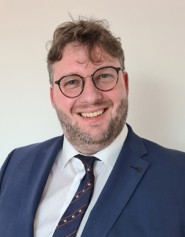
Peter Verwilst is an Associate Professor at the Medicinal Chemistry division of the Rega Institute for Medical Research , part of KU Leuven 's Department of Pharmaceutical and Pharmacological Sciences. He leads projects in allosteric modulation of enzyme targets , fluorescent markers for neurodegenerative diseases , and novel antimicrobial development , particularly focusing on Gram-negative bacteria and HIV-related therapies. His research integrates computational modeling , chemical synthesis , and fluorescent probe design . He supervises PhD students including Margaux Billen , Eline Goffin , and Radu Bulai , and collaborates with institutions like Masaryk University and the Institut Pasteur de Lille. Current projects explore CCR5 signaling modulators , PurK inhibitors , and DNA-Encoded Libraries for P. aeruginosa antibiotics. Scientific awards include supporting students like Radu Bulai in obtaining FWO PhD Fellowships . His teaching includes Organische chemie I & II and Medicinale chemie courses. The lab recently celebrated securing a C1 grant and welcomes international collaborations.
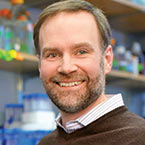
Andres Jara-Oseguera is an Assistant Professor in the Department of Molecular Biosciences within the College of Natural Sciences at the University of Texas at Austin. His research focuses on understanding the molecular mechanisms of ion channel proteins, particularly Transient Receptor Potential (TRP) channels, which are critical for electrical signaling in cells throughout the body. Position: Assistant Professor Department: Molecular Biosciences University: University of Texas at Austin Research Focus: Ion Channel Structure and Function Dr. Jara-Oseguera's research program investigates how molecular machines like ion channels control cellular signaling through their complex three-dimensional structures and dynamic behaviors. His work primarily centers on TRP channels, which play essential roles in biological processes ranging from temperature sensing to pain signaling and inflammatory responses. His laboratory employs a multidisciplinary approach combining structural biology, biophysics, electrophysiology, and molecular biology to elucidate how these channels detect diverse stimuli including temperature, chemical signals, and mechanical forces. The research has significant implications for understanding pain mechanisms and developing novel therapeutic approaches for pain management. An analysis of Dr. Jara-Oseguera's publication record reveals a consistent focus on TRP channel structure-function relationships, with recent work emphasizing temperature sensing mechanisms, channel gating dynamics, and pharmacological modulation. His research demonstrates an evolution from foundational studies on TRPV1 channels toward more sophisticated investigations of TRPM and TRPV2 channel mechanisms using advanced structural and biophysical approaches. The publications highlight his contributions to understanding how these molecular machines integrate multiple signals to control ion flow across membranes. Dr. Jara-Oseguera is actively recruiting students for the 2026-27 academic year, indicating his ongoing commitment to training the next generation of scientists in molecular biosciences. His laboratory provides opportunities for students to engage in cutting-edge research at the intersection of structural biology, biophysics, and neuroscience. The Jara-Oseguera Lab investigates the molecular basis of ion channel function, particularly focusing on how TRP channels serve as biological thermometers and pain sensors. Current projects examine how these channels integrate multiple stimuli, how they detect temperature changes with remarkable sensitivity, and how their subcellular localization influences function in neuronal contexts. The lab employs innovative approaches including high-throughput mutagenesis screens, fluorescence-based biosensors, and electrophysiological techniques to address fundamental questions in ion channel biology.
Stephen B. Long is a Research Professor and Member of the Structural Biology Program at Memorial Sloan Kettering Cancer Center (MSKCC). He holds a PhD from Duke University (2001) and BA from Amherst College (1994), with postdoctoral training at Rockefeller University. His lab combines structural biology techniques (cryo-EM, X-ray crystallography) with biophysics to study eukaryotic membrane proteins, focusing on ion channels (e.g., Orai, MCU, BEST1) and enzymes like ICMT. Key therapeutic areas include cancer, immune disorders, and neurological diseases. Notable achievements include determining structures of CRAC channels and mitochondrial calcium uniporter complexes. He leads the Cryo-Electron Microscopy Innovation Laboratory (CEMIL) and chairs oversight committees for advanced microscopy. Awards include the Boyer Young Investigator Award (2016) and Burroughs Wellcome Career Award (2006-2014). Education: PhD Duke University (2001), BA Amherst College (1994) Labs/Affiliations: Structural Biology Program, CEMIL Director, Sloan Kettering Institute Research emphasizes ion channel mechanisms and membrane enzyme catalysis, with applications to cancer therapy and disease modeling. The lab actively trains graduate students and postdocs in structural biology and electrophysiology techniques.
Lydia Tabernero is a Professor of Structural Biology & Drug Discovery at the University of Manchester, affiliated with the Division of Evolution, Infection and Genomics. Her research focuses on structural and chemical biology of protein phosphatases and signaling proteins, with a particular emphasis on drug discovery targeting cancer and infectious diseases. She leads projects investigating molecular mechanisms of disease, including tuberculosis and fungal infections, using X-ray crystallography, biochemical methods, and computational tools. Her research interests include: Reversible phosphorylation in signaling pathways Structure-based drug design for protein phosphatases In vitro screening and computational methods for inhibitor discovery Collaborative preclinical trials across Europe and the US Recent articles highlight work on Mycobacterium tuberculosis inhibitors, fungal pathogen metabolism, and drug discovery tools like VSpipe-GUI. Her work contributes to UN Sustainable Development Goals related to health and well-being. She has supervised 9 students and collaborated on projects such as the High-resolution cyclic ion mobility HDX mass spectrometry initiative. Notable contributions include advancing non-antibiotic tuberculosis treatments and identifying novel drug targets in pathogens. Her lab is part of the Lydia Becker Institute and Christabel Pankhurst Institute, fostering interdisciplinary research in drug development and structural biology.
Maria Cascio is a Research Fellow at the University of Aberdeen, currently serving as Senior Equality, Diversity and Inclusion Partner within the Directorate of People. She holds a PhD in Pharmaceutical Chemistry from the University of Fisciano, Salerno, Italy (2006) and has been based at the University of Aberdeen since 2007. Her academic journey includes significant research contributions in cannabinoid pharmacology and medicinal chemistry. PhD in Pharmaceutical Chemistry, 2006, University of Fisciano, Salerno, Italy Master in Chemistry and Pharmaceutical Technologies, 2002, University of Palermo, Italy Maria Cascio's primary research interests lie in the pharmacology and therapeutic potential of plant cannabinoids, with a focus on the endocannabinoid system in health and disease. Her work spans medicinal chemistry, allosteric modulation of cannabinoid receptors, and the development of novel CB1 and CB2 receptor ligands. She also investigates the anti-proliferative effects of omega-3 fatty acids and their derivatives in prostate cancer. Her research combines biochemical, pharmacological, and cell-based assays to characterize cannabinoid activity. Her recent publications reflect a strong trend in methodological development for cannabinoid receptor assays, pharmacological characterization of phytocannabinoids like THCV and CBD, and exploration of their therapeutic applications in inflammation, cancer, and neurological disorders. The work often involves interdisciplinary collaboration and synthetic chemistry approaches to probe receptor mechanisms. Maria Cascio is actively involved in university governance and inclusion initiatives, serving on multiple committees including the University Race Equality Strategy Group, the Equality, Diversity and Inclusion Committee, and as a Social Bias Observer in Promotions Committees. She has supervised both undergraduate and PhD students and has secured research funding from diverse sources including NIDA, NHS Grampian, Tenovus Scotland, and the University of Aberdeen. Her collaborations span institutions in the UK, Italy, and the US, reflecting the international scope of her research. She also contributes to the scientific community as a peer reviewer, book reviewer, and former Guest Associate Editor for Frontiers in Neuropharmacology. Maria Cascio leads and participates in several research teams focused on cannabinoid pharmacology, prostate cancer, diabetic nephropathy, anticonvulsant effects, and analgesia. Her work is supported by internal collaborators such as Dr Iain Brown, Professor Matteo Zanda, and Dr Mirela Delibegovic, and external partners across Europe and the United States.
Ville Paavilainen is a Research Director at the Institute of Biotechnology, University of Helsinki, and supervisor for doctoral programs in Biomedicine and Integrative Life Science. With a postdoctoral background at the University of California, San Francisco (2008–2014), he focuses on Biochemistry , Cell Biology , and Molecular Biology , particularly mechanisms of protein translocation, membrane biology, and structural modeling. His research includes groundbreaking work on Sec61 translocon inhibition for cancer therapy and mitochondrial gene expression noise . Recent publications address lipid scrambling pathways, glioma stem cell targeting, and actin regulation. Active projects span EU-funded drug discovery and NIH collaborations. Key scientific contributions include Elucidating Sec61-client interactions Developing computational models for signal peptide prediction Uncovering mitochondrial-ER communication mechanisms He has supervised PhD theses (e.g., Paul Carlson) and contributed to over 39 research outputs. His work bridges structural biology, computational modeling, and translational pharmacology, with applications in tumor biology and neurodegenerative disease research.
Ingo Greger is a Researcher at the MRC Laboratory of Molecular Biology, focusing on AMPA-type glutamate receptors central to excitatory neurotransmission and synaptic plasticity. His work integrates structural biology, electrophysiology, and computational simulations to elucidate receptor biogenesis and function. Research highlights include Structural studies (X-ray crystallography, cryo-EM) of AMPA receptor tetramers and hetero-octamers Investigations into allosteric modulation by interacting proteins and TARPs Mechanistic insights into receptor anchoring, gating, and synaptic targeting Recent publications (2012-2023) demonstrate expertise in combining structural analysis with functional electrophysiology to understand receptor dynamics in synaptic transmission. The group employs advanced techniques like super-resolution microscopy and brain slice recordings to study receptor roles in cognitive processes. Current team members include Ondrej Cais, Kieron Cartwright, and other researchers collaborating on molecular neuroscience projects.
Cyril Kahn is a Lecturer at University of Lorraine with extensive research in nanoliposome technology and biomaterials development. His work bridges pharmaceutical sciences, tissue engineering, and biomedical applications with a particular focus on drug delivery systems. His primary research interests include Nanoliposome Technology , Drug Delivery Systems , Tissue Engineering , and Biomaterials Development . Kahn's research demonstrates significant innovation in creating targeted delivery systems for neuroprotective agents, particularly using curcumin and other natural compounds. His work on GelMA hydrogels and 3D printing represents cutting-edge approaches to scaffold development for tissue regeneration. Analysis of his recent publications (2023-2025) reveals a strong emphasis on Nanoliposome functionalization for targeted drug delivery Advanced hydrogel systems for tissue engineering Multiscale biomaterial design incorporating natural compounds Microfluidic platforms for drug testing Sustainable biomaterial processing techniques Kahn's research shows consistent progression toward more complex, multi-functional biomaterial systems with therapeutic applications. His technical expertise spans nanoliposome formulation, hydrogel characterization, 3D bioprinting, and in vitro testing of biomaterials. The interdisciplinary nature of his work connects pharmaceutical sciences with tissue engineering and materials science.
Dr. Daniel Alencar Rodrigues is a Lecturer at the Royal College of Surgeons in Ireland (RCSI) in the School of Pharmacy and Biomolecular Sciences. He holds a PhD in Chemistry from the Federal University of Rio de Janeiro and has held academic positions including Assistant Professor (2017–2018) and Postdoctoral Researcher (2020–2023). His research focuses on medicinal chemistry, organic synthesis, and cancer therapeutics, particularly targeting histone deacetylases (HDACs), phosphatidylinositol-3-kinase (PI3K), and the development of Proteolysis Targeting Chimeras (PROTACs). Education: PhD in Chemistry, Federal University of Rio de Janeiro (2015–2019) MSc in Chemistry, Federal University of Rio de Janeiro (2013–2015) Bachelor in Pharmacy, Federal University of Goiás (2008–2012) Postgraduate Diploma in Health Professions Education, RCSI (2023–2024) His research interests include: Design and synthesis of multi-target drugs and PROTACs for cancer therapy HDAC6 inhibition in breast and brain cancers Computational chemistry for drug design (molecular docking, virtual screening) Development of novel anticancer agents targeting metabolic vulnerabilities Dr. Rodrigues has received the Government of Ireland Postdoctoral Fellowship and has a robust publication record with over 20 peer-reviewed articles. His lab employs a multidisciplinary approach combining organic synthesis, computational modeling, and biological evaluation. Teaching responsibilities include lecturing in the Master of Pharmacy (MPharm) and BSc in Advanced Therapeutic Technologies programs, with a focus on musculoskeletal and haematological health modules. He emphasizes constructive alignment in teaching practices.
Dr. Mark Rawling is a Research Fellow in the School of Biological and Marine Sciences at the University of Plymouth, within the Faculty of Science and Engineering. He is part of the Fish Nutrition and Health Research Team, focusing on aquatic animal health and welfare, particularly in fish nutrition and probiotic applications. His work contributes to Sustainable Development Goal 14 (Life Below Water) and Goal 2 (Zero Hunger), emphasizing sustainable aquaculture practices. Mark's research interests include the application of probiotics and prebiotics in aquaculture, optimizing fish nutrition through alternative protein sources, and understanding the modulation of intestinal health and immune responses in fish species such as tilapia, rainbow trout, and Atlantic salmon. He explores how dietary supplements like yeast extracts and β-glucans influence gut microbiota, mucosal barriers, and overall fish health, with a focus on enhancing growth performance and disease resistance in aquaculture settings. His research outputs highlight a focus on dietary interventions to improve aquatic animal health, with studies examining probiotic efficacy, the structural impact of yeast cell wall components, and the role of β-glucans in modulating immune responses. Recent work emphasizes sustainable protein sources for tilapia and the application of postbiotics in zebrafish models. Mark actively contributes to doctoral supervision, currently serving as a second supervisor for two ongoing Ph.D. projects and having supported three completed Ph.D. studentships. His research has been applied in both academic and industry contexts, though specific grant details are not provided in the available text. He is affiliated with the Fish Nutrition and Health Research Team at the University of Plymouth, collaborating on projects related to aquatic animal health and sustainable aquaculture practices.
Jan K. Rainey is a Professor in the Department of Biochemistry and Molecular Biology at Dalhousie University, with cross-appointments to the Department of Chemistry and School of Biomedical Engineering. He holds a B.Sc. (Biochemistry) from the University of Guelph, an M.Sc. and Ph.D. (Experimental Physical Chemistry) from the University of Toronto, and completed a postdoctoral fellowship in Protein NMR at the University of Alberta. Roles: Undergraduate Coordinator (2022–present), Member of the Protein Assembly Research Team, and BioActives CREATE Training Program. Research Focus: Structural biology of membrane and fibrous proteins, spider silk engineering, and ligand-receptor interactions (e.g., apelin/APJ system). Techniques: NMR spectroscopy (solution/solid-state), scanning probe microscopy, circular dichroism, fluorescence spectroscopy, and recombinant protein production. Current lab members include postdoctoral fellows, Ph.D. students, and undergraduate researchers. Key collaborations involve academic and industrial partners in biomaterials and biotechnology. Funding sources include NSERC, CIHR, and CFI.
Professor Ulrich Zachariae is a Professor of Molecular Biophysics at the University of Dundee , affiliated with the School of Life Sciences and the Biological Chemistry and Drug Discovery department. He obtained his PhD in 2004 from the Max Planck Institute for Biochemistry and held postdoctoral roles at the Max Planck Institute for Biophysical Chemistry before transitioning to industry at AstraZeneca. His research focuses on membrane protein function , particularly ion channels and cell surface receptors , and employs computational methods such as molecular simulations and data-driven approaches to combat antimicrobial resistance . Recent work includes elucidating ion selectivity mechanisms, improving antibiotic bioavailability, and developing tools like State-Specific Information (SSI) to analyze protein-water dynamics. Key trends in his publications span biomolecular simulations , computational drug discovery , and structural biology , with a strong emphasis on ion channels and GPCRs in 2025, antimicrobial resistance in 2024, and foundational work on K+ channels in 2018. Professor Zachariae leads the MSc in Biological Data Science program and contributes to teaching modules in Biomolecular Structure and Interactions . His collaborations include institutions like St Andrews University and Trinity College Dublin , with funding from the Biotechnology and Biological Sciences Research Council (BBSRC) .
Prof. Dr. Antonella Di Pizio (born 1984) is an Associate Professor for Chemoinformatics and Protein Modelling at the Department of Molecular Life Sciences within the TUM School of Life Sciences at the Technical University of Munich. Since 2018, she has led the Molecular Modeling group at the Leibniz Institute of Food Systems Biology at TUM in Freising, Germany. Her academic journey includes a PhD in Pharmaceutical Sciences from the University of Chieti, Italy (2012), followed by research at Philipps University in Marburg, Germany, and a postdoc position at the Hebrew University of Jerusalem, Israel. Prof. Di Pizio's research focuses on computational approaches to understanding chemosensory G protein-coupled receptors (GPCRs), particularly taste and smell receptors. Her work combines molecular modeling, chemoinformatics, and structural bioinformatics to investigate the molecular basis of ligand recognition and activation mechanisms. Her group develops predictive models for screening and designing bioactive compounds relevant to food reformulation and therapeutic applications. Analysis of Prof. Di Pizio's publication record reveals a strong focus on bitter taste receptors, particularly TAS2R family members, and odorant receptors. Her research spans computational modeling of receptor-ligand interactions, development of predictive algorithms for taste compound identification, and investigation of the structural basis of chemosensory perception. Recent work demonstrates increasing integration of machine learning approaches with traditional molecular modeling techniques. Scientific Recognition: Leibniz Best Minds Programme for Women Professors (2022) Platinum Manfred Rothe Excellence Award in Flavor Research (2019) Bernardo Nobile doctorate award VIII Edition (2013) Keystone Symposia Future of Science Fund Fellowship (2017) Prof. Di Pizio serves on the editorial board of Frontiers in Molecular Biosciences and is a Working Group Leader and Management Committee member of the ERNEST Cost Action CA18133. She teaches courses including 'Modeling and simulations of Biological Macromolecules' and 'Drug and Protein Design' at TUM. Her Molecular Modeling group collaborates extensively with other research groups at the Leibniz-LSB@TUM on interdisciplinary projects focused on food systems biology. The Molecular Modeling group, established relatively recently at the institute, investigates food-relevant molecules and their interactions using computational tools including molecular docking, molecular dynamics simulations, pharmacophore modeling, QSAR, machine learning, and virtual screening. Their work aims to develop next-generation methodologies for food design that address current challenges in the food system.
Gina van Kleef is a Researcher and Teacher at the Faculty of Veterinary Medicine , Utrecht University , affiliated with the Institute for Risk Assessment Sciences (IRAS) and Department of Population Health Sciences . Her work focuses on neurotoxicity screening , developmental neurotoxicity , and environmental health using in vitro and hiPSC-derived neuronal models . Specializes in occupational health & safety and environmental toxicology Employing microelectrode array (MEA) recordings for neurotoxicity assessment Research trends from 2025-2020 reveal her focus on: Chemical neurotoxicity (insecticides, PFAS, flame retardants) Viral neurotoxicity (Enterovirus D-68, snake venom) Neurotransmitter receptor interactions (GABAA, nicotinic acetylcholine receptors) Novel assay development for high-throughput toxicity screening Contact: g.vankleef@uu.nl Location: Jeannette Donker-Voetgebouw, Yalelaan 104-106, Utrecht
Philip Romero, Ph.D., is an Associate Professor in the Department of Biomedical Engineering at Duke University. He earned his doctorate from the California Institute of Technology in 2012 and leads the Romero Lab, which relocated to Duke in 2023. His research focuses on developing computational and experimental methods for protein engineering, with applications spanning therapeutics, biocatalysis, and synthetic biology. Research Interests: Romero's work integrates machine learning, microfluidics, and high-throughput experimentation to study protein fitness landscapes. Key areas include: Self-driving laboratories for autonomous protein optimization Neural network models for predicting protein functions Therapeutic enzyme engineering (ACE2, caspases, lysins) Microfluidic platforms for deep mutational scanning His recent publications demonstrate a strong emphasis on machine learning-guided protein design, with 80% of post-2022 publications involving AI/ML methods. Therapeutic applications against infectious diseases (particularly SARS-CoV-2) and microbiome engineering represent emerging directions. Lab & Advising: The Romero Lab develops novel technologies for protein engineering, including custom gene library assembly platforms and droplet microfluidics systems. Romero mentors graduate students (e.g., Nishit, who recently defended a thesis on transcription factor engineering) and has collaborated with researchers across computational biology, metabolic engineering, and virology.